





Congratulations to 2026 MRE Young Scientist Award Winners!
Matter and Radiation at Extremes initiated MRE Young Scientist Award in 2019 to recognize the outstanding early-career scientists to deliver their important, original and innovative achievements in the field of science and technology on matter and radiation at extreme conditions.
In 2026, YSA jury members strongly appreciated the applications of all candidates. Deciding the final winners was a tough task as all the candidates had made excellent materials/presentations showing highly mature skills and excellency in their recent work. The winners of the 2026 MRE Young Scientist Award (YSA) are Zhongpeng Li(李中鹏), Gabriel Rigon and Xiaoxiang Yu (余晓翔), who represent the research topics of Fundamental Physics at Extreme Light, Inertial Confinement Fusion Physics/Radiation and Hydrodynamics, and High Pressure Physics and Materials Science. Congratulations to the winners!
The Nomination Awards go to Lars REICHWEIN, Zhonghai Zhao (赵忠海) and Songhao Guo (郭嵩蒿). Congratulations!
The YSA award ceremony will be held in the Opening and Award Ceremony of ICMRE2026 on May 19. More info is available here: http://icmre2026.mre.org.cn/.
Winners of 2026 Young Scientist Award (in no particular order)
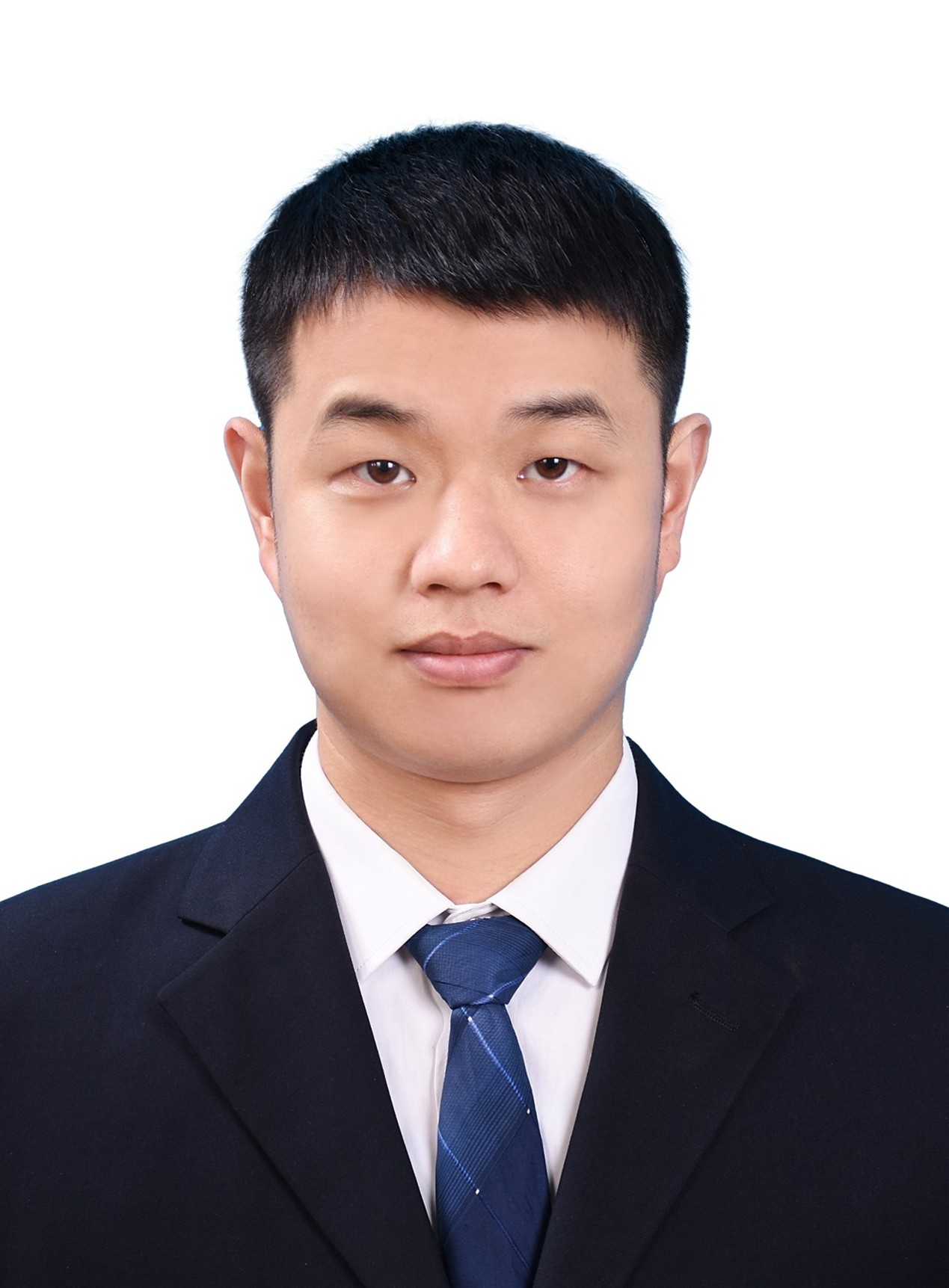
Zhongpeng Li (李中鹏) from School of Physics, Xi'an jiaotong University, China
Presentation title: Ultrafast Spin Control and Structured Spin-Polarized Lepton Beam Generation via Terahertz Waveguides
"The recipient of the MRE Young Scientist Award 2026 in the field Fundamental Physics at Extreme Light is Zhong-Peng Li from Xi’an Jiaotong University for his work on “Ultrafast Spin Control and Structured Spin-Polarized Lepton Beam Generation via Terahertz Waveguides”. In his research he developed innovative solutions for the control of lepton beam polarization together with a corresponding theory. He came up with an original approach for multi-dimensional polarization control using higher-order electromagnetic modes, again in conjunction with a matching model and theory. He made the transition from fundamental physics to application by providing customizable polarization structures. And he extended his original research in using THz waveguides to generate and control relativistic vortex particles. He has received the recognition of the international THz community for his creative research and the development of new methods with potentially important applications for fundamental and applied research. In his career so far, he displayed a very broad scope of activities encompassing experiments, model development, diagnostics and technology. MRE wishes him good luck for his ambitious future research plans."
- Stefan Weber (ELI Beamlines Facility, Czech Republic), Jury member of MRE YSA 2026

Gabriel Rigon from LULI, Ecole Polytechnique, CNRS, CEA, France
Presentation title: Observation of Rayleigh-Taylor instability in decelerating phase from linear to turbulent-like phase for different initial Atwood number
"The Young Scientist Award 2026 of the journal Matter and Radiation at Extremes, in the section High Energy Density Physics, is attributed to Dr. Gabriel Rigon, for his work on the observation of Rayleigh-Taylor instability in the deceleration phase using high-precision X-ray radiography. This instability, which develops at the interface of two materials of different densities under strong acceleration, is observed in many astrophysical events and is responsible for the fuel mixing in inertial confinement fusion experiments. The nonlinear phase of this instability and the transition from regular modulations to turbulence are not fully understood and pose formidable challenges for experiments. Gabriel Rigon has performed a series of measurements of the instability development at the interface of two materials accelerated in a laser-driven shock wave. Using X-ray radiography at the SACLA X-ray free-electron laser and an innovative LiF detector, he obtained unique high-resolution images of the mixing zone and its temporal resolution. The analysis of these results provides new insights into the development of plasma turbulence and is of great importance for understanding the evolution of supernova remnants and for improving the performance of shell implosions in laser fusion. The diagnostic technique developed in this experiment opens new perspectives for the study of dynamic processes under extreme conditions. The selection committee emphasizes the high quality of experimental data and originality of the theoretical analysis."
- Vladimir Tikhonchuk (Bordeaux University, France), Jury member of MRE YSA 2026
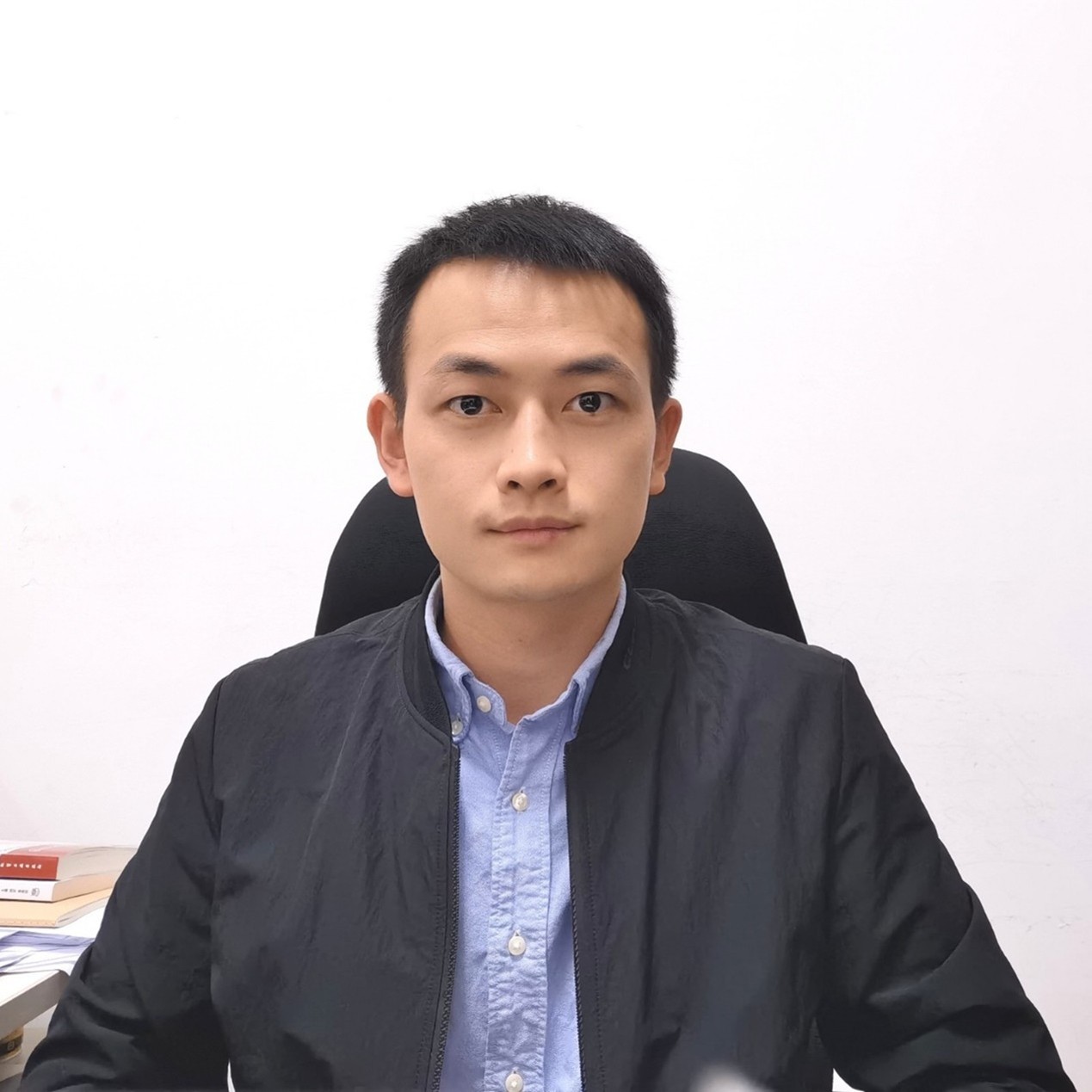
Xiaoxiang Yu (余晓翔) from College of Science, National University of Defense Technology, China
Presentation title: Proton quantum dynamics in high-pressure ice VII across superionic transition
"This thorough study represents a significant leap forward in our understanding of superionic ice, a phase critical to accurately modeling the interior dynamics of ice giant planets like Uranus and Neptune. By employing an innovative combination of machine learning and path-integral molecular dynamics (PIMD) simulations, the research unveils a novel quantum diffusion mechanism of protons in high-pressure ice that classical models have failed to capture. The work demonstrates that nuclear quantum effects (NQEs) are not merely a subtle correction but a dominant force governing proton behavior, even under the extreme conditions of thousands of Kelvin and gigapascals of pressure. The key revelation is the dual and opposing role of NQEs: they suppress diffusion in the low-temperature ice VII phase while paradoxically enhancing it in the superionic ice VII' phase. This leads to an increase in the critical temperature for the superionic transition, a finding with profound implications for planetary geophysics. The researchers provide compelling microscopic evidence for this mechanism through the analysis of the non-Gaussian parameter.
This analysis elegantly shows how quantum effects intensify the "cage effect" in ice VII, trapping protons more effectively within the oxygen lattice. Conversely, in the superionic phase, quantum effects weaken this confinement and diminish cooperative motion, allowing for faster, more efficient proton hopping. The detailed calculation of activation energies—shifting from 1.52 eV to 2.14 eV in ice VII and from 0.35 eV to 0.26 eV in ice VII' with the inclusion of NQEs—quantifies this remarkable quantum control over ionic transport. Ultimately, this study does more than just describe a phenomenon; it provides the fundamental microscopic insights necessary to build truly accurate models of planetary interiors. By revealing the subtle and powerful influence of quantum mechanics in this exotic state of matter, the work sets a new standard for future research on superionic materials and the dynamic worlds they help compose."
- Victor Struzhkin (HPSTAR, China), Jury member of MRE YSA 2026
Nomination Award Winners (in no particular order)
Name | Affiliation | Presentation Title |
Lars REICHWEIN | Peter Grünberg Institut (PGI-6) | Pinching injection in wakefields for spin-polarized electron beams |
Zhonghai Zhao (赵忠海) | School of Physics, Peking University | Magnetogenesis and large-scale turbulent dynamo in laser produced plasmas |
Songhao Guo (郭嵩蒿) | Center for High Pressure Science and Technology Advanced Research (HPSTAR) | Emerging structural polarization in intrinsic centrosymmetric 2D perovskites by pressure-induced symmetry breaking |

Shortlist of MRE 2026 Young Scientist Award
Matter and Radiation at Extremes (MRE) initiated its Young Scientist Award (YSA) event in 2019, and the 7th MRE YSA comes in 2026. Since the announcement of the event, dozens of experts and scholars in the research fields of MRE all around the world have participated in recommending and screening qualified young researchers. The committee has carefully evaluated the applications by considering the academic importance of the work submitted and its originality, innovation, scientific merits and broader impacts as well as the extended CV of the applicants. As a result, the following 6 young scholars have been shortlisted to enter the final competition (Ranking is not in any particular order).
Name | Affiliation | Presentation Title |
Zhong-Peng Li (李中鹏) | School of Physics, Xi'an jiaotong University, China | Ultrafast Spin Control and Structured Spin-Polarized Lepton Beam Generation via Terahertz Waveguides |
Lars REICHWEIN |
| Pinching injection in wakefields for spin-polarized electron beams |
Gabriel Rigon |
| Observation of Rayleigh-Taylor instability in decelerating phase from linear to turbulent-like phase for different initial Atwood number |
Zhonghai Zhao (赵忠海) | School of Physics, Peking University, China | Magnetogenesis and large-scale turbulent dynamo in laser produced plasmas |
Songhao Guo (郭嵩蒿) | Center for High Pressure Science (HPSTAR), China | Emerging structural polarization in intrinsic centrosymmetric 2D perovskites by pressure-induced symmetry breaking |
Xiaoxiang Yu (余晓翔) | College of Science, National University | Proton quantum dynamics in high-pressure ice VII across superionic transition |
MRE Young Scientist Award 2026
MRE Young Scientist Award is a worldwide campaign, aiming to stimulate young scholars worldwide to deliver their important, original and innovative achievements in the fields of science and technology on matter and radiation at extremes. This event is initiated by the AIP academic journal Matter and Radiation at Extremes. The event has been hosted for 6 times, and was followed by an audience of thousands. In 2026, the 7th MRE Young Scientist Award contest will be held online, and the prize presentation will be held in ICMRE 2026.
The MRE Young Scientist Award winner receives:
- A trophy and a certificate
- Cash prize of RMB 10,000 (after individual income tax in China)
- A formal invitation to publish on MRE
Eligibility Criteria
- The applicant should not be more than 35 years old in 2026;
- The applicant should be the presenting author of original research which has not been published and is not under consideration for publication elsewhere.
- The topic of the research work should be within the scope of MRE.
Application process
The applicant must complete an extended CV personal information form and submit a summary abstract on the original research (3 pages including representative figures and references) in DOC (DOCX) or PDF format to mreeo@aip.org with subject line “Name_Institute_2026 MRE Young Scientist Award”. Recommendation letters are welcome but not essential.
Submission deadline: January 31st, 2026.
Selecting process
All valid submissions will be evaluated by a jury and the shortlisted candidates will be announced no later than February 14th, 2026. The candidates will be invited to present their work online before the jury on March 17th & 18th, 2026. The award winners will be selected by the jury and invited to take part in the prize presentation at ICMRE2026 (Xiamen, May 18th - 22nd, 2026).
Congratulations to 2025 MRE Young Scientist Award Winners!
Matter and Radiation at Extremes initiated MRE Young Scientist Award in 2019 to recognize the outstanding early-career scientists to deliver their important, original and innovative achievements in the field of science and technology on matter and radiation at extreme conditions.
In 2025, YSA jury members strongly appreciated the applications of all candidates. Deciding the final winners was a tough task as all the candidates had made excellent materials/presentations showing highly mature skills and excellency in their recent work. The winners of the 2025 MRE Young Scientist Award (YSA) Arseny Mironov, Di Peng (彭帝) and Qingkang Liu (刘庆康), who represent the research topics of Fundamental Physics at Extreme Light, High Pressure Physics and Materials Sciences, and Inertial Confinement Fusion Physics. Congratulations to the winners! The Nomination Awards go to Xuesong Geng (耿学松), Man Xu (许满), Zhu Lei (雷柱), Bo Chen (陈博), Kejun Bu (卜克军), Zhuoxia Shao (邵琢瑕). Congratulations!
The YSA award ceremony will be held in the Opening and Award Ceremony of ICMRE2025 on May 13. More info is available here: http://icmre2025.mre.org.cn/.
Winners of 2025 Young Scientist Award
Arseny Mironov from Centre de Physique Théorique, École Polytechnique, France
Presentation title: Modelling of self-sustained QED cascades in a linearly polarised laser field of extreme intensity
"The 2025 MRE YSA prize is awarded to Dr. Arseny MIRONOV for his research on self-sustained QED cascades in a linearly polarised laser field of extreme intensity. Understanding the controlled generation of multi-PW laser-induced cascades presents a path to dense e+e- plasma of relevance for the understanding of extreme astrophysical phenomena under laboratory conditions. In his work he determined the geometry, onset and growth rate of ultra-high intensity lasers interacting with electron bunches for inducing QED cascades and presented predictive modelling for future multi-PW flagship experiments."
- Stefan Weber, Associate Editor of MRE
Di Peng (彭帝) Shanghai Advanced Research in Physical Sciences, China
Presentation title: Isotropic superconductivity in trilayer Nickelate La4Ni3O10-δ
"Dr. Di Peng's academic journey started with his clarification of the ostensible superconductivity in the Lu-H-N system. His rigorous experimental work published in MRE (2023) was highly referenced. It invalidated the original claim of near room-temperature superconductivity in a Nature publication and led to Nature’s withdrawal of the paper by Ranga P. Dias et al. Dr. Peng has continued to make outstanding contributions field of superconductivities at high pressures, particularly in the studies on nickelate superconductors. By developing advanced in situ hydrostatic high-pressure resistivity and DC magnetic susceptibility measurement techniques up to 70 GPa, he successfully confirmed bulk superconductivity in La4Ni3O10-δ for the first time [Nature (2024)]. His YSA presentation clearly demonstrated his seminal contributions to the field of superconductivity under extreme pressure and magnetic fields."
- Hokwang Mao, Co-Editors-in-Chief of MRE
Qingkang Liu (刘庆康) from Institute of Applied Physics and Computational Mathematics, China
Presentation title: Nonlinear amplification of laser-plasma instabilities and hot electron generation driven by broadband lasers
"The 2025 MRE Young Scientist Award is presented to Dr. Qingkang Liu for his innovative insights into the evolution of laser-plasma instabilities (LPIs) and hot electron generation in broadband laser systems. While broadband lasers are a promising tool for mitigating LPI in next-generation direct drive fusion, anomalous backscattering and hot electron yields observed at the Kunwu facility highlighted critical gaps in understanding nonlinear LPI dynamics. Dr. Liu quantified the temporal intensity fluctuations of broadband lasers and showed how electron-plasma wave-coupled instabilities, such as stimulated Raman scattering, undergo nonlinear amplification within localised high-intensity pulses, significantly enhancing suprathermal electron production. In collaboration with colleagues, he designed gas-filled glass tube targets to generate large-scale, homogeneous and tunable-density plasmas, and experimentally validated the universality of hot electron enhancement mechanisms across different plasma conditions. These findings resolve the paradox of broadband driven anomalies at Kunwu and lay essential foundations for the use of broadband lasers in inertial confinement fusion research."
- Weiyan Zhang, Co-Editors-in-Chief of MRE
Nomination Award Winners
Name | Affiliation | Presentation Title |
Xuesong Geng (耿学松) | Shanghai Institute of Optics | Collimated QED Cascades with Curved Plasma Mirror |
Man Xu (许满) | Shanghai Advanced Research in Physical Sciences | High-pressure density of sodium aluminosilicate melts in the NaAlSiO<sub4<>-NaAlSi2O6-NaAlSi3O8 system: recalibration of a modified hard-sphere equation of state for alkali-rich melts |
Zhu Lei (雷柱) | Institute of Applied Physics and Computational Mathematics | Challenges and Obstacles on the Path to High-Gain Fusion |
Bo Chen (陈博) | National University of Defense Technology | Three-step Formation of Diamonds in Shock-compressed Hydrocarbons: Decomposition, Species Separation, and Nucleation |
Kejun Bu (卜克军) | Center for High Pressure Science and Technology Advanced Research | Efficient Conversion of Exciton to Trion in Pressurized Monolayer WSe2 |
Zhuoxia Shao (邵琢瑕) | Hefei National Research Center | An accelerator-driven narrow-band tunable terahertz FEL |
Shortlist of MRE 2025 Young Scientist Award
Matter and Radiation at Extremes (MRE) initiated its Young Scientist Award (YSA) event in 2019, and the 6th MRE YSA comes in 2025. Since the announcement of the event, dozens of experts and scholars in the research fields of MRE all around the world have participated in recommending and screening qualified young researchers. The committee has carefully evaluated the applications by considering the academic importance of the work submitted and its originality, innovation, scientific merits and broader impacts as well as the extended CV of the applicants. As a result, the following 9 young scholars have been shortlisted to enter the final competition.
Name | Affiliation | Presentation Title |
Arseny Mironov | Centre de Physique Théorique, France | Modelling of self-sustained QED cascades in a linearly polarised laser field of extreme intensity |
Qing-kang Liu (刘庆康) | Institute of Applied Physics and | Nonlinear amplification of laser-plasma instabilities and hot electron generation driven by broadband lasers |
Xuesong Geng (耿学松) | Shanghai Institute of Optics and Fine | Collimated QED Cascades with Curved Plasma Mirror |
Zhu Lei (雷柱) | Institute of Applied Physics and | Challenges and Obstacles on the Path to High-Gain Fusion |
Zhuoxia Shao (邵琢瑕) | Hefei National Research Center Microscale, China | An accelerator-driven narrow-band tunable terahertz FEL |
Di Peng (彭帝) | Shanghai Advanced Research | Isotropic superconductivity in trilayer Nickelate La4Ni3O10-δ |
Kejun Bu (卜克军) | Center for High Pressure Science Research, China | Efficient Conversion of Exciton to Trion in Pressurized Monolayer WSe2 |
Bo Chen (陈博) | National University of Defense | Three-step Formation of Diamonds in Shock-compressed Hydrocarbons: Decomposition, Species Separation, and Nucleation |
Man Xu (许满) | Shanghai Advanced Research | High-pressure density of sodium aluminosilicate melts in the NaAlSiO4-NaAlSi2O6-NaAlSi3O8 system: recalibration of a modified hard-sphere equation of state for alkali-rich melts |
MRE Young Scientist Award 2025
MRE Young Scientist Award is a worldwide campaign, aiming to stimulate young scholars worldwide to deliver their important, original and innovative achievements in the fields of science and technology on matter and radiation at extremes. This event is initiated by the AIP academic journal Matter and Radiation at Extremes. The event has been hosted for 5 times, and was followed by an audience of thousands. In 2025, the 6th MRE Young Scientist Award contest will be held online, and the prize presentation will be held in ICMRE 2025.
The MRE Young Scientist Award winner receives:
- A trophy and a certificate
- Cash prize of RMB 10,000 (after individual income tax in China)
- A formal invitation to publish on MRE
Eligibility Criteria
- The applicant should not be more than 35 years old in 2025;
- The applicant should be the presenting author of original research which has not been published and is not under consideration for publication elsewhere.
- The topic of the research work should be within the scope of MRE.
Application process
The applicant must complete an extended CV personal information form and submit a summary abstract on the original research (3 pages including representative figures and references) in DOC (DOCX) or PDF format tomreeo@aip.orgwith subject line “Name_Institute_2025 MRE Young Scientist Award”. Recommendation letters are welcome but not essential.
Submission deadline: January 31, 2025.
Selecting process
All valid submissions will be evaluated by a jury and the shortlisted candidates will be announced no later than Feb 20, 2025. The candidates will be invited to present their work online before the jury on March 14, 2025. The award winners will be selected by the jury and invited to take part in the prize presentation at ICMRE2025 (Xi’an, May 12-15, 2025).
Congratulations to 2024 MRE Young Scientist Award Winners!
Matter and Radiation at Extremes initiated MRE Young Scientist Award in 2019 to recognize the outstanding early-career scientists to deliver their important, original and innovative achievements in the field of science and technology on matter and radiation at extreme conditions.
In 2024, YSA jury members strongly appreciated the applications of all candidates. Deciding the final winners was a tough task as all the candidates had made excellent materials/presentations showing highly mature skills and excellency in their recent work. The winners of the 2024 MRE Young Scientist Award (YSA) are Yinren Shou, Weipeng Yao and Wan Xu, who represent the research topics of Fundamental Physics at Extreme Light, Inertial Confinement Fusion Physics/Radiation and Hydrodynamics, and High Pressure Physics and Materials Science respectively. Congratulations to the winners!
The Nomination Awards go to Peipei Wang, Jingxiang Shen, Artem Martynenko, Masato Ota, Shu Cai, Chang Liu. Congratulations!
The YSA award ceremony will be held in the Opening and Award Ceremony of ICMRE2024 on May 14. More info is available here: http://icmre2024.mre.org.cn/.
Winners of 2024 Young Scientist Award
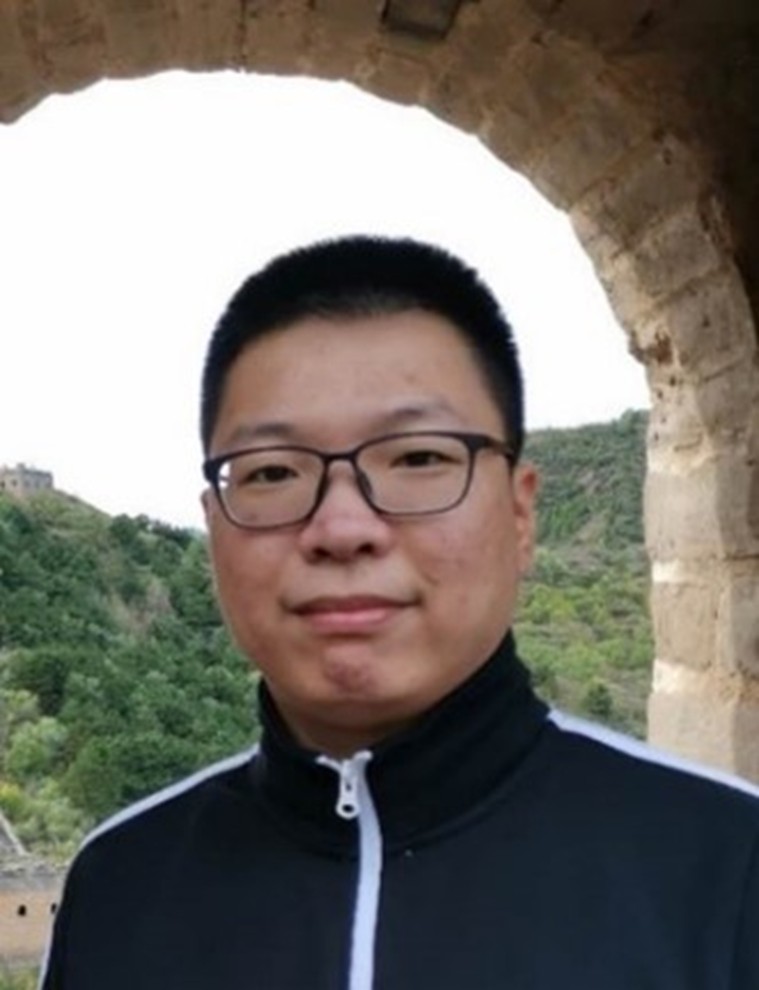
Yinren Shou from Gwangju Institute of Science and Technology, Korea
Presentation title: Acceleration of over-100 MeV protons from a tailored nanometer foil irradiated by a multi-petawatt femtosecond laser
“The 2024 MRE YSA prize is awarded to Dr. Yinren SHOU for his innovative research and analysis of proton acceleration using a multi-PW laser system. The laser-target interaction scheme proposed by him lead to a record 110 MeV proton cut-off energy using tailored nanometer foils. He demonstrated the importance of novel targetry for increasing the proton energy and proposed a new hybrid mechanism based on radiation pressure and Coulomb repulsion as being responsible for the high proton energy obtained. This opens new possibilities for applications and fundamental research.”
- Stefan Weber, Associate Editor of MRE
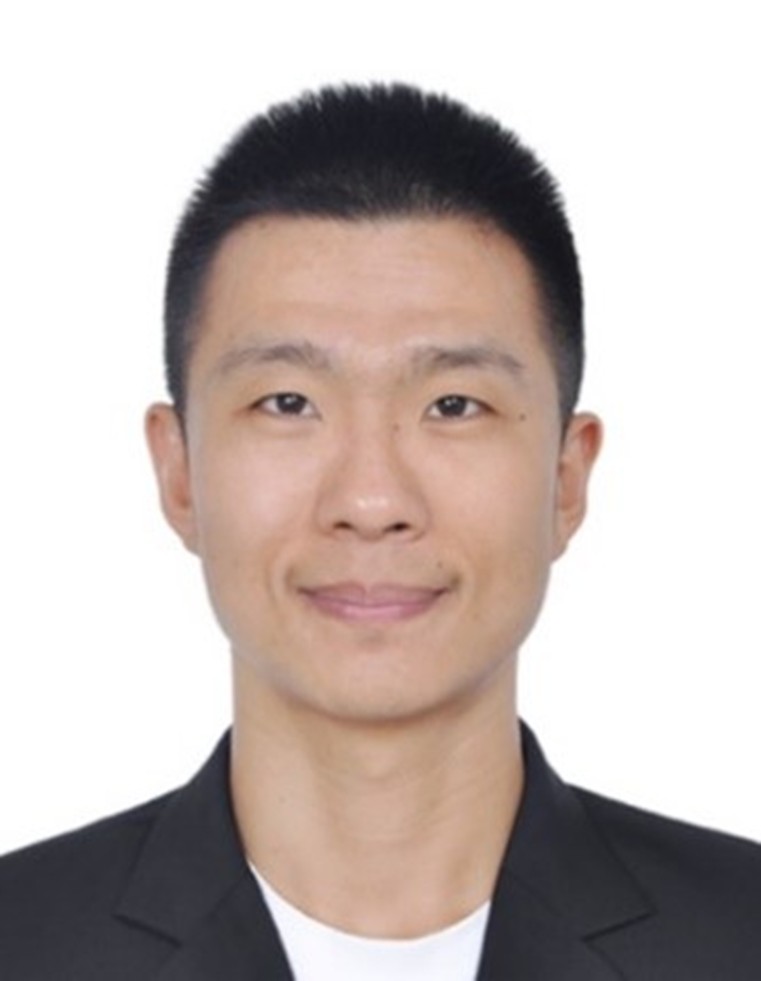
Weipeng Yao from LULI, École Polytechnique, CNRS, France
Presentation title: Laboratory investigation of particle energization in laser-driven magnetized shocks and associated instabilities
“Dr. Yao, trained in plasma physics in China, has led experiments with laser-produced laboratory plasmas at several lasers in China and now in Europe, seeking to observe mechanisms that allow generation of the extremely high particle energies (up to 10 20 eV) observed in cosmic rays; a scientific question that has persisted for 100 years. Astrophysical concepts have identified collisionless shocks at the outer edge of supernova events as a possible source of these cosmic rays. Dr. Yao and colleagues have produced and well-characterized laboratory plasmas with electric and magnetic fields and collisionless shocks and they have observed particles with energy several times the thermal energy of the plasma. These non-thermal particles can be the seed for the proposed astrophysical process that would require such seed particles of enough energy to cross the shock fronts many times and gain energy in each crossing, becoming energetic cosmic rays. The progress thus far has identified possible seed particles and produced collisionless shock fronts in the laboratory plasmas. Future work with higher energy petawatt lasers, now becoming available, could further elucidate this possible mechanism for producing high energy cosmic rays.”
- David Crandall, Associate Editor of MRE
Wan Xu from Institute of Solid State Physics, Chinese Academy of Sciences, China
Presentation title: High-pressure phase diagram of oxygen and nitrogen binary system: formation of novel dense phases.
“The MRE Award Committee presents 2024 Young Scientist Award to Dr. Wan Xu for her ground-breaking contributions in studies of the N2-O2 binary system at extreme pressures. Using state-of-the-art high-pressure Raman and X-ray probes, she extended the previous phase diagram of the system from 10 to 150 GPa to reach the pressure of the Earth’s core, and discovered a number of novel crystalline compounds, that she named S7, S8, and S9. The new knowledge has far-reaching implications for our understanding the geochemistry of the atmospheric formation and the cycling of N2-O2 in the deep mantle, as well as materials applications on single bonded nitrogen as the most energetic element and dense oxygen as the extreme oxidizer.”
- Hokwang Mao, co-Editor-in-Chief of MRE
Nomination Award Winners
Name | Affiliation | Presentation Title |
Masato Ota | National Institute for Fusion Science, Japan | Picosecond measurement of relativistic electron impact ionization inside solids |
Peipei Wang | Shanghai Institute of Laser Plasma, China | The study of transmission energy on Hundreds-of-joules Broadband Kunwu Laser Facility |
Artem Martynenko | Plasma Physics Department, GSI Helmholtzzentrum fur Schwerionenforschung, Germany | Validation of matter heating mechanisms by laser-accelerated relativistic electron through X-ray imaging |
Shu Cai | Center for High Pressure Science &Technology Advanced Research, China(HZDR), Germany | The transport properties and low temperature structure of LaH10 : revealed by standard four-probe method and synchrotron X-ray diffraction |
Jingxiang Shen | Center for Applied Physics and Technology, College of Engineering,Peking University, China | Fundamental influence of inherent non-elastic properties of solids on the validity of ramp loading method |
Chang Liu | Simulation Methods & Software of Ministry of Education College of | Benchmarking extreme mechanics of diamond via global stress mapping |

Shortlist of MRE 2024 Young Scientist Award
Matter and Radiation at Extremes (MRE)initiated its Young Scientist Award (YSA) event in 2019, and the 5th MRE YSA comes in 2024. Since the announcement of the event, dozens of experts and scholars in the research fields of MRE all around the world have participated in recommending and screening qualified young researchers. The jury has carefully evaluated the applications by considering the academic importance of the work submitted and its originality, innovation, scientific merits and broader impacts as well as the extended CV of the applicants. As a result, the following 9 young scholars have been shortlisted to enter the final competition.
Name | Affiliation | Presentation Title |
Masato Ota | Osaka University, Japan | Picosecond measurement of relativistic electron impact ionization inside solids |
Yinren Shou | Gwangju Institute of Science and Technology, Korea | Acceleration of over-100 MeV protons from a tailored nanometer foil irradiated by a multi-petawatt femtosecond laser |
Peipei Wang | Shanghai Institute of Laser Plasma, | The study of transmission energy on Hundreds-of-joules Broadband Kunwu Laser Facility |
Weipeng Yao | LULI, École Polytechnique, CNRS, France | Laboratory investigation of particle energization in laser-driven magnetized shocks and associated instabilities |
Artem Martynenko | Plasma Physics Department, GSI Helmholtzzentrum fur Schwerionenforschung, Germany | Validation of matter heating mechanisms by laser-accelerated relativistic electron through X-ray imaging |
Shu Cai | Center for High Pressure Science &Technology Advanced Research, China | The transport properties and low temperature structure of LaH10 : revealed by standard four-probe method and synchrotron X-ray diffraction |
Wan Xu | Institute of Solid State Physics, of Sciences, China | High-pressure phase diagram of oxygen and nitrogen binary system: formation of novel dense phases |
Jingxiang Shen | Center for Applied Physics and Technology, College of Engineering,Peking University, | Fundamental influence of inherent non-elastic properties of solids on the validity of ramp loading method |
Chang Liu | Simulation Methods & Software of Ministry of Education College of Physics, Jilin University, China | Benchmarking extreme mechanics of diamond via global stress mapping |
MRE Young Scientist Award 2024
MRE Young Scientist Award is a worldwide campaign, aiming to stimulate young scholars worldwide to deliver their important, original and innovative achievements in the fields of science and technology on matter and radiation at extremes. This event is initiated by the AIP academic journal Matter and Radiation at Extremes. The event has been hosted for 4 times, and was followed by an audience of thousands. In 2024, the 5th MRE Young Scientist Award contest will be held online via MRE Webinars, and the prize presentation will be held in ICMRE 2024.
The MRE Young Scientist Award winner receives:
- A trophy and a certificate
- Cash prize of RMB 10,000 (after individual income tax in China)
- A formal invitation to publish on MRE
Eligibility Criteria
- The applicant should not be more than 35 years old in 2024;
- The applicant should be the presenting author of original research which has not been published and is not under consideration for publication elsewhere.
- The topic of the research work should be within the scope of MRE.
Application process
The applicant must complete an extended CV personal information form and submit a summary abstract on the original research (3 pages including representative figures and references) in DOC (DOCX) or PDF format to mreeo@aip.org with subject line “Name_Institute_2024 MRE Young Scientist Award”. Recommendation letters are welcome but not essential.
Submission deadline: January 31, 2024.
Selecting process
All valid submissions will be evaluated by a jury and the shortlisted candidates will be announced no later thanFeb. 29, 2024. The candidates will be invited to present their work via MRE Webinarson Mar. 19-20, 2024. The award winners will be selected by the jury and invited to take part in the prize presentation at ICMRE2024 (Hangzhou, May 13-17th).
Congratulations to 2023 MRE Young Scientist Award Winners!
Matter and Radiation at Extremes initiated MRE Young Scientist Award in 2019 to recognize the outstanding early-career scientists to deliver their important, original and innovative achievements in the field of science and technology on matter and radiation at extreme conditions.
In 2023, YSA jury members strongly appreciated the presentations from all 10 shortlisted candidates at second round auditions. All the speakers had made excellent presentations showing highly impressive progress and remarkable findings in their recent work, and replays of the presentations are available at
https://www.koushare.com/lives/room/025702
The winners of the 2023 MRE Young Scientist Award (YSA) are Yang Wan, Anna Grassi and Philip Dalladay-Simpson, who represent the research topics of Fundamental Physics at Extreme Light, Inertial Confinement Fusion Physics/Radiation and Hydrodynamics, and High Pressure Physics and Materials Science respectively. Congratulations to the winners!
The YSA award ceremony will be held in the Opening and Award Ceremony of ICMRE2023 on June 6 ( 8:15-8:30 Beijing time). More info and the schedule of events are available here: http://icmre2023.mre.org.cn
Winners of 2023 Young Scientist Award
Yang Wan from Israel Weizmann Institute, Israel
Presentation title: Direct characterization of laser and particle beam driven plasma wakefield
The 2023 Young Scientist Award of the journal Matter and Radiation at Extremes is awarded to Dr. Yang WANG for his work on direct characterization of laser and particle beam driven plasma wakefield. The method he developed allows for non-destructive in-situ measurement of the wakefield, which in turn gives the possibility to optimize the process and adapt for specific applications. Femtosecond electron microscopy is a unique tool, providing new insight in complex laser-plasma-beam dynamics for real-time operation.
- Stefan Weber, Associate Editor of MRE

Anna Grassi from Sorbonne Universite, LULI, France
Presentation title: Impact of collisions in the energy partition of high-Mach number shocks produced on the National Ignition Facility
Anna is a leading authority on collisionless shocks in astrophysical and laboratory plasma. Her theory and simulation of these plasmas have developed new insights on unsolved issues in astrophysics and on the design, execution and analysis of laboratory experiments to test these insights. Her work now centers at the most advanced laser facility, the National Ignition Facility, where detailed measurements for the first time show nonthermal particle energies driven by collisionless shocks. Connecting these laboratory measurements to astrophysical plasma is ongoing and her analysis and experiment design are guiding these connections. Her simulations have also contributed to understanding of ion beam and neutron production expected using Ultra High Intensity lasers. For her leadership in these complex physics analyses she is awarded the Young Scientist Award sponsored by the Materials and Radiation at Extremes journal in the areas of inertial confinement fusion and hydrodynamics.
- David Crandall, Associate Editor of MRE

Philip Dalladay-Simpson from Center for High Pressure Science and Technology Advanced Research
Presentation title: Distinct vibrational signatures and complex phase behavior in metallic oxygen
Dr. Philip Dalladay-Simpson is distinguished for his extraordinary impact on high-pressure physics, chemistry, materials, Earth and planetary sciences. At his early career of 34 years age, he has pioneered major technical breakthroughs that have enabled high-pressure science and spectroscopy to reach a new dimension. Phil's research has been marked by seminal advances across a wide frontier from dense hydrogen, simple molecular compounds, and dense oxygen at extreme P-T conditions. With oxygen and hydrogen being the most abundant elements of terrestrial and Jovian planets, representatively, numerous high P-T transitions that Phil discovered are underpinning our present knowledge of the deep interiors of Earth and planets.
- Hokwang Mao, Co-Editor-in-Chief of MRE
Shortlist of MRE 2023 Young Scientist Award
Matter and Radiation at Extremes (MRE) initiated its Young Scientist Award (YSA) event in 2019, and the 4th MRE YSA comes in 2023. Since the announcement of the event in January 2023, dozens of experts and scholars in the research fields of MRE all around the world have participated in recommending and screening qualified young researchers. The committee has carefully evaluated the applications by considering the academic importance of the work submitted and its originality, innovation, scientific merits and broader impacts as well as the extended CV of the applicants. As a result, the following 10 young scholars have been short listed to present their work at the next May meeting.
Name | Affiliation | Presentation Title |
Xiaofei Shen | Max Planck Institute for Nuclear Physics, Germany | Generation and acceleration of dense positron beams by irradiation of a thin microtape with ultraintense lasers |
Yang Wan | Israel Weizmann Institute, Israel | Direct characterization of the laser and particle beam driven plasma wakefield |
Yinren Shou | Institute for Basic Science, Korea | Over-90 MeV protons driven by target normal sheath acceleration |
Jieru Ren | Xi'an Jiaotong University, China | Laser-driven p11B fusion reactions in dense plasmas beyond the beam target fusion |
Anna Grassi | LULI, CNRS, CEA, Sorbonne Université, École Polytechnique, France | Impact of collisions in the energy partition of high-Mach number shocks produced on the National Ignition Facility |
Tobias Dornheim | Helmholtz-Zentrum Dresden-Rossendorf | Electronic density response of warm dense hydrogen on the nanoscale |
Weipeng Yao | LULI, École Polytechnique, CNRS, France | Laboratory stochastic particle acceleration off electromagnetic turbulent structures |
Chang Liu | Jilin University, China | Mapping Extremal Stresses from First Principles: A Case Study of Diamond |
Cong Liu | Polytechnic University of Catalonia (UPC), Spain | Superionic Helium-Alumina compounds at Gas-giant conditions from First-Principles |
Philip Dalladay-Simpson | Center for High Pressure Science and Technology Advanced Research (HPSTAR), China | Distinct Vibrational Signatures and Complex Phase Behavior in Metallic Oxygen |
Audition of the shortlisted applicants will be held online on May 10-11, 2023 and will be broadcast
Join the meeting: Zoom ID:815 7041 6551, Code:100827
Watch broadcast: https://www.koushare.com/lives/room/025702
Each applicant will present their work for 15 minutes and will have a 5-minute Q&A session. For the complete schedule of the presentations clickhere. After the presentations the jury will decide about the final three winners!
The award ceremony will be held on the 6th International Conference on Matter and Radiation at Extremes (ICMRE2023). For more info on ICMRE, please visit http://icmre2023.mre.org.cn.
2023 MRE Young Scientist Award
The 6th International Conference on Matter and Radiation at Extremes (ICMRE2023) will be held in June 2023.
The MRE Young Scientist Award is part of a global campaign which aims to stimulate young scholars worldwide to deliver their important, original, and innovative achievements in the fields of science and technology on matter and radiation at extremes. Held by the academic journal Matter and Radiation at Extremes, the contest has attracted audiences of thousands in its previous three iterations. This year, the 4th MRE Young Scientist Award contest will be held online via MRE Webinars, and the prize presentation will be held at ICMRE 2023.
The MRE Young Scientist Award winner receives:
- A trophy and a certificate
- Cash prize of RMB 10,000 (after individual income tax in China)
- A formal invitation to publish on MRE
Eligibility Criteria
- The applicant should be no more than 35 years old in 2023.
- The applicant should be the presenting author of original research which has not been published and is not under consideration for publication elsewhere.
- The topic of the research work should be within the scope of MRE.
Application Process
The applicant must complete an extended CV personal information form and submit a summary abstract on the original research (3 pages including representative figures and references) in DOC (DOCX) or PDF format to mreeo@aip.org with subject line “Name_Institute_2023 MRE Young Scientist Award”. Recommendation letters are welcome but not essential.
Submission Deadline:March 31, 2023
Selecting Process
All valid submissions will be evaluated by a jury and the shortlisted candidates will be announced no later than April 20, 2023. The candidates will be invited to present their work via MRE Webinars on May 10-11, 2023. The award winners will be selected by the jury and invited to take part in the prize presentation at ICMRE2023.
PastMRE Young Scientist Award
Congratulations to 2022 MRE Young Scientist Award Winners!
Matter and Radiation at Extremes initiated MRE Young Scientist Award in 2019 to recognize the outstanding early-career scientists to deliver their important, original and innovative achievements in the field of science and technology on matter and radiation at extreme conditions.
In 2022, YSA jury members strongly appreciated the presentations from all 9 remaining candidates at second round auditions. Deciding the final winners was a tough task as all the speakers had made excellent presentations showing highly mature skills and excellency in their recent work. The winners of the 2022 MRE Young Scientist Award (YSA) are Zheng Gong, Arnaud Colaitis and Yanhao Lin, who represent the research topics of Fundamental Physics at Extreme Light, Inertial Confinement Fusion Physics/Radiation and Hydrodynamics, and High Pressure Physics and Materials Science respectively. Congratulations to the winners!
The YSA award ceremony will be held in the Opening and Award Ceremony of ICMRE2022 on June 7 (Starting at at 20:00 Beijing time/8:00 EDT/14:00 Paris time/12:00 GMT). More info and the schedule of events are available here: http://icmre2022.mre.org.cn/en/web/article/menudetail?mid=875.
Winners of 2022 Young Scientist Award
Zheng Gong from Max Planck Institute for Nuclear Physics
Presentation title: Ultrarelativistic spin-polarized plasma driven by high-intensity laser pulse
“The 2022 MRE YSA prize is awarded to Dr. Zheng GONG for his very original research in generating spin-polarized plasma using high-intensity laser interacting with novel targetry. His theory and simulation investigations lead to a new compact scheme for the controlled generation of relativistic spin-polarized electron beams which have important applications in material science, nuclear structure studies and fundamental high-energy physics. This prize also honors his exceptional publication record in the field of high-intensity laser-plasma interaction research.”
- Stefan Weber, Associate Editor of MRE
Arnaud Colaitis from Centre Lasers Intenses et Applications (CELIA)
Presentation title: 3D simulations of OMEGA implosions in presence of low mode asymmetries: systematic flow anomalies and impact of low modes on implosion performances
Dr. Arnaud Colaitis of CNRS and the CELIA collaboration in France has been selected as winner of the Materials and Radiation at Extremes award to Young Scientists for work in high energy density science of hydrodynamic and inertial confinement fusion (ICF). Dr. Colaitis and colleagues have made significant progress in modeling of direct drive ICF implosions without adjustable parameters and in excellent comparison to experiments at the Omega laser facility. His new code IFRIIT combined with ASTER correctly predicts results of low mode asymmetries leading to flow of compressing ICF targets and models the effects of Cross Beam Energy Transfer including laser beam polarization effects. This work successfully addresses some of the most significant issues in direct drive ICF and may lead to significantly improved results in this challenging endeavor pointing toward inertial fusion energy. Dr. Colaitis has also worked on Martian atmospheric turbulence and iron solar opacities signifying his versatility as a successful young scientist.”
- David Crandall, Associate Editor of MRE
Yanhao Lin from Center for High Pressure Science and Technology Advanced Research
Presentation title: Hydrous SiO2 transporting water to the core-mantle boundary
“The 2022 MRE Young Scientist Award is bestowed to Dr. Yanhao LIN for his outstanding contribution to our understanding the global water circulation mechanism in deep mantle. His high pressure-temperature experiments have revealed that stishovite, a dense form of SiO2 and a major component of the subducting basaltic slab, is capable of hosting and carrying several percent of H2O down through the mantle transition zone into the lower mantle. He has further demonstrated that stishovite transitions to denser CaCl2-type and seifertite phases can retain water all the way through the lower mantle to the core-mantle boundary at 130 GPa and 3300 K, thus completing the full mantle cycle by delivering the water directly to the source of the uprising plumes.”
- Hokwang Mao, co-Editor-in-Chief of MRE
Shortlist of MRE 2022 Young Scientist Award
Matter and Radiation at Extremes (MRE) initiated its Young Scientist Award (YSA) event in 2019. Due to the pandemic Covid 19, the second YSA was held online in 2021. MRE YSA 2022 will also come online this year. Since the announcement of the event in January 2022, dozens of experts and scholars in the research fields of MRE all around the world have participated in recommending and screening qualified young researchers. As of the application deadline, the organizing committee has received ~30 valid applications from 7 countries. The committee has carefully evaluated the applications by considering the academic importance of the work submitted and its originality, innovation, scientific merits and broader impacts as well as the extended CV of the applicants. As a result, the following 10 young scholars have been short listed to present their work at the next May meeting.
Name | Photo | Affiliation | Title of the application |
Anna Grassi |
| Laboratoire pour l’Utilisation des Lasers Intenses (LULI) | Exploring the physics at the most intense fields of the Universe with UHI lasers |
Yanfei Li |
| Xi’an Jiaotong University | Highly polarized positrons generated via nonlinear Breit-Wheeler processes in ultra-intense laser fields |
Zheng Gong |
| Max Planck Institute for Nuclear Physics (Heidelberg, Germany) | Ultrarelativistic spin-polarized plasma driven by high-intensity laser pulse |
Yajie Wang |
| Center for High Pressure Science and Technology Advanced Research (HPSTAR) | Pressure-induced polymerization of Hexafluorobenzene via highly selective 1,4-addition reaction |
Yanhao Lin |
| Center for High Pressure Science and Technology Advanced Research (HPSTAR) | Hydrous SiO2 transporting water to the core-mantle boundary |
Yunwei Zhang |
| Sun Yat-sen University | Development of novel superconductivity with high TC in electride materials under high pressures |
Arnaud Colaitis |
| Intense Lasers and Applications Center (CELIA) | 3D simulations of OMEGA implosions in presence of low mode asymmetries: systematic flow anomalies and impact of low modes on implosion performances |
Weipeng Yao |
| Laboratoire pour l’Utilisation des Lasers Intenses (LULI) | Nanosecond laser pulse propagation and laser-plasma instabilities in a magnetized, underdense plasma |
Jieru Ren |
| Xi’an Jiaotong University | Laboratory generation and applications of uniform dense plasma |



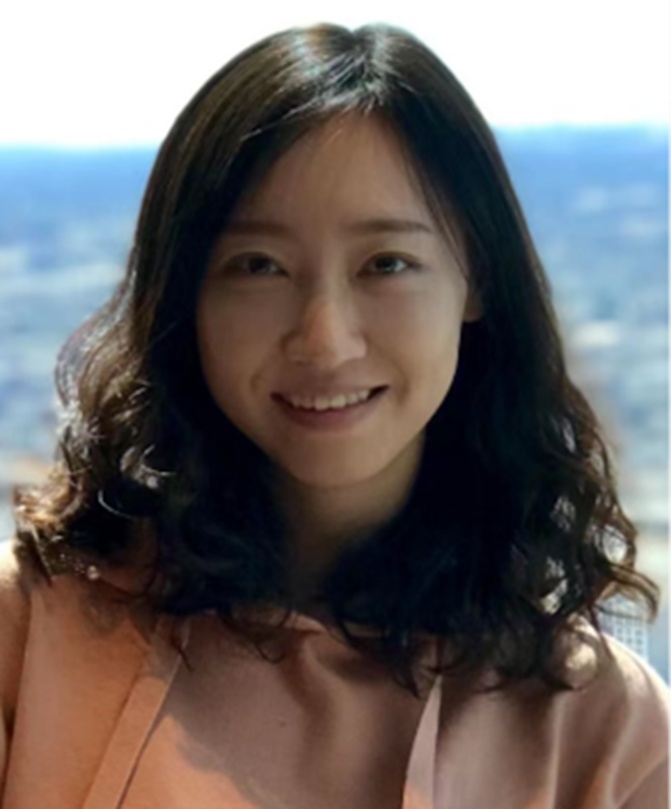
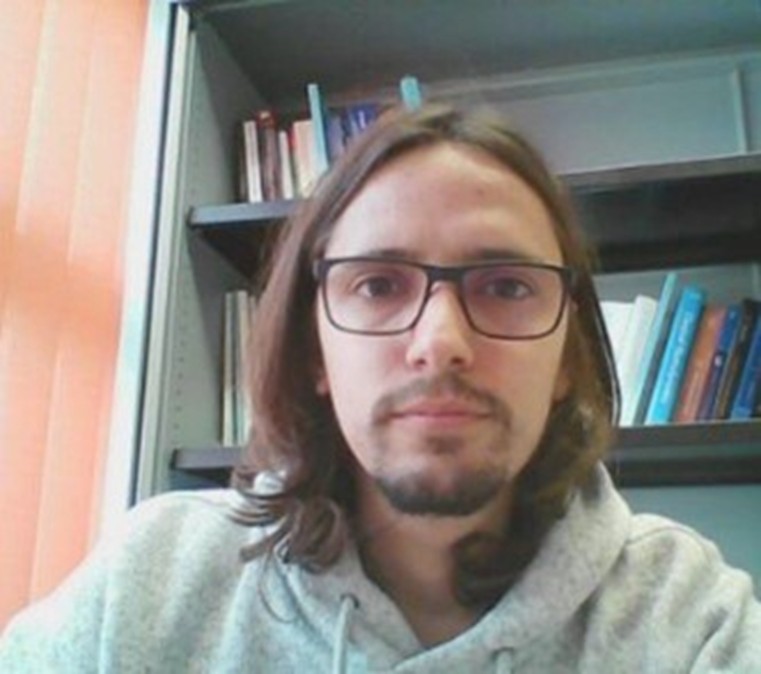
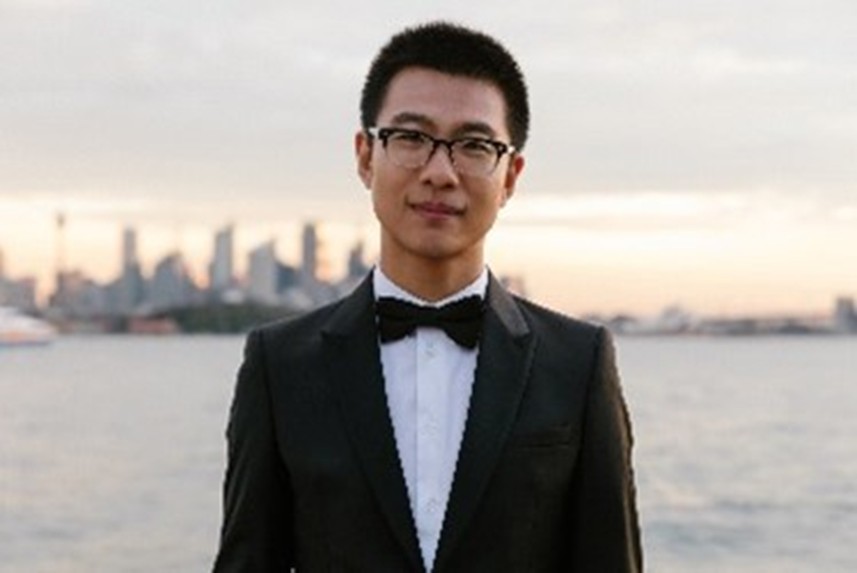
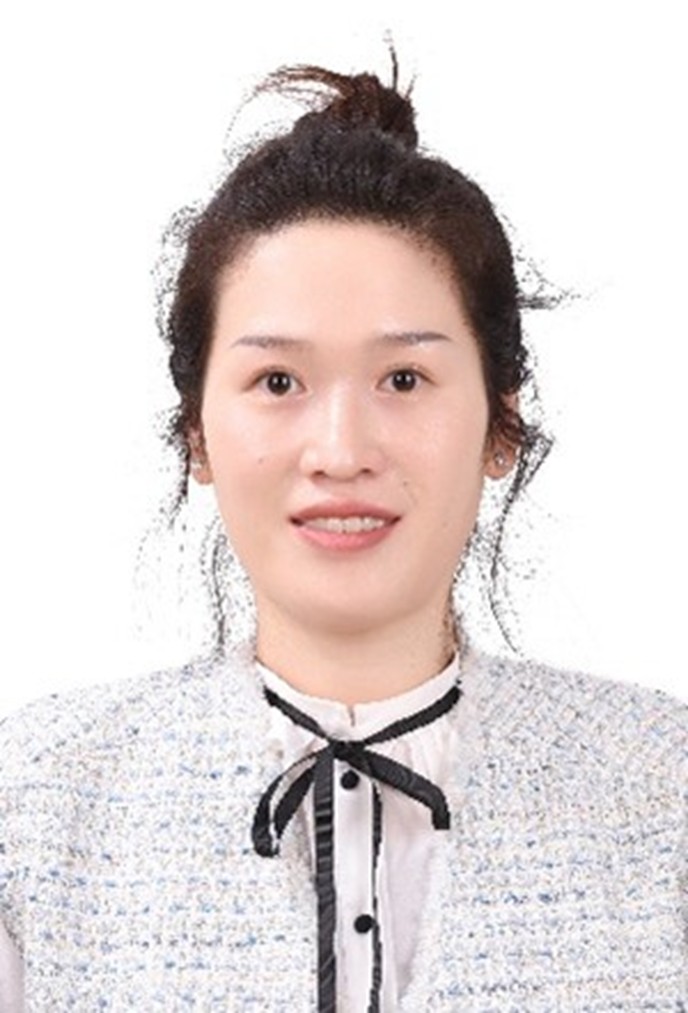
Audition of the shortlisted applicants will be held online on May 16-17, 2022 and will be broadcast (Join the contest: Zoom ID: 984 5752 5658, Code: 682401; Watch broadcast: https://www.koushare.com/topicIndex/i/MREYsa). Each applicant will present their work for 15 minutes and will have a 5-minute Q&A session. For the complete schedule of the presentations click here. After the presentations the jury will decide about the final three winners!
The award ceremony will be held on the 5th International Conference on Matter and Radiation at Extremes (ICMRE2022) on June 7 (https://www.koushare.com/topicIndex/i/ICmrexc ). For more info on ICMRE, please visit http://icmre2022.mre.org.cn.
MRE Young Scientist Award 2022
“The 5th International Conference on Matter and Radiation at Extremes (ICMRE2022) will be held on June 2022.”
In 2022, Matter and Radiation at Extremes (MRE) will organize the 3rd MRE Young Scientist Award (YSA) event of oral presentations, and the prize presentation will be held in ICMRE 2022.
The MRE YSA award, first launched by the journal MRE in 2019, aims to stimulate young scholars worldwide to deliver their important, original and innovative achievements in the fields of science and technology on matter and radiation at extremes.
The MRE Young Scientist Award winner receives
- A trophy and a certificate;
- Cash prize of RMB 10,000 (after individual income tax in China);
- A formal invitation to publish on MRE.
Eligibility Criteria
- The applicant should be younger than 35 years on Jan. 1, 2022;
- The applicant should be the presenting author (first or corresponding author) of original research which has not been published and is not under consideration for publication elsewhere.
- The topic of the research work should be within the scope of MRE.
Application process
The applicant must complete the personal information form and submit an extended informative abstract on the original research (2000-3000 words, including representative figures and references) in DOC (DOCX) or PDF format to mreeo@aip.org with subject line “MRE Young Scientist Award”.
Submission deadline: March 31, 2022.
Selecting process
All valid submissions will be evaluated by the jury and the shortlisted candidates will be announced no later than April 20, 2022. The candidates will be invited to present their work via oral presentations on May 16-17, 2022. The award winners will be selected by the jury and invited to take part in the prize presentation in ICMRE2022.
2021 MRE Young Scientist Award Winners!
YSA jury members strongly appreciated the presentations from all 9 remaining candidates at second round auditions. Deciding the final winners was a tough task as all the speakers had made excellent presentations showing highly mature skills and excellency in their recent work. The winners of the 2021 MRE Young Scientist Award (YSA) are Yueyue Chen, Archie Bott and Qingyang Hu, who represent the research topics of Fundamental Physics at Extreme Light, Inertial Confinement Fusion Physics/Radiation and Hydrodynamics, and High Pressure Physics and Materials Science respectively.
|
|
|
Yueyue Chen Affiliation:Shanghai Normal University Title:Photon polarization effects on pair production in strong laser field | Archie Bott Affiliation:Princeton University Title:The role of seed magnetic fields in a turbulent laser-plasma dynamo | Qingyang Hu Affiliation:Center for High Pressure Science and Technology Advanced Research (HPSTAR) Title: Dancing Hydrogen under Extremes |

To express appreciation to all the participants of MRE YSA, MRE has set up a special webinar for the YSA ceremony, which will be opened at 21:00 Beijing time (9:00 AM EDT, 1 PM GMT, 3 PM Paris), July 12 via the following public zoom link:
https://ukri.zoom.us/j/91653956506
We welcome you to join us in the MRE YSA ceremony!
Shortlist of MRE 2021 Young Scientist Award
Since Matter and Radiation at Extremes (MRE) announced its 2021 Young Scientist Award (YSA) in January, it has received extensive attention and dozens of experts and scholars around the world have participated in the process. As of the application deadline, April 30, 2021, the organizing committee has received 34 valid applications from 7 countries. The committee has carefully evaluated the applications by considering the academic importance of the work and its originality, innovation, scientific merits and broader impacts as well as the extended CV of the applicants. As a result, the following nine young scholars have been short listed to present their work at the next jury meeting.
Name | Affiliation | Title of the application |
Chaojie Zhang | University of California, Los | Measurements of Weibel instability in optical-field ionized plasmas |
Yueyue Chen | Shanghai Normal University | Photon polarization effects on pair production in strong laser field |
Weipeng Yao | LULI - CNRS, CEA, UPMC Univ Paris 06 | Detailed characterization of laboratory magnetized super-critical collisionless shock and of the associated proton energization |
Archie Bott | University of Oxford | The role of seed magnetic fields in a turbulent laser-plasma dynamo |
Luca Antonelli | University of York | High resolution X-ray phase-contrast imaging of strong shock-waves on kJ laser scale |
Kevin Glize | Shanghai Jiao Tong University | Observation of the importance of stimulated Raman side-scattering on direct-drive inertial confinement fusion experiments |
Xiao Dong | Nankai University | Stability of hydrous silicate at megabar pressure and its effect in core-mantle segregation |
Qingyang Hu | HPSTAR (Center for High Pressure | Tracing the anharmonicity and superionic phase transition of FeOOH with nuclear magnetic resonance spectroscopy |
Takayuki Ishii | HPSTAR (Center for High Pressure | A non-linear post-garnet boundary determined by advanced multi-anvil and in-situ X-ray observation technologies and its multiple consequences for mantle dynamics |
Audition of the shortlisted applicants will be held online on June 7-8, 2021 and will be broadcast here. Each applicant will present their work for 15 minutes and will have a 5-minute Q&A session. For the complete schedule of the presentations click here. After the presentations the jury will decide about the final three winners!
2019 MRE Young Scientist Award Winners!
Matter and Radiation at Extremes initiated MRE Young Scientist Award in 2019 to recognize the outstanding early-career scientists to deliver their important, original and innovative achievements in the field of science and technology on matter and radiation at extreme conditions.
The shortlisted contestants were giving oral presentations in the Young Scientist Award Session in the 4th International Conference on Matter and Radiation at Extremes (ICMRE2019) in Hefei, China, on May 30th, 2019. Three contestants stood out and won the award. Their names were announced in the banquet of ICMRE2019 on May 31st, 2019. Please see the full list below. Congratulations to the winners!
Cheng Ji
Center for High Pressure Science and Technology Advanced Research, China
Synchrotron X-ray diffraction of solid hydrogen at ultrahigh pressures
Hanyu Liu
Jilin University, China
A New Route to Room Temperature Ternary Superconductors via Electron-doped Binary Hydrides under High Pressure
Qiang Xu
Institute of Fluid Physics, CAEP, China
X-ray radiation characteristic in magnetically driven plasma jet experiment