Yongjiang Xu,
Peiyan Wu,
Sheng Shang,
Xue Wang,
Taihang Li,
Shuchang Gao,
Shijie Lv,
Hang Cheng,
Qianzhi Xu,
Shang Lei,
Jiajia Feng,
Lei Zhao,
Wim van Westrenen,
Takayuki Ishii,
Bin Chen,
Lei Su,
Yang Ding,
Wenge Yang,
Ho-Kwang Mao,
Yanhao Lin
2026, 11(1)
doi: 10.1063/5.0289378
Abstract:
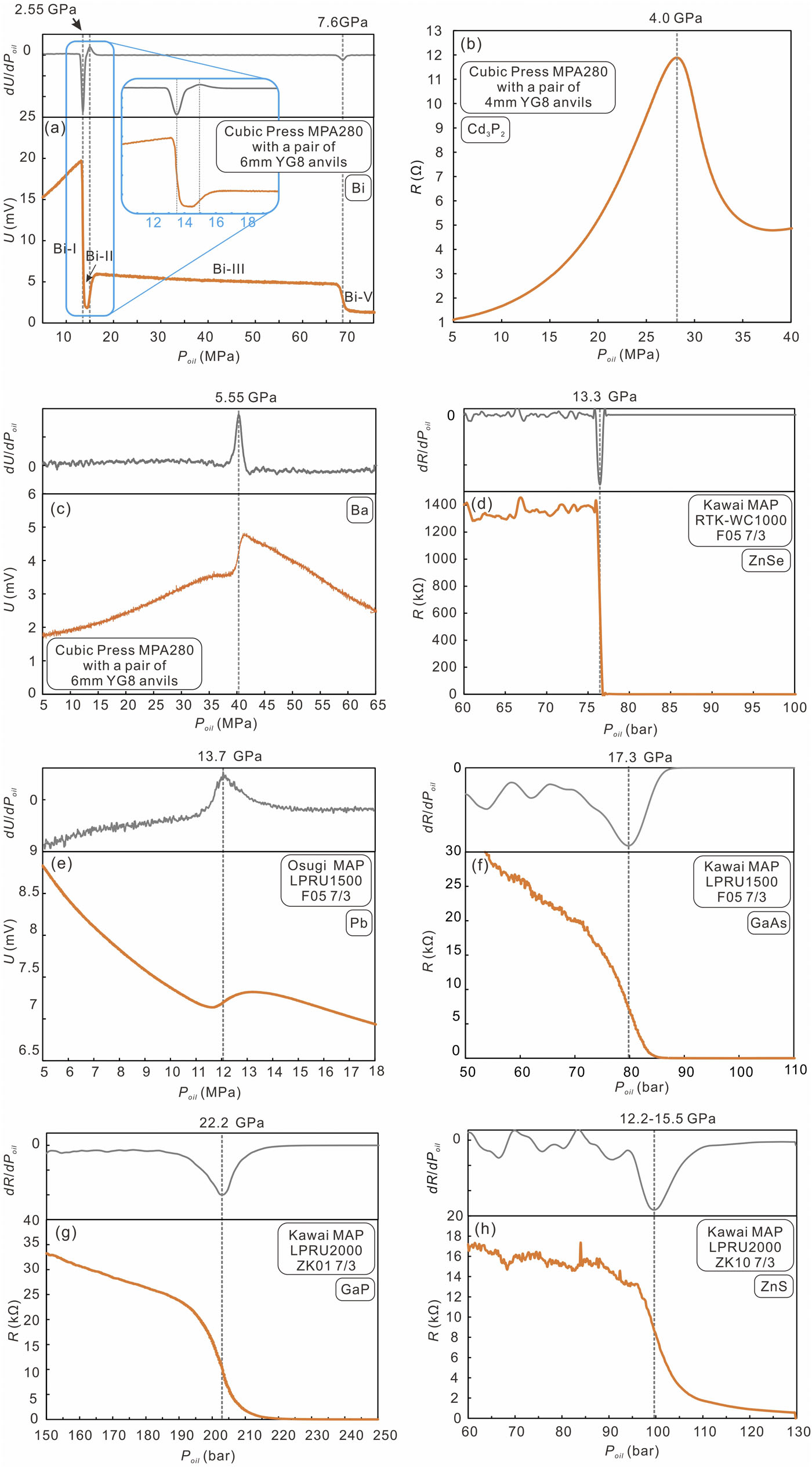
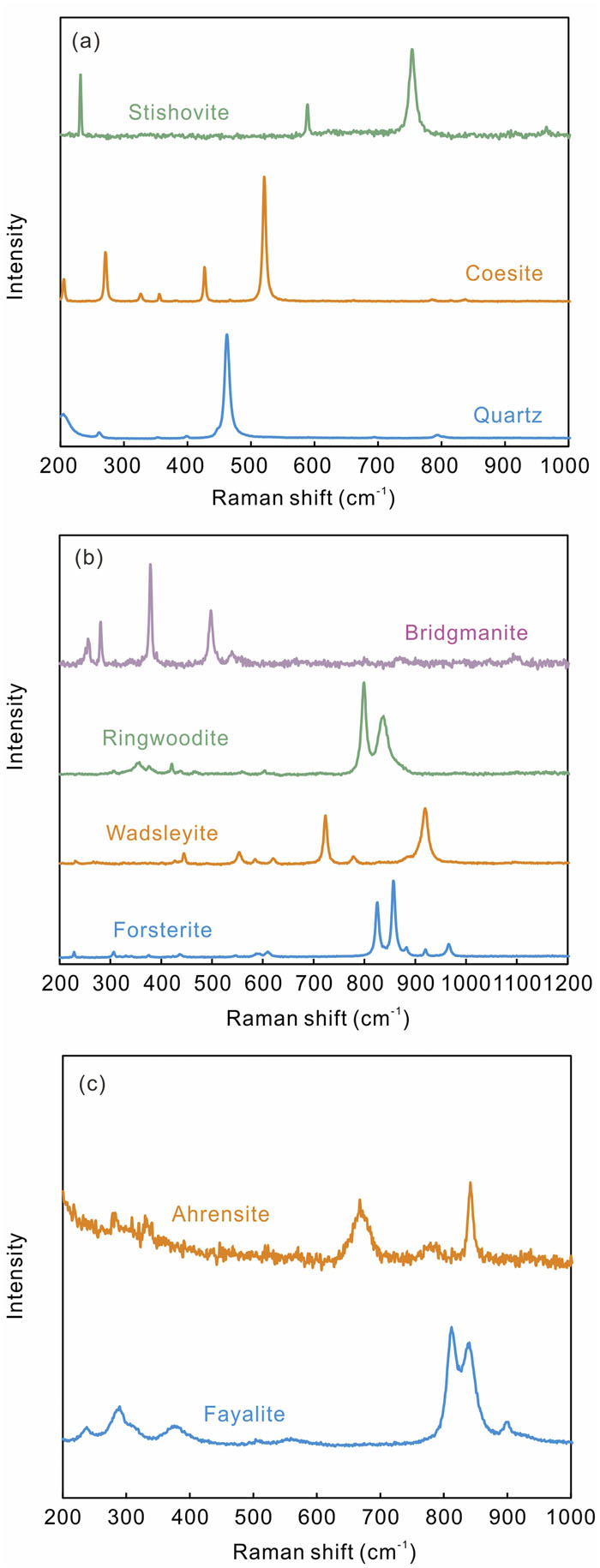
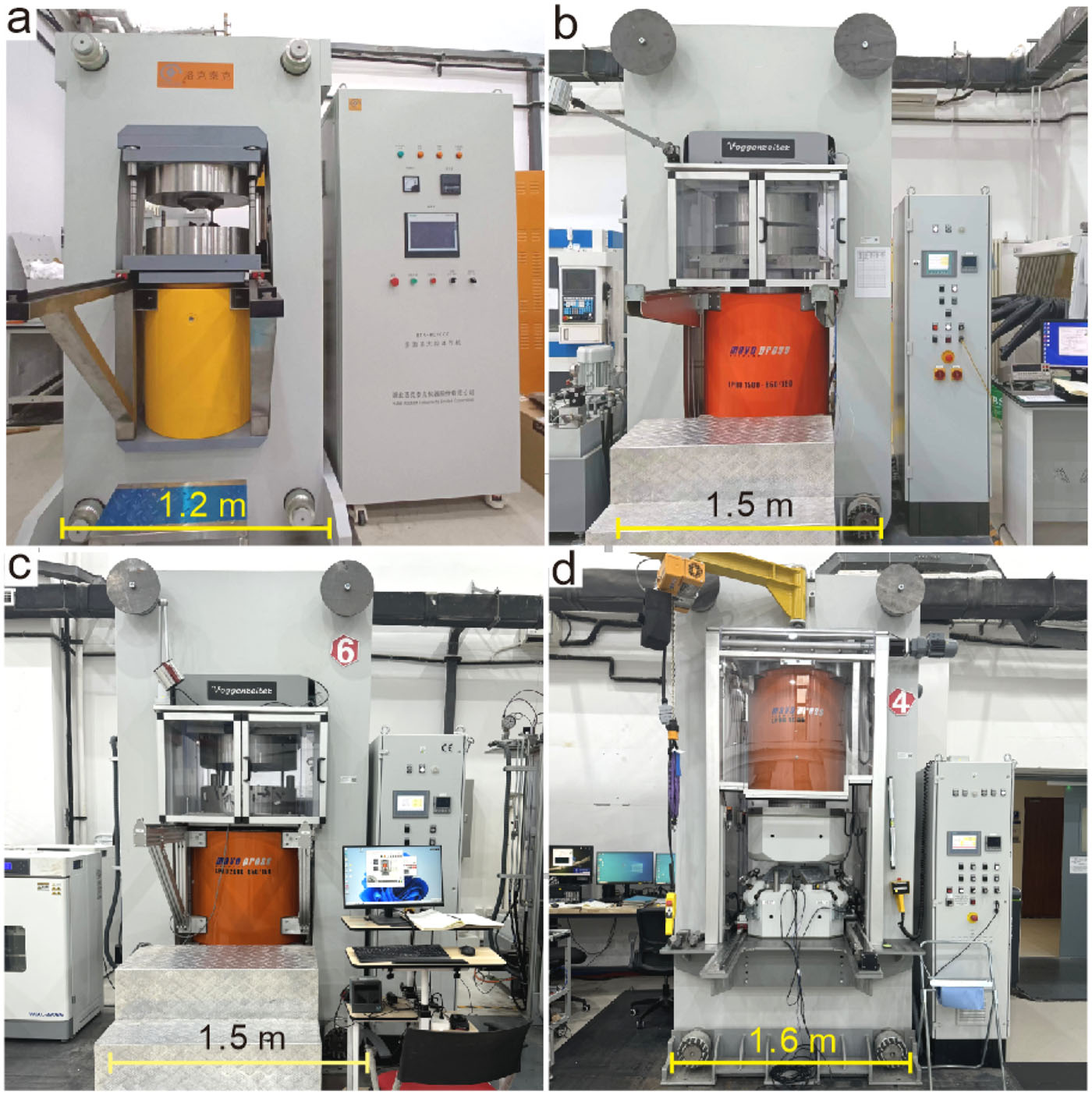
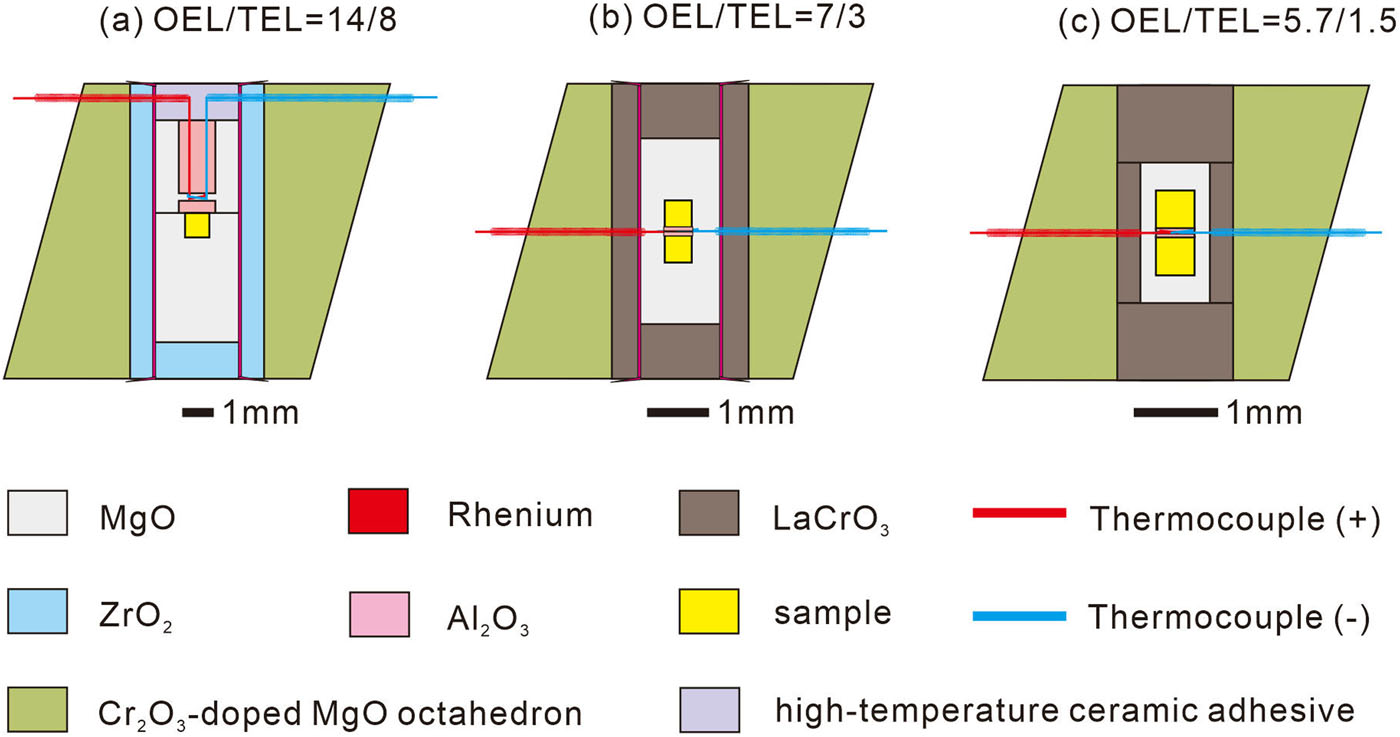
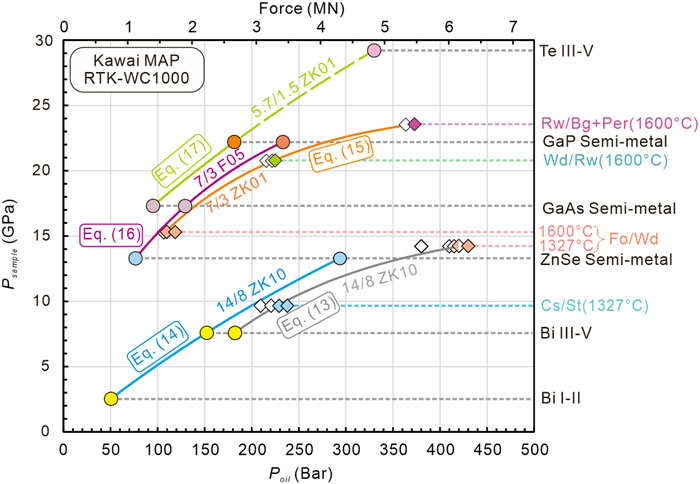
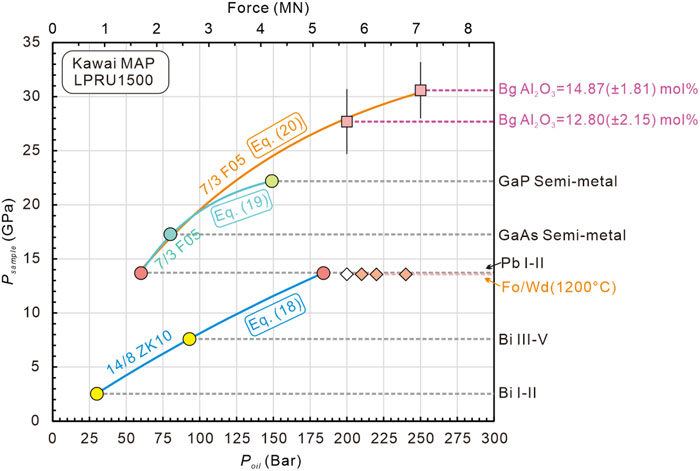
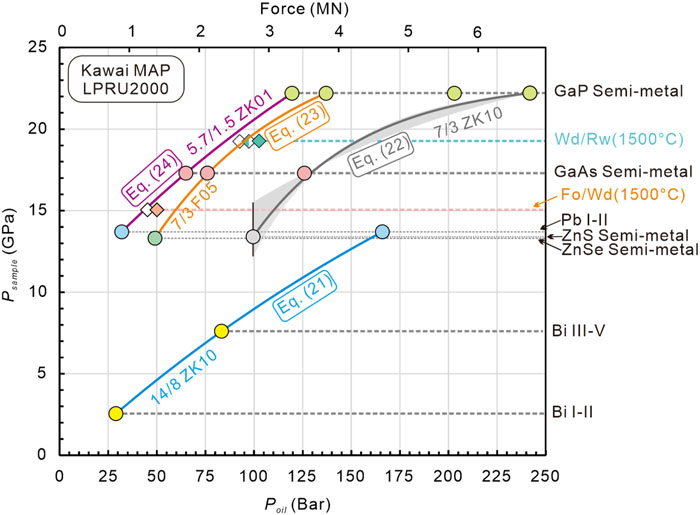
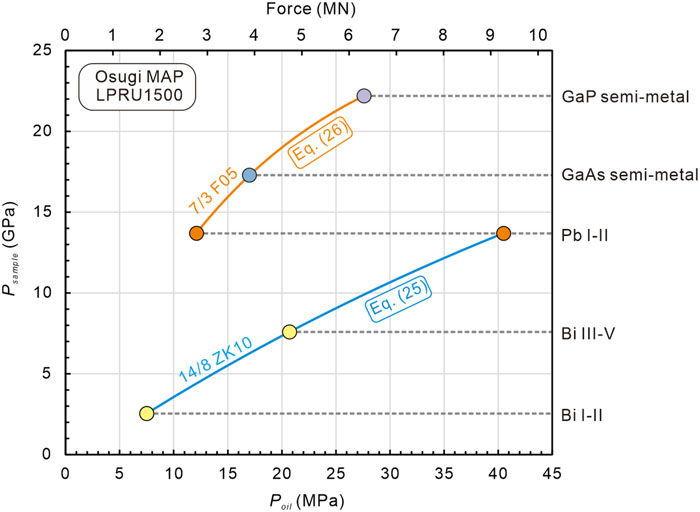
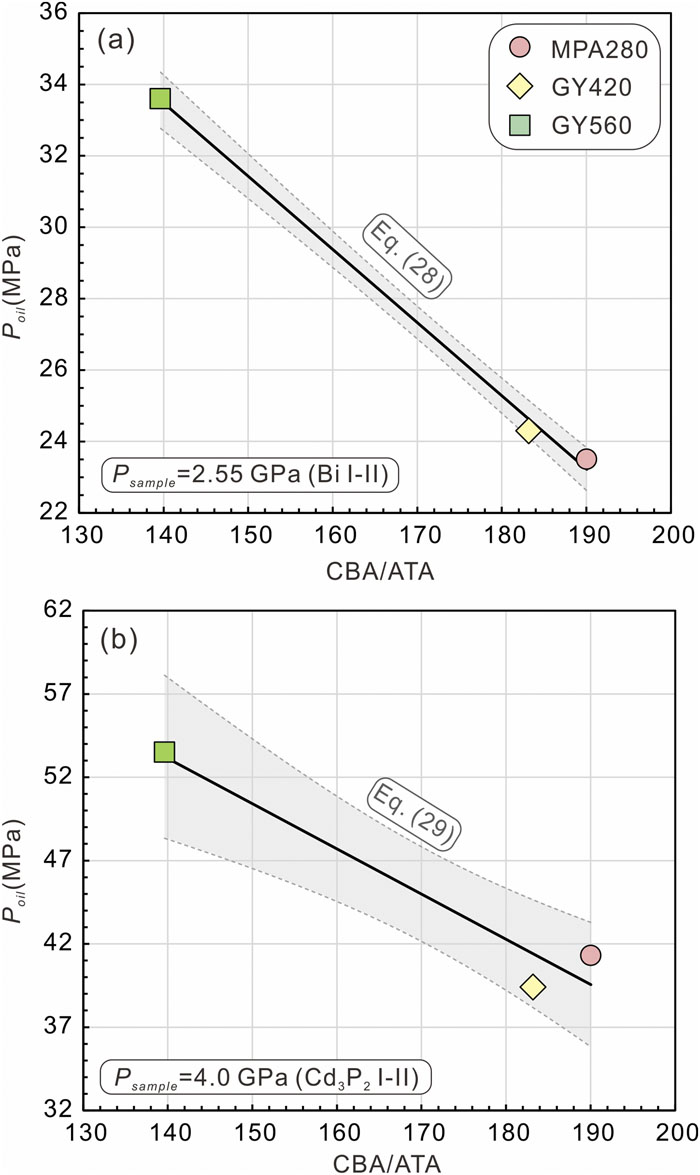
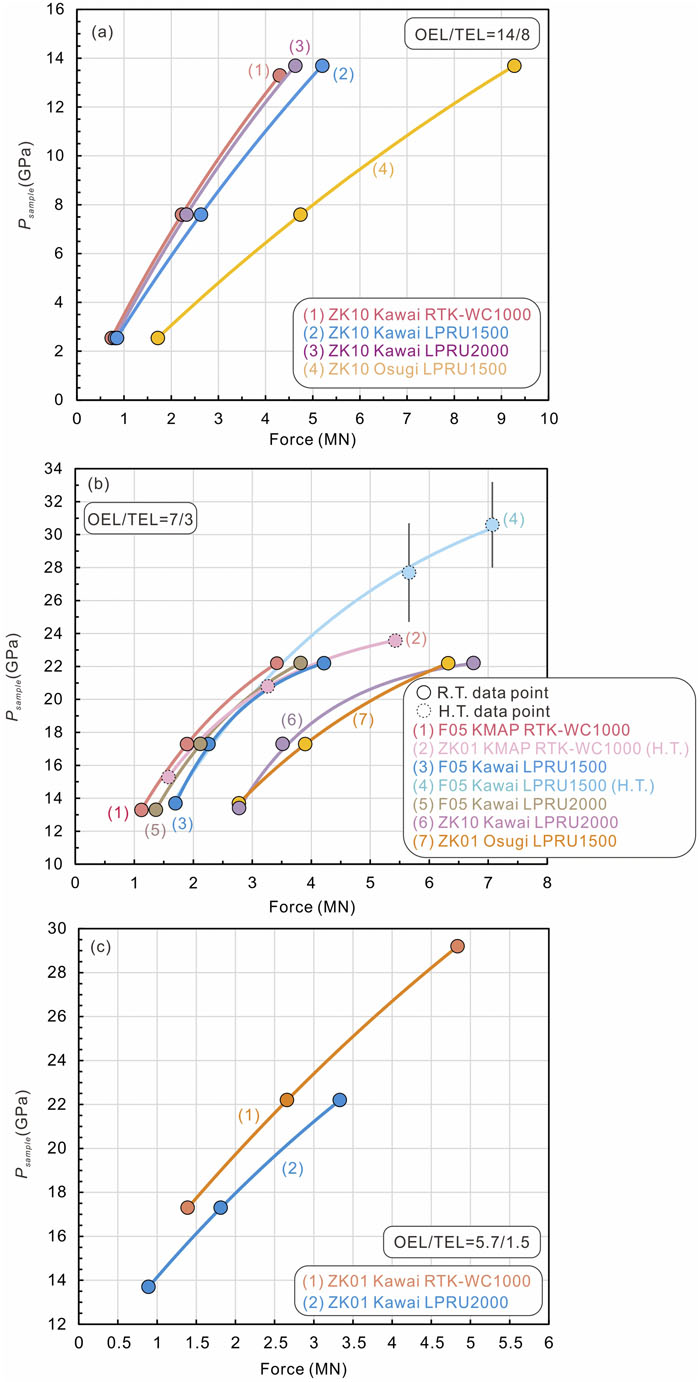
Large-volume presses (LVPs) are widely utilized in diverse research fields—including high-pressure physics, chemistry, materials science, and Earth and planetary sciences—to investigate the physical and chemical properties of materials under extreme high-pressure and high-temperature conditions. A prerequisite for achieving reproducible property measurements is the determination and control of pressure within experimental setups. However, the lack of precise pressure calibration in LVPs hinders the broader application of such devices in ultrahigh-pressure studies. This study employs a suite of standard phase transition-based pressure markers—comprising metallic conductors, semiconductors, and minerals—through both in situ and ex situ identification approaches, to establish pressure calibration curves ranging from 0.4 to >30 GPa for various types of LVP installed at the Center for High Pressure Science and Technology Advanced Research (HPSTAR), Beijing, including piston–cylinder, cubic, and multi-anvil presses. The results provide a unified and traceable pressure reference for high-pressure experiments conducted at HPSTAR, while also offering technical guidance and calibration standards for other researchers utilizing similar LVP systems, thereby enabling more consistent comparison between different laboratories. This work facilitates the advancement of LVP research toward broader applications in higher-pressure regimes.