Follow us on Wechat

Current Issue

2026 Vol. 11, No. 3

REVIEWS
High Pressure Physics and Materials Science
Hexagonal diamond formation mechanism: A review
Yu Tao, Zhu Shengcai
2026, 11(3) doi: 10.1063/5.0310909
Abstract:
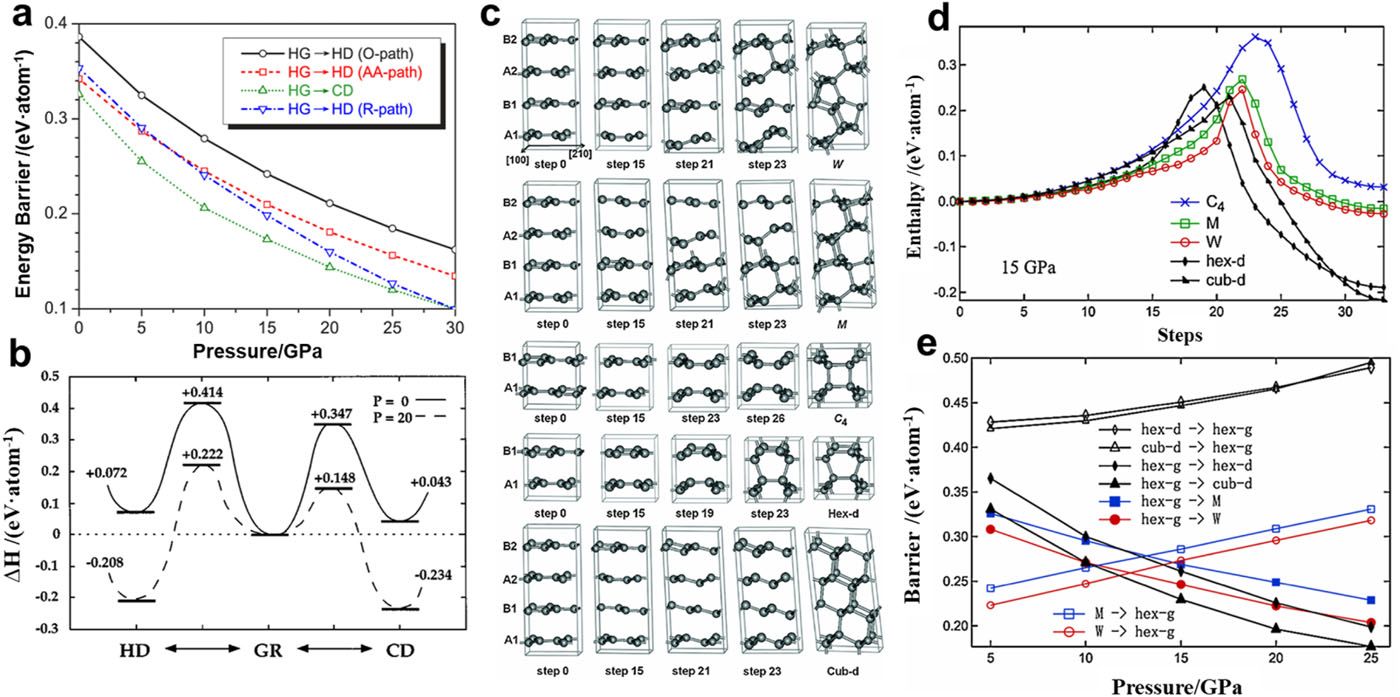
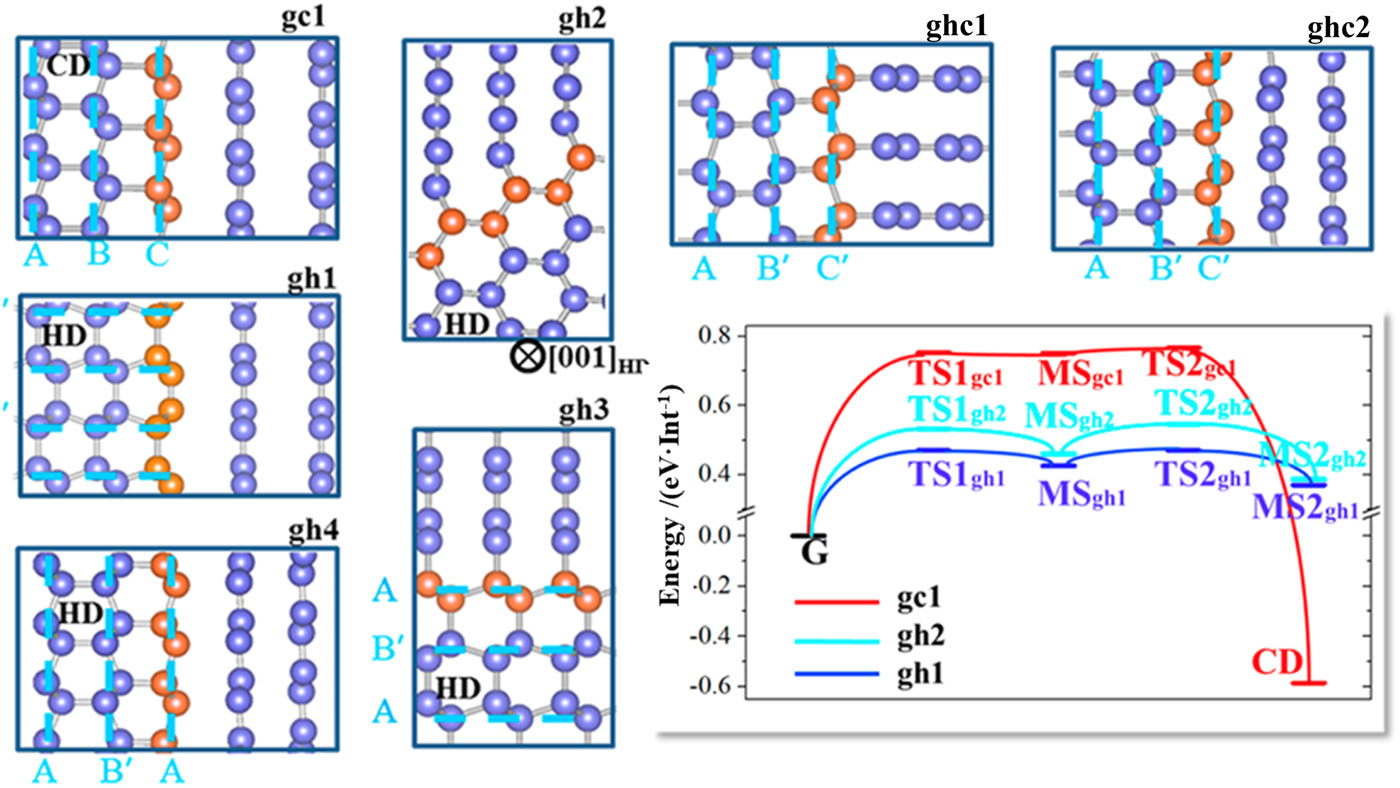
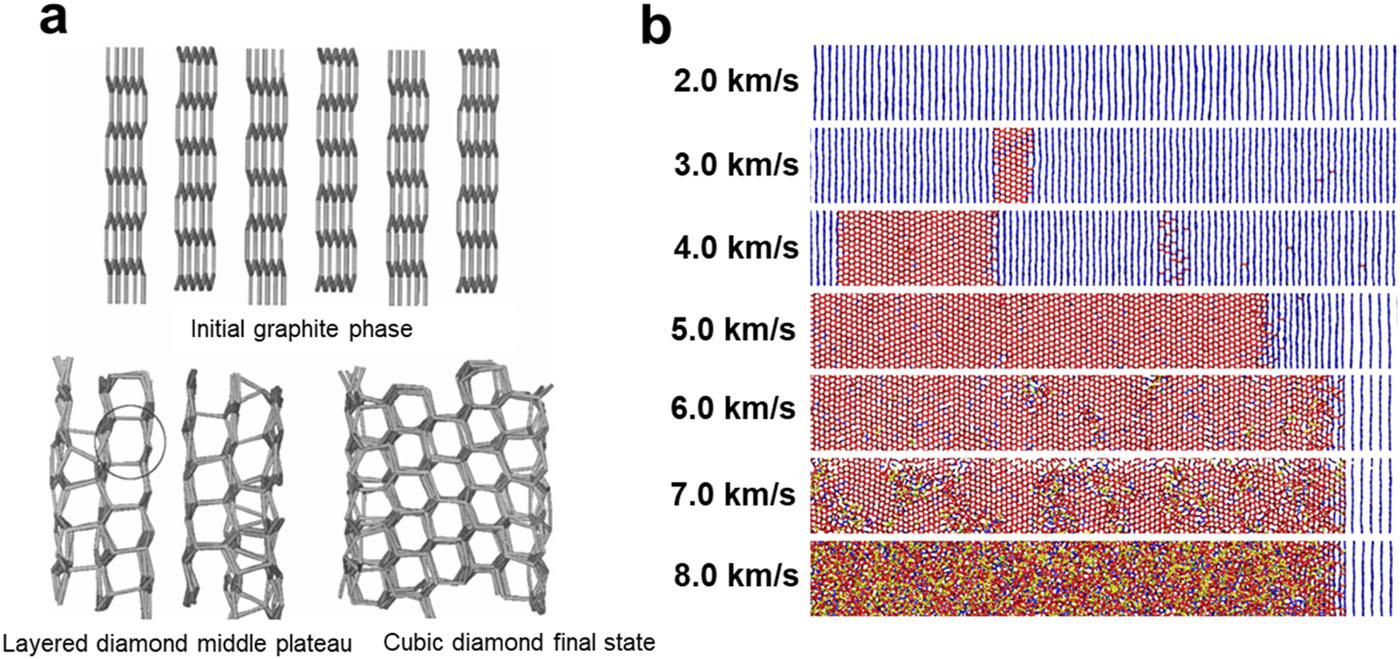
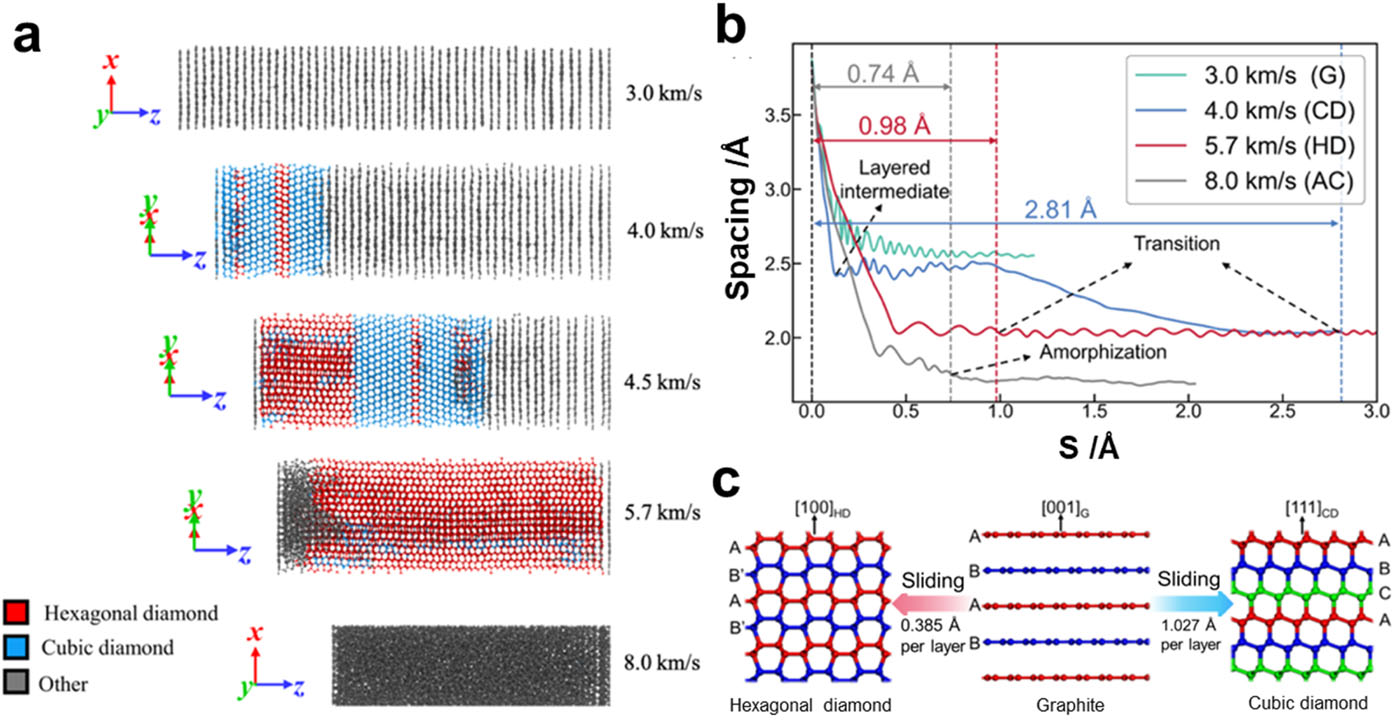
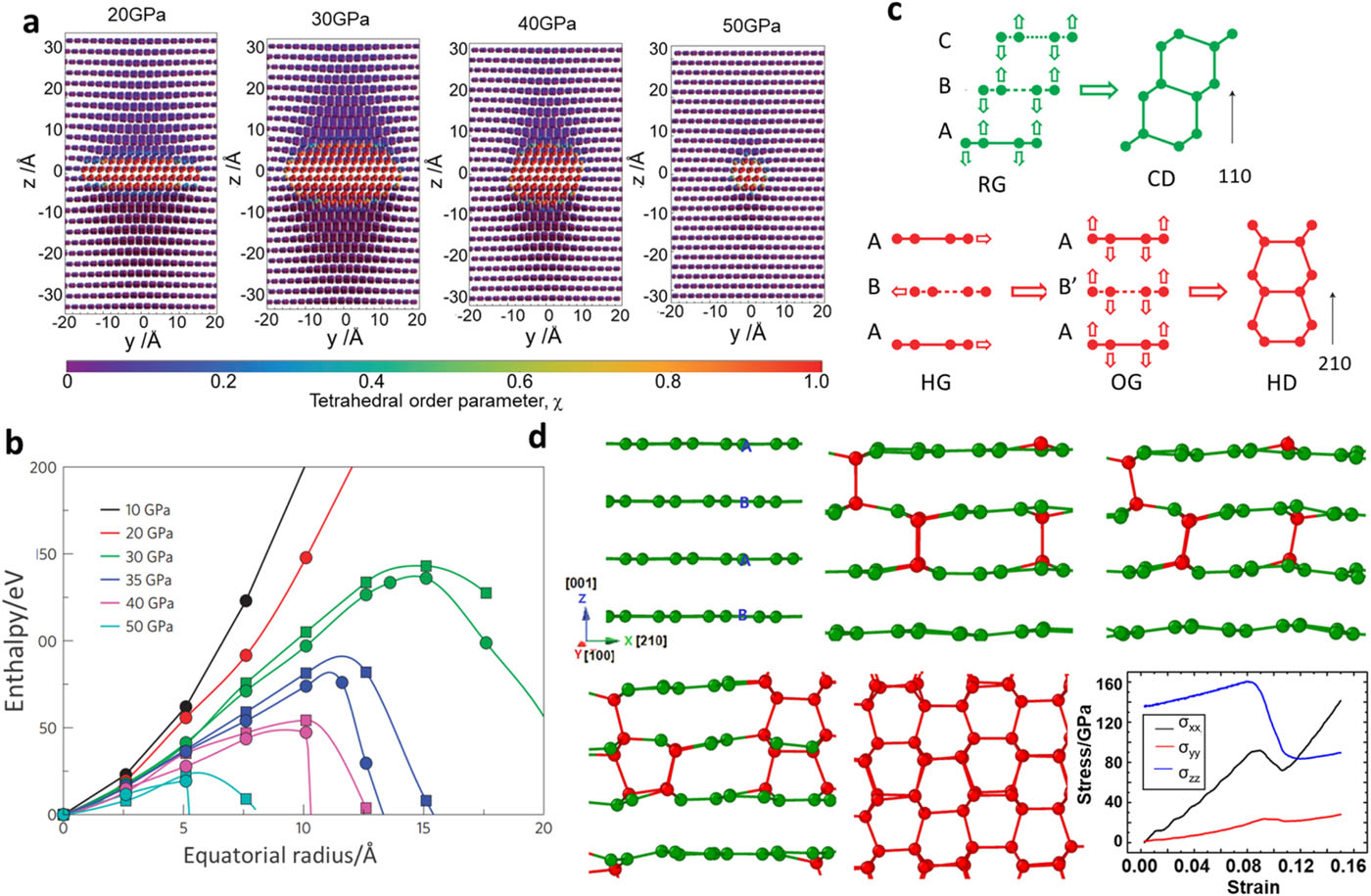
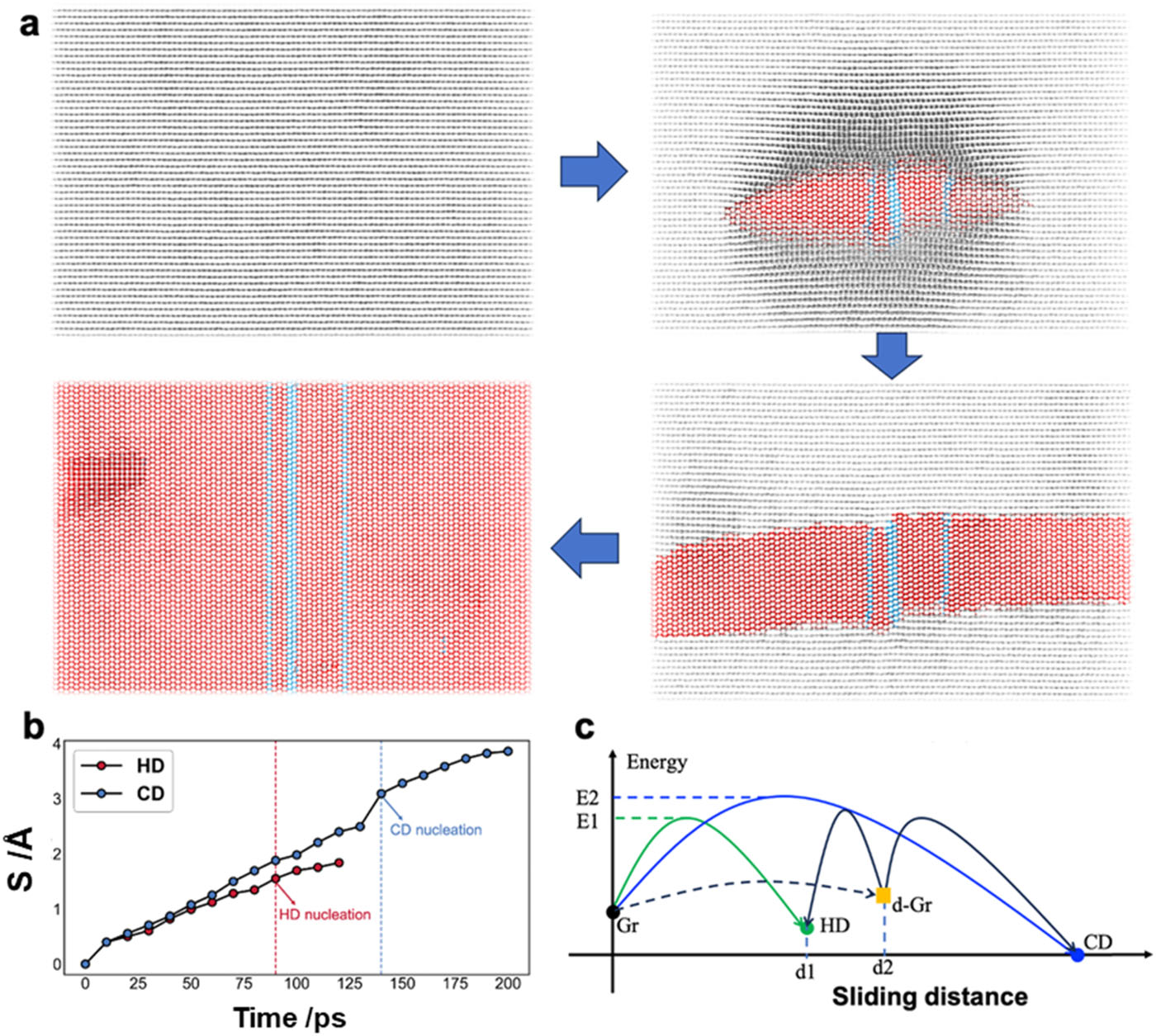
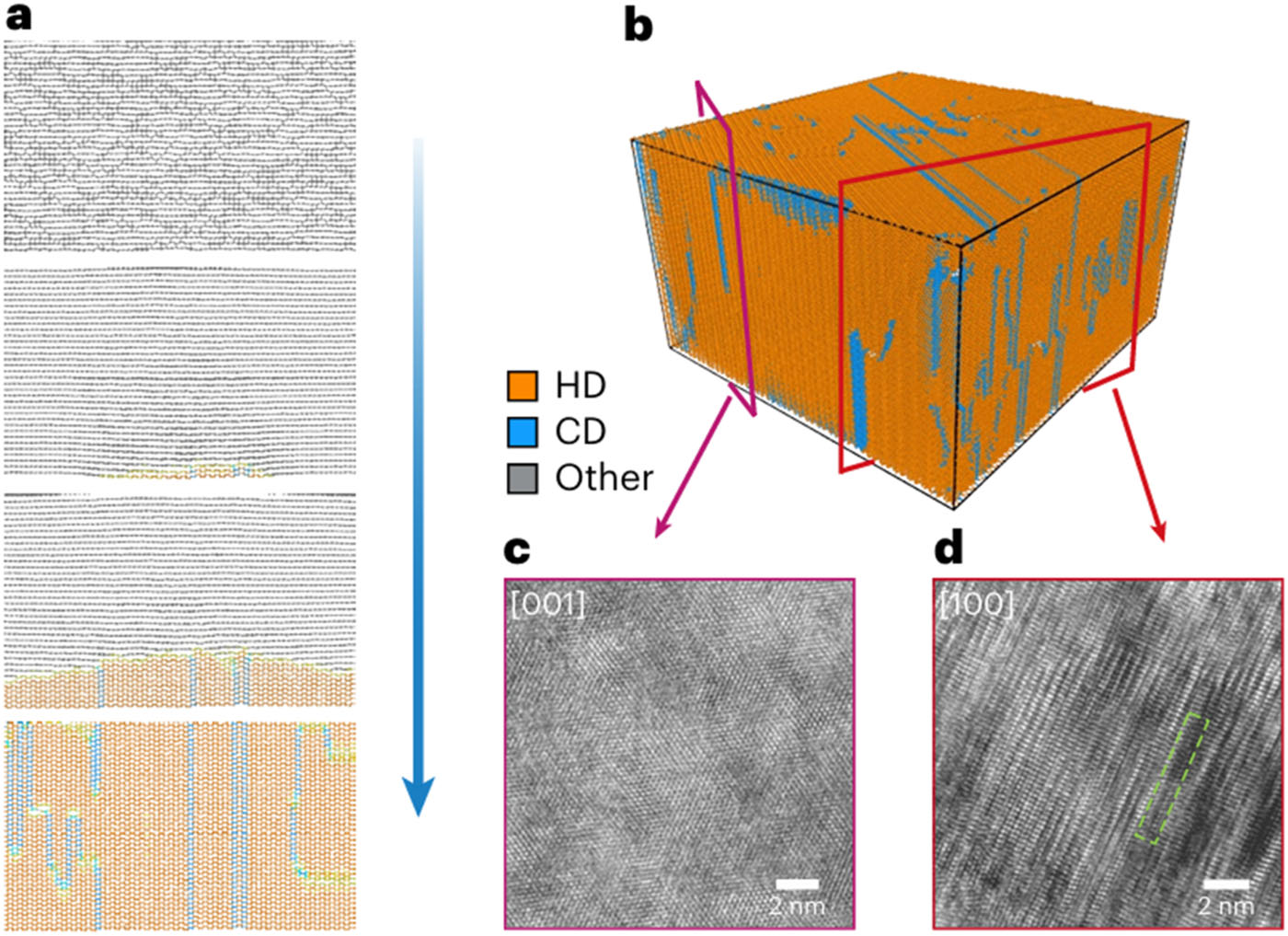
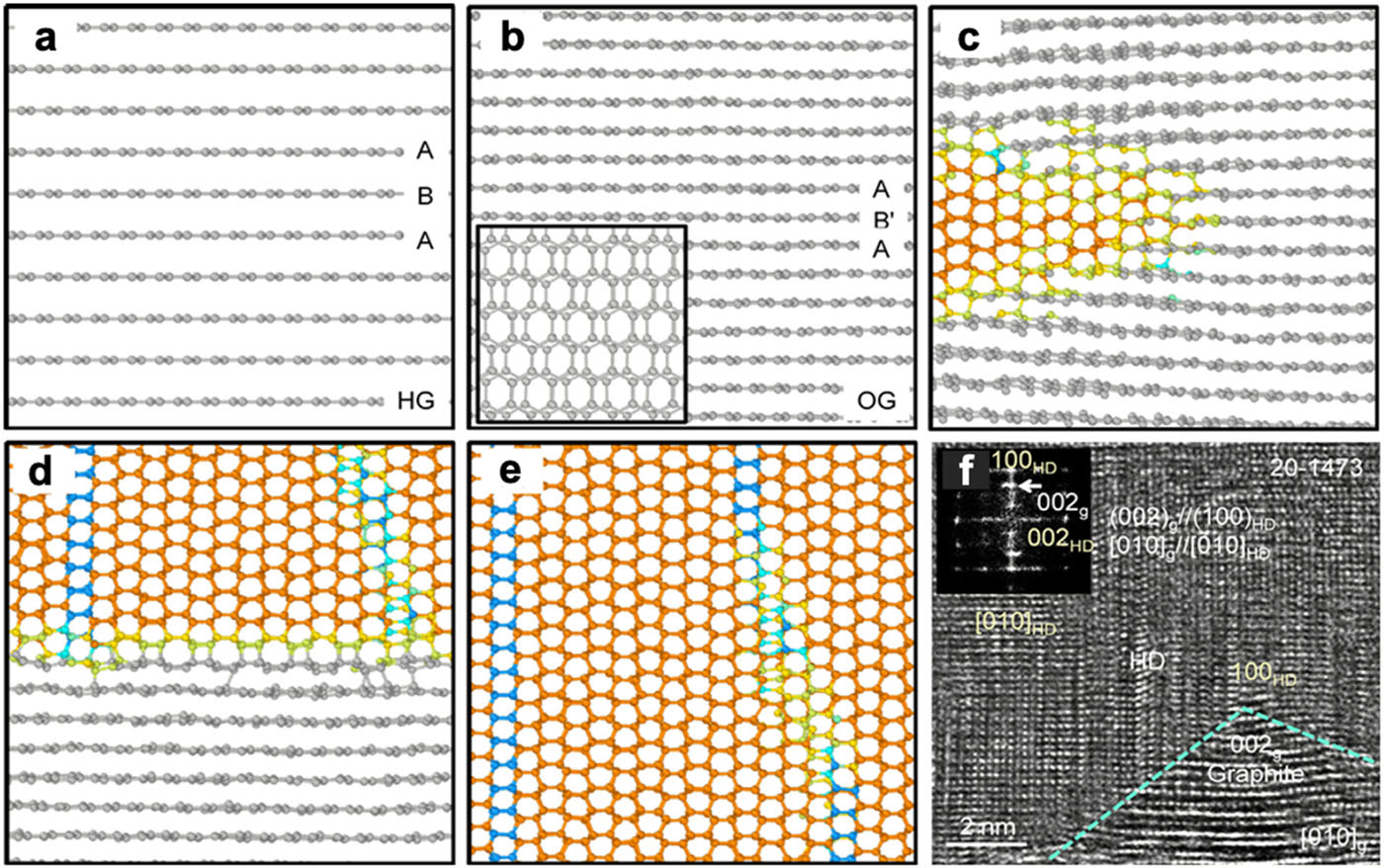
As a metastable carbon allotrope, hexagonal diamond (HD) exhibits potentially superior mechanical properties to cubic diamond (CD). However, its synthesis faces significant thermodynamic and kinetic challenges. This review summarizes the critical role of computational simulations in the synthesis of HD, covering both static calculations and molecular dynamics (MD) simulations. Static calculations reveal that graphite tends to transform into CD under interface-free conditions, whereas the presence of an interface results in a lower energy barrier for the HD phase transition. With regard to MD simulations, while early shock compression simulations failed to observe HD formation, recent studies based on neural network potentials have confirmed a shock-velocity-dependent transformation pathway and have successfully obtained HD, consistent with in situ experimental results. Hydrostatic pressure simulations emphasize the importance of controlling interlayer sliding, demonstrating that strategies such as quasi-uniaxial compression can promote the preferential formation of HD. In the future, the integration of high-precision simulations with experimental approaches is expected to enable the controllable synthesis of HD, thereby advancing its applications in ultrahard materials, power electronics, aerospace, and other fields.
RESEARCH ARTICLES
Fundamental Physics at Extreme Light
Two-grating compressor for sub-exawatt lasers: Optimal design for highest focal intensity
Khazanov Efim, Li Zhaoyang
2026, 11(3) doi: 10.1063/5.0293963
Abstract:
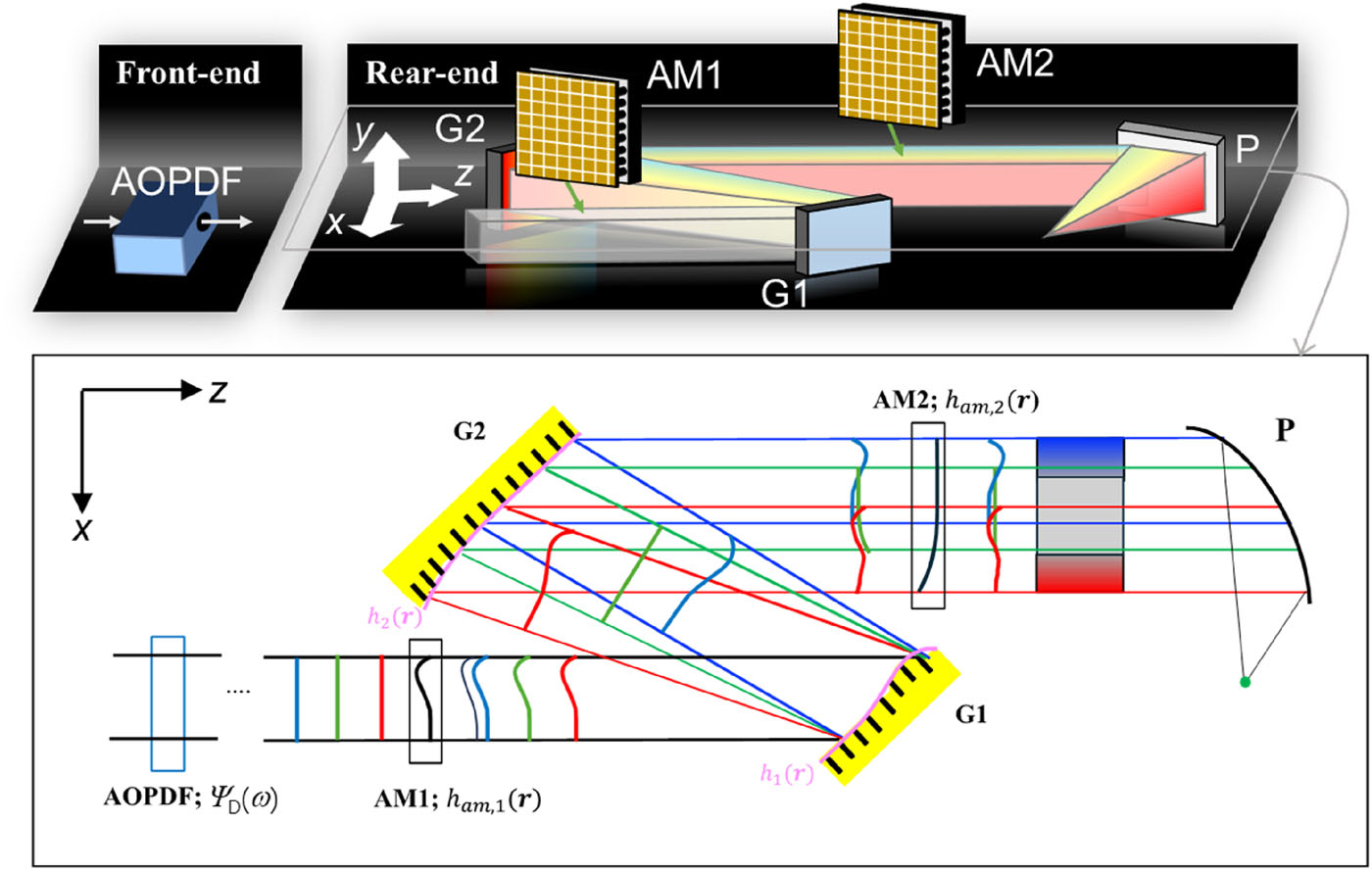
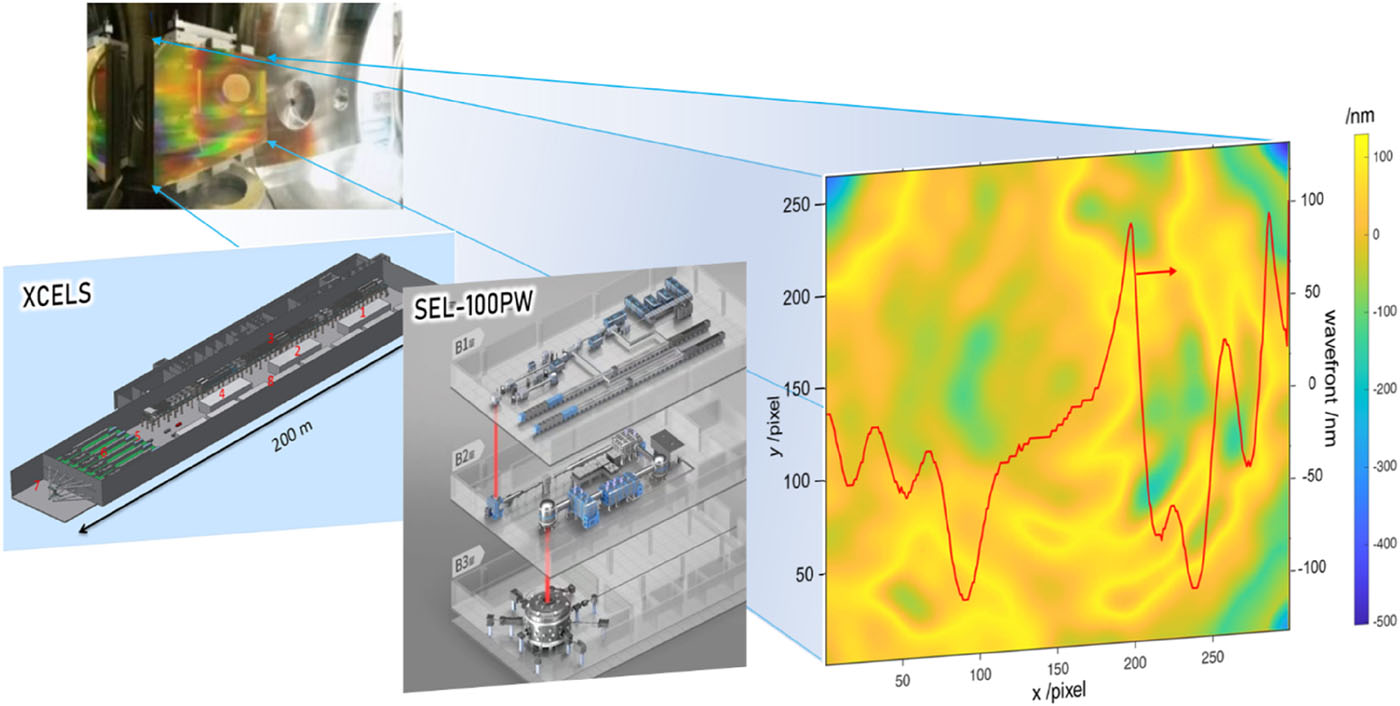
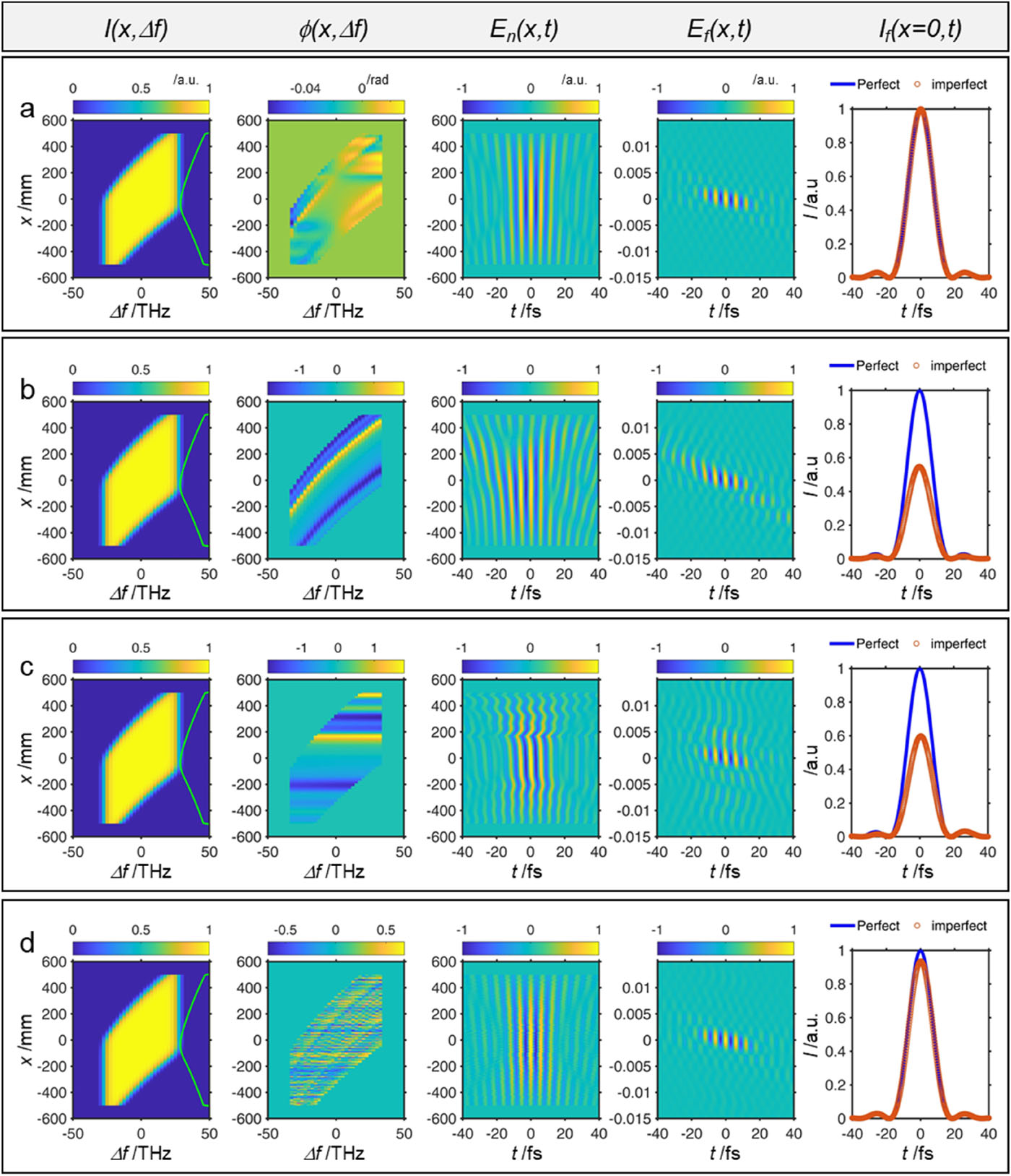
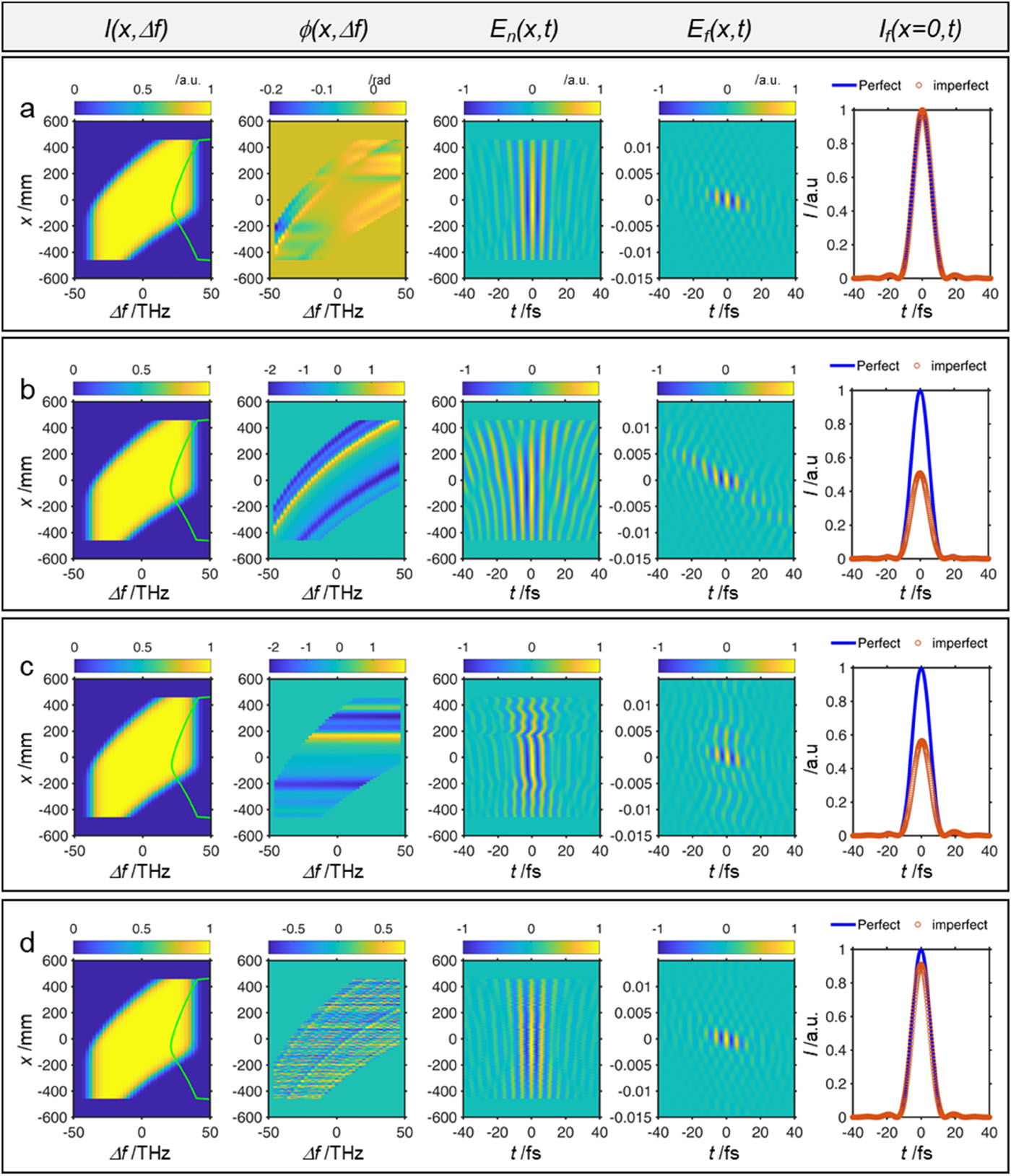
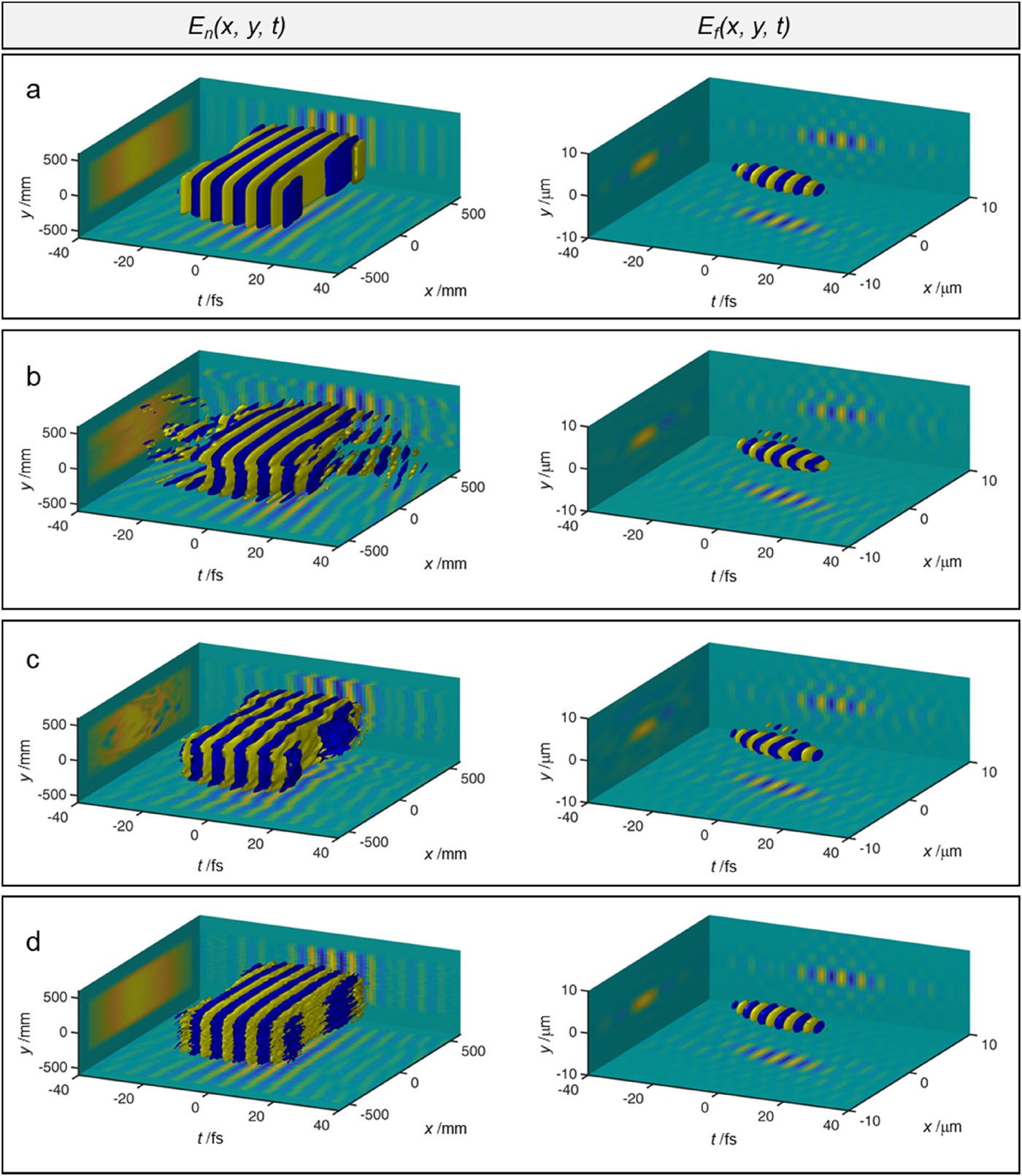
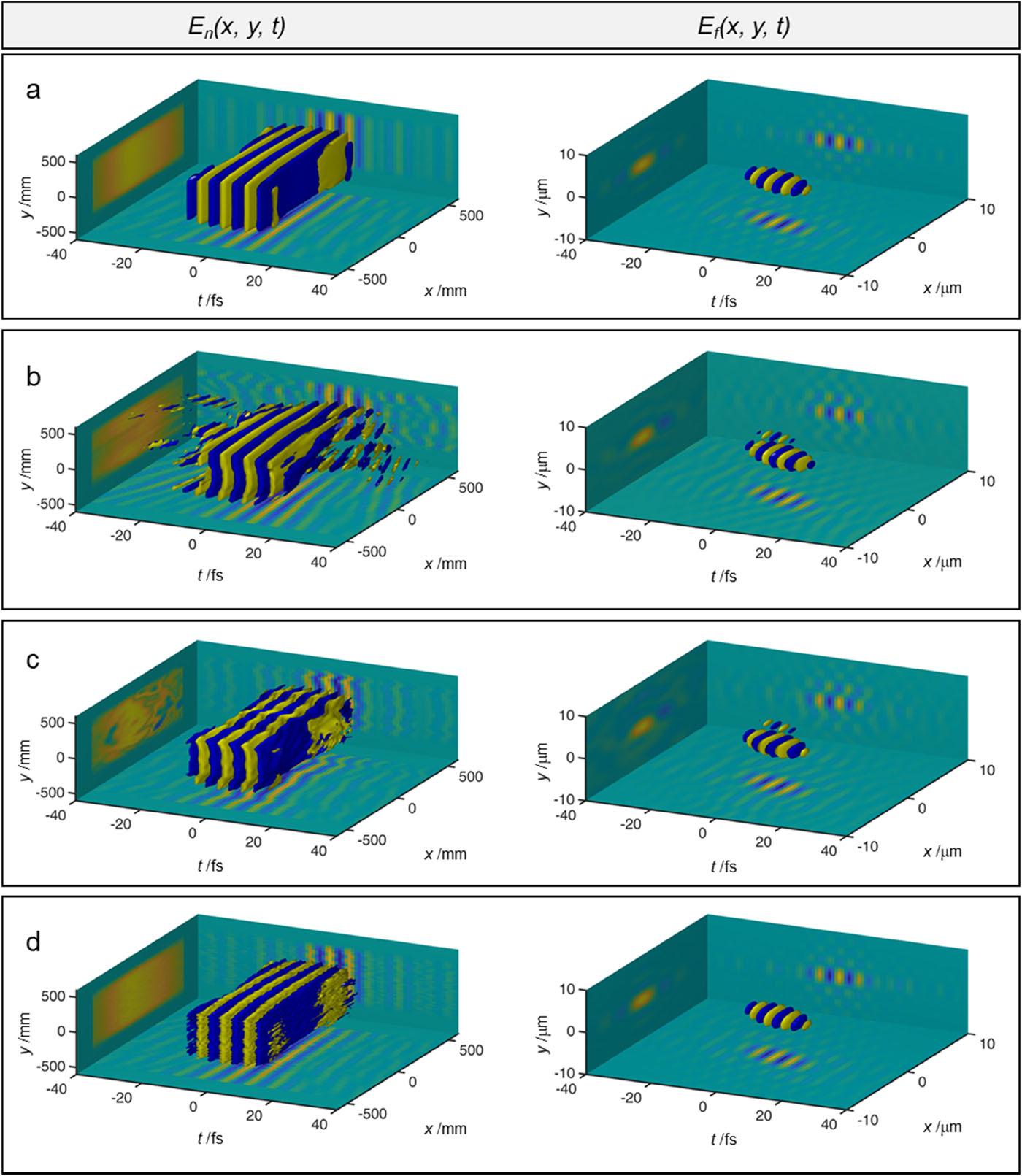
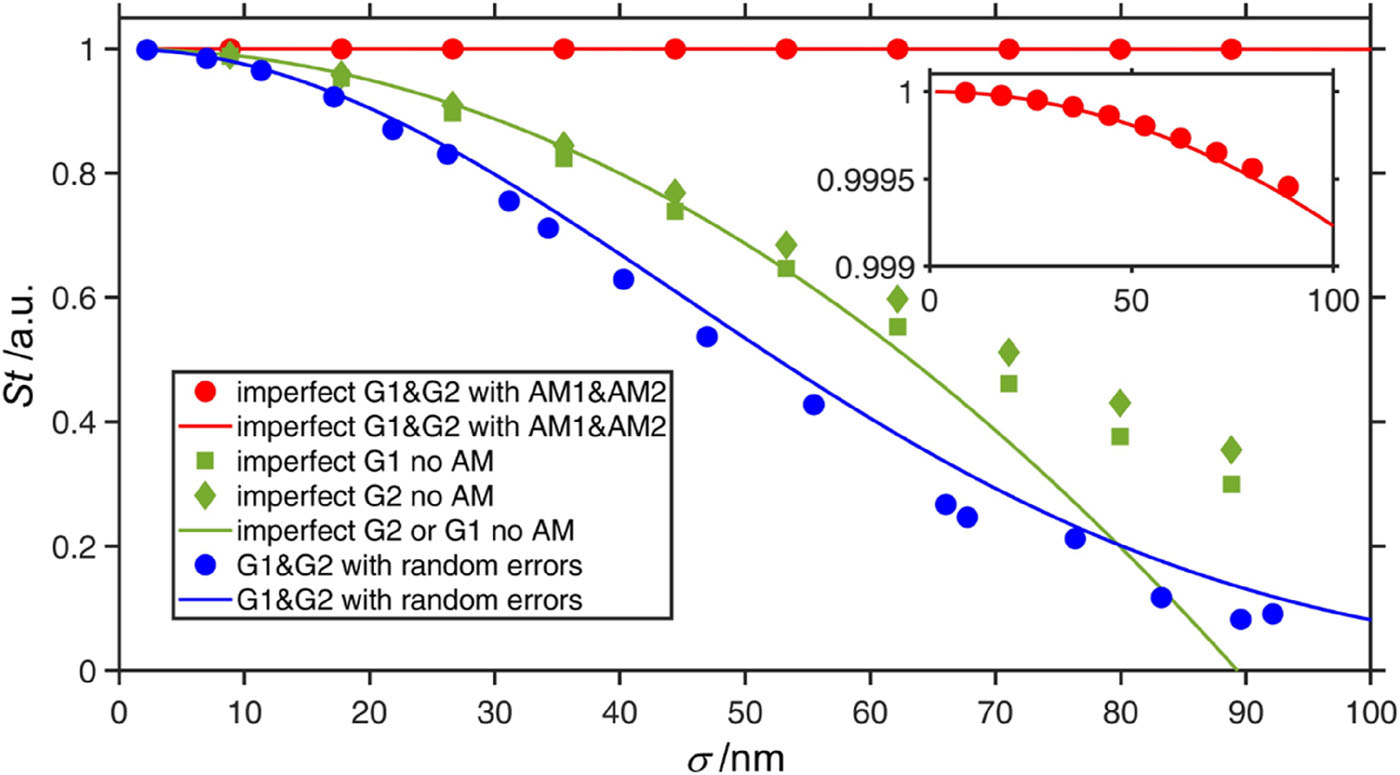
The generation of exawatt-class lasers, as well as high focal intensities, is an important goal in ultra-intense laser physics, and grating compressors are the key devices for achieving this goal. Since large-size diffraction gratings are not perfectly plane, any grating compressor inevitably introduces spatiotemporal coupling phase distortions, which reduce the focal intensity of an ultra-intense laser. In this paper, we show that the dependence of the focal intensity on the root mean square (RMS) grating surface roughness is Gaussian and that for RMS roughness below 10 nm, the focal intensity decrease is negligible, giving an RMS requirement of gratings for ultra-intense lasers. In a two-grating compressor, the impact of the large-scale part of the grating surface profiles may be negligible, because it can be completely eliminated by use of two adaptive mirrors. However, in a four-grating compressor, such elimination is almost impossible. On the basis of a complete analytical model and an improved numerical code, we study the grating compressors of two sub-exawatt laser projects (XCELS and SEL-100PW), and the results show that a two-grating compressor is the best choice for exawatt-class ultra-intense lasers such as XCELS, SEL-100PW, and OPAL. This work also provides a basis for compressor grating fabrication as part of the further development of ultra-intense lasers.
Long-lived hot and dense plasma from relativistic laser–nanowire array interaction
Eftekhari-Zadeh Ehsan, Gyrdymov Mikhail, Tavana Parysatis, Loetzsch Robert, Uschmann Ingo, Siefke Thomas, Käsebier Thomas, Zeitner Uwe, Szeghalmi Adriana, Pukhov Alexander, Serebryakov Dmitri, Nerush Evgeni, Kostyukov Igor, Rosmej Olga, Spielmann Christian, Kartashov Daniil
2026, 11(3) doi: 10.1063/5.0306455
Abstract:
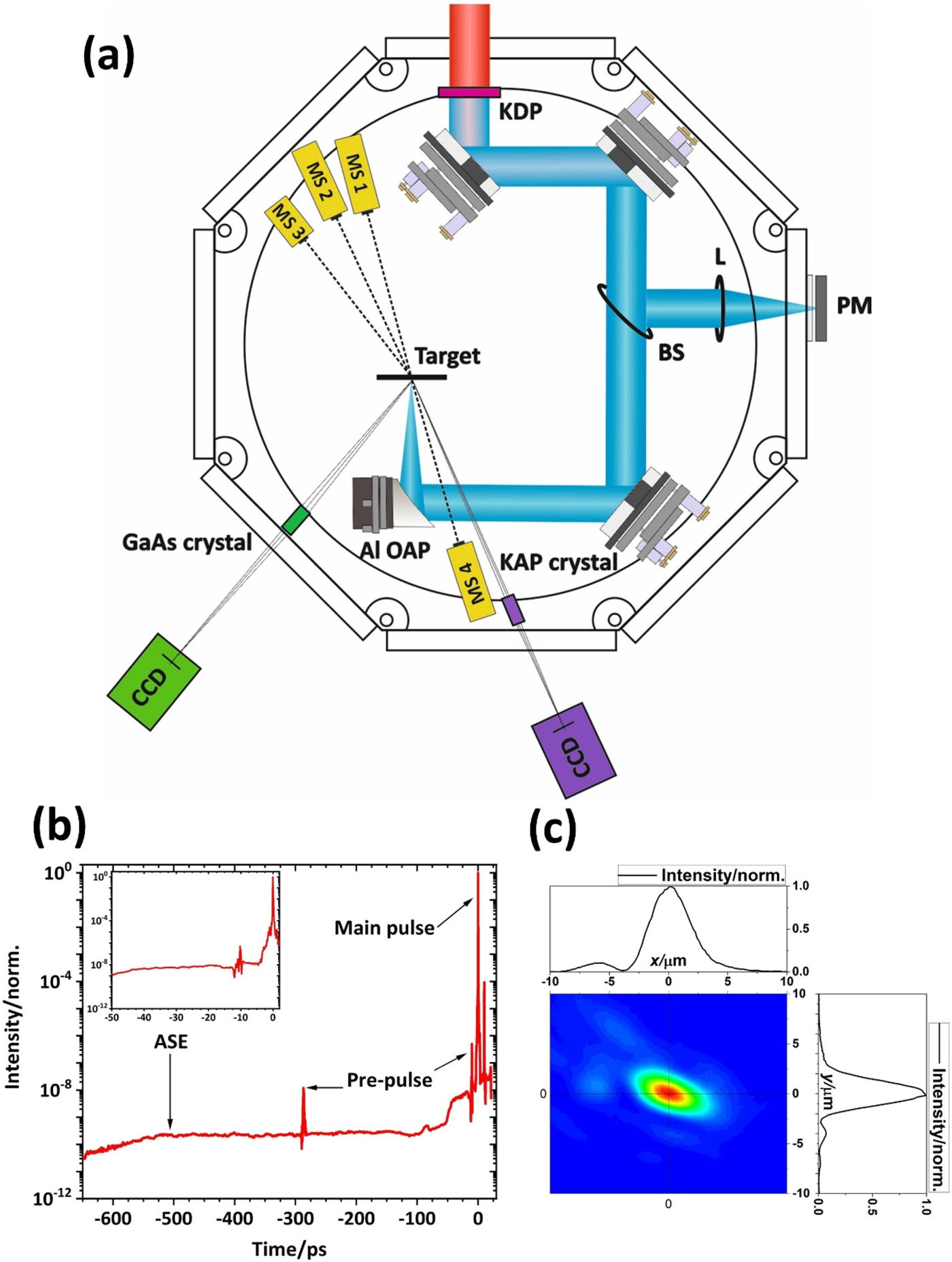
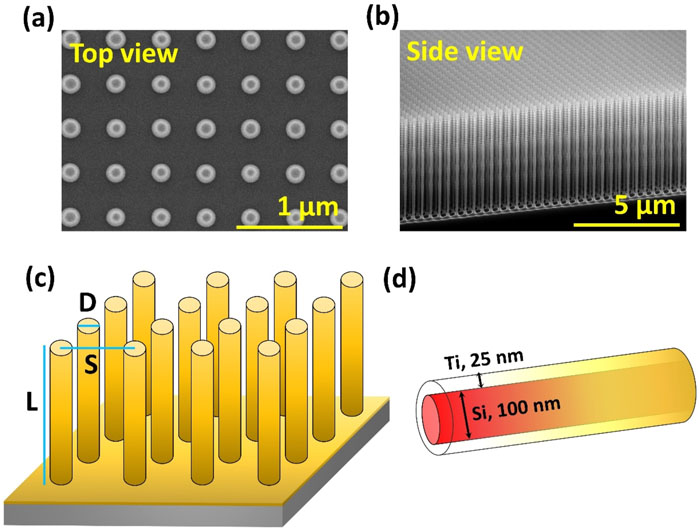
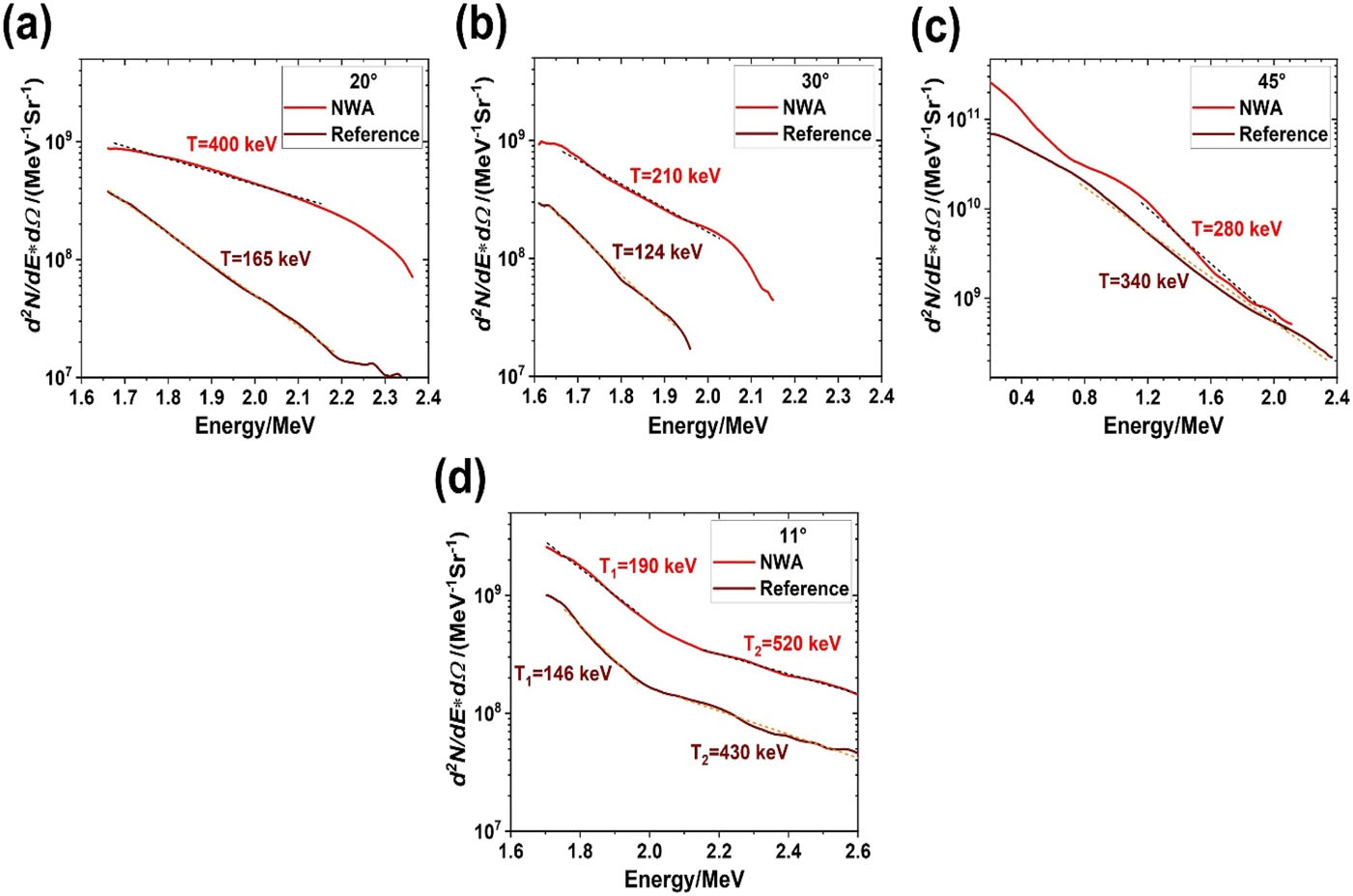
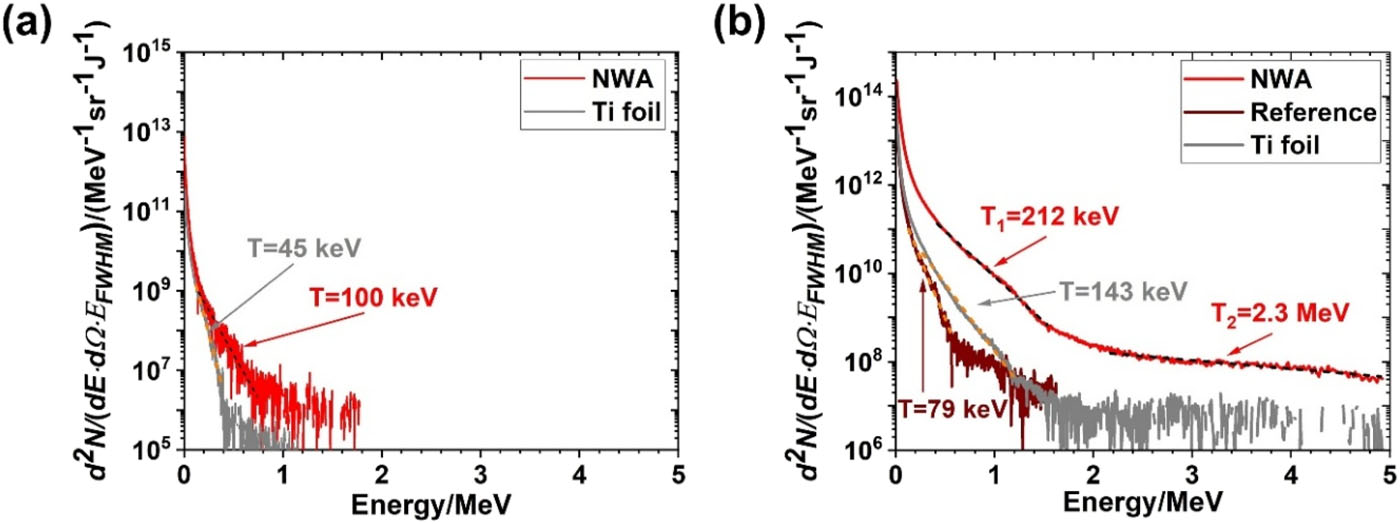
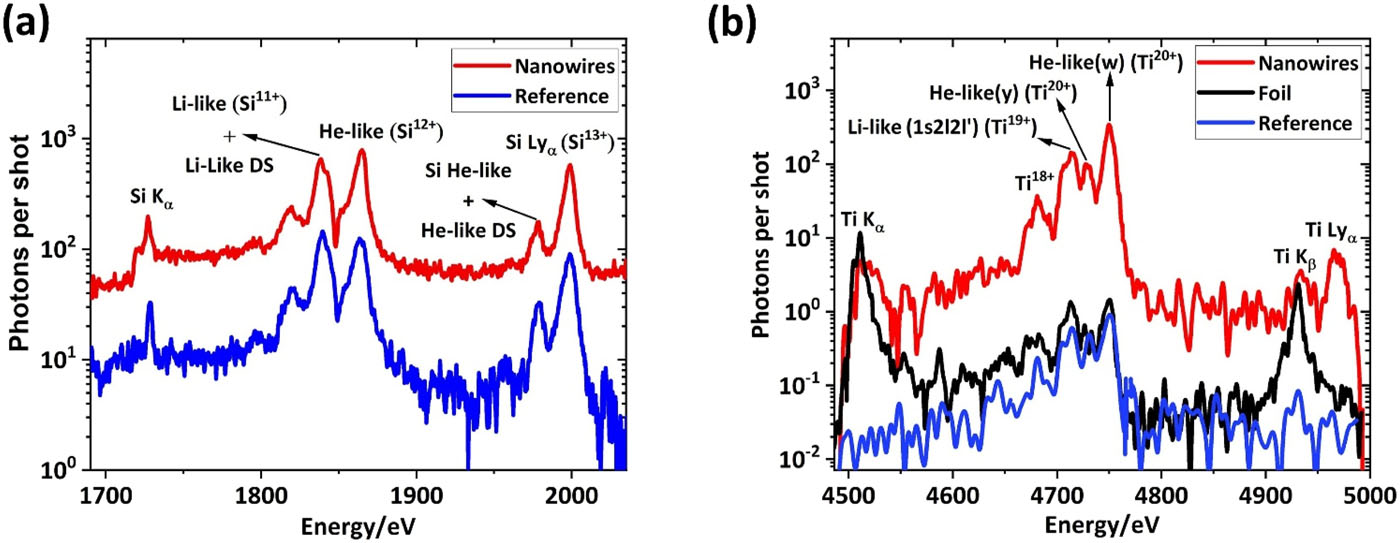
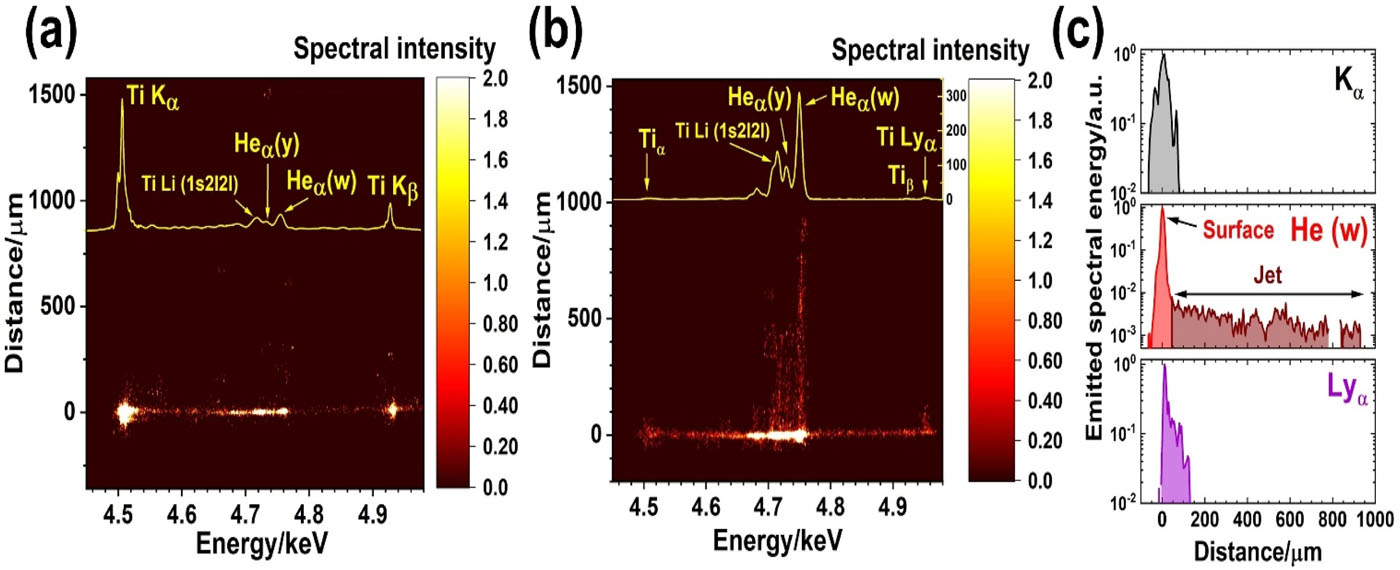
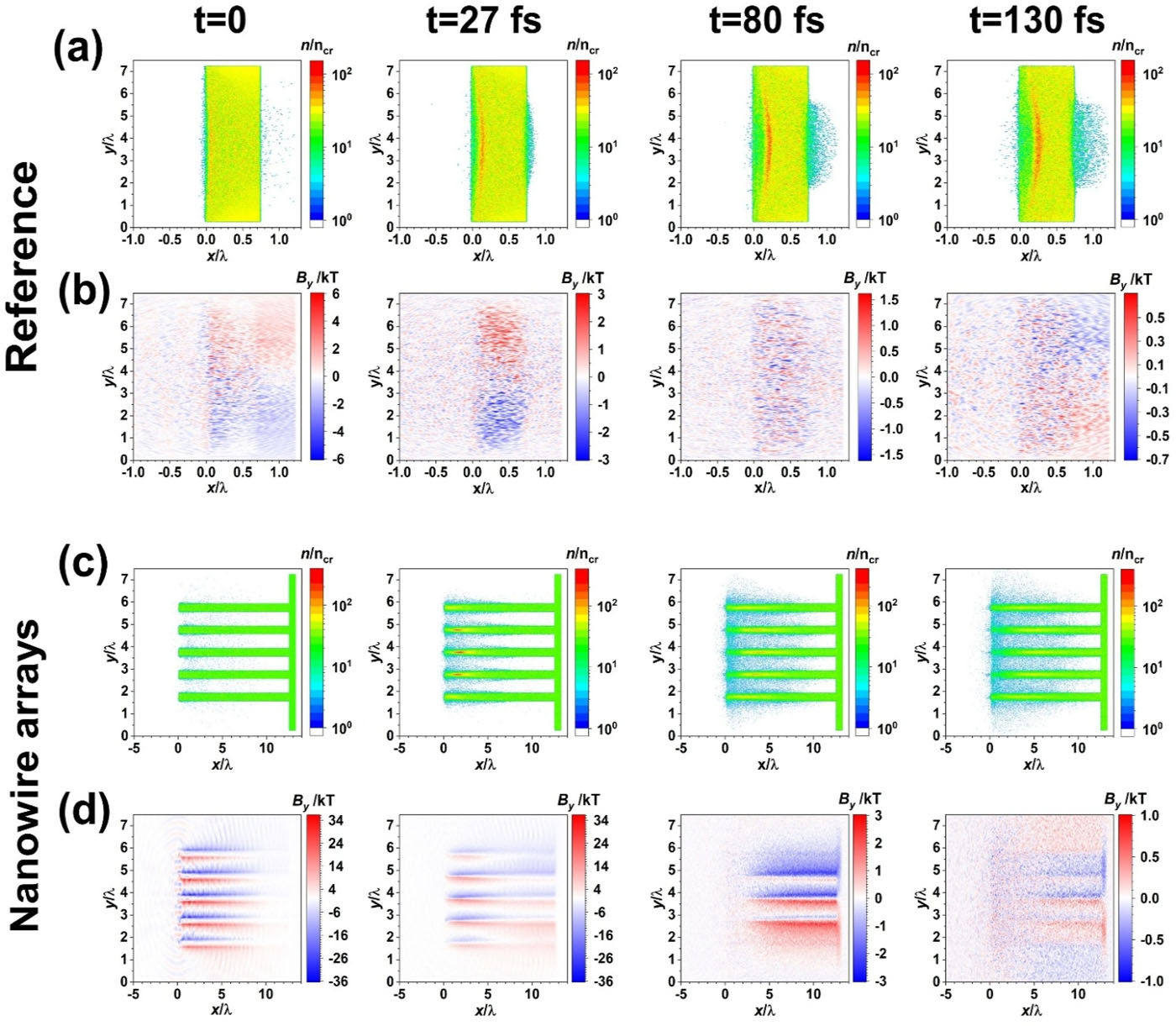
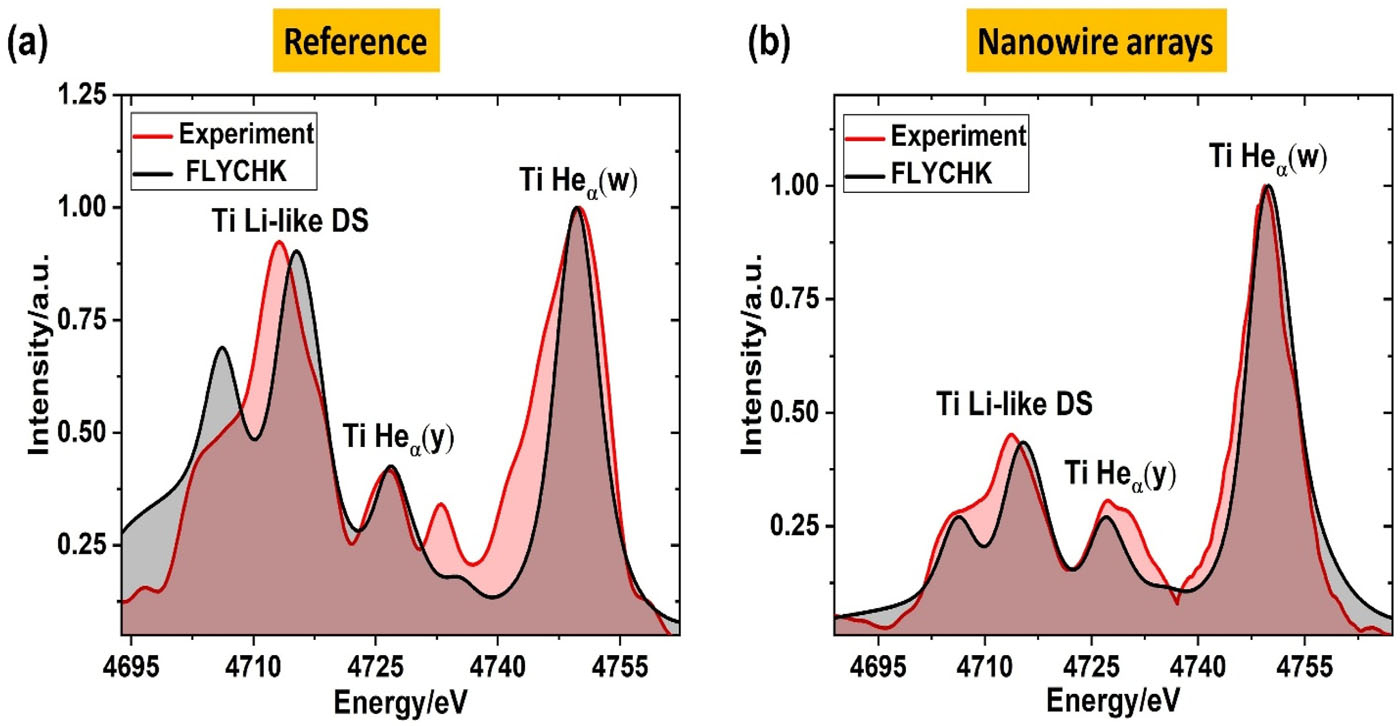
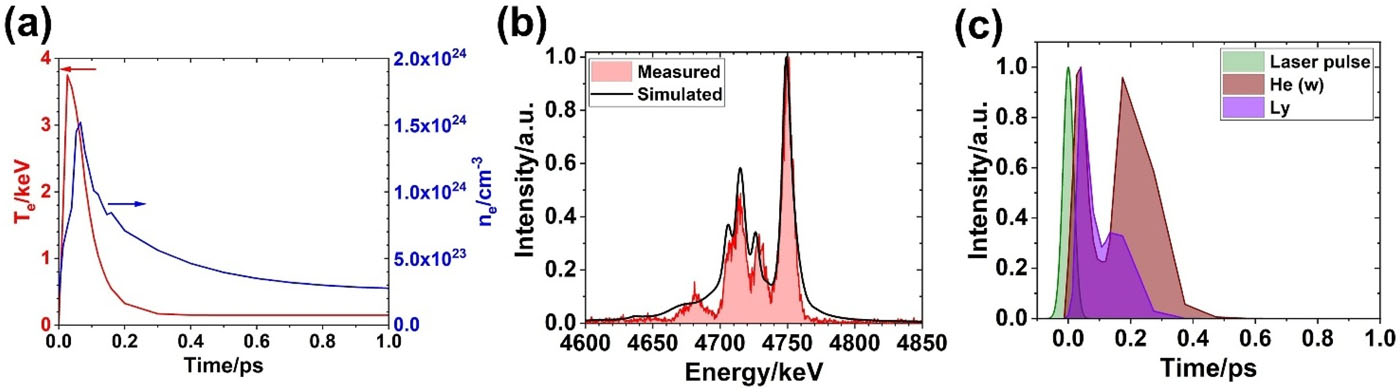
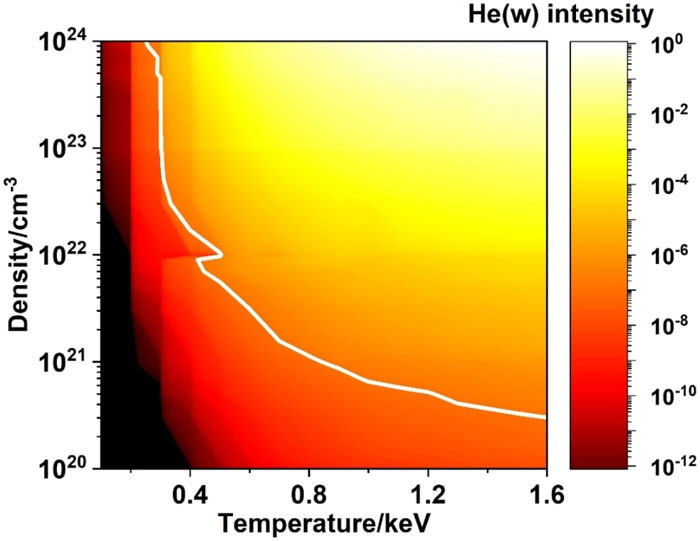
Long-lived hot and dense plasmas generated by ultra-intense laser beams are of critical importance for laser-driven nuclear physics, bright hard X-ray sources, and laboratory astrophysics. We report the experimental observation of plasmas with nanosecond-scale lifetimes, near-solid density, and keV-level temperatures, produced by irradiating periodic arrays of composite nanowires with ultra-high-contrast relativistically intense femtosecond laser pulses. Jet-like plasma structures extending up to 1 mm from the nanowire surface were observed, emitting K-shell radiation from He-like Ti20+ ions. High-resolution X-ray spectra have been analyzed using 3D particle-in-cell (PIC) simulations of the laser–plasma interaction combined with collisional–radiative modeling (FLYCHK). The results indicate that the jets consist of plasma with densities of 1020–1022 cm−3 and keV-scale temperatures, persisting for several nanoseconds. We attribute the formation of these jets to the generation of kilotesla-scale global magnetic fields during the laser interaction, as predicted by PIC simulations. These fields may drive long-timescale current instabilities that sustain magnetic fields of several hundred tesla, sufficient to confine hot, dense plasma over nanosecond durations.
Short-pulse electromagnetic scattering on near-solid-density matter: Description of closed analytical expressions including opacity
Rosmej F. B., Astapenko V. A., Li X.
2026, 11(3) doi: 10.1063/5.0315205
Abstract:
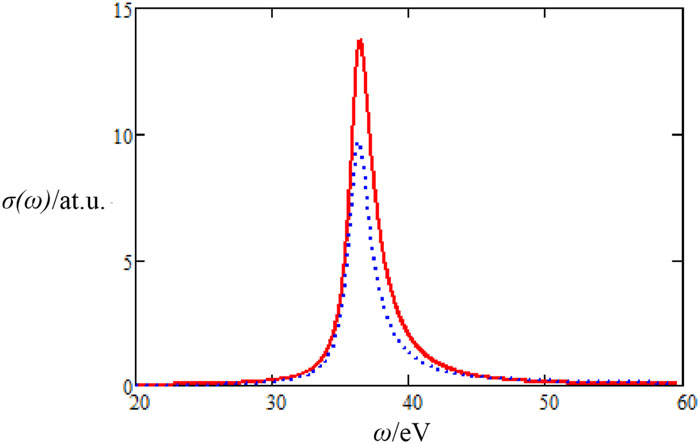
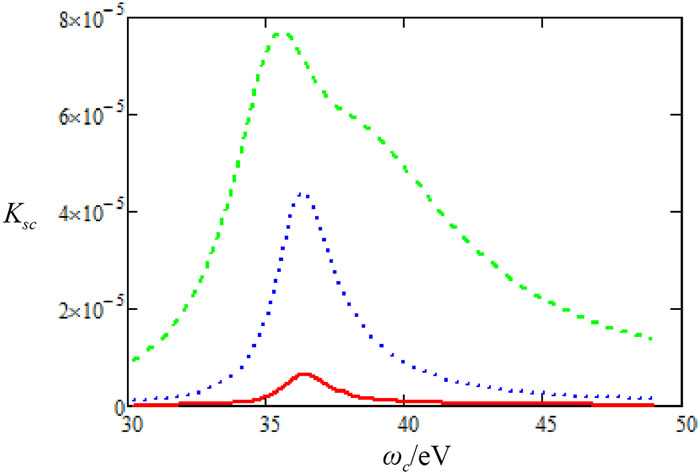
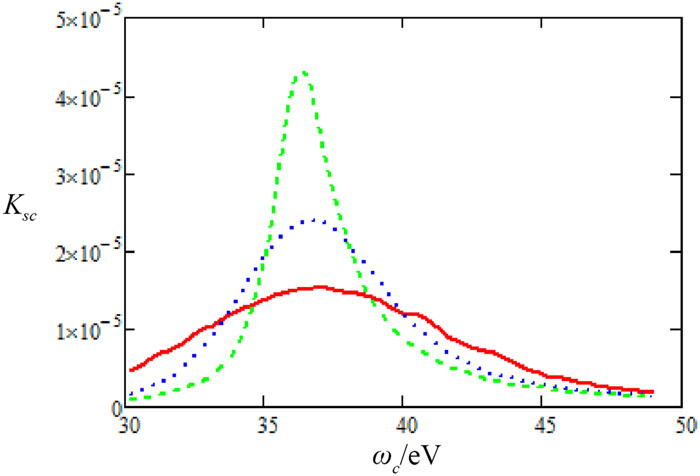
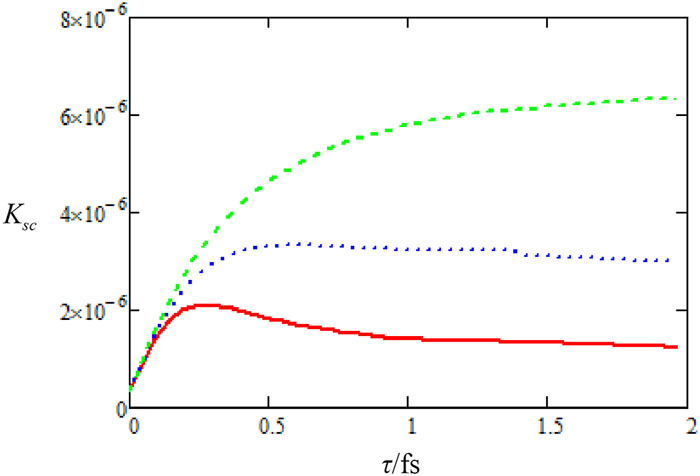
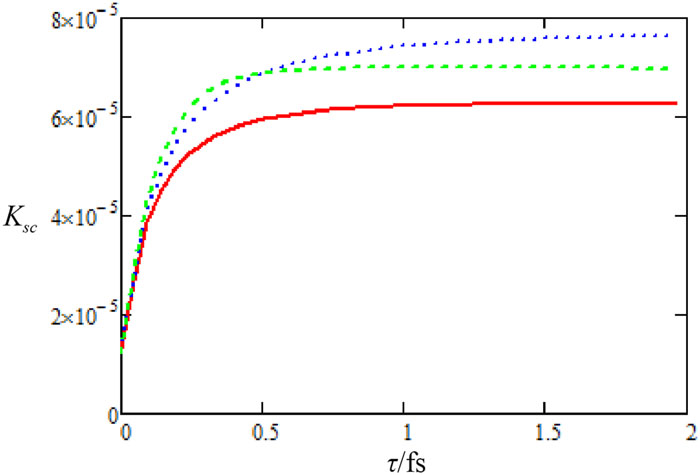
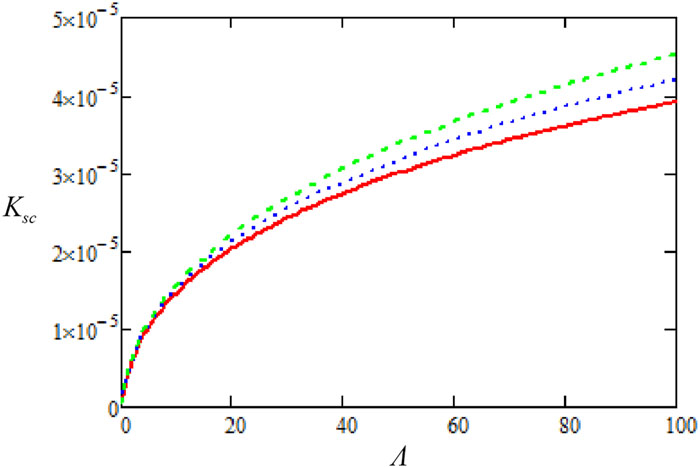
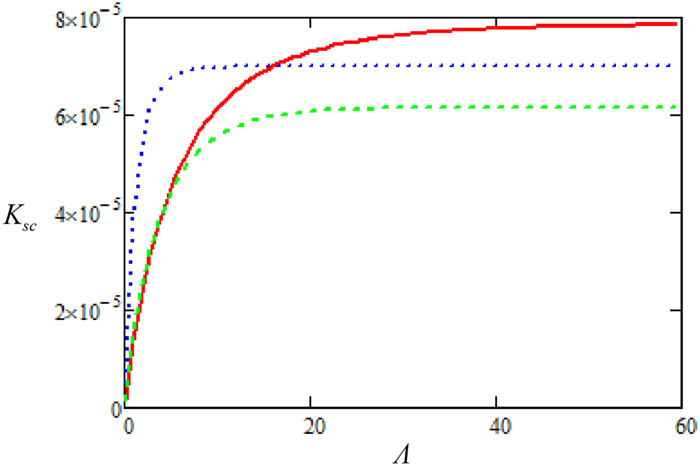
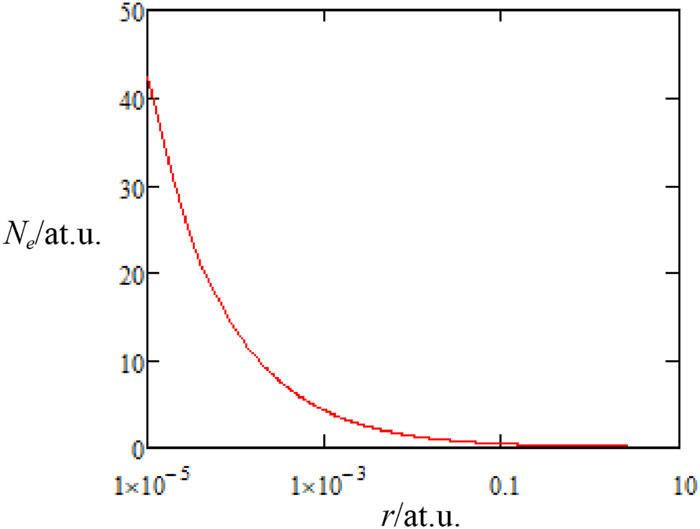
We propose and elaborate a novel analytical method for describing the fundamental scattering processes of ultrashort laser pulses in matter under extreme conditions using the total scattering coefficient. This method considers the specifics of ultrafast electromagnetic interaction and the effects of pulse propagation in dense matter. It is demonstrated that analytical expressions can be obtained within the framework of the local plasma frequency model, allowing a link to be established between the dynamic polarizability and the dressed ion sphere that represents the extremely dense matter. Extinction and scattering cross sections are then functionals of the electron density, which is calculated in a self-consistent quantum-mechanical approach. Detailed calculations are carried out for the Al12+ ion in near-solid-density plasmas. The dependences on the laser pulse parameters and the opacity of the plasma are analyzed. Specific features of these dependences are established and explained.
Inertial Confinement Fusion Physics
Effects of thermal exchange–correlation functional on thermodynamic quantities of warm dense beryllium
Gao Chang, Zhang Shen, Fu Zhen-Guo, Huang Haijun, He X. T., Zhang Weiyan, Kang Wei
2026, 11(3) doi: 10.1063/5.0309424
Abstract:
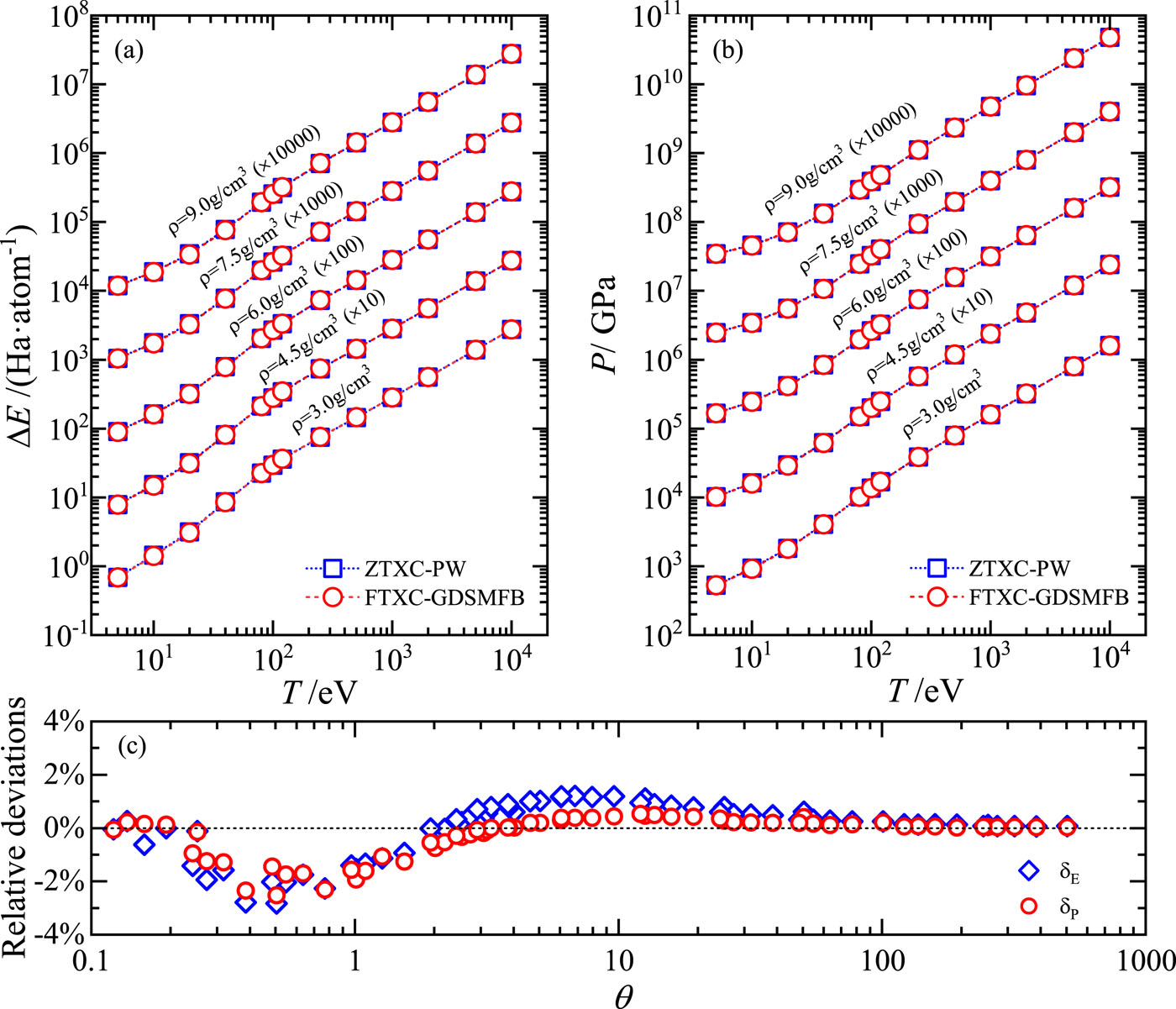
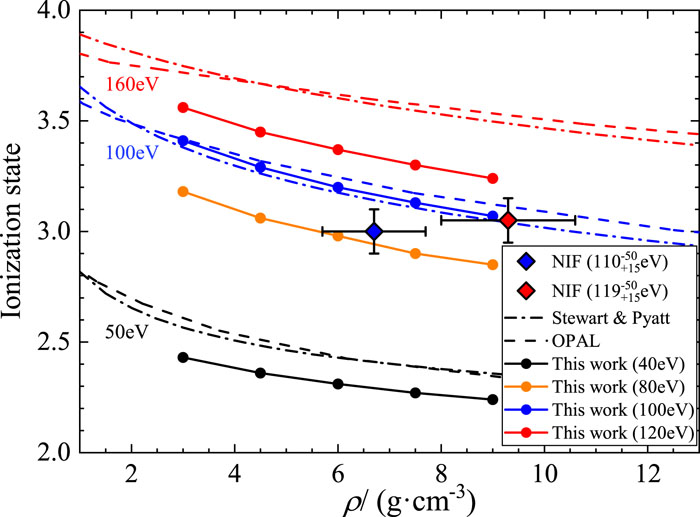
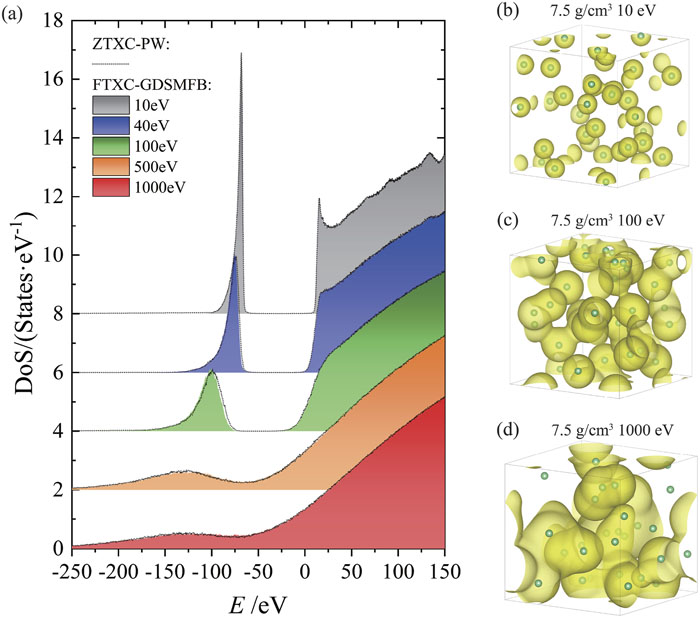
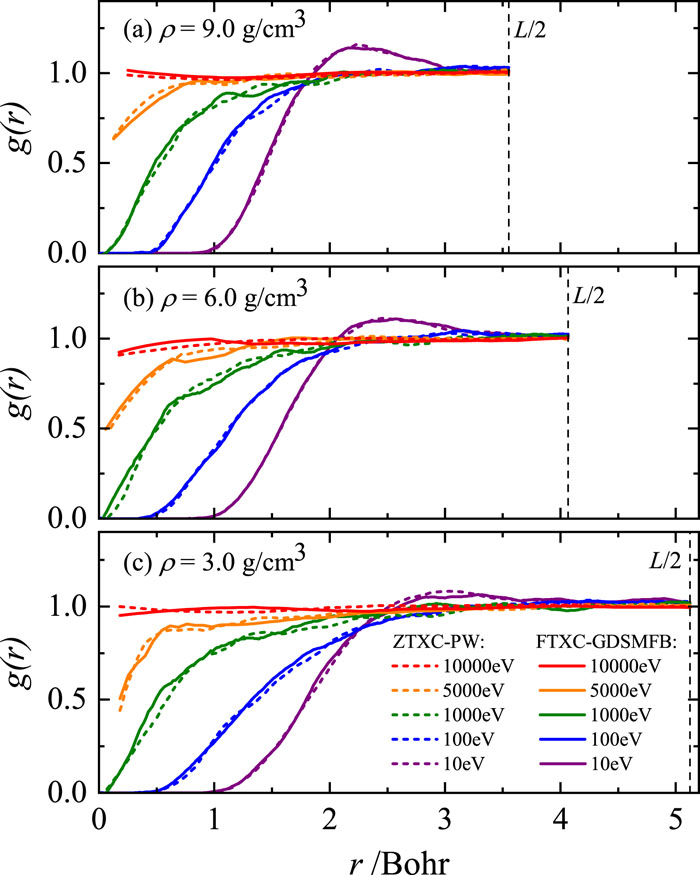
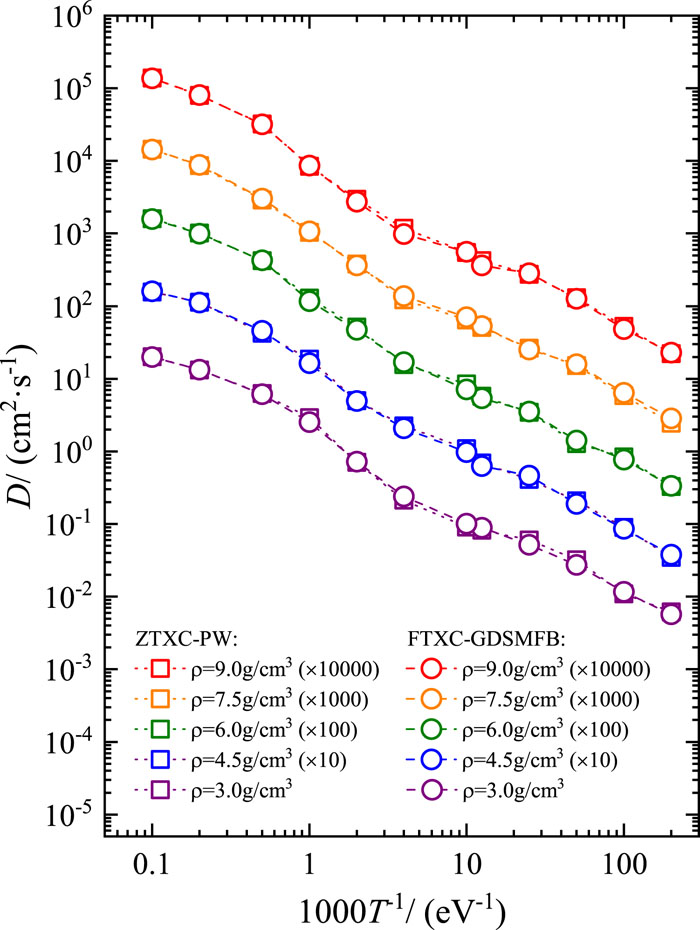
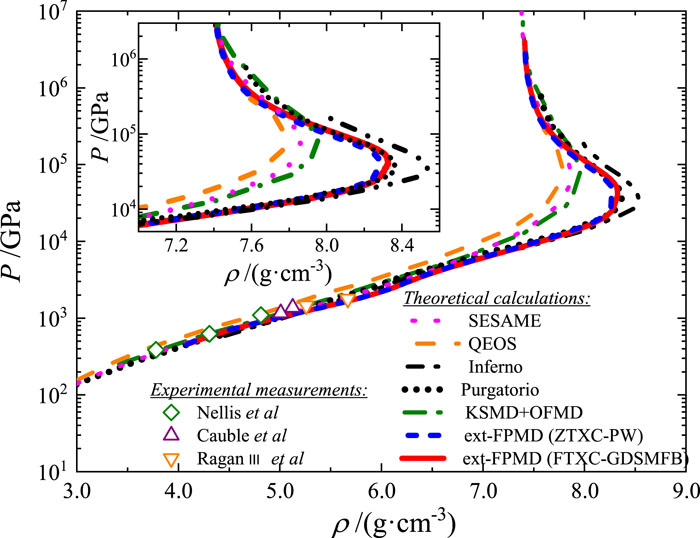
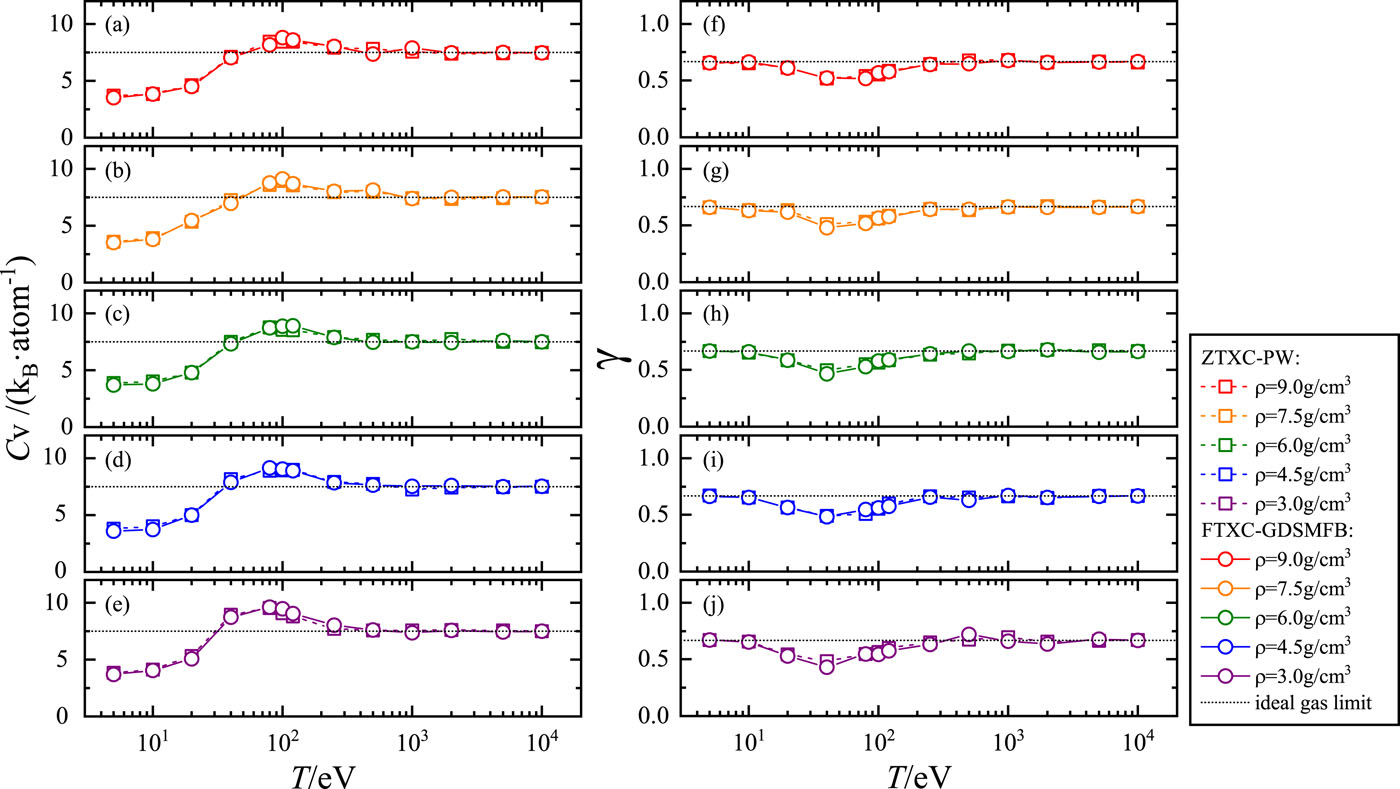
We report thermodynamic properties, including equation of state, principal Hugoniot, heat capacity, and Grüneisen parameter, for beryllium under density–temperature conditions of ρ = 3.0–9.0 g/cm3 and T = 5–10 000 eV, using an extended first-principles molecular dynamics method together with finite-temperature exchange–correlation functionals. Compared with zero-temperature exchange–correlation models, our results exhibit appreciable differences of about 3% in modeling the equation of state. Thermal excitations of K-shell electrons, delocalization of wave functions, and the merging of energy bands for beryllium along the Hugoniot curve are also presented. In addition to the application of these thermodynamic data to inertial confinement fusion and high-energy-density physics, our results may also serve as useful benchmarks for investigating thermal exchange–correlation effects on thermodynamic properties of warm dense matter, and further help to elucidate the mechanisms of inner-shell electron excitation.
Efficient generation of divergent and collimated hot electrons via a novel multi-beam two-plasmon decay and stimulated Raman scattering mechanism
Meng K. Y., Cai Z. H., Li J., Yao C., Hao L., Zhou F. X., Yan R., Zheng J.
2026, 11(3) doi: 10.1063/5.0305281
Abstract:
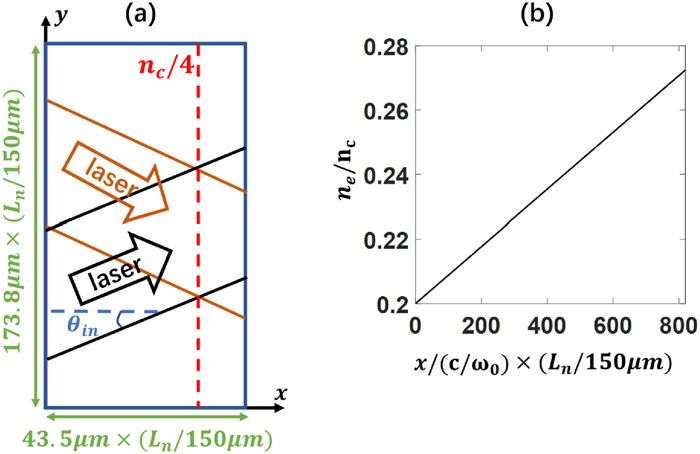
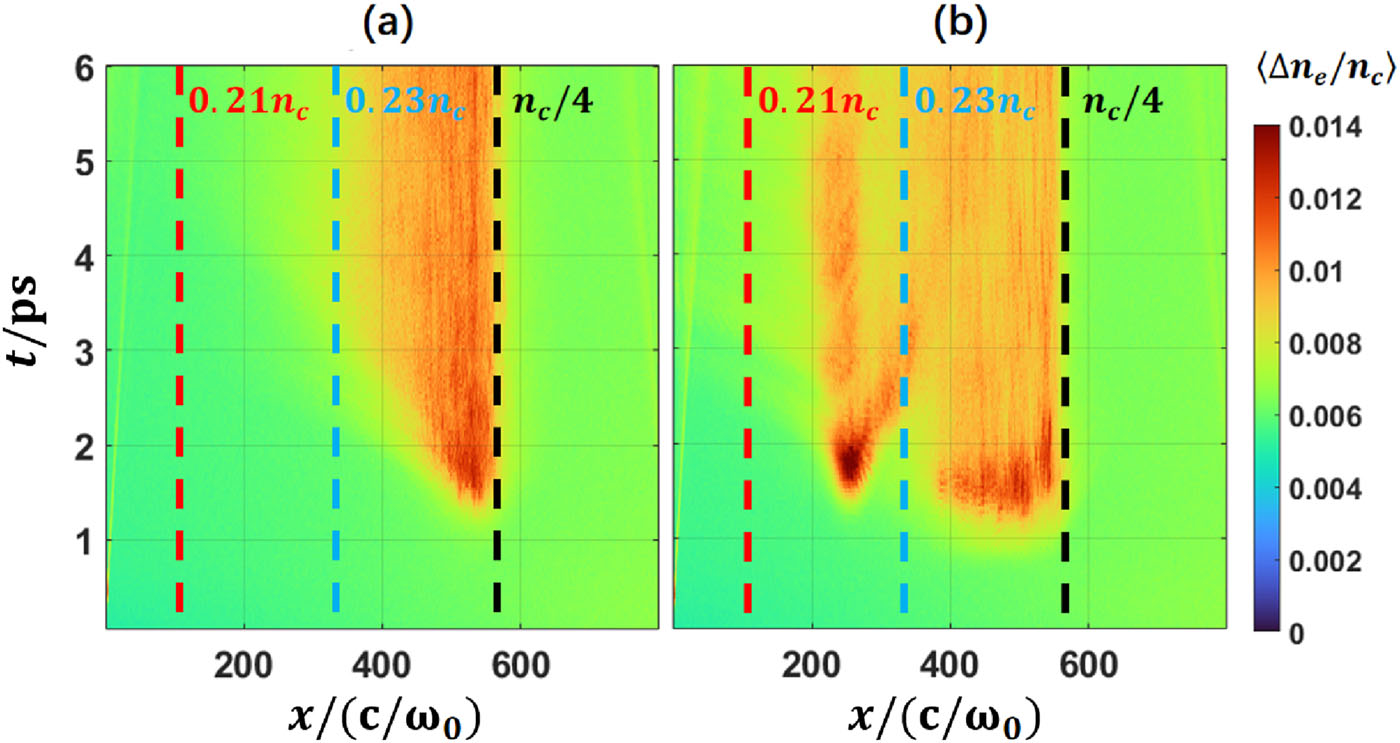
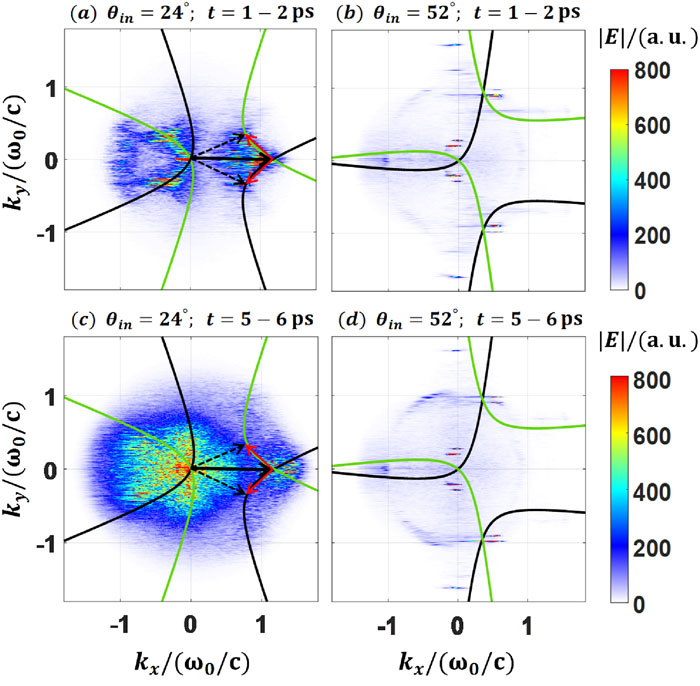
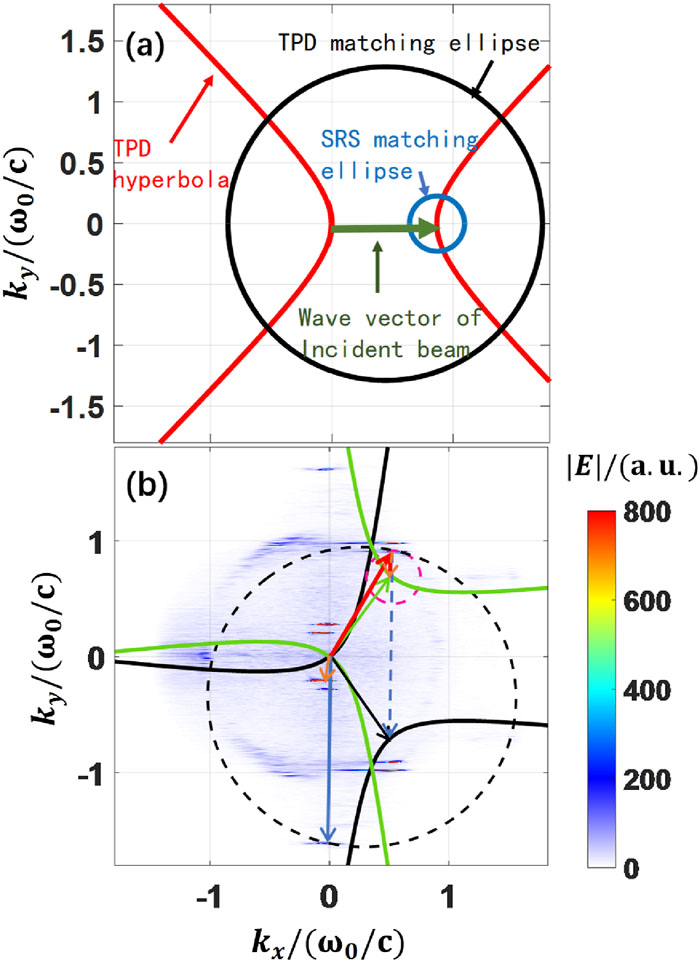
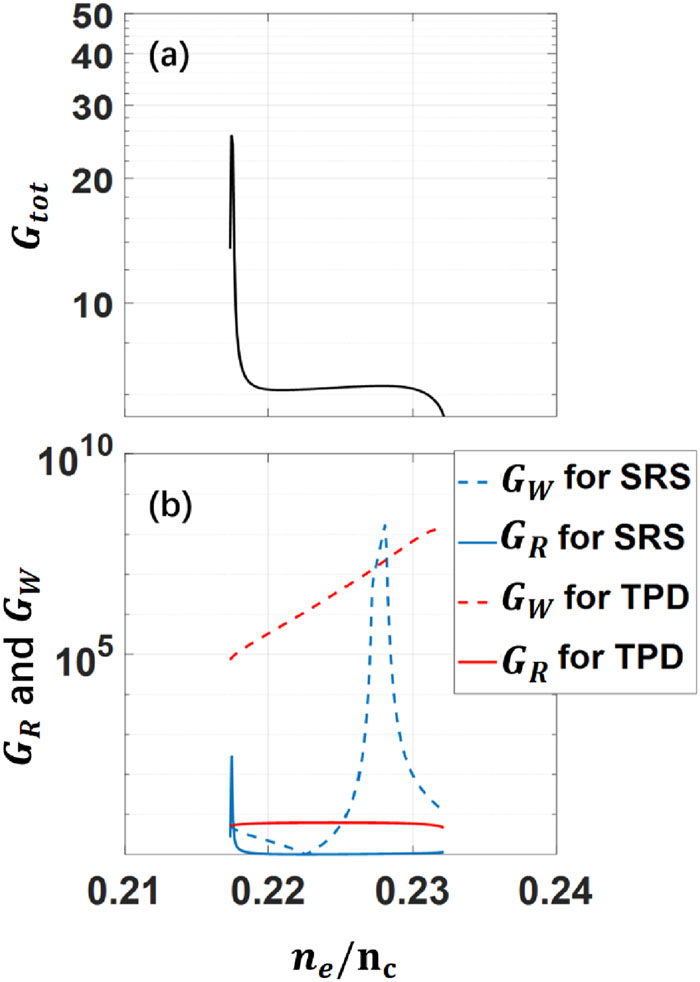
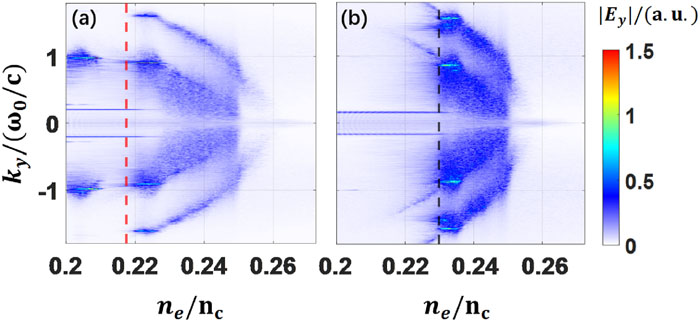
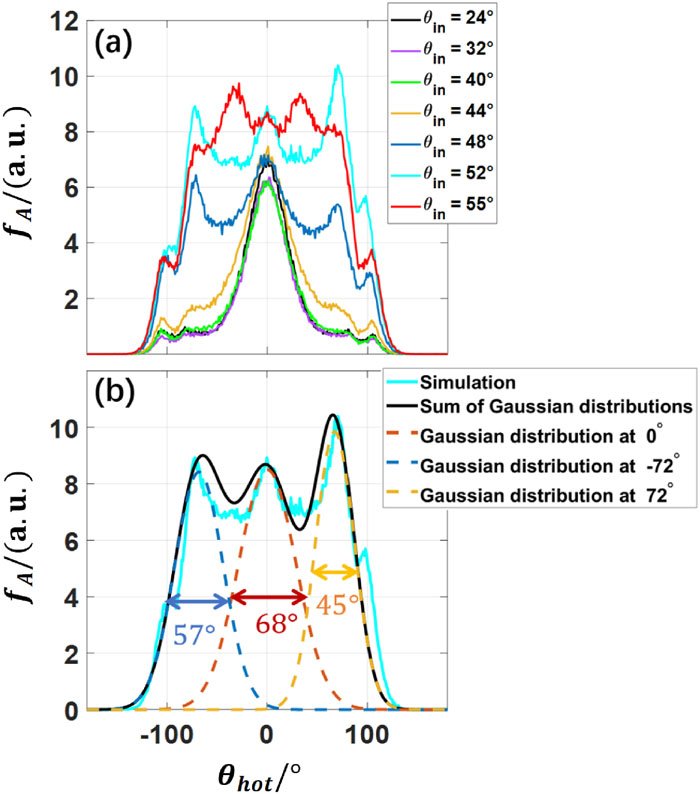
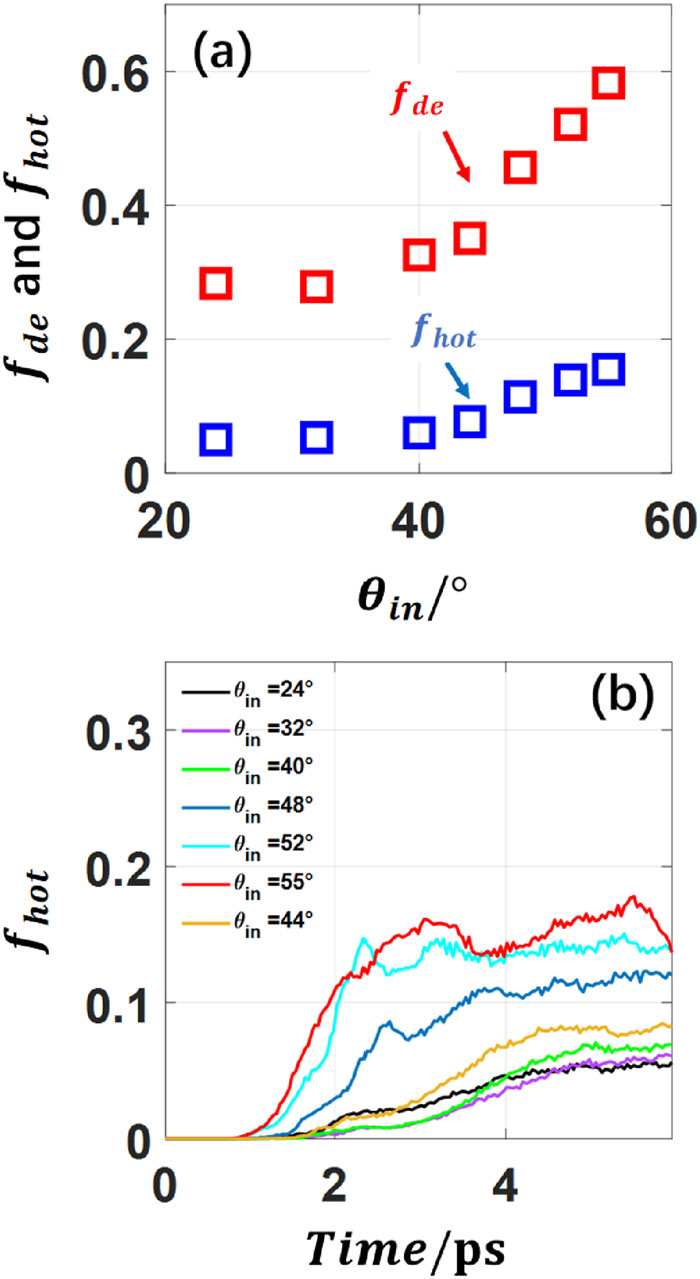
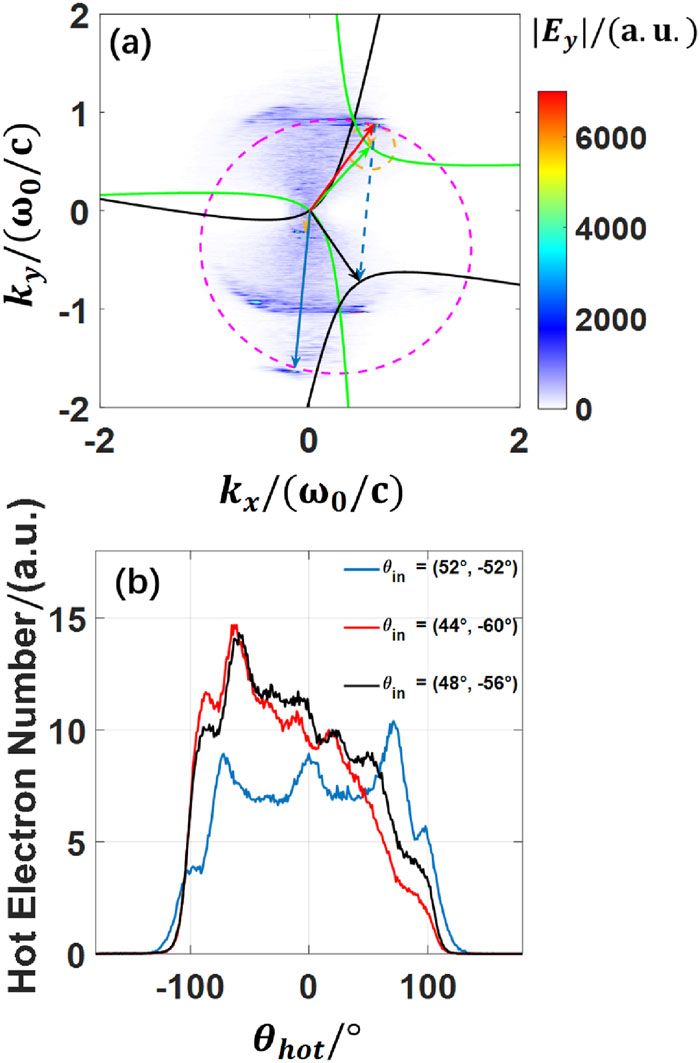
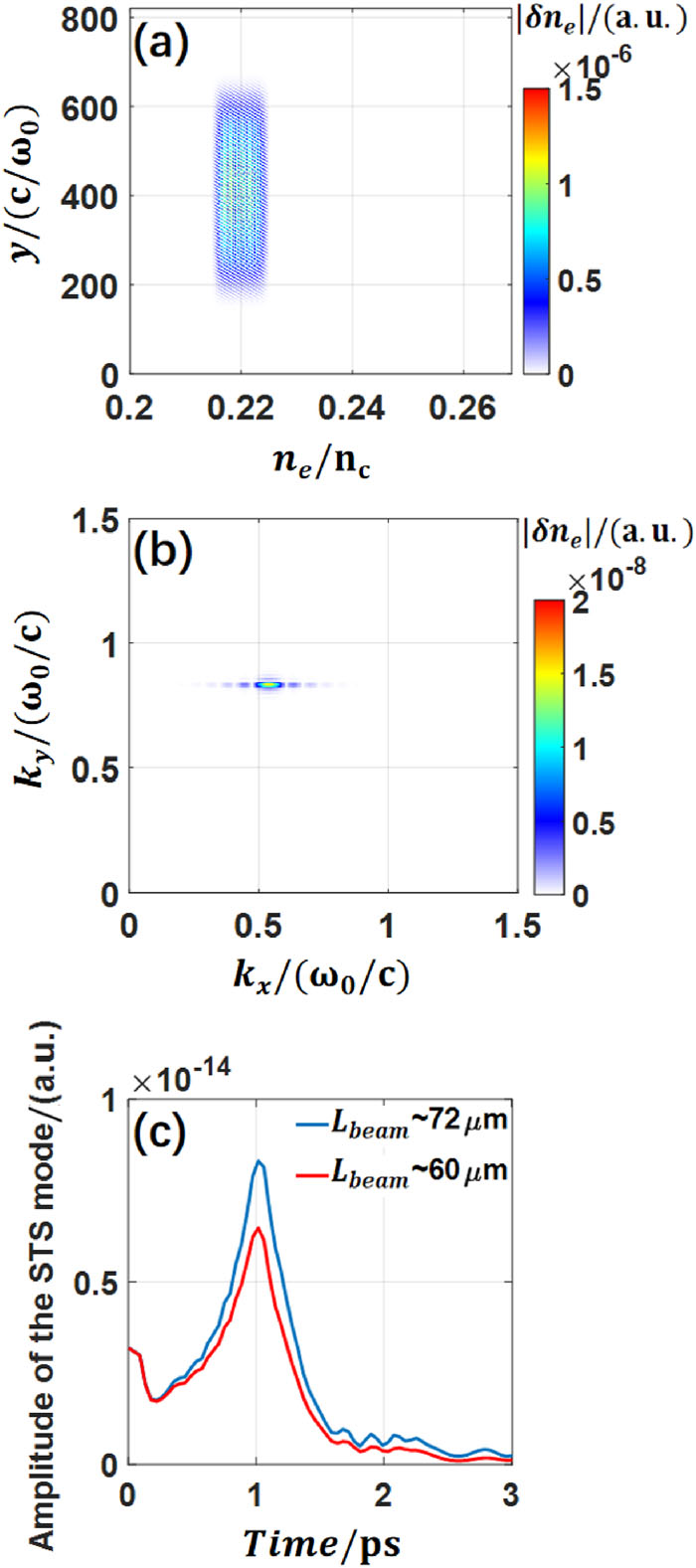
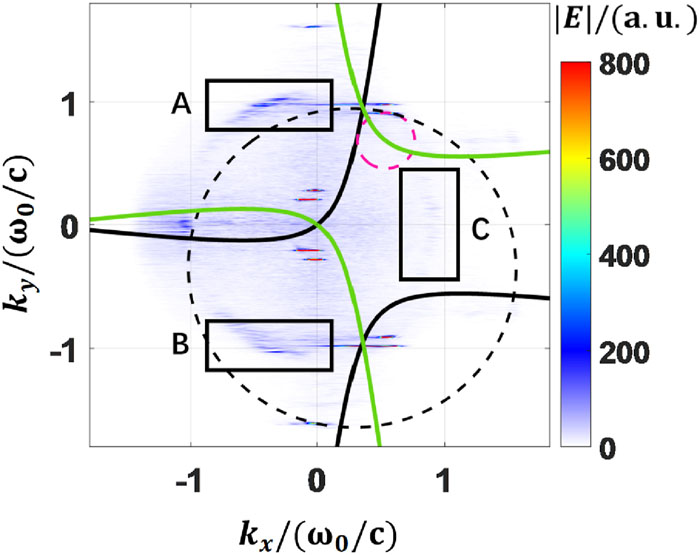
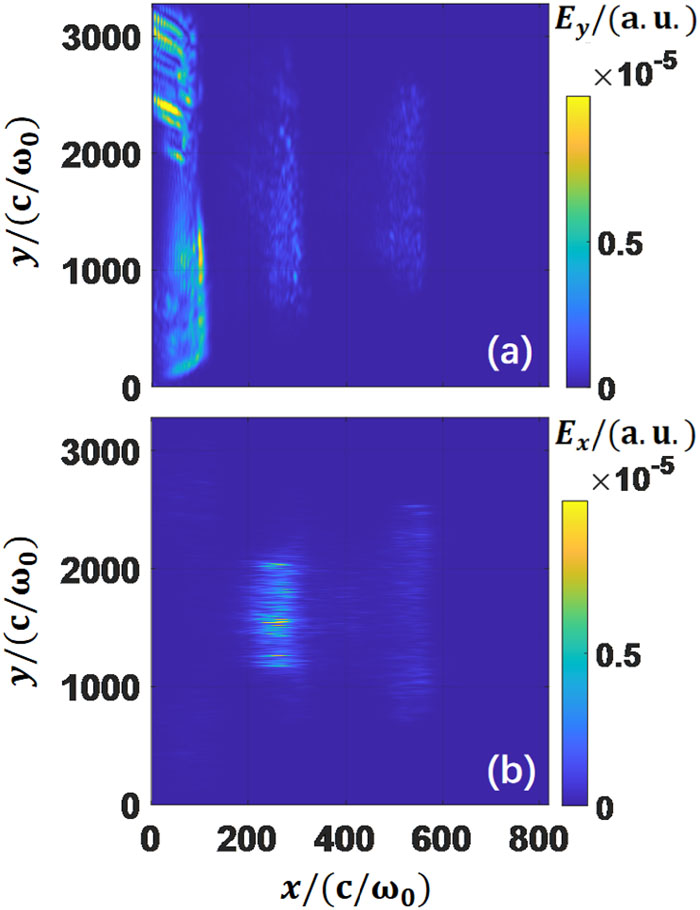
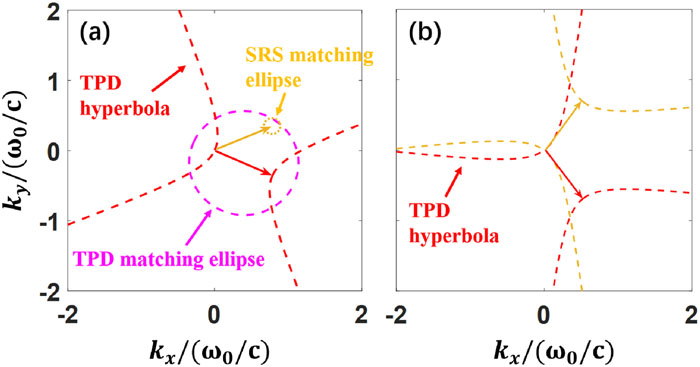
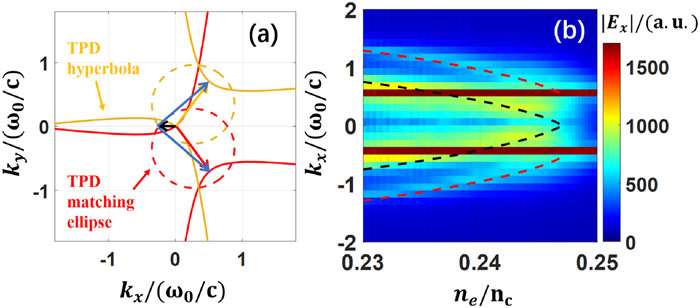
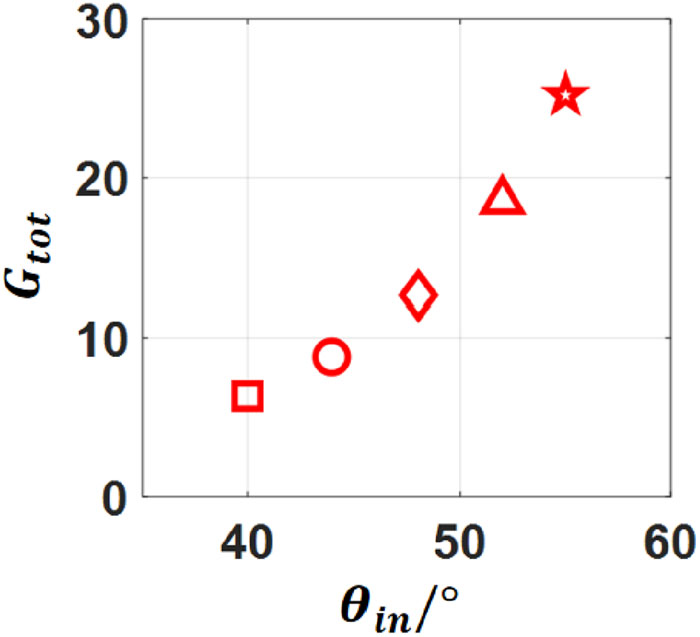
In inertial confinement fusion (ICF) implosions, the preheating risks associated with hot electrons generated by laser–plasma instabilities are contingent upon the angular characteristics of these hot electrons for a given total energy. Using particle-in-cell simulations, we reveal a novel multi-beam collaborative mechanism of two-plasmon decay (TPD) and stimulated Raman scattering (SRS), and investigate the angular variations of hot electrons generated from this shared TPD–SRS (STS) instability driven collectively by dual laser beams with varying incident angles θin (from 24° to 55° at the incident plane) for typical ICF conditions. In the simulations with θin ≳ 44°, STS emerges as the dominant mechanism responsible for hot-electron generation, leading to a wide angular distribution of hot electrons that exhibit both pronounced divergent and collimated components. The common Langmuir wave associated with STS plays a crucial role in accelerating both components. By appropriate modeling of the STS common wave gains, we establish scaling relations between these gains and the energies of collimated and divergent hot electrons. These relations reveal that the divergent hot electrons are more sensitive to variations in gain compared with the collimated electrons. Additionally, the calculated gains qualitatively predict the asymmetry in hot-electron angular distributions when the density gradients deviate from the bisector of the laser beams. Our findings offer insights for hot-electron generation with multiple beams, potentially complementing previous experiments that underscore the critical role of overlapped intensity from symmetric beams within the same cone and the dominance of dual-beam coupling.
First laser–plasma interaction experiments on Shenguang Octopus laser facility
Gong T., Li Z. C., Xu T., Wang Q., Liu Y. Y., Pan K. Q., Ji Y., Zhang W. S., Li B., Liu Z. J., Li X., Hao L., Yan R., Zhao H., Liu Y. G., Deng B., Liu X. M., Li Y. L., Peng X. S., Guan Z. Y., Li S. W., Jiang X. H., Li Q., Zhang W., Zheng J., Li P., Cai H. B., Zou S. Y., Dong Y. S., Wang F., Yang D., Zhu Q. H., Yang J. M., Zhao Z. Q., Ding Y. K.
2026, 11(3) doi: 10.1063/5.0301251
Abstract:
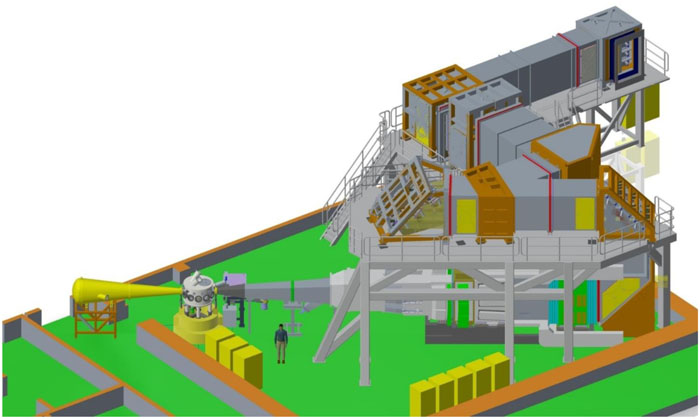
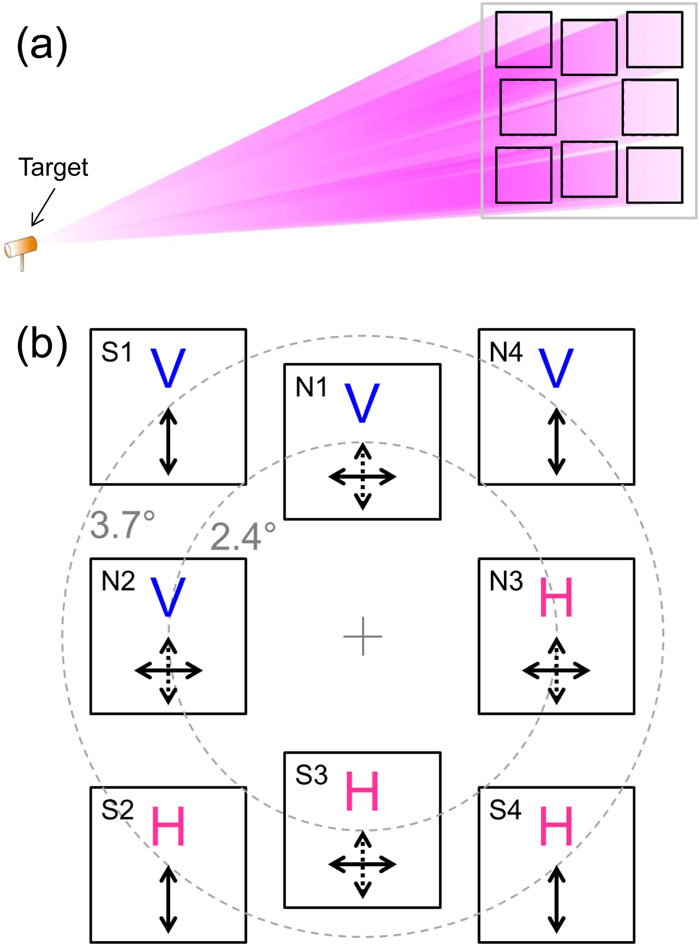
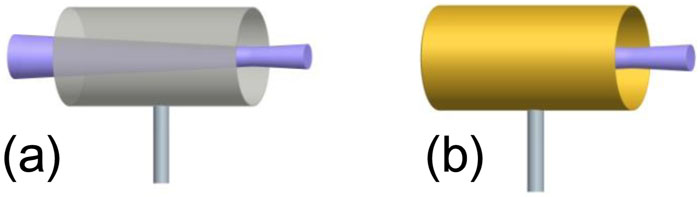
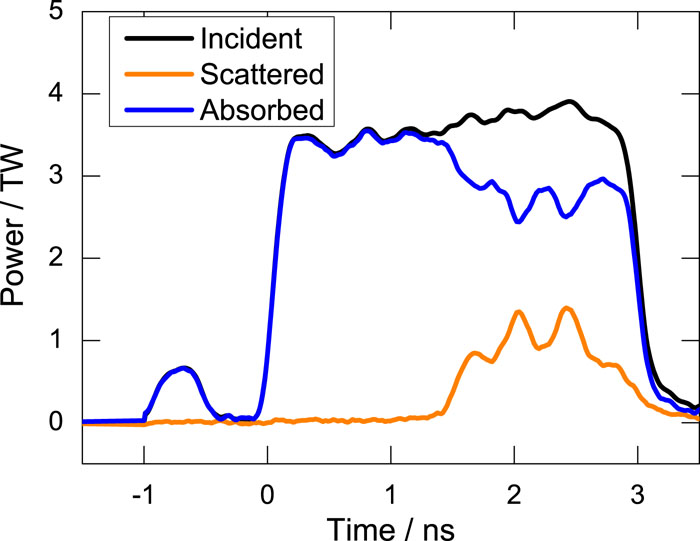
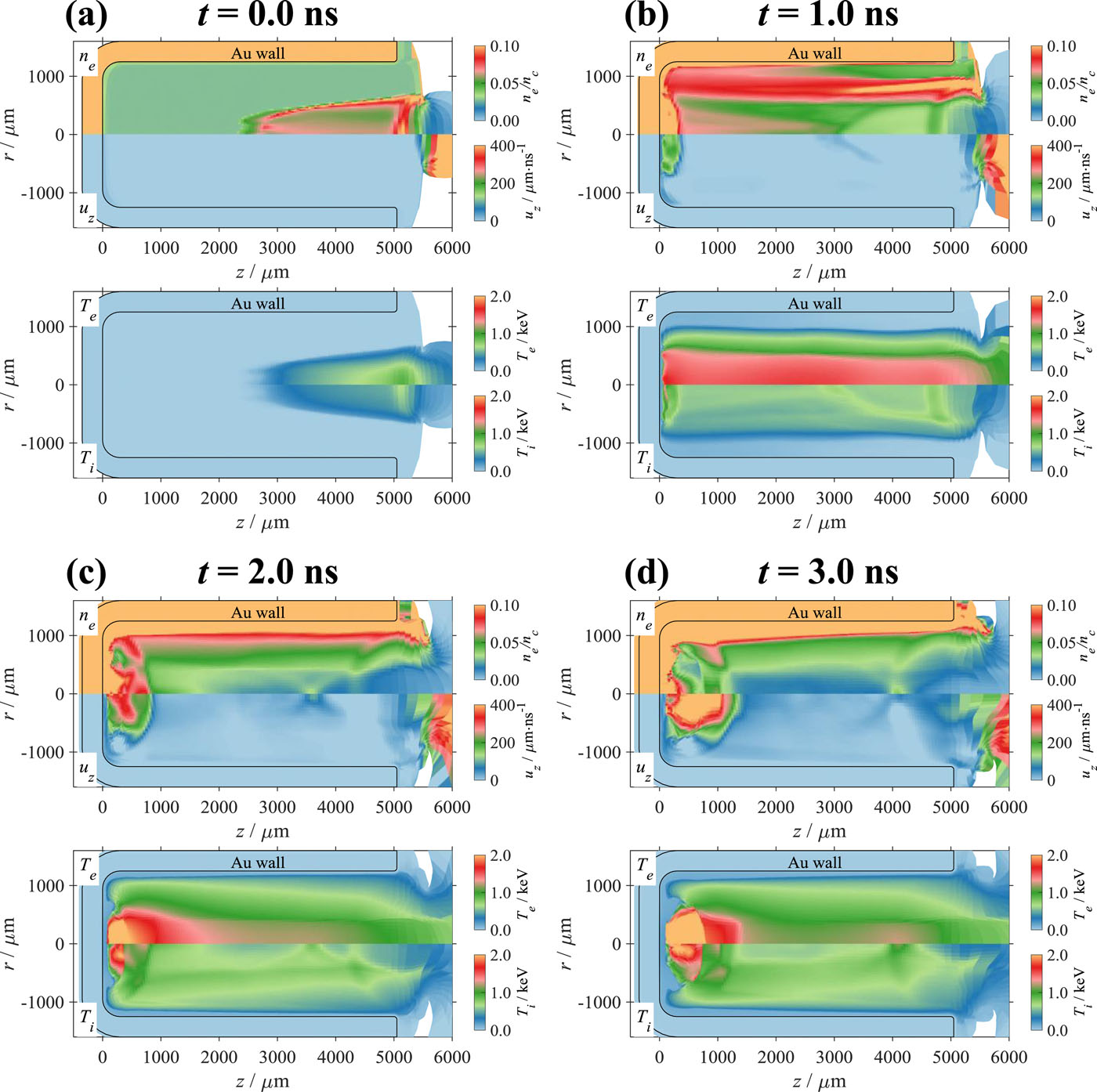
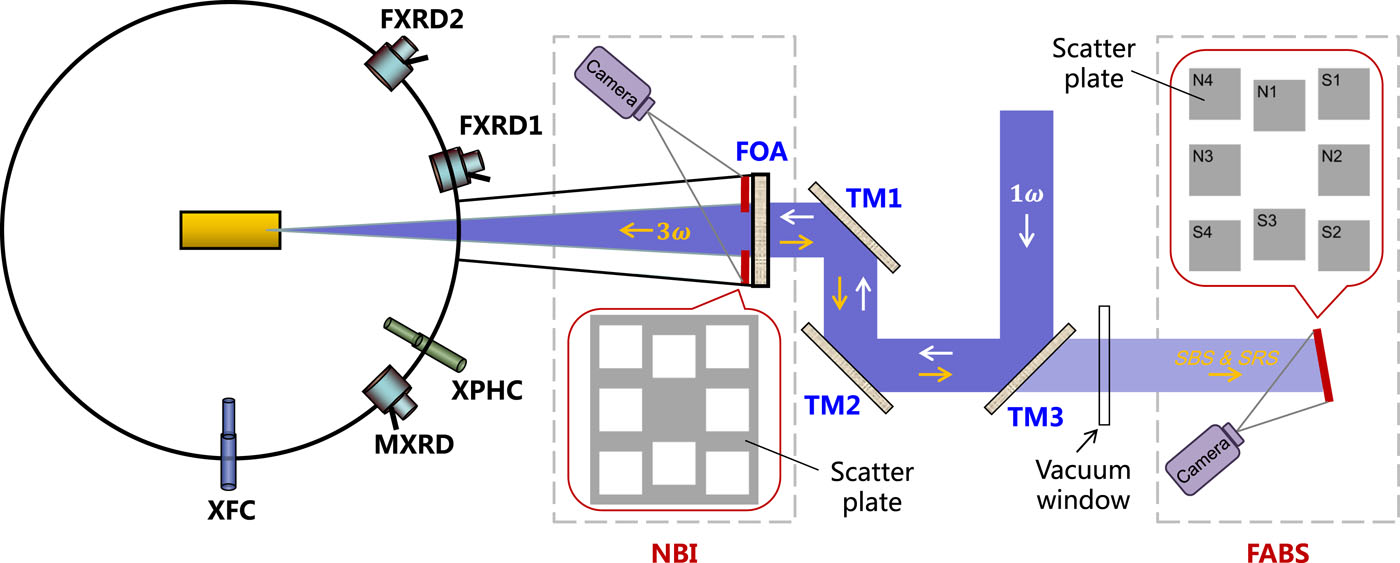
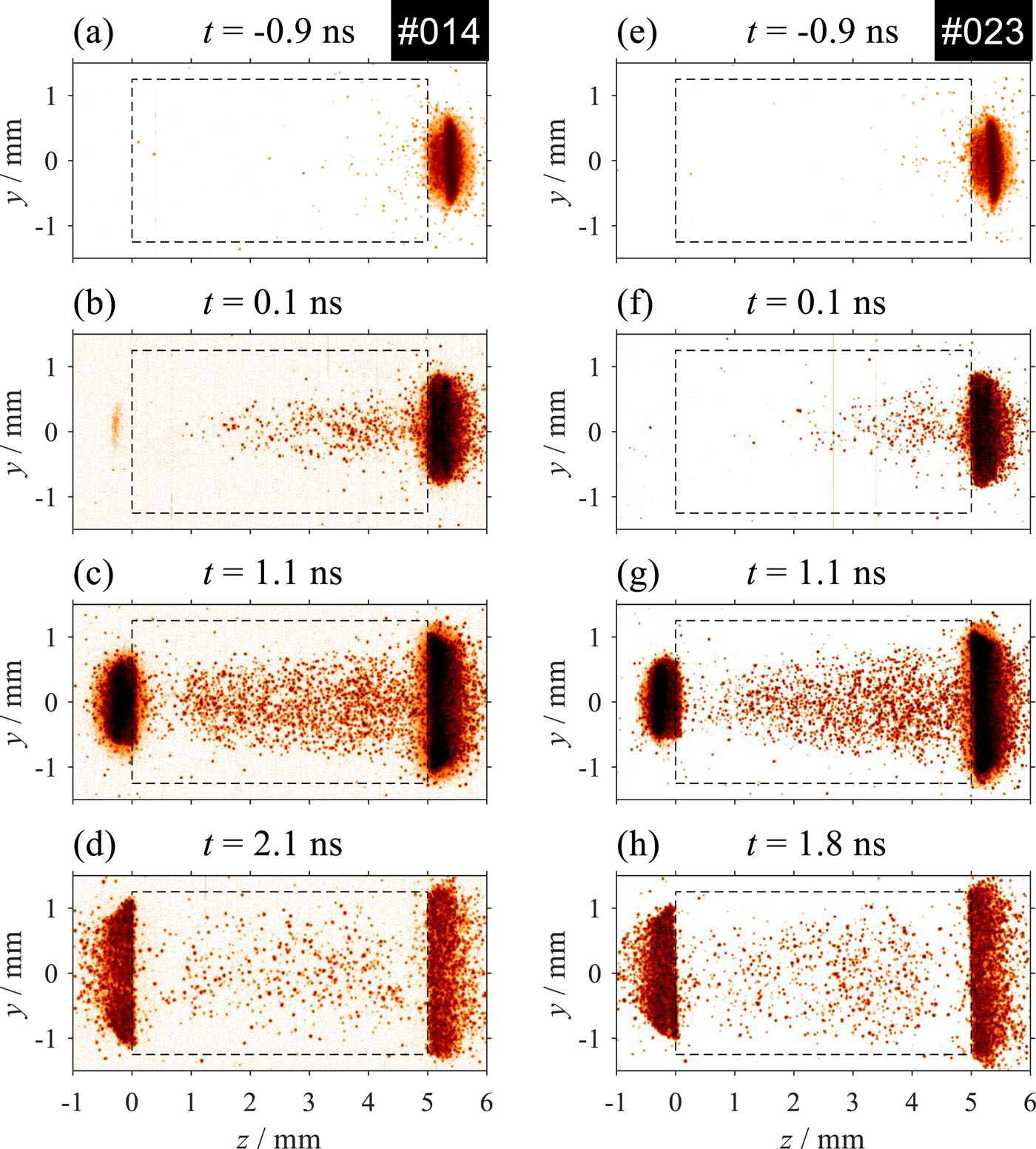
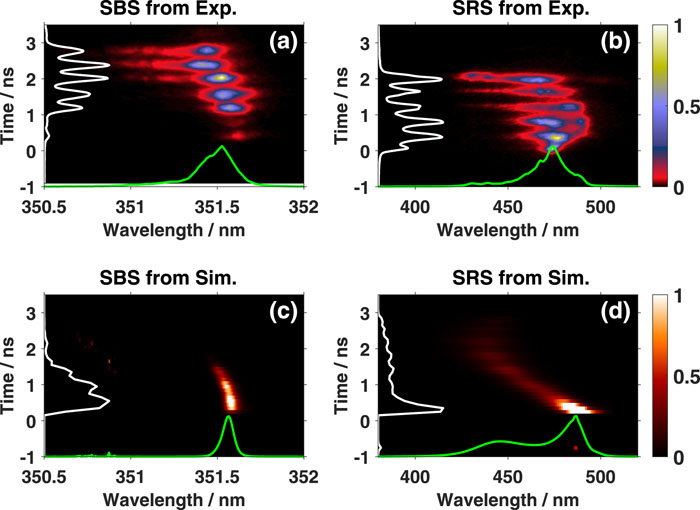
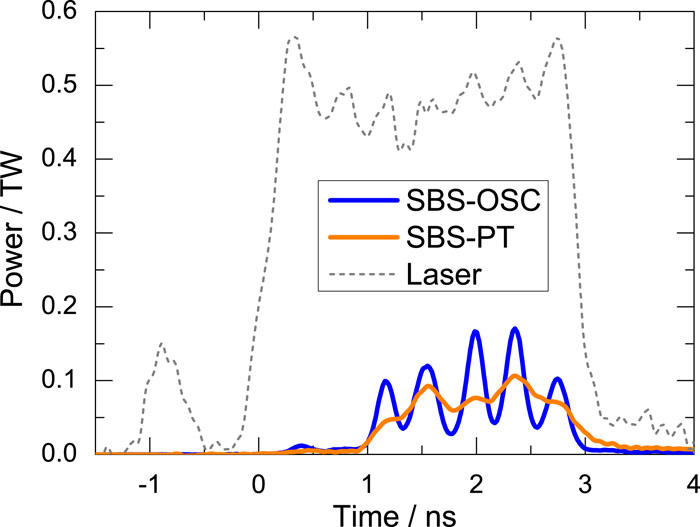
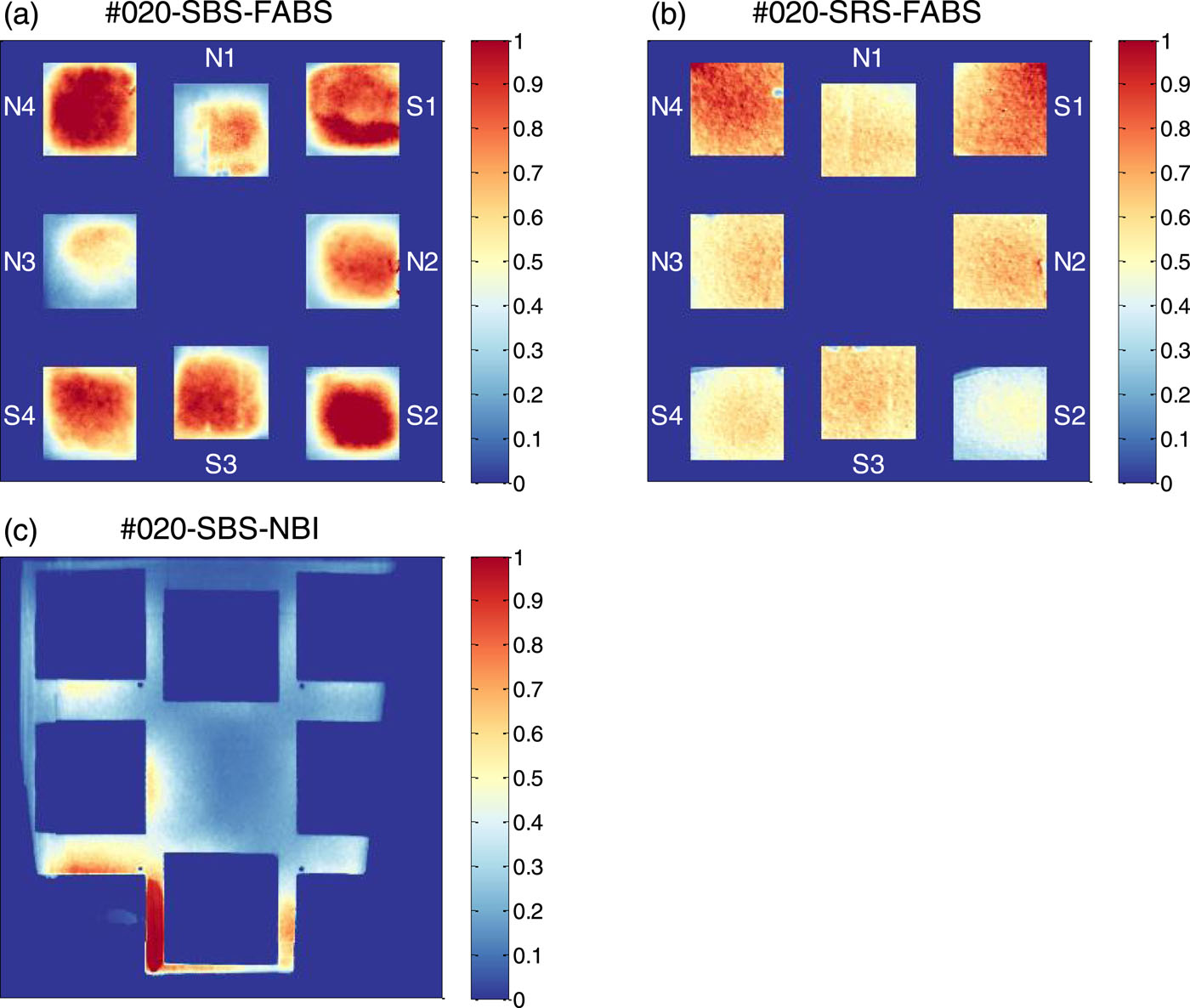
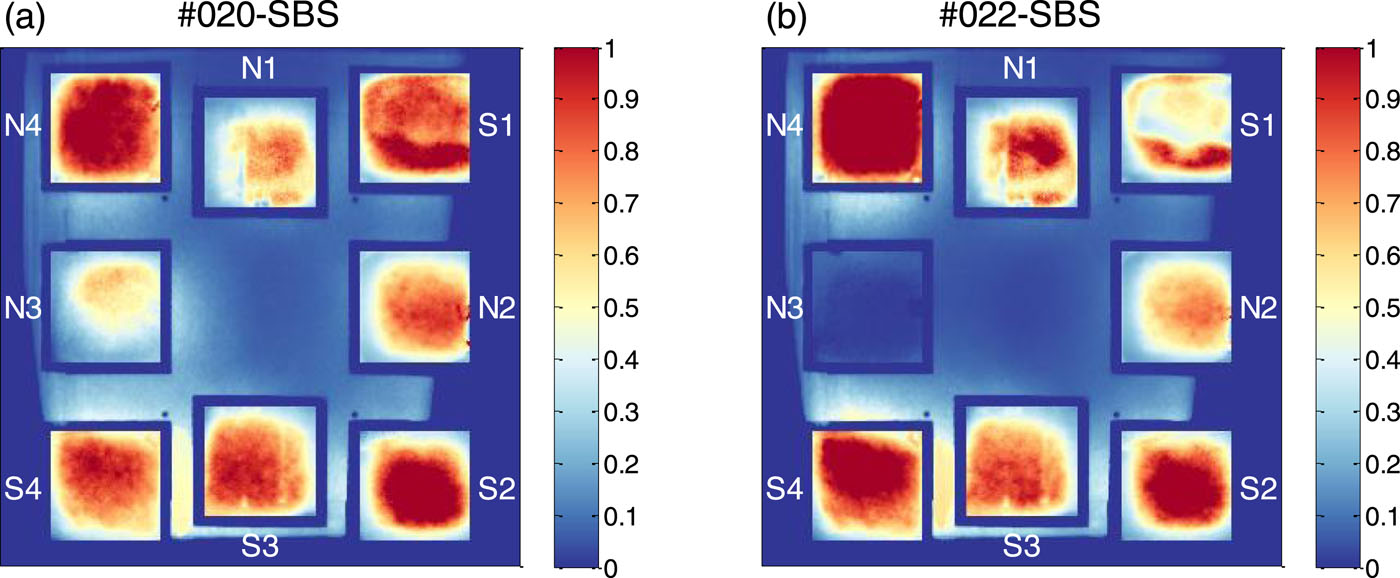
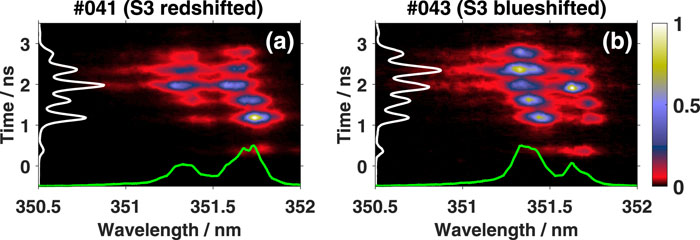
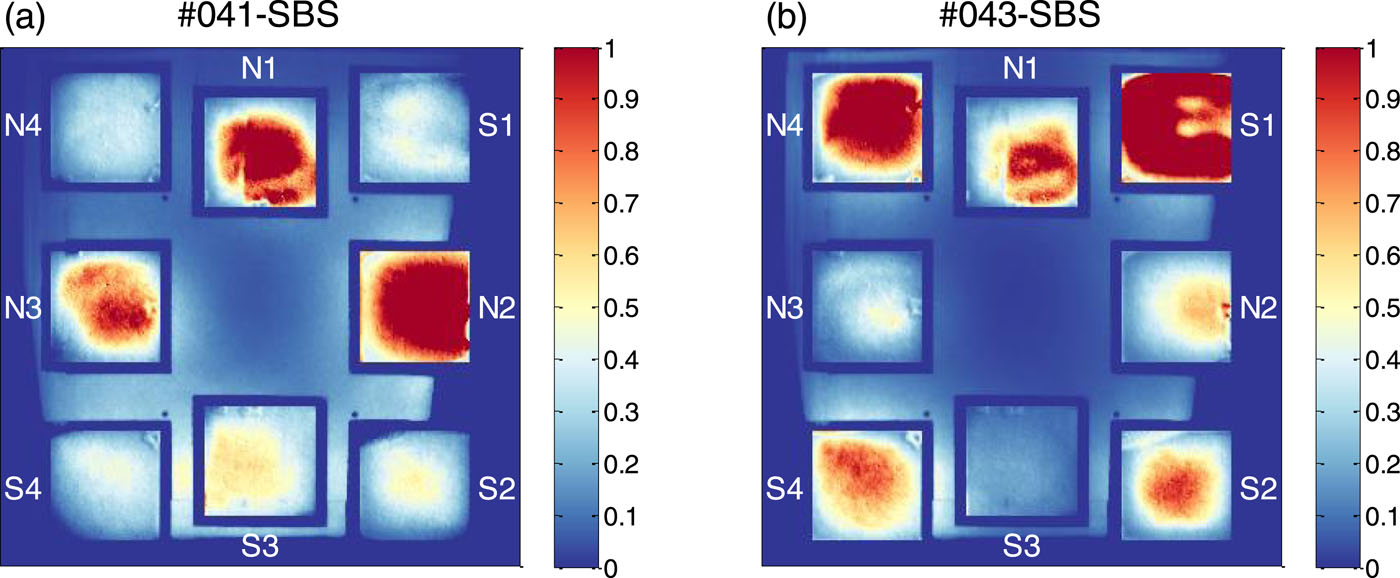
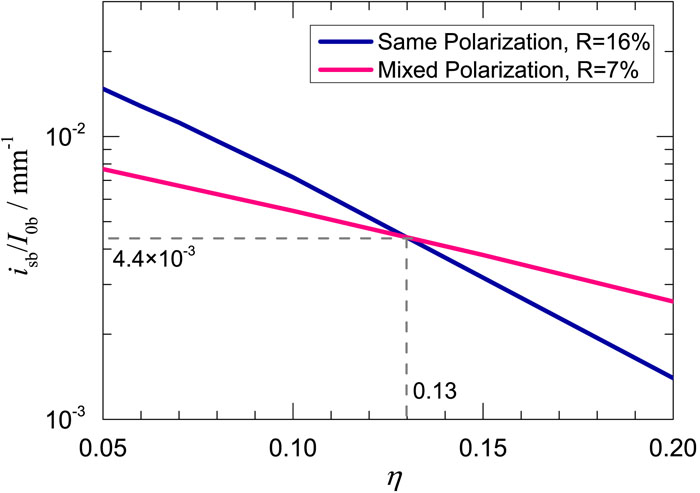
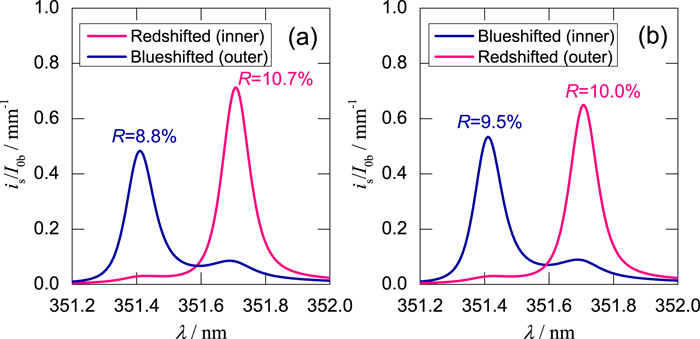
On laser facilities for achieving inertial confinement fusion ignition, several beams are usually bundled together and injected into the target chamber through a common port. This specific configuration could lead to laser–plasma interaction (LPI) processes that are quite different from those of a single laser beam, as well as to more options for suppressing LPI via combination of different laser smoothing techniques on the beams in a bundle. For studying LPI of a bundle of beams, a novel facility named Shenguang Octopus has been developed. Recently, the first LPI experiments have been performed by axially irradiating a gas-filled glass pipe or a gold hohlraum target with the bundled eight laser beams at an overlapped intensity of 1×10¹⁵W/cm2, producing ∼5-mm-long homogeneous plasmas with densities of 3×1020cm3 and temperatures of 1.2–1.5 keV. Efficient laser propagation without plasma filamentation and beam spraying has been observed via side-on X-ray images of glass pipe targets. Results from the gold hohlraum targets indicate that single-beam backward stimulated Brillouin scattering (SBS) and multibeam seeded side-SBS play major roles in the interaction, while other multibeam LPI processes expected before the experiments are not observed. Several beam smoothing techniques, such as mixed polarizations, smoothing by spectral dispersion, and multicolor mode, are demonstrated to be effective in suppressing LPI under current conditions.
Radiation and Hydrodynamics
Atomic understanding of Kelvin–Helmholtz instability at single-crystal copper interface with an initial corrugated disturbance under different tangential velocities
Shi Jianhao, Wang Xi, Hu Xiaomian, Wu Zihui, Pan Hao
2026, 11(3) doi: 10.1063/5.0290672
Abstract:
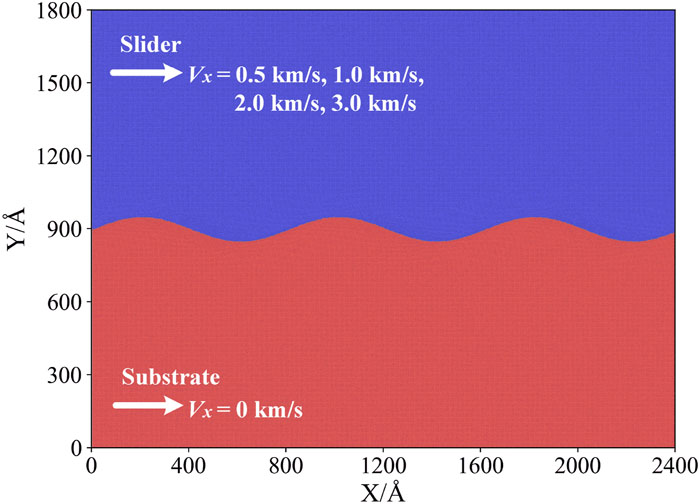
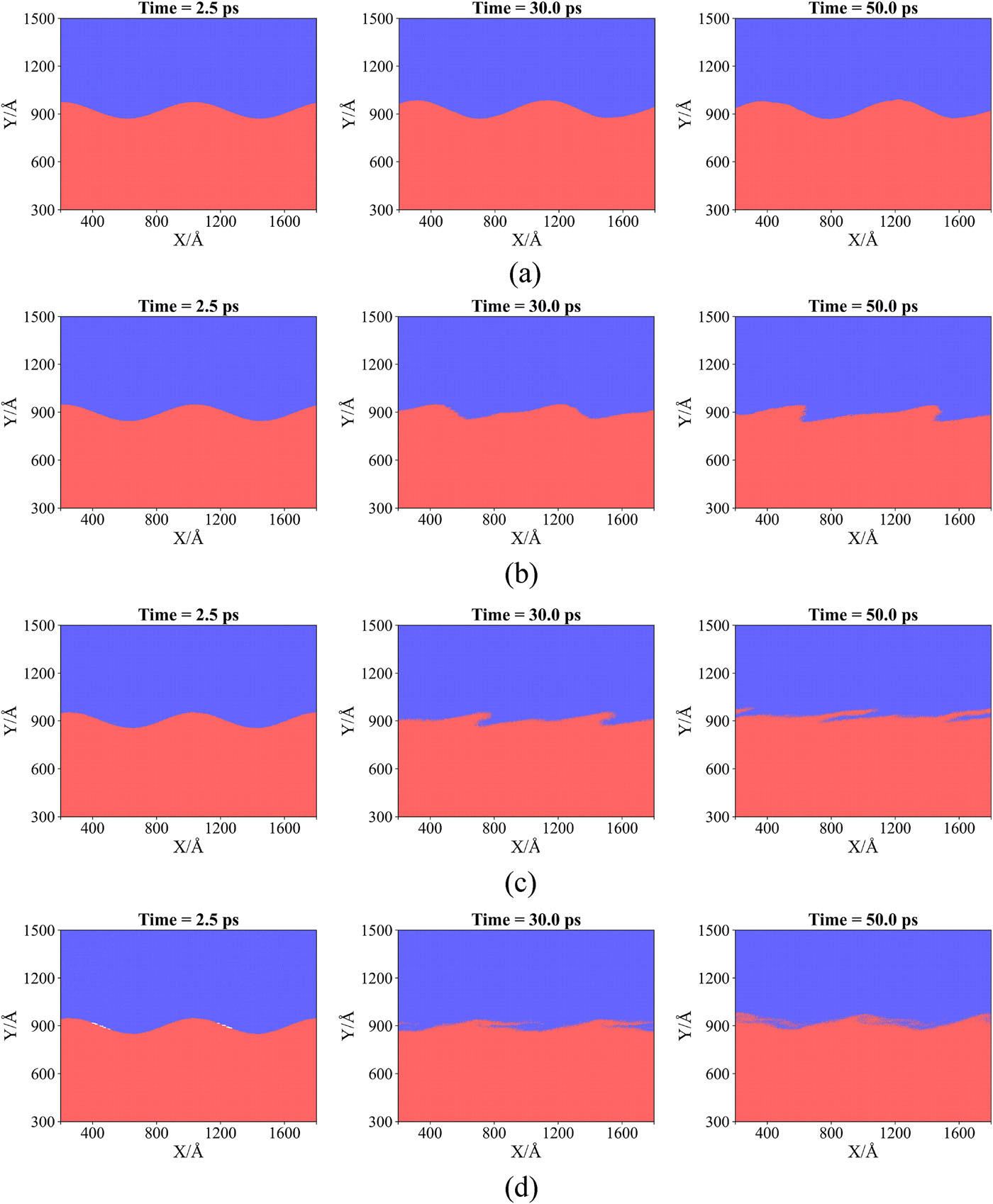
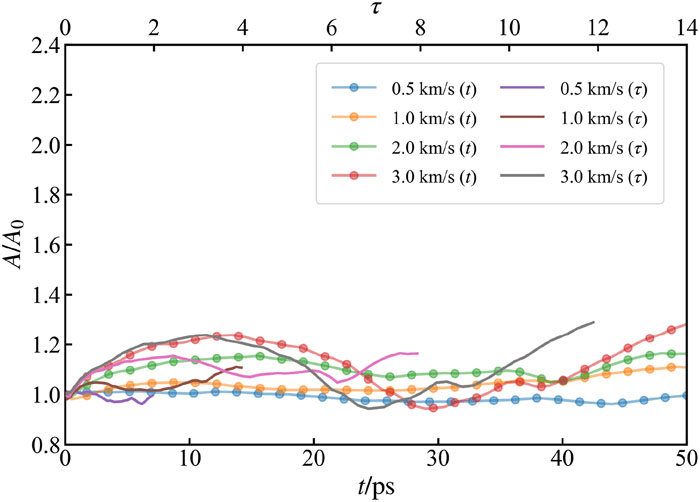
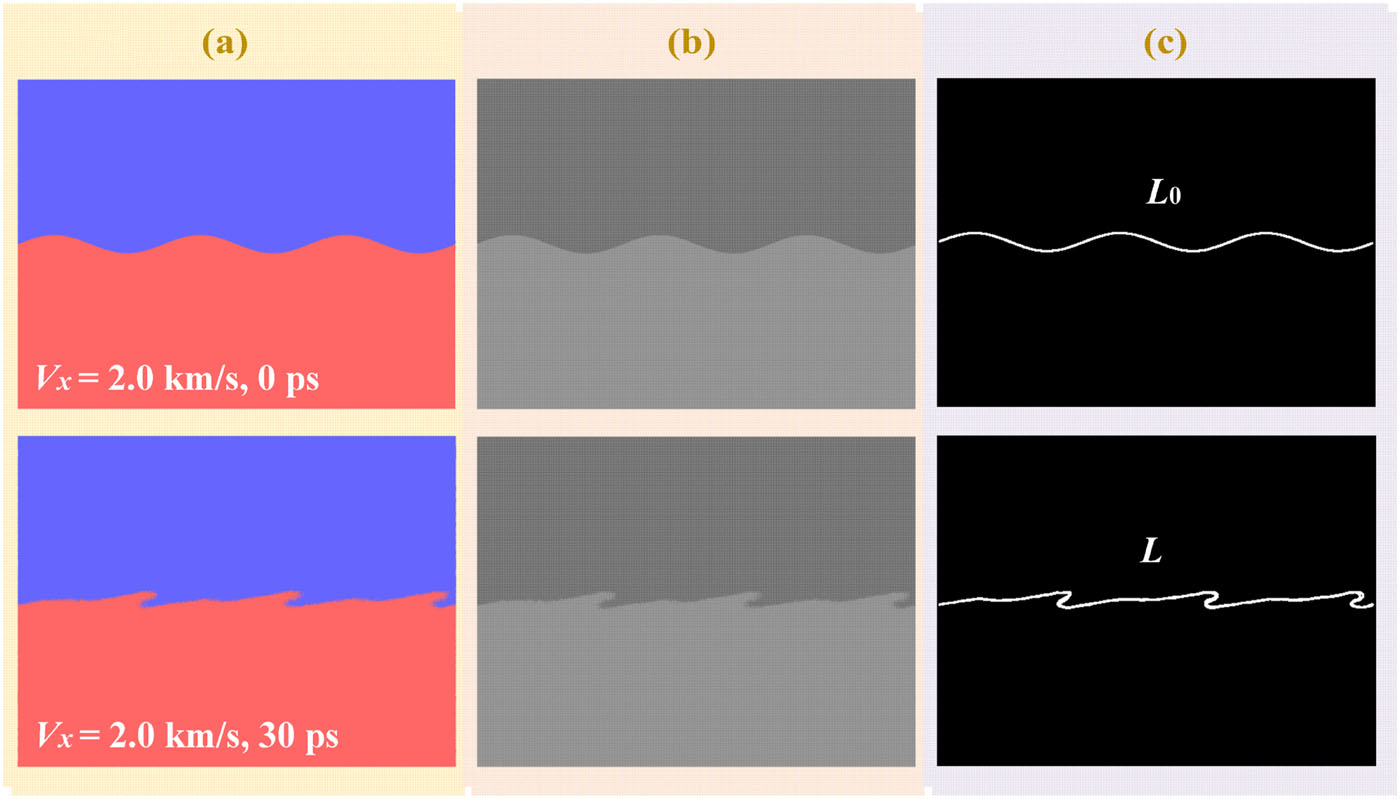
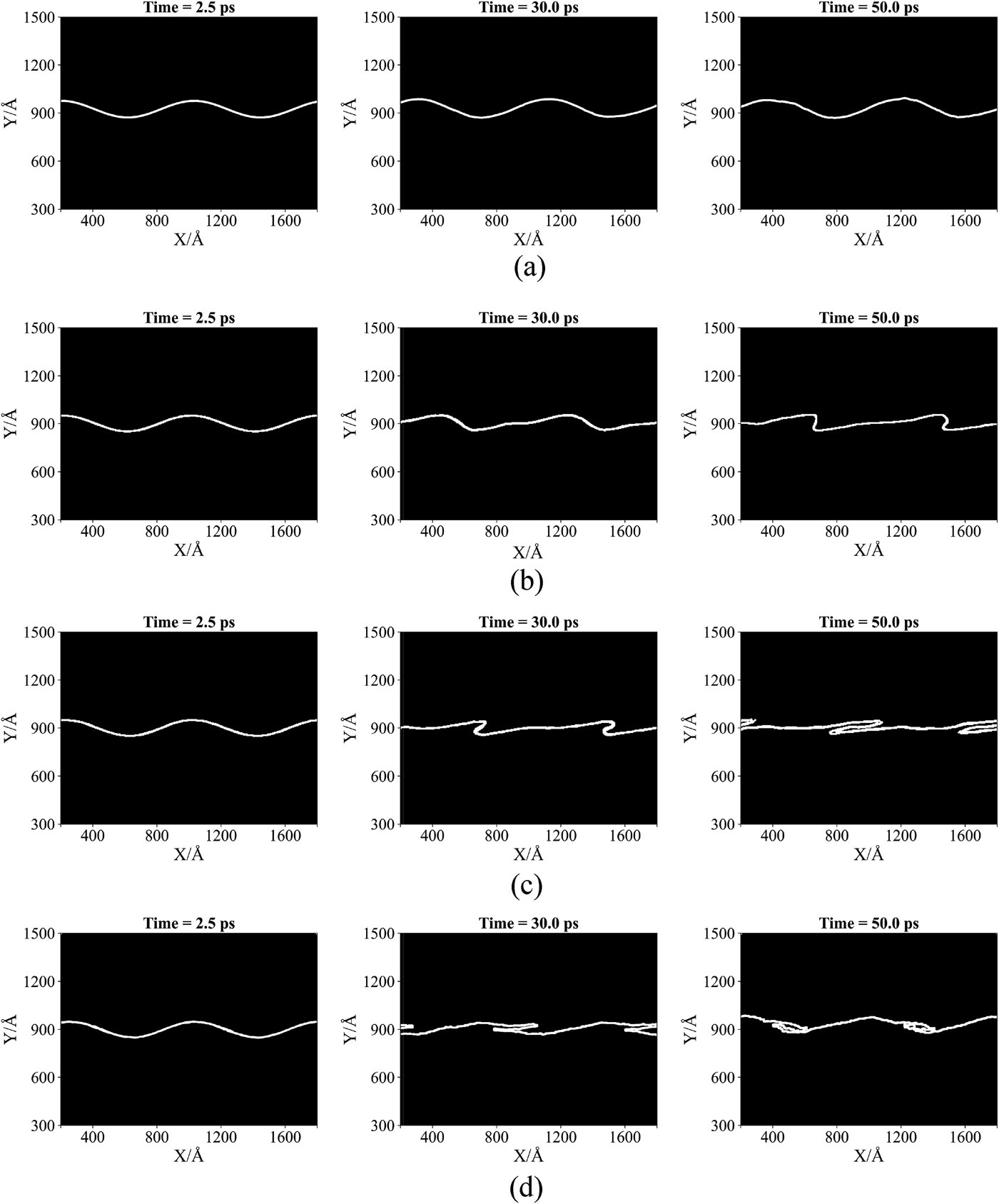
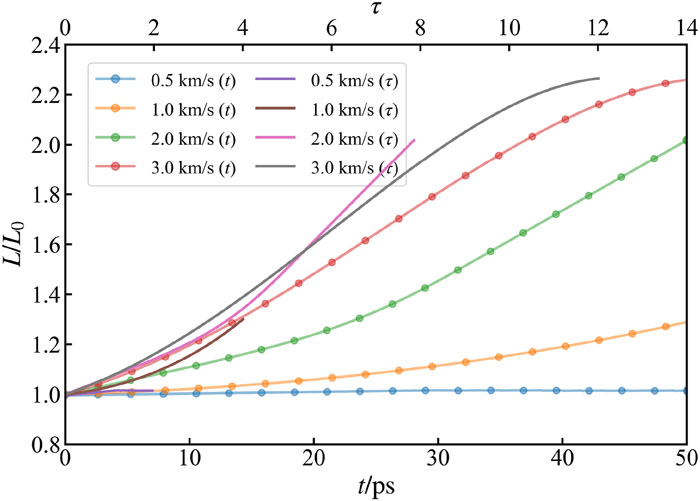
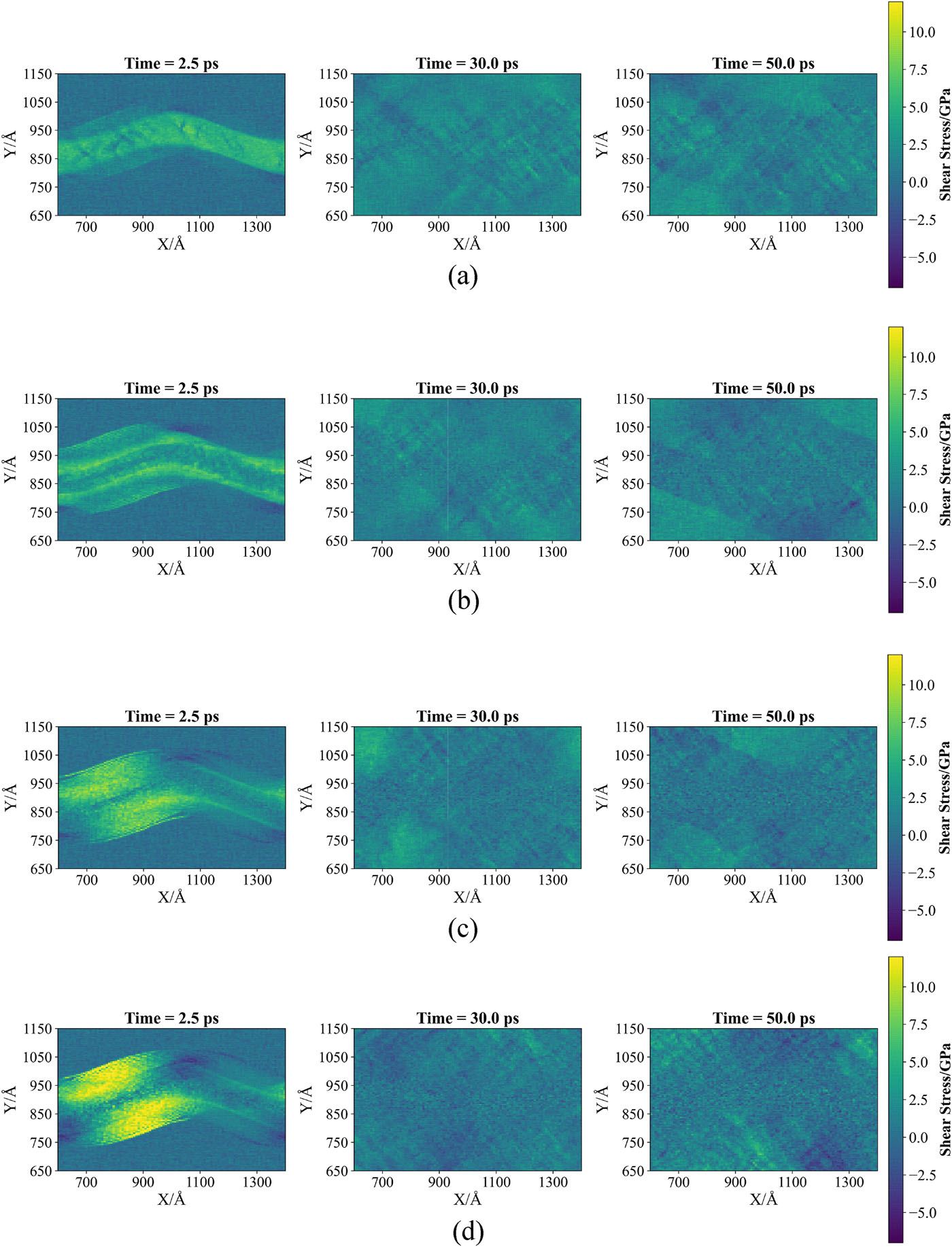
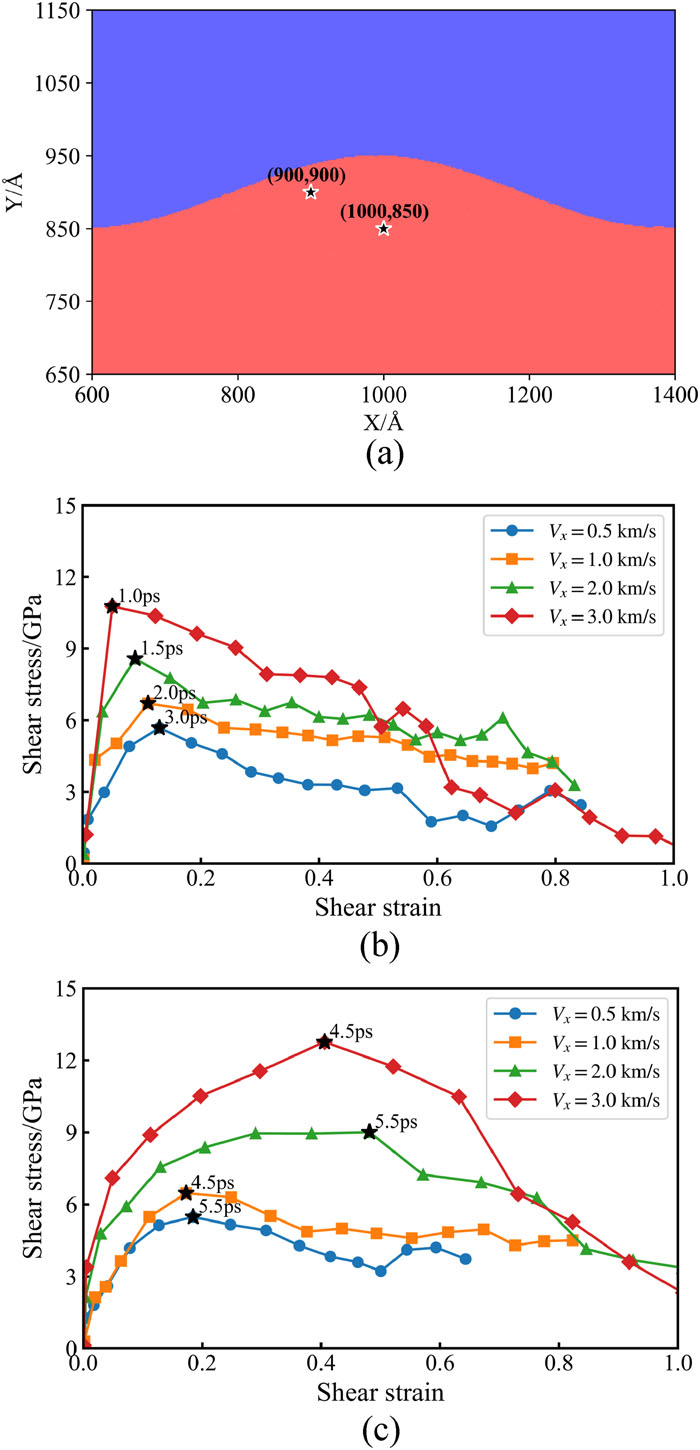
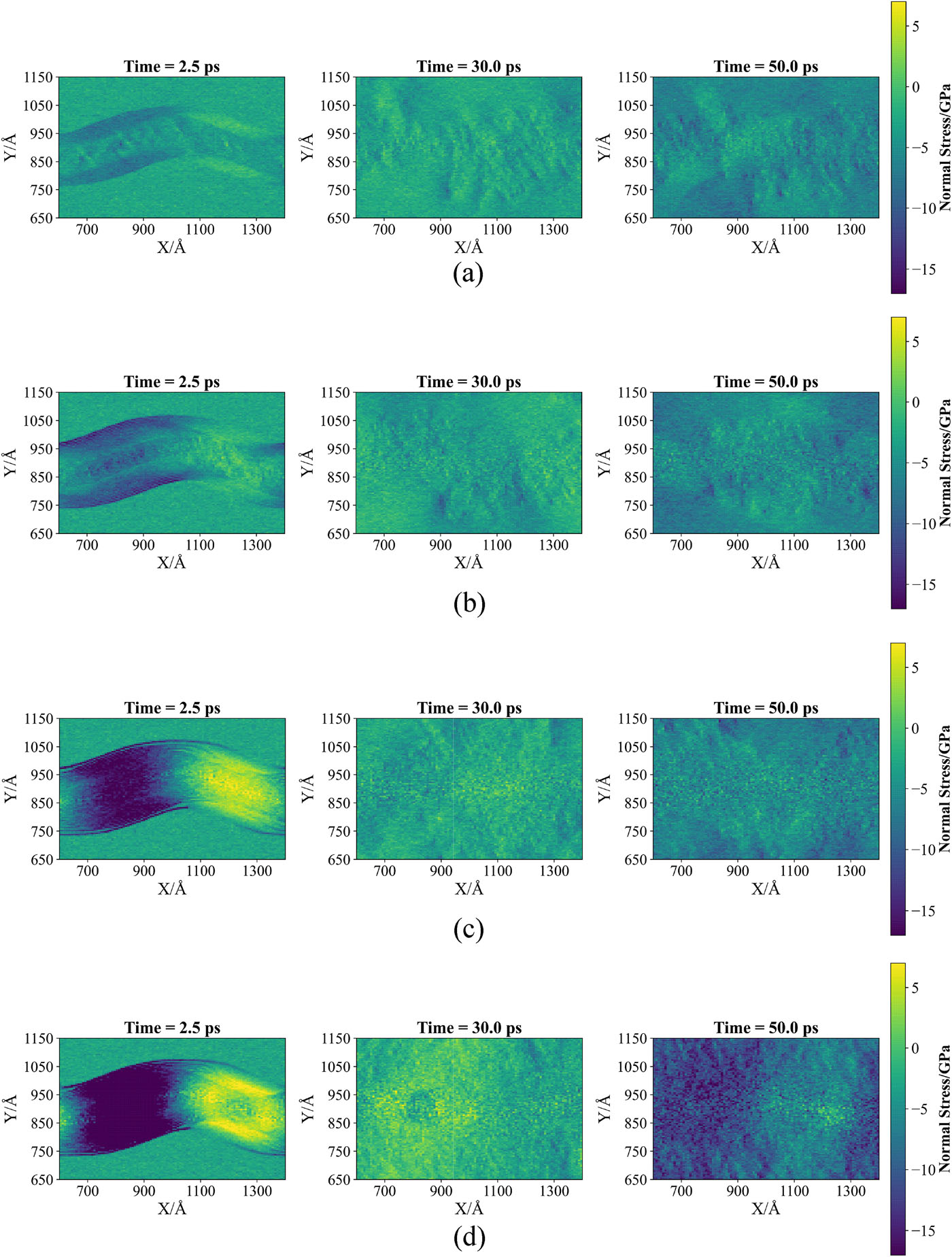
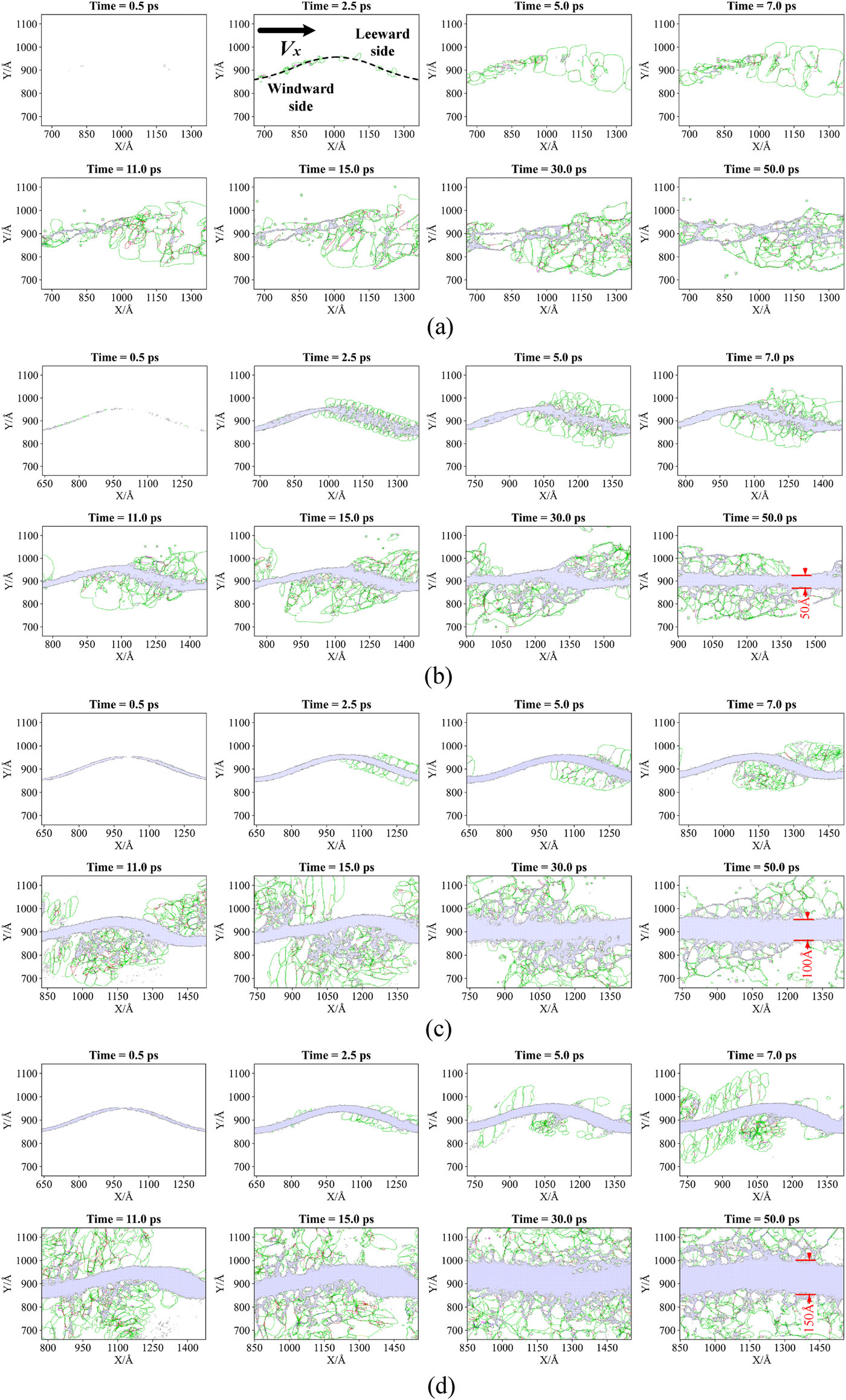
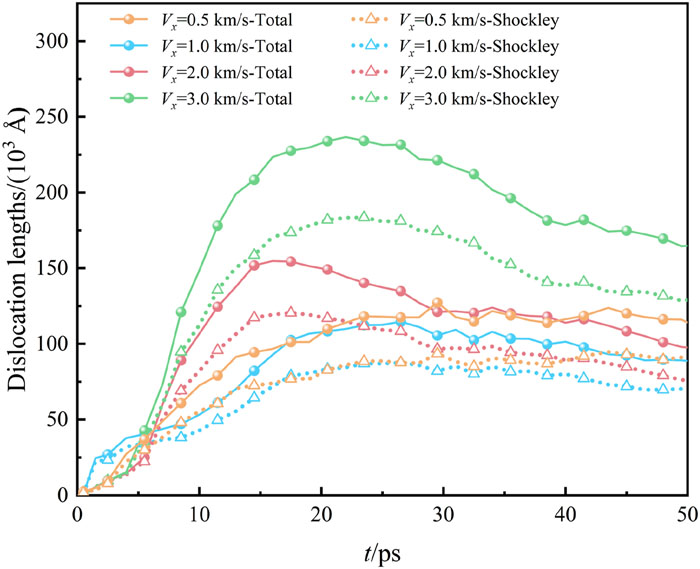
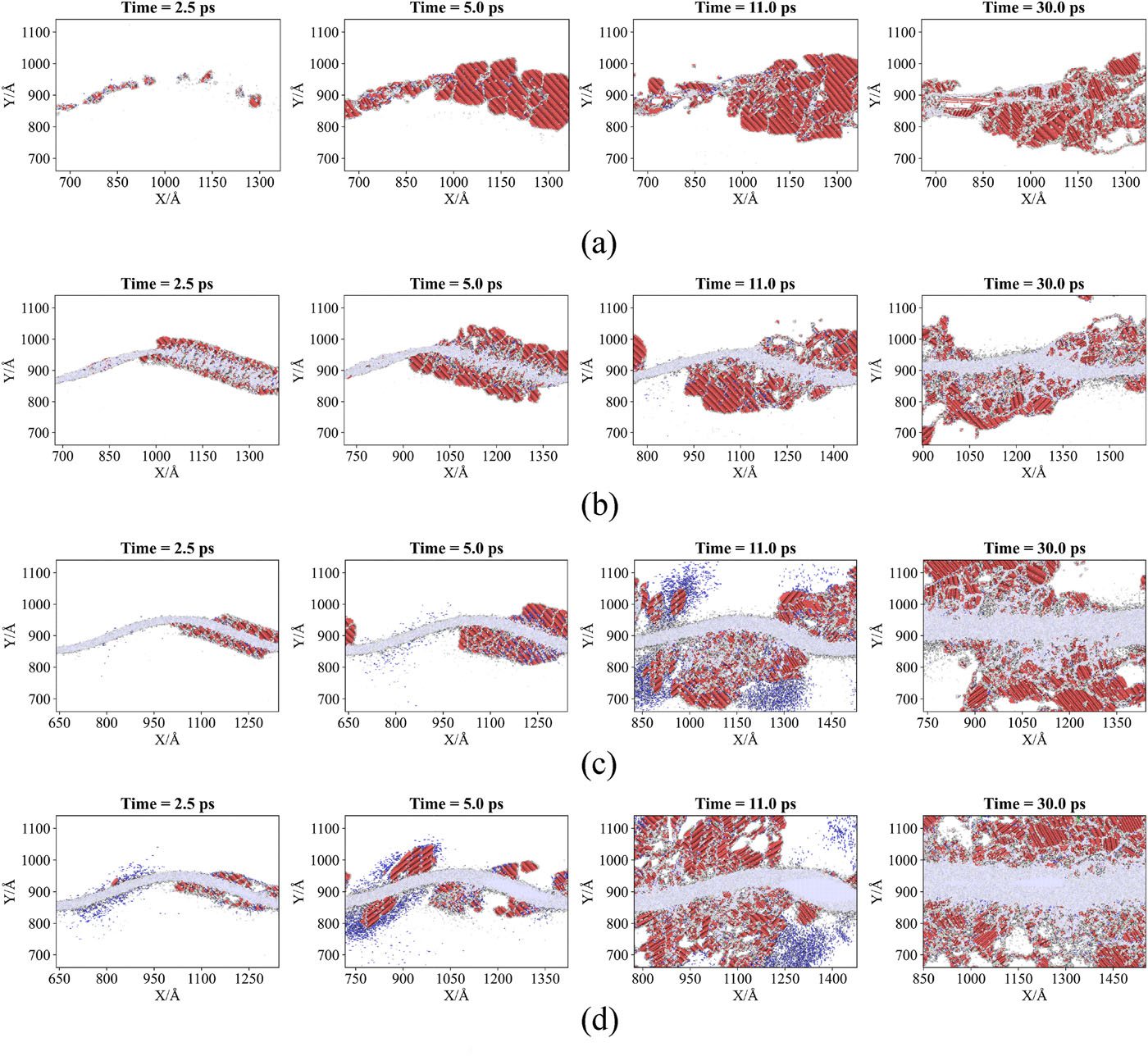
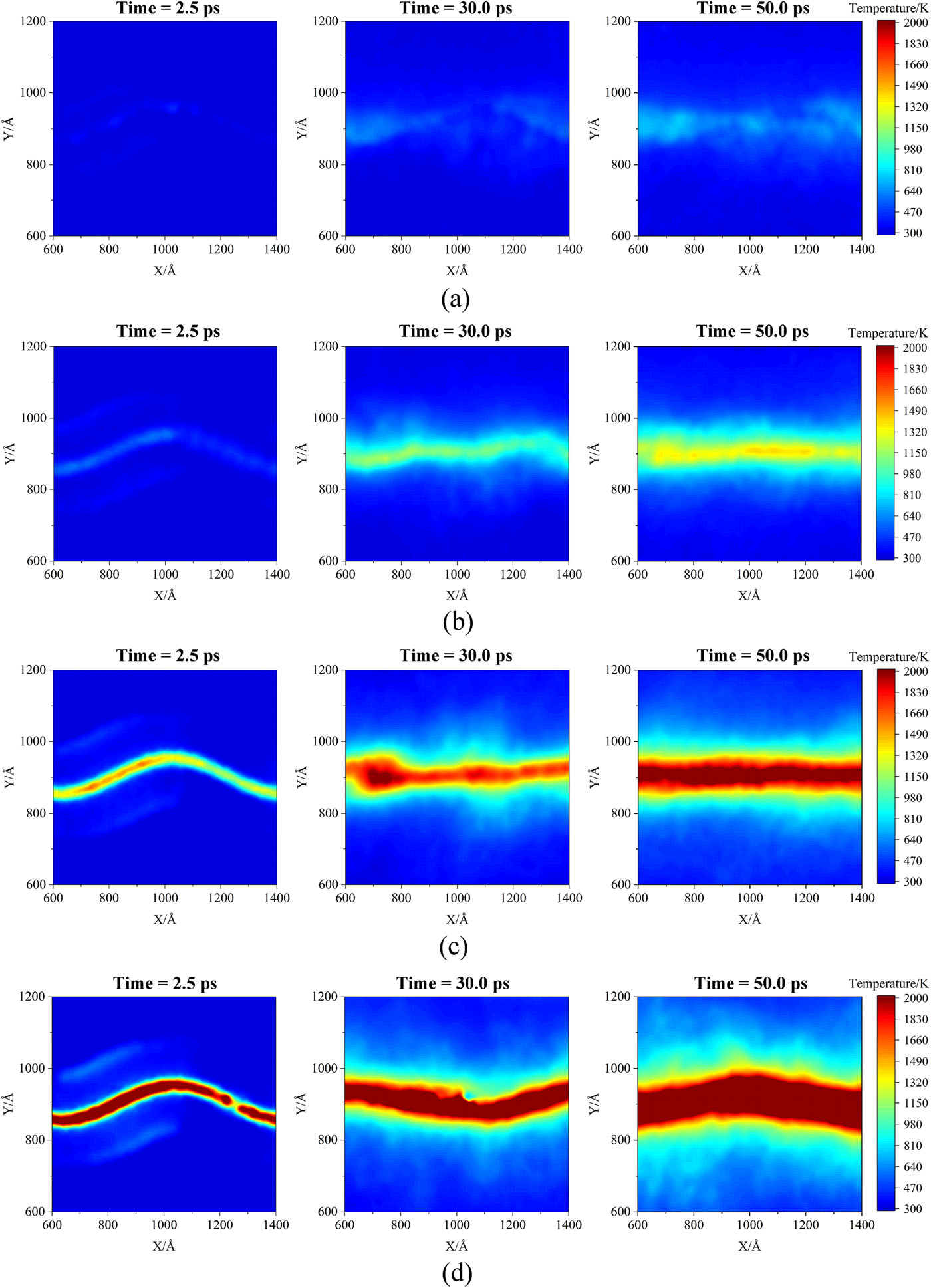
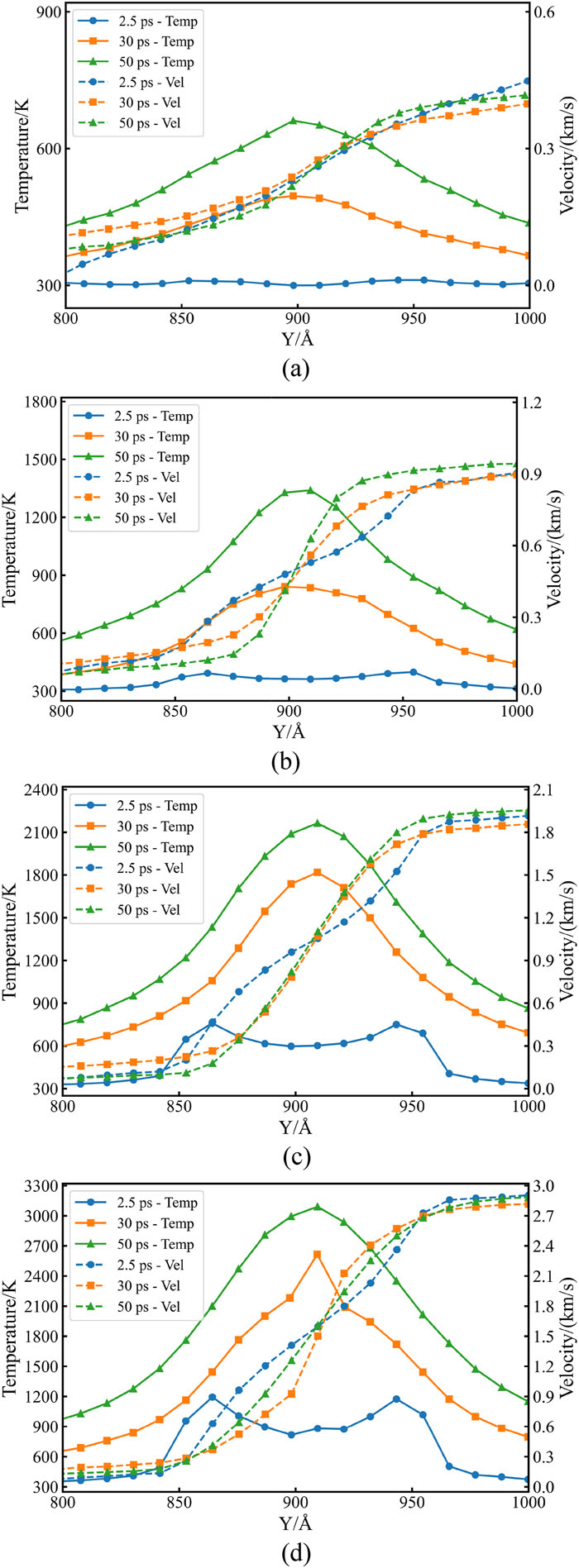
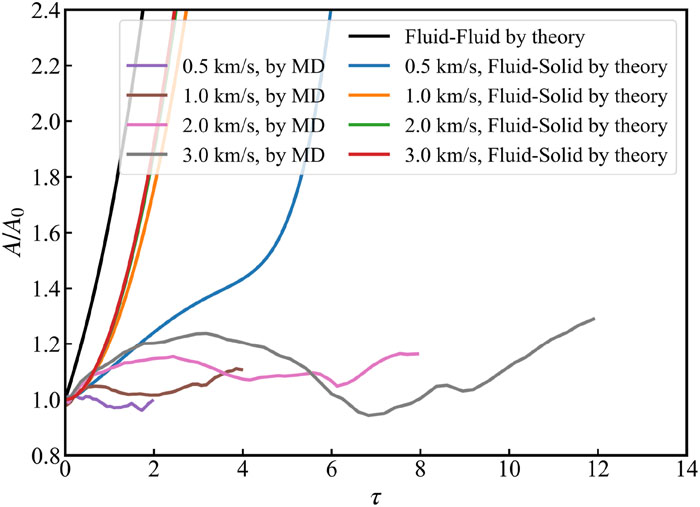
The evolutionary mechanisms of Kelvin–Helmholtz instability at single-crystal copper–copper interfaces with initial sinusoidal perturbation under different tangential velocity discontinuities (0.5, 1.0, 2.0, and 3.0 km/s) are investigated through molecular dynamics simulations. Distinct characteristics of stable and unstable interface morphologies are identified. The interface contact length, rather than the perturbation amplitude, extracted by an edge detection method, is selected as an appropriate physical quantity to indicate the state of the interface. The interface is stable for a tangential velocity discontinuity of 0.5 km/s, since the contact length remains essentially unchanged, but it is unstable for the other three velocities, since the contact length increases continuously. The contact lengths of unstable interfaces exhibit distinctly different nonlinear growth patterns. The microstructural evolutions for stable and unstable interfaces are also revealed. Sparse distributions of microstructures, such as dislocations and stacking faults, are observed in a stable interface, whereas extensive propagation, indicating large areas of plastic deformation, is found in unstable interfaces. Furthermore, a large number of metastable phase atoms emerge during plastic deformation, and an amorphous belt whose thickness grows as the velocity increases is formed near unstable interfaces. A thicker amorphous belt corresponds to greater plastic work, which produces a wider high-temperature belt near the interface. It also leads to the formation of a thicker shear belt with a high gradient velocity profile, creating a dynamic condition to promote the instability and thus distort the interface.

Reversible thermodynamic pathways in shock-compressed liquid nitrogen: Unveiling the role of molecular dissociation in shock cooling and phase transition
Akram Muhammad Sabeeh, Sattar Shumail, Wei Yi-Wen, Yang Lei, Yuan Wen-Shuo, Fan Zhuo-Ning, Liu Qi-Jun, Liu Fu-Sheng
2026, 11(3) doi: 10.1063/5.0311261
Abstract:
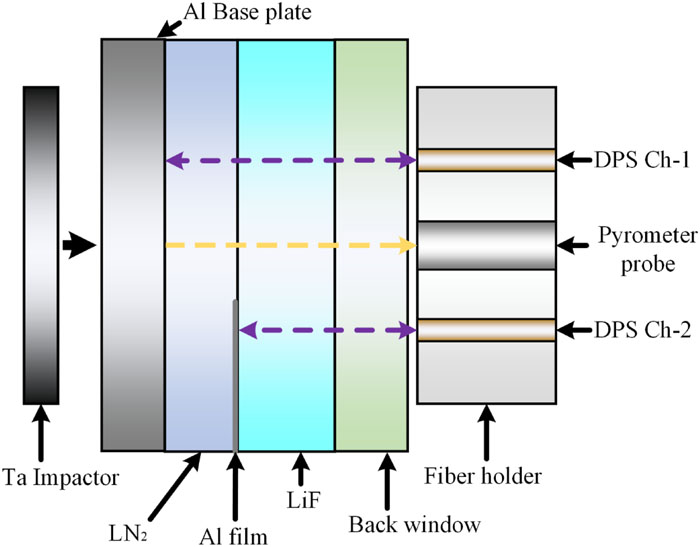
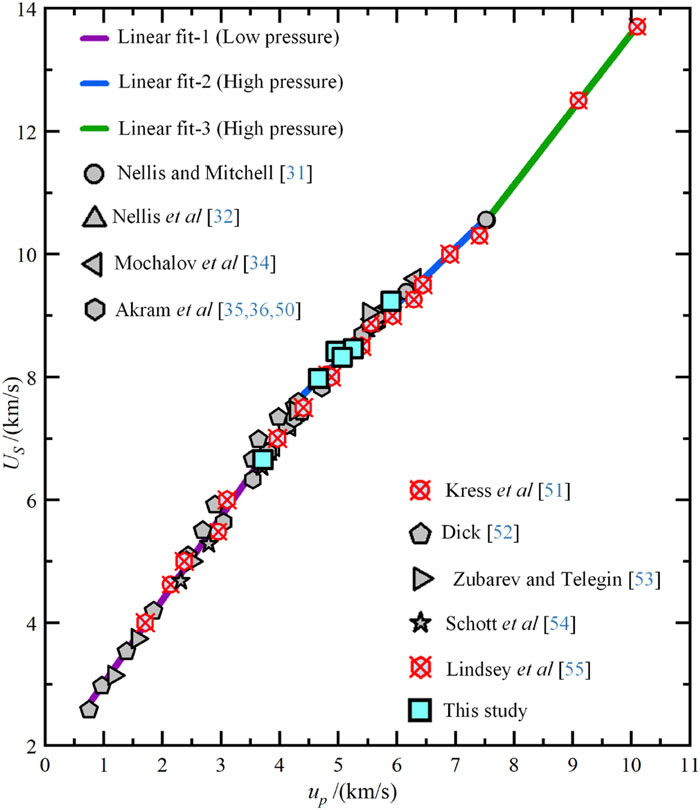
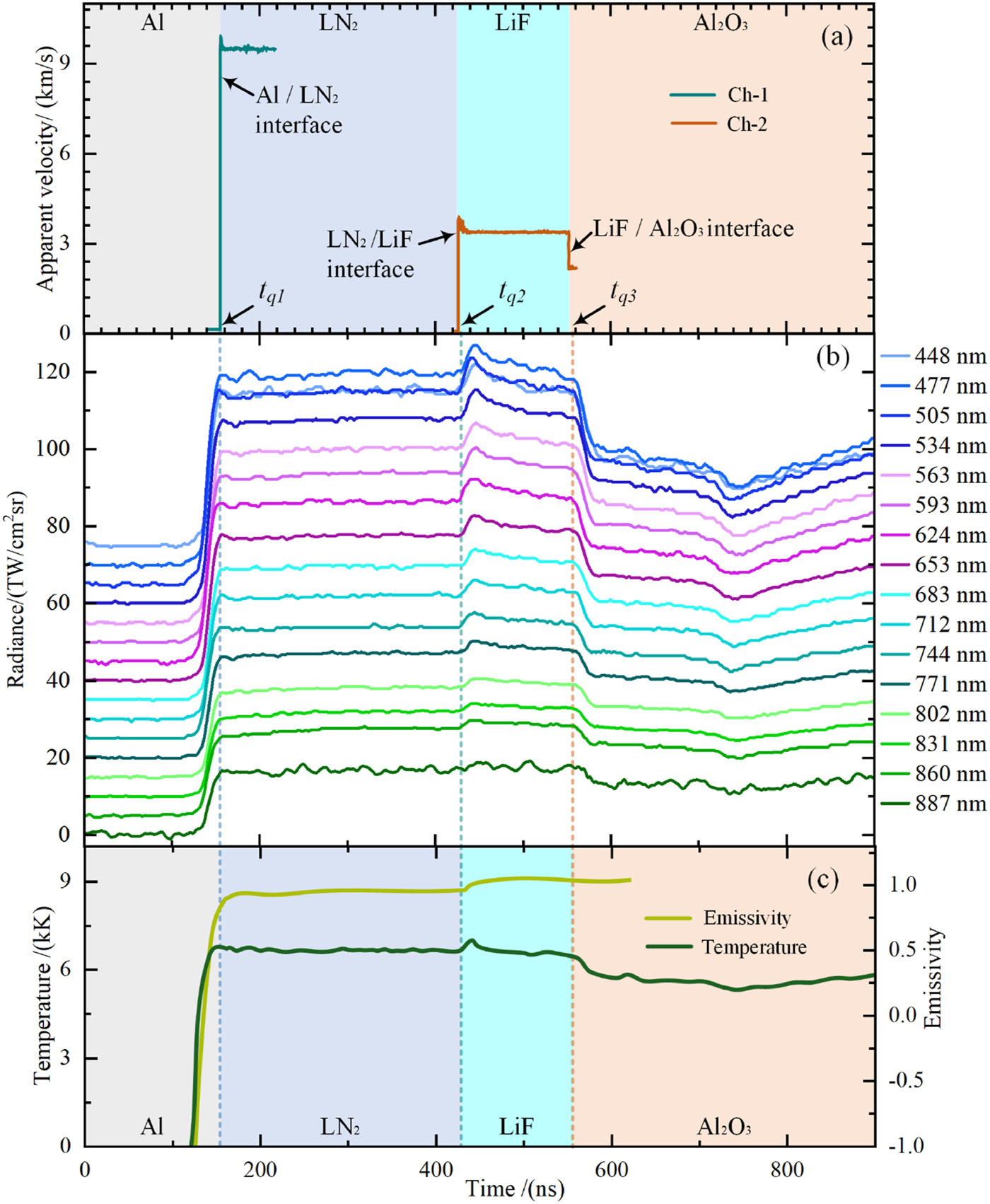
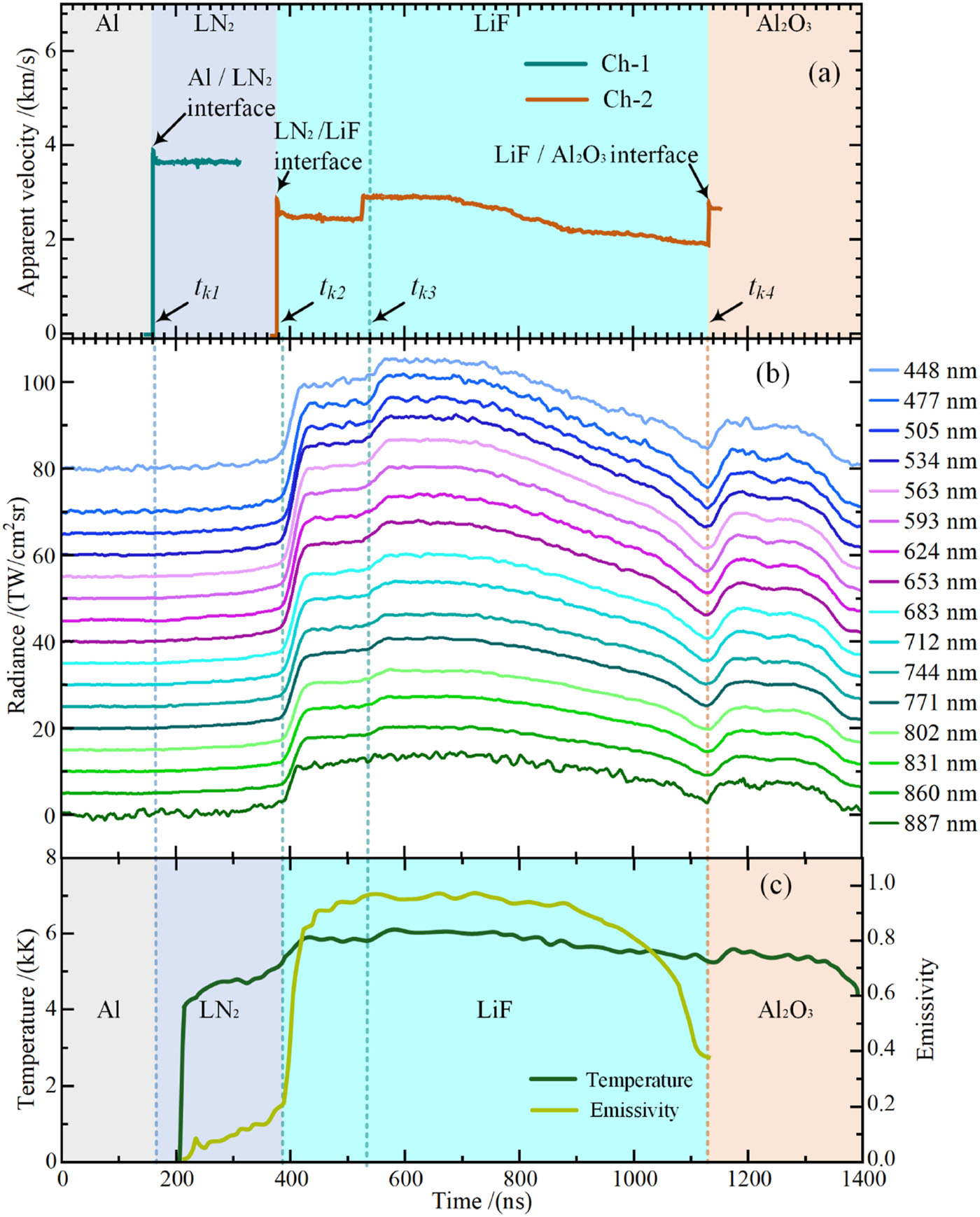
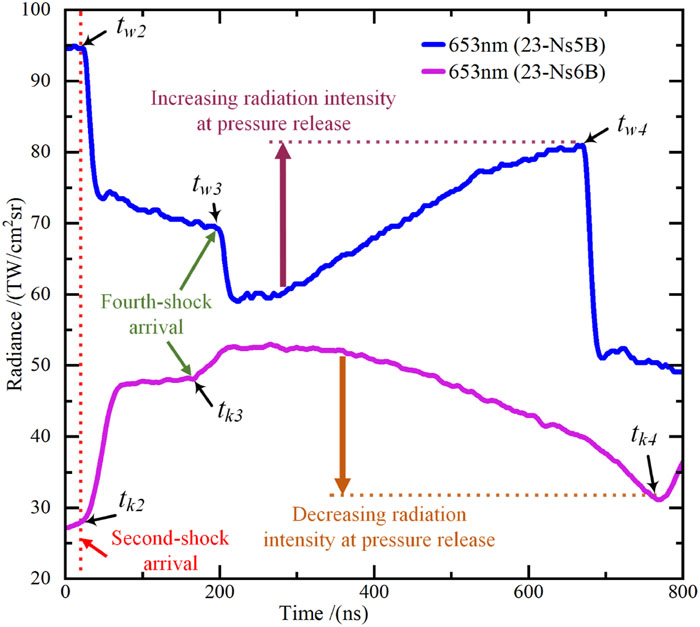
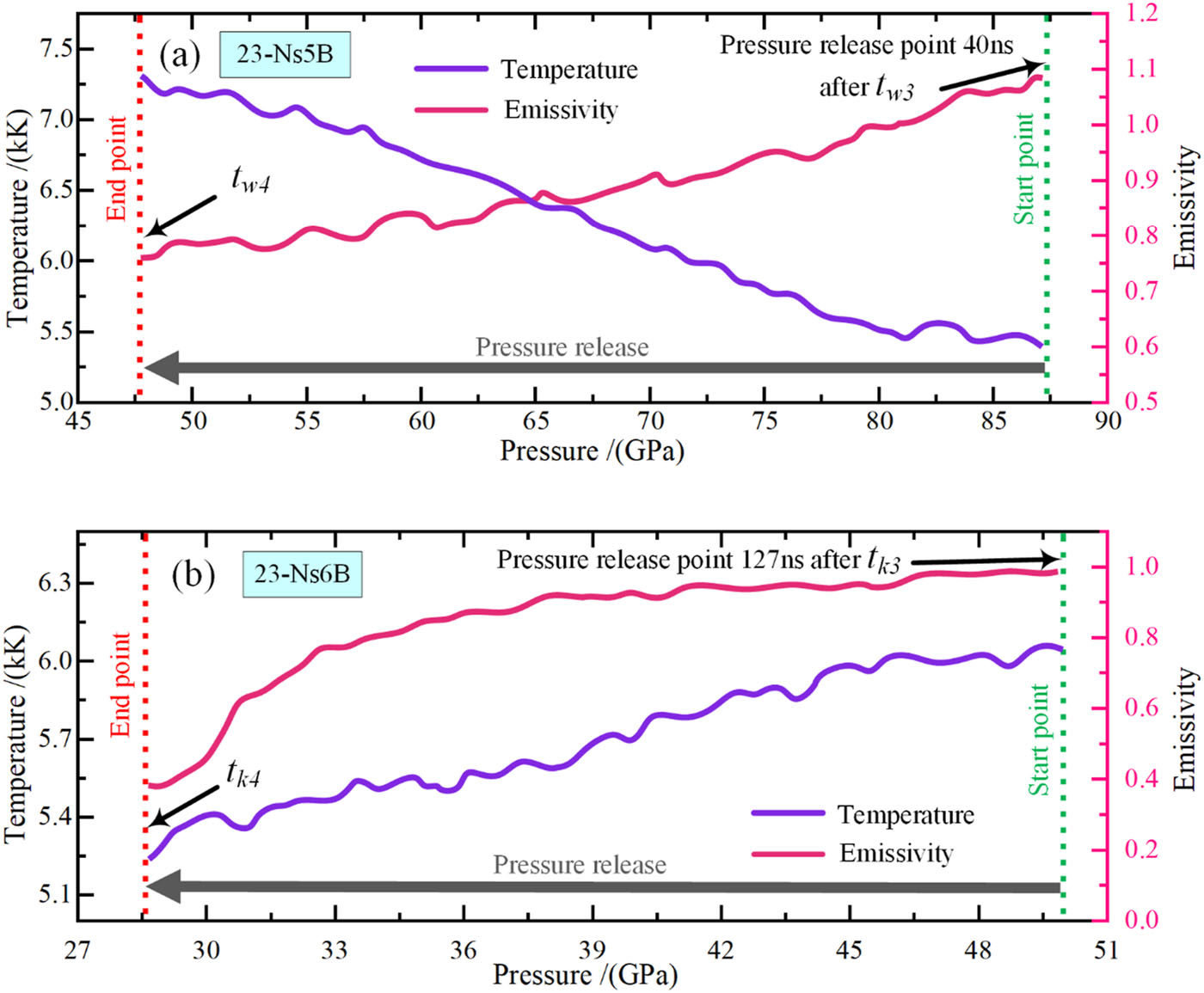
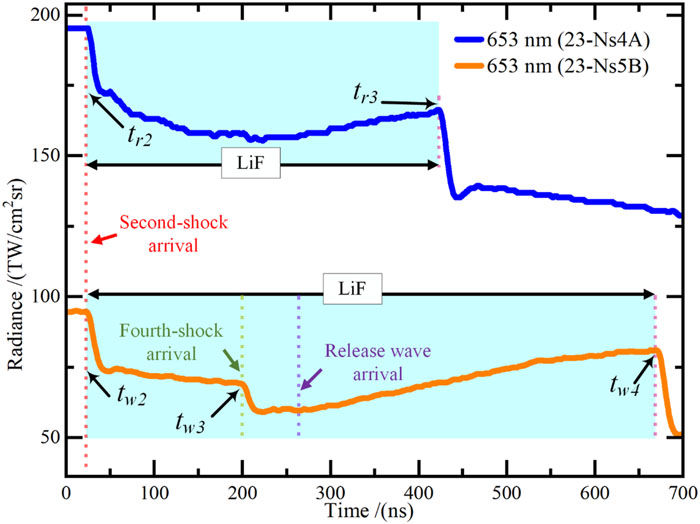
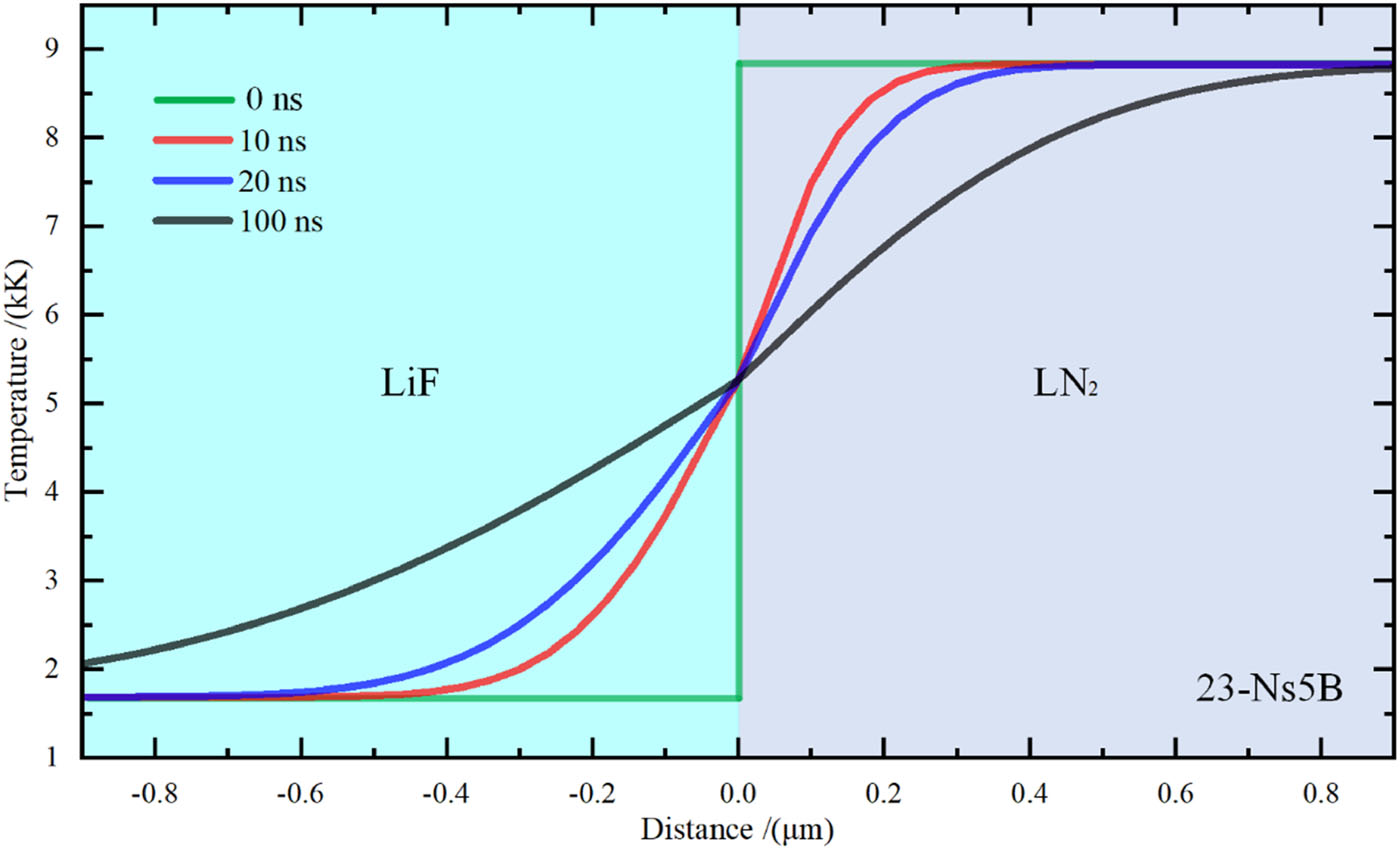
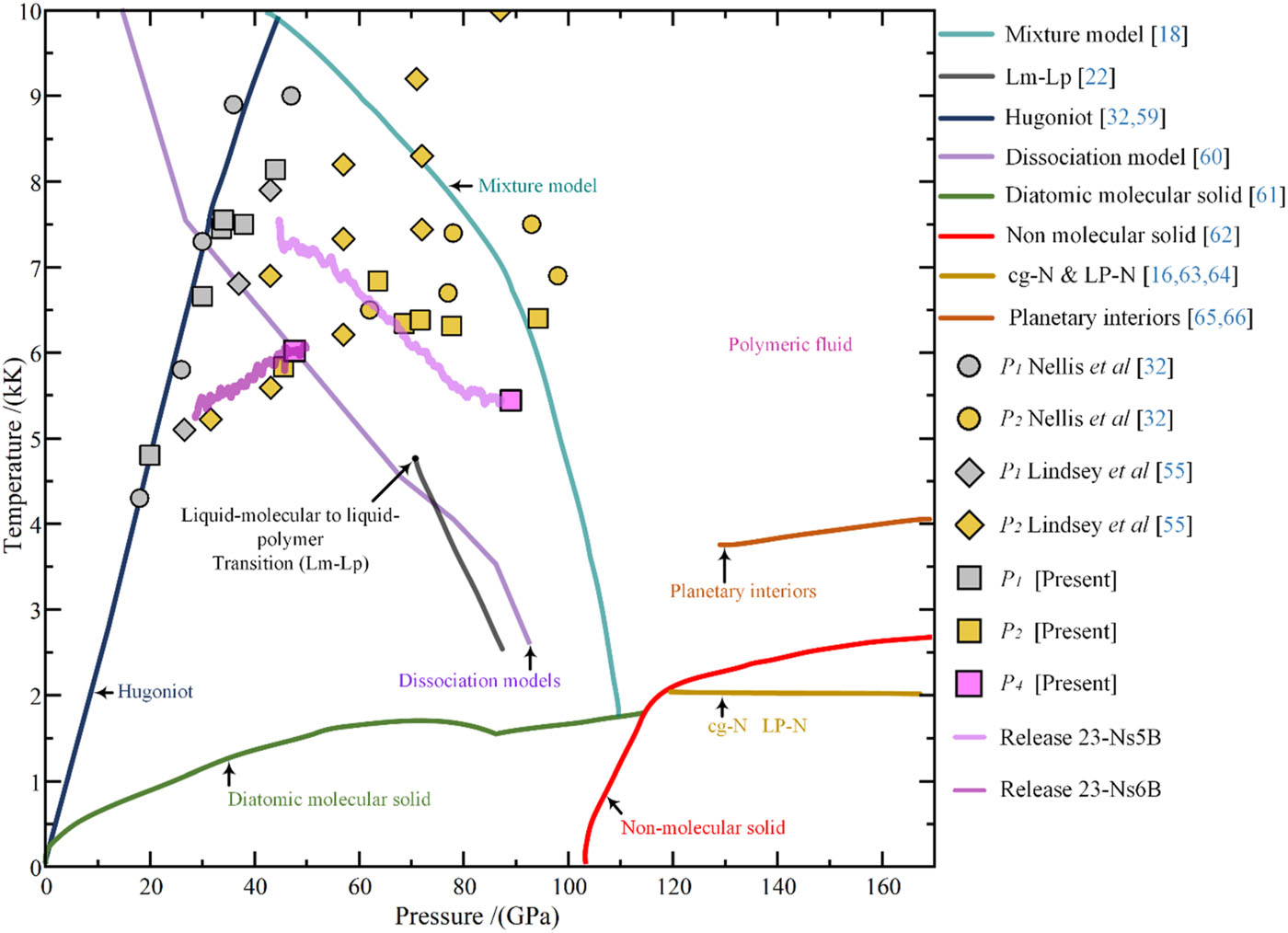
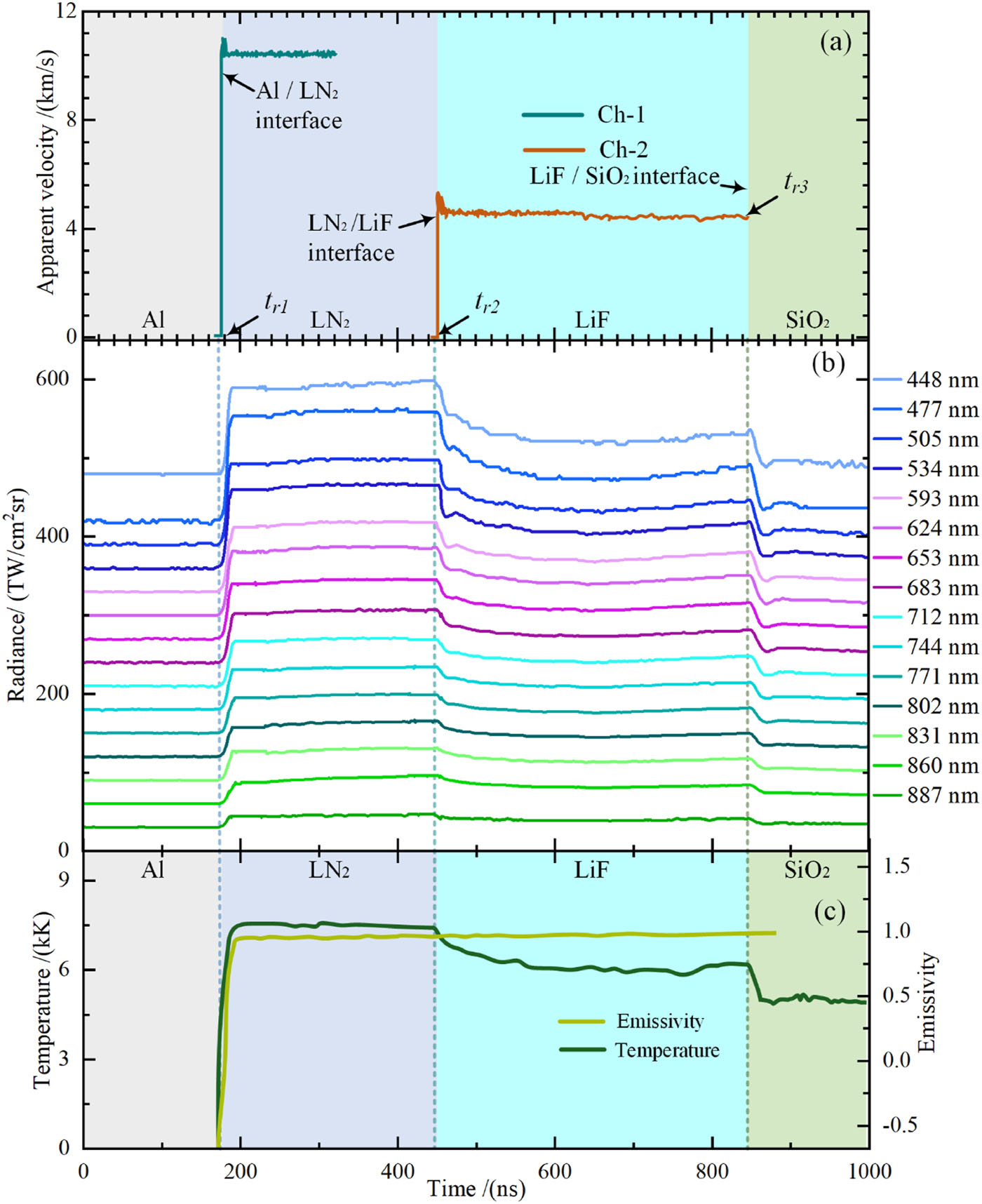
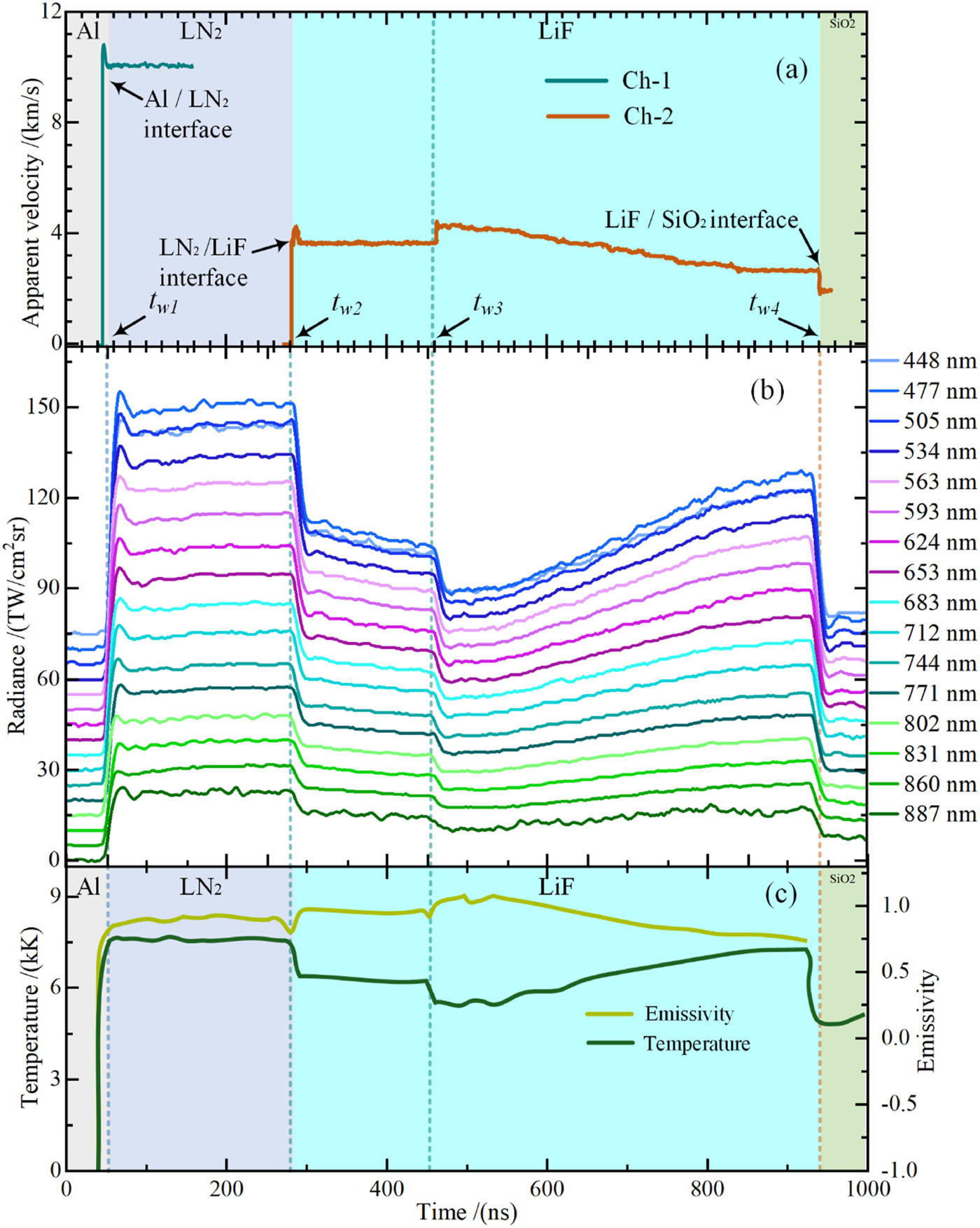
This study investigates the high-pressure behavior of liquid nitrogen (LN2), under dynamic compression from 19 to 89 GPa and corresponding temperatures from 4000 to 8200 K. Using Doppler velocimetry and multichannel pyrometry, we determine the Hugoniot states, shock temperatures, and emissivity. The application of sequential shocks and subsequent pressure release process lead to significant variations in radiance and radiative temperature, which help to predict the optical transparency at the LN2/LiF interface. Our results indicate the existence of two distinct thermodynamic pathways. In experiments with an initial shock >30 GPa, at the second shock (re-shock), the fluid undergoes shock cooling, which we attribute to the formation of a transient complex molecular state. Further, during pressure release, we observe thermal energy emission, which indicates that decompression primarily governs the phase transitions as well as the reversible thermodynamic pathways. By contrast, LN2 initially shocked to 19 GPa undergoes dissociation upon re-shock, followed by recombination during pressure release, with no evidence of cooling being observed. A comparison of these results suggests that shock cooling consistently appears above 30 GPa and 6500 K. Furthermore, these two regimes are differentiated by their response to pressure release: while both show a decrease in emissivity that reflects restoration of the fluid’s transparency, the magnitudes are dramatically different. A 21% decrease occurs in the shock-cooling regime, compared with a 39% reduction in the dissociation-dominated regime.
Micrometer-scale pore collapse mechanisms in shocked HMX single crystal: Experiments and simulations
Wang Hanyu, Ma Xiao, Ma Yuncan, Chu Genbai, Ding Kai, Tu Shaoyong, Fu Hua, Zheng Xianxu, Wang Xinjie, Cao Zhurong, Huang Fenglei
2026, 11(3) doi: 10.1063/5.0300508
Abstract:
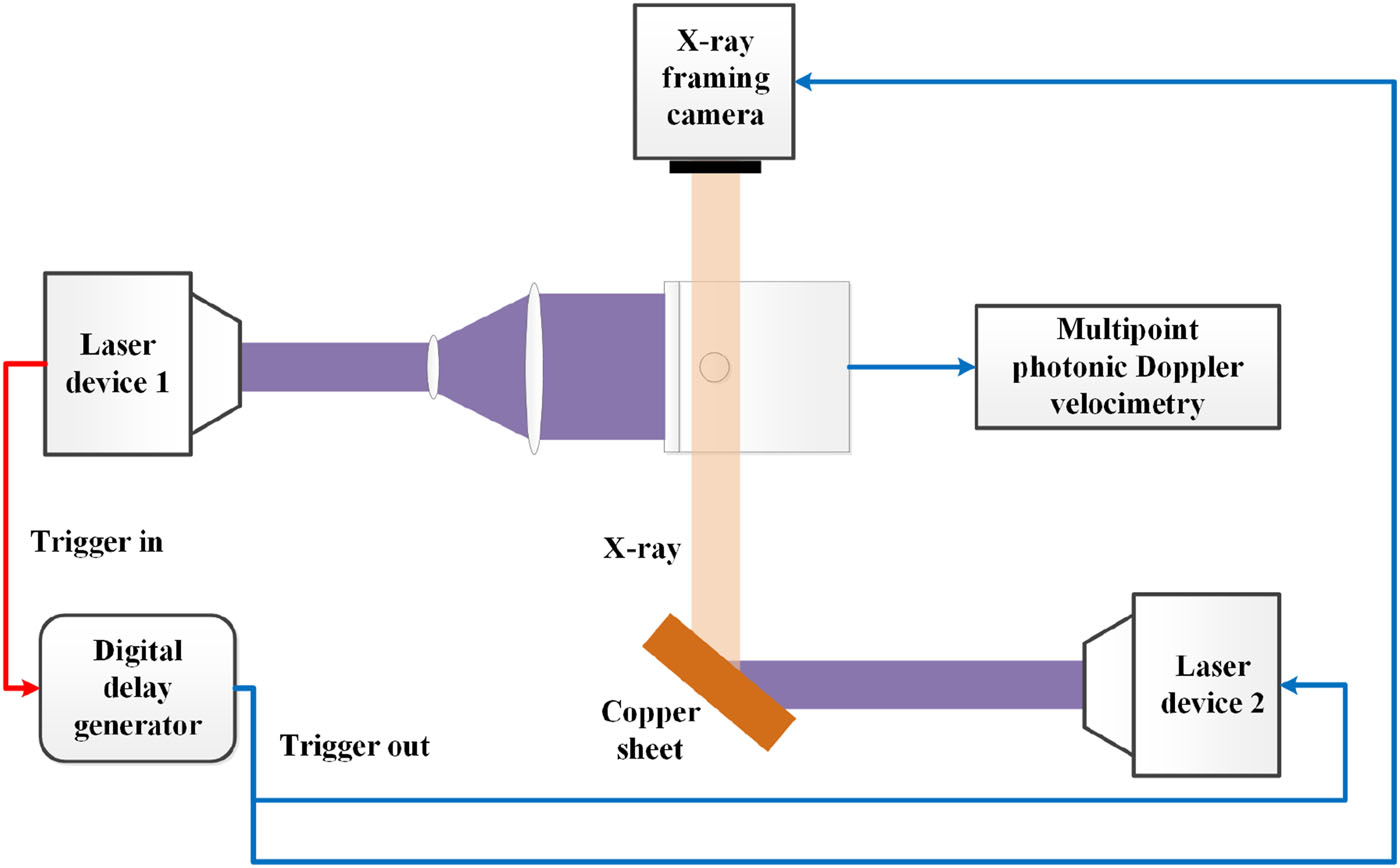
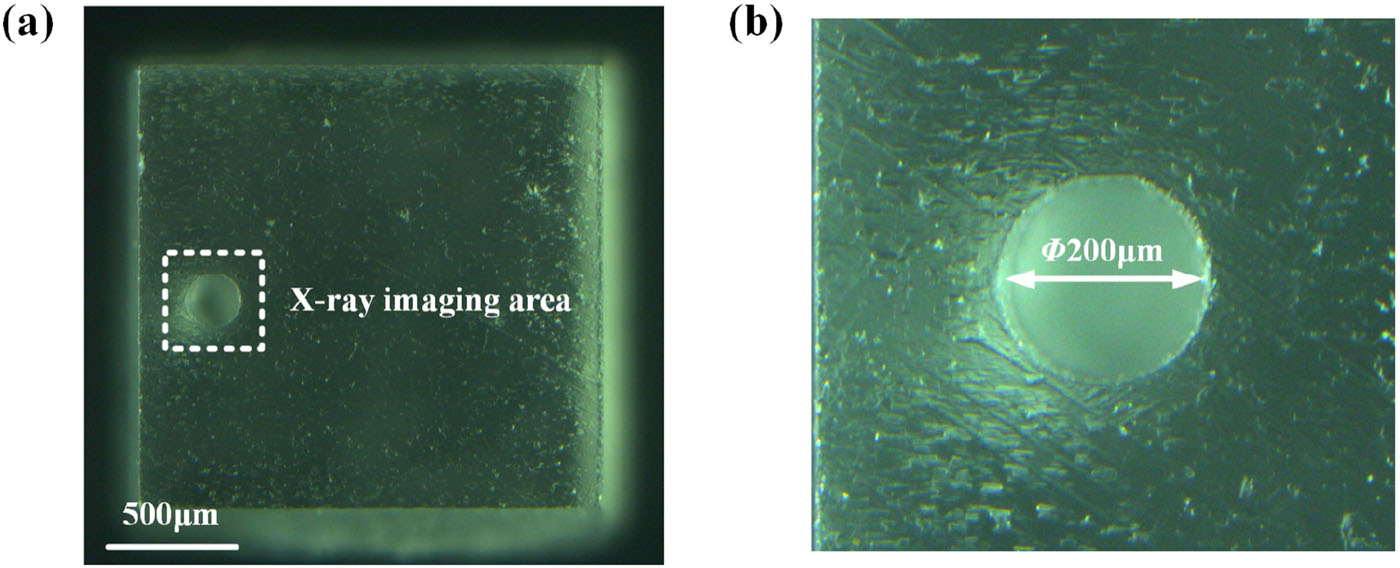
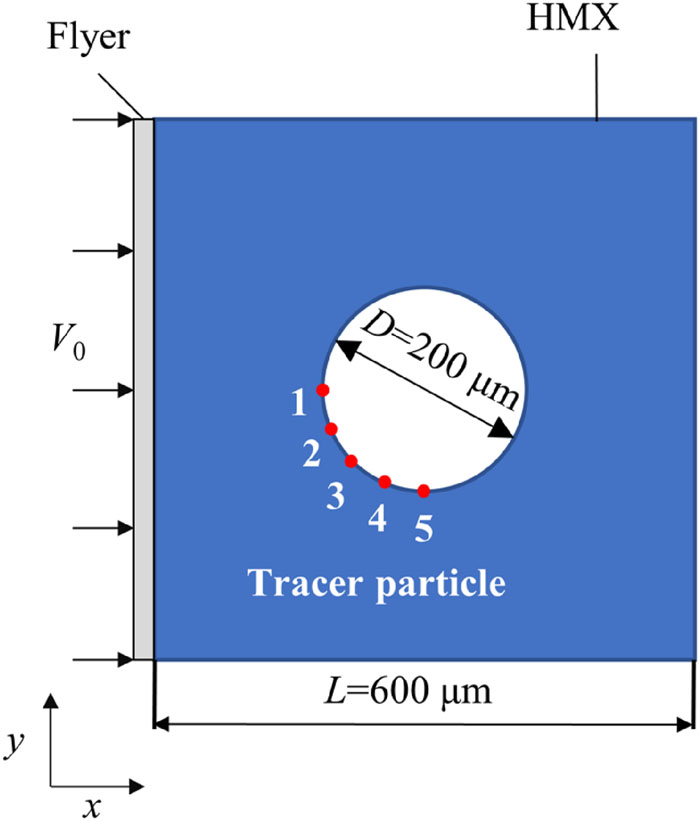
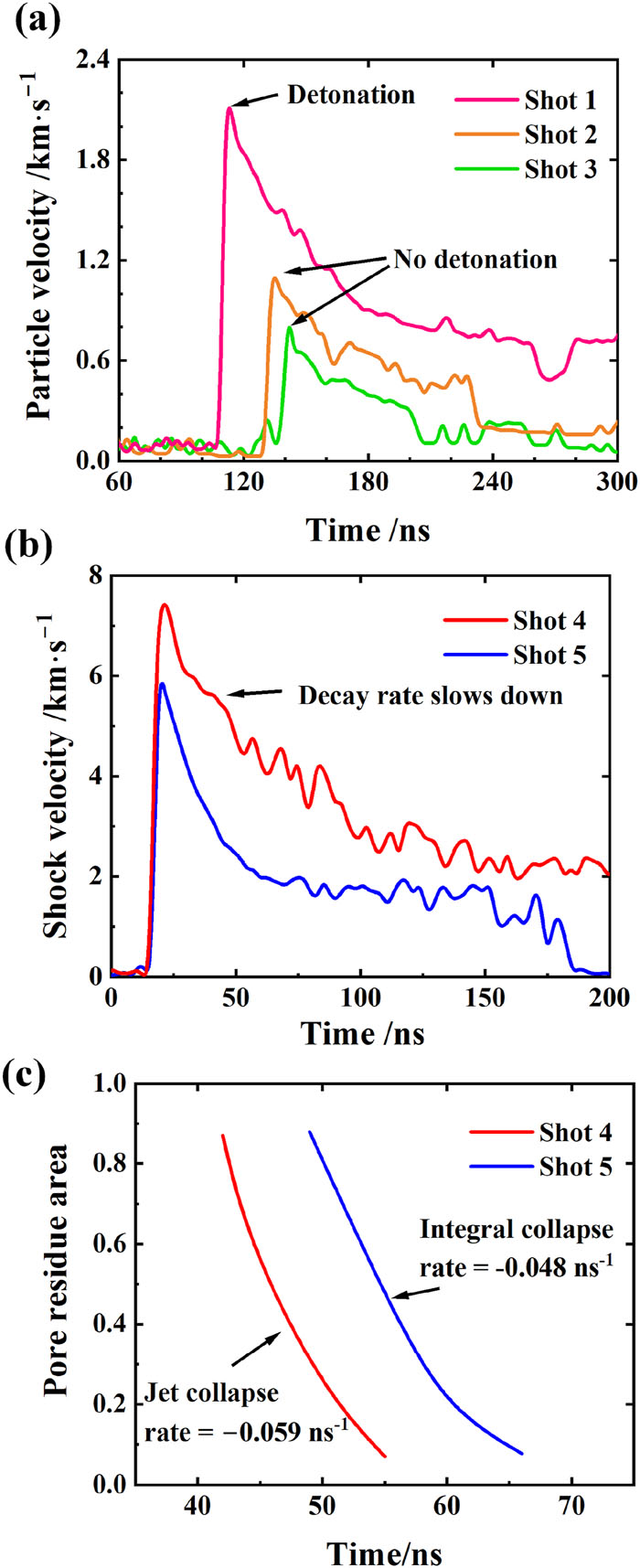
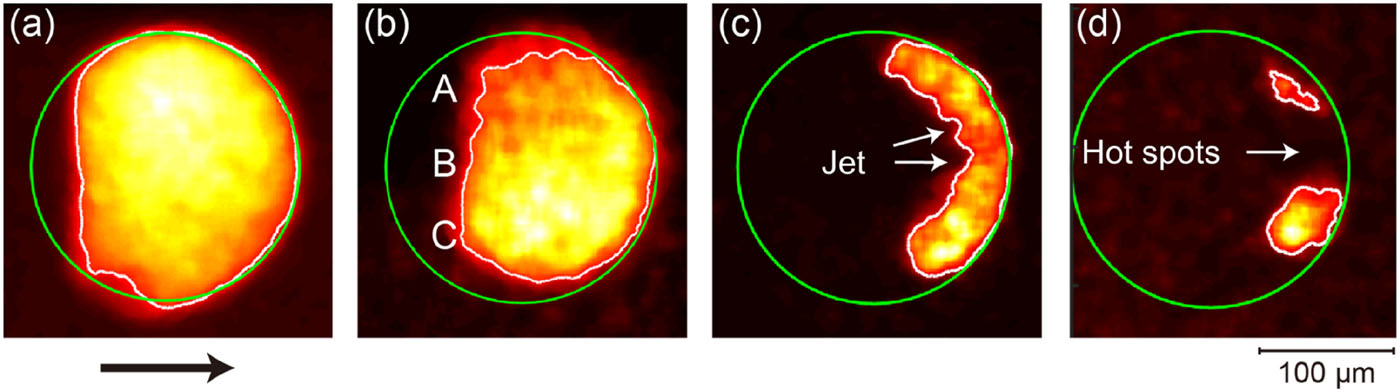
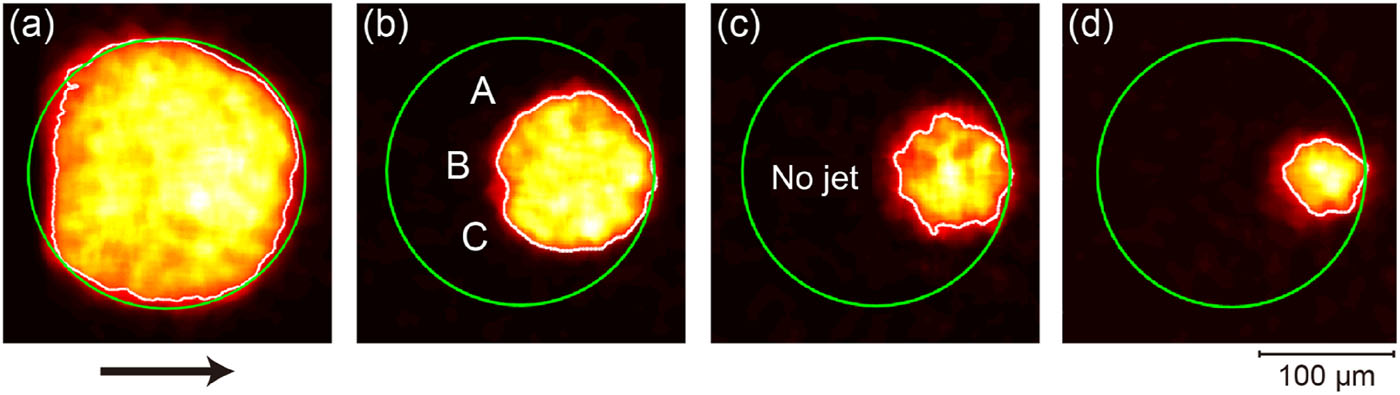
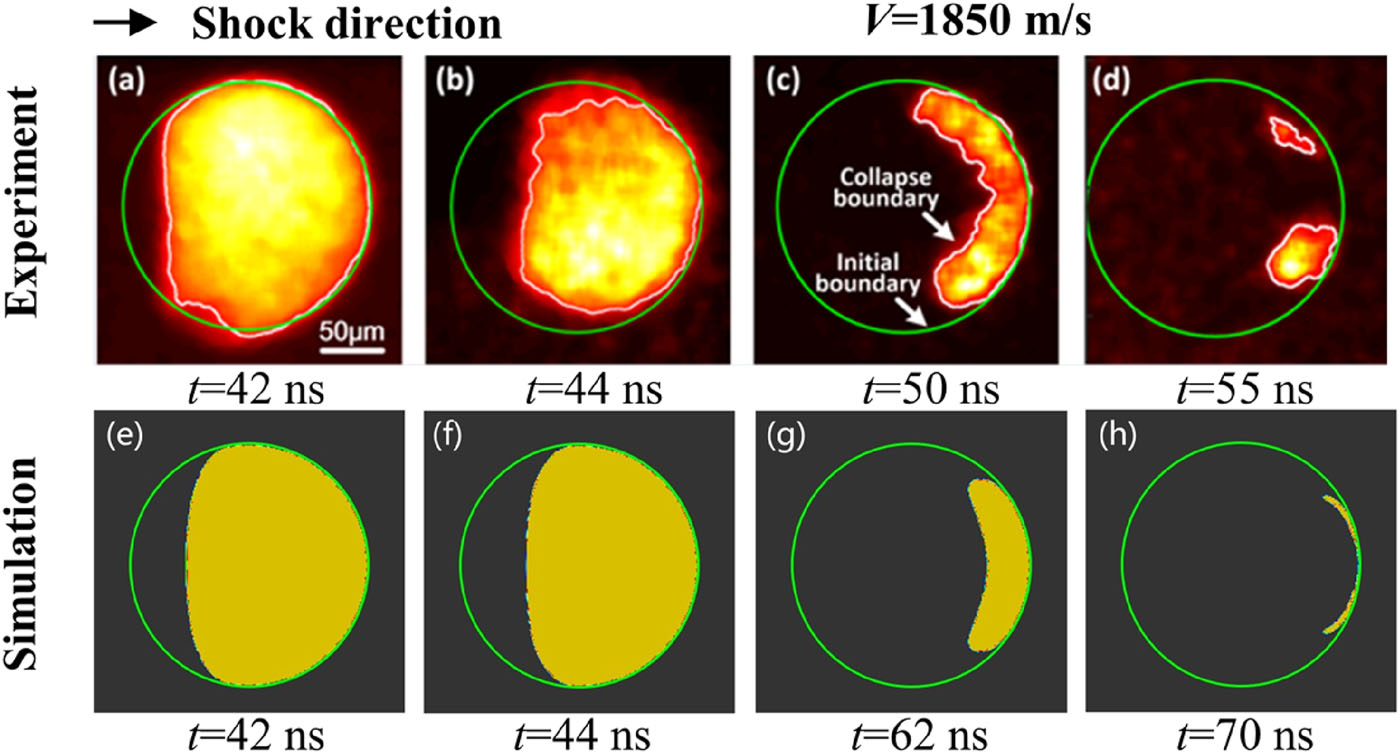
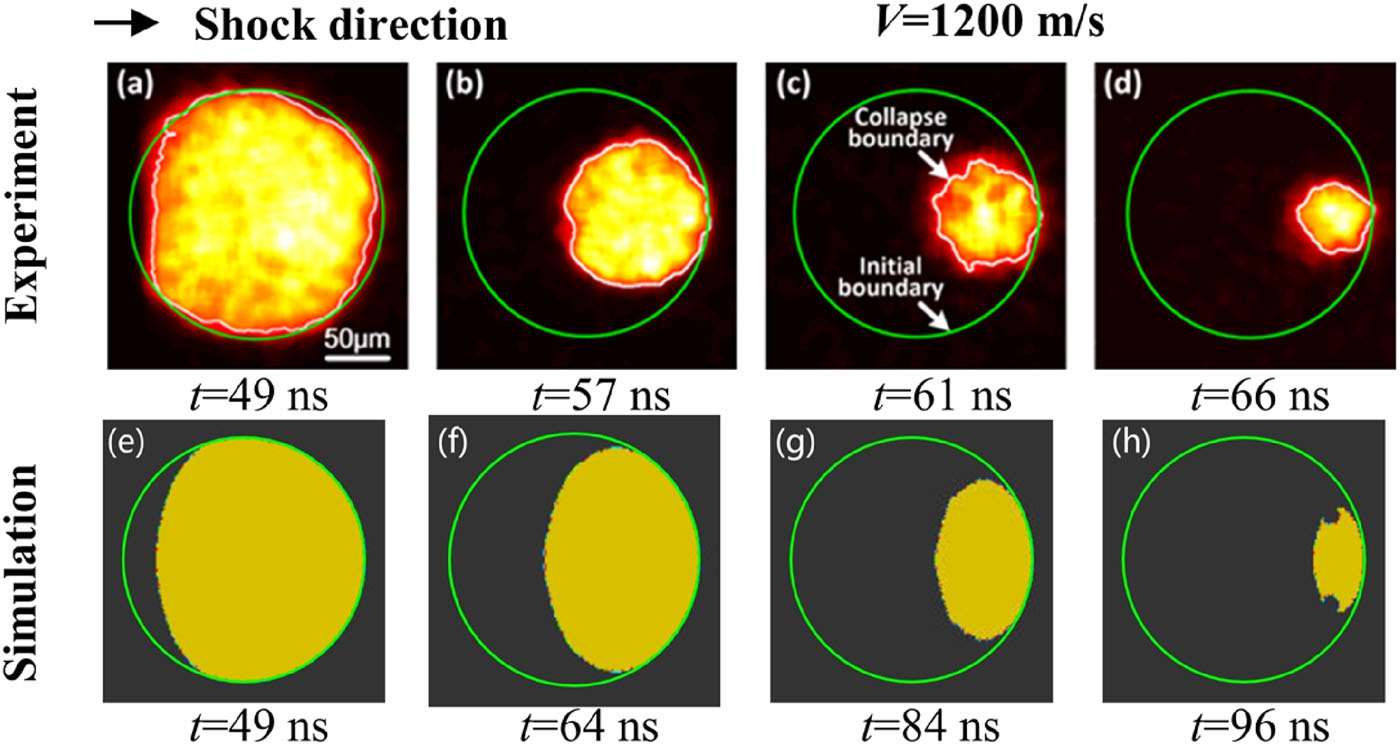
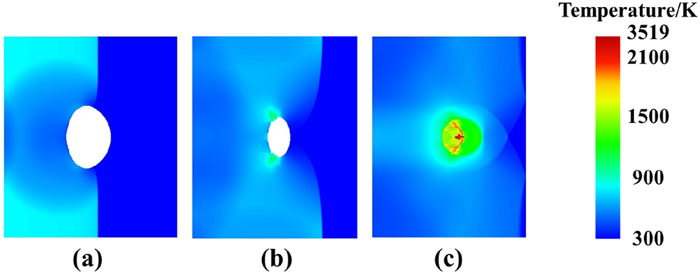
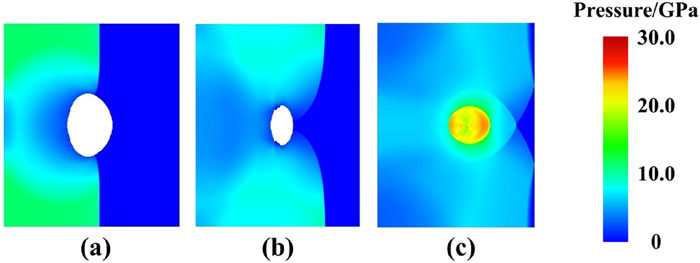
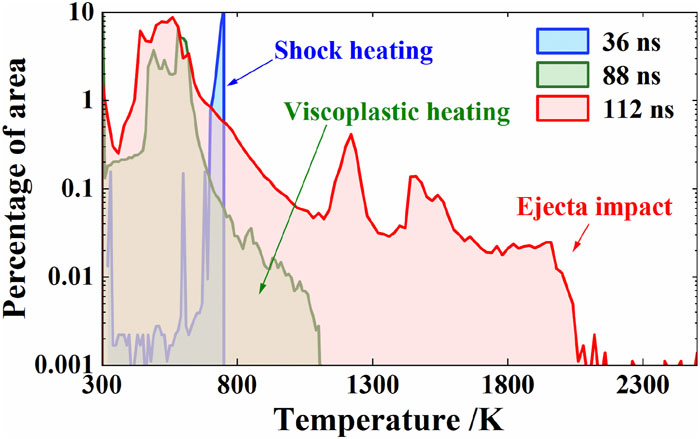
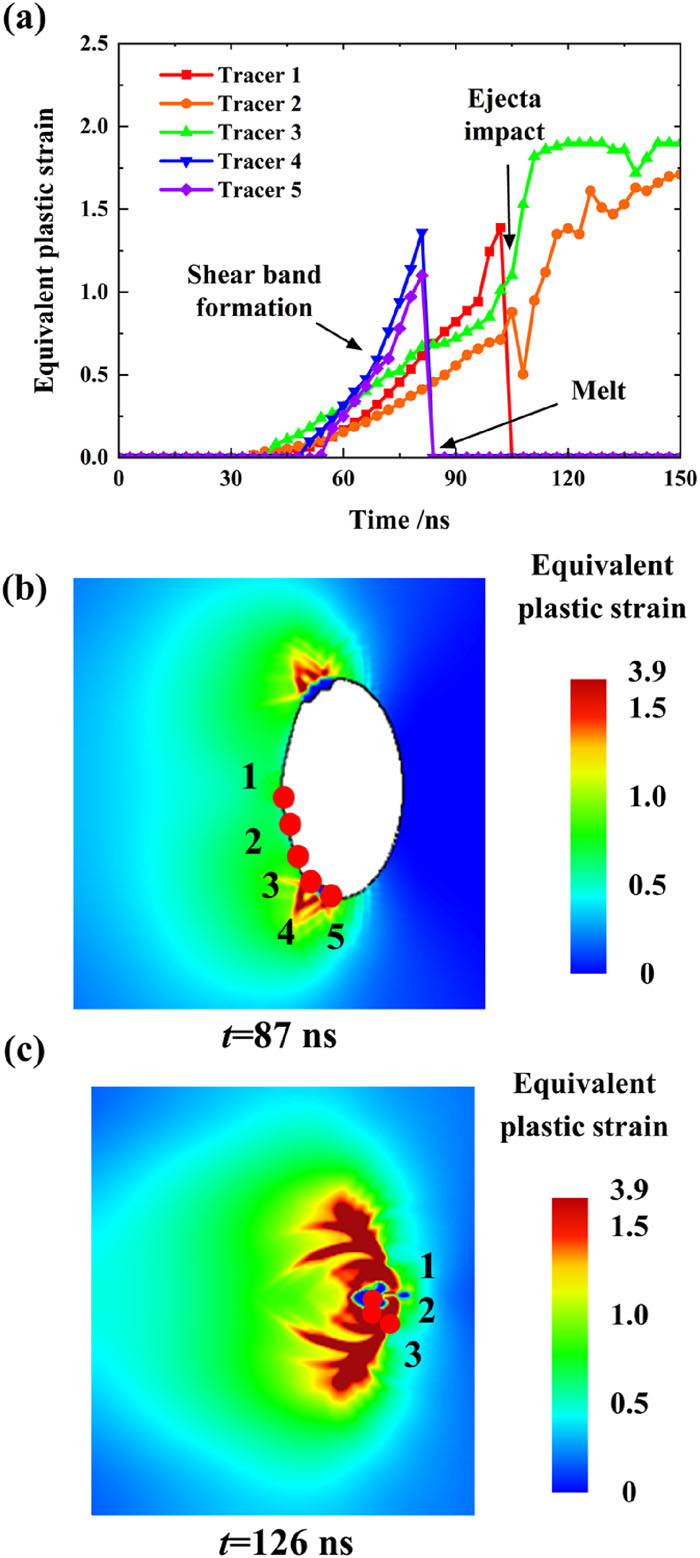
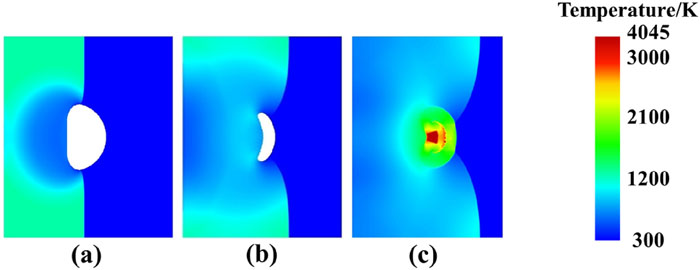
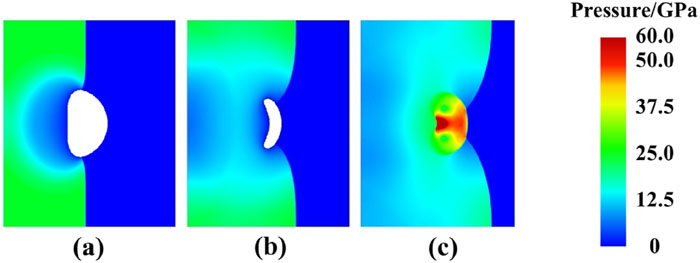
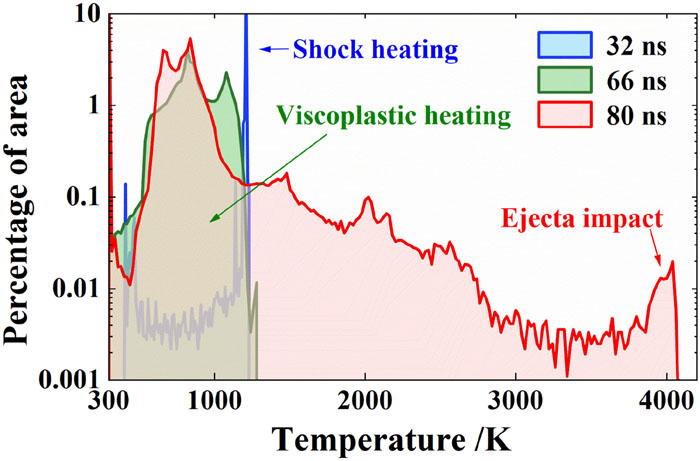
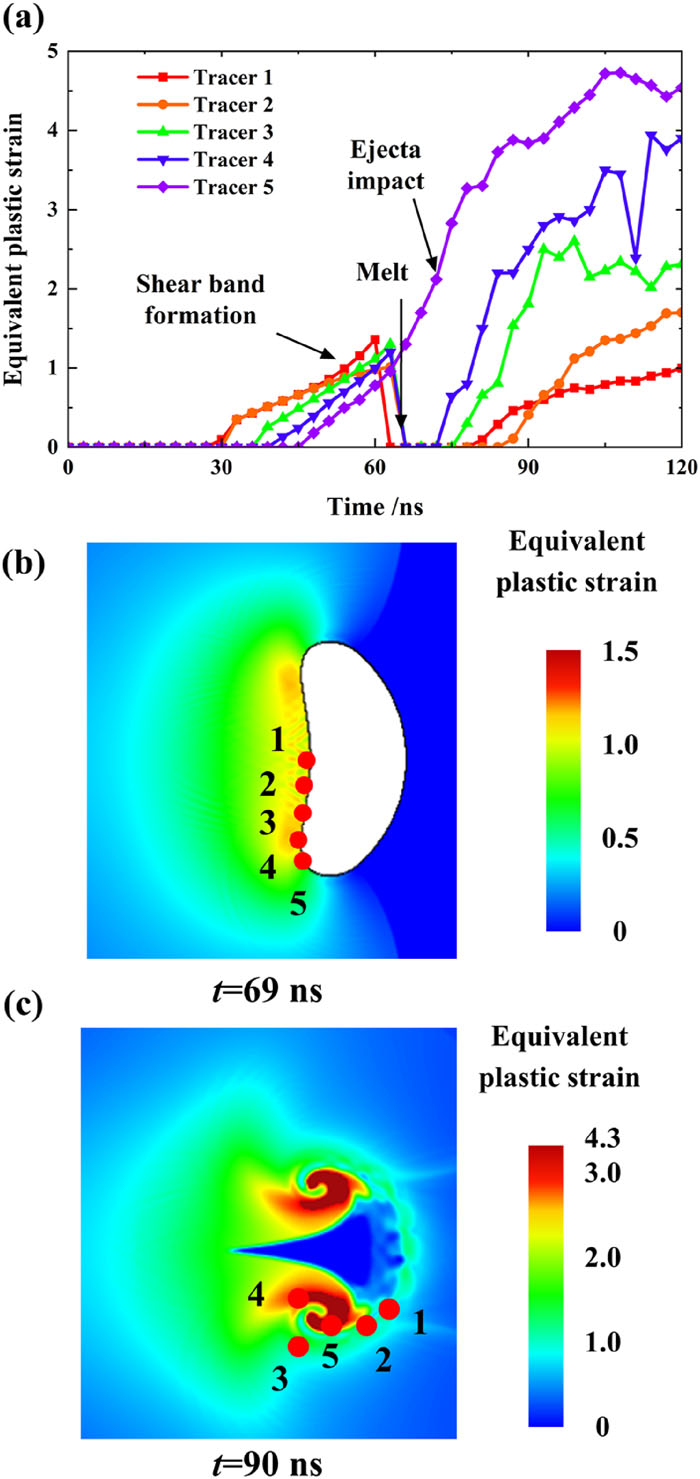
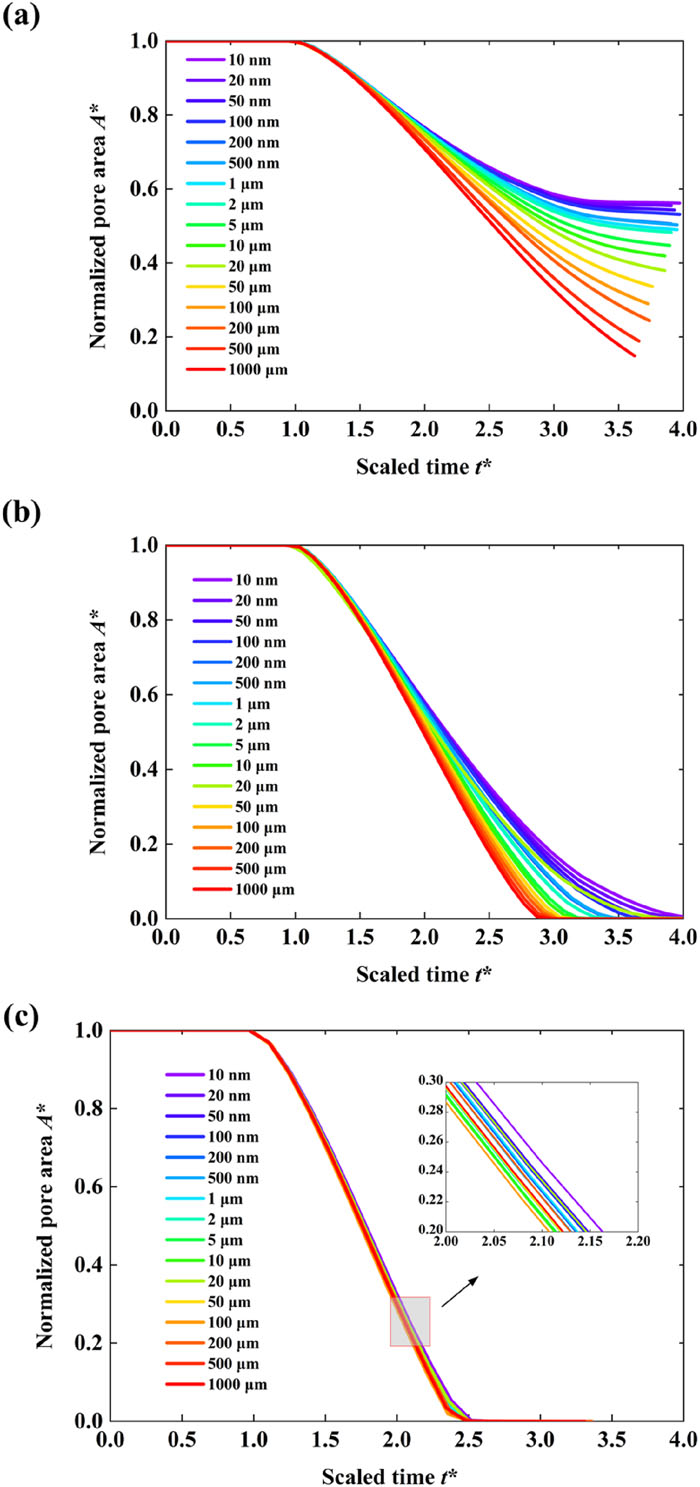
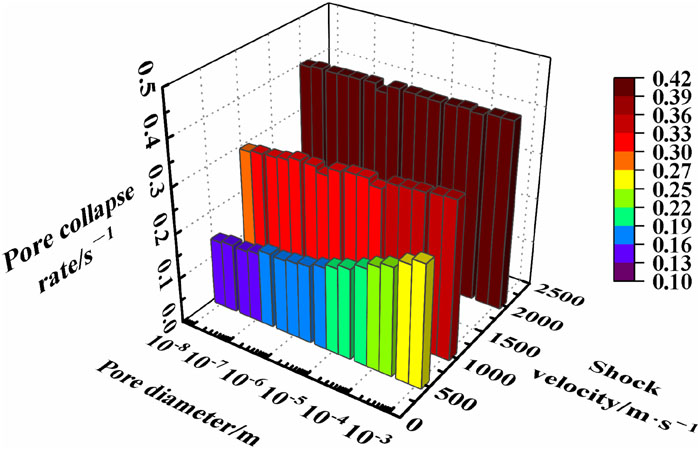
Pore collapse is a fundamental mechanism governing hotspot formation during shock initiation of high explosives. In this paper, shock-induced micrometer-scale pore collapse responses in cyclotetramethylene tetranitramine (HMX) single crystals are systematically investigated through integrated shock experiments and numerical simulations. A multimodal experimental and diagnostic platform integrating laser-driven compression, sub-nanosecond temporal-resolution X-ray imaging, and multipoint photonic Doppler velocimetry, is developed to analyze the 200 μm cylindrical pore collapse mechanisms in shocked HMX crystals for the first time. A novel model is developed that includes nonlinear thermoelastic, pressure-dependent viscoplastic, and new melting criteria, which can effectively reproduce experimental observations of two distinct collapse regimes. A regime transition is found from an integral collapse mechanism under weak shock loading (12 GPa) to a jet collapse mechanism under high shock loading (23 GPa). Pore collapse occurs with symmetrical shear band formation (±45° relative to shock direction) at 12 GPa, while jet formation is initiated and propagates downstream at 23 GPa. Parametric analysis further quantifies size effects, showing that the pore diameter obviously influences the pore collapse rate in low-pressure regimes, but becomes negligible under high pressures. The findings presented here could establish the groundwork for development of shock initiation models with improved predictive ability.
High Pressure Physics and Materials Science
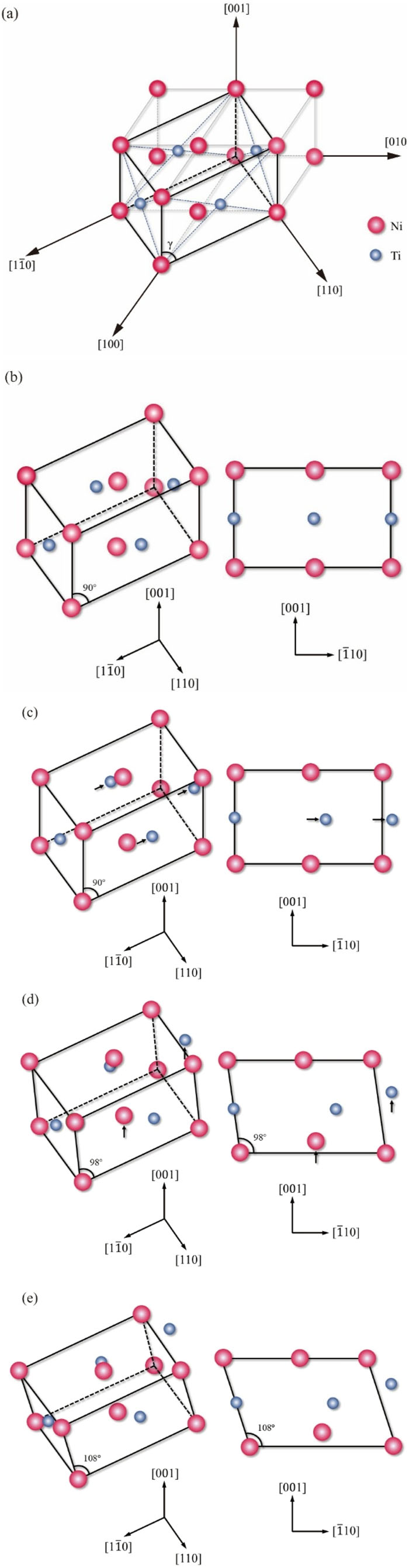
Atomistic mechanisms of shock-induced spallation in perfect single-crystal NiTi alloy under various stress states
Gao Shang, Zhang Hao, Pei Xiaoyang, Yin Qiuyun, Xiang Meizhen, Yang Xin, Peng Yixuan, Wang Fang
2026, 11(3) doi: 10.1063/5.0300732
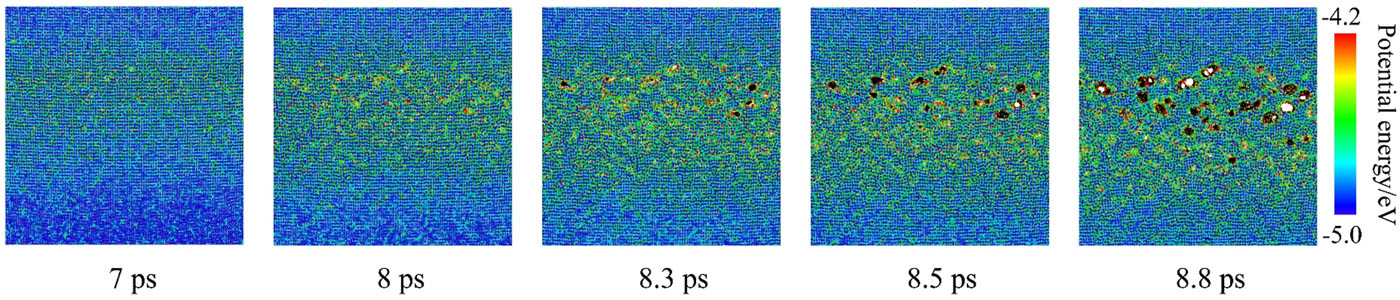
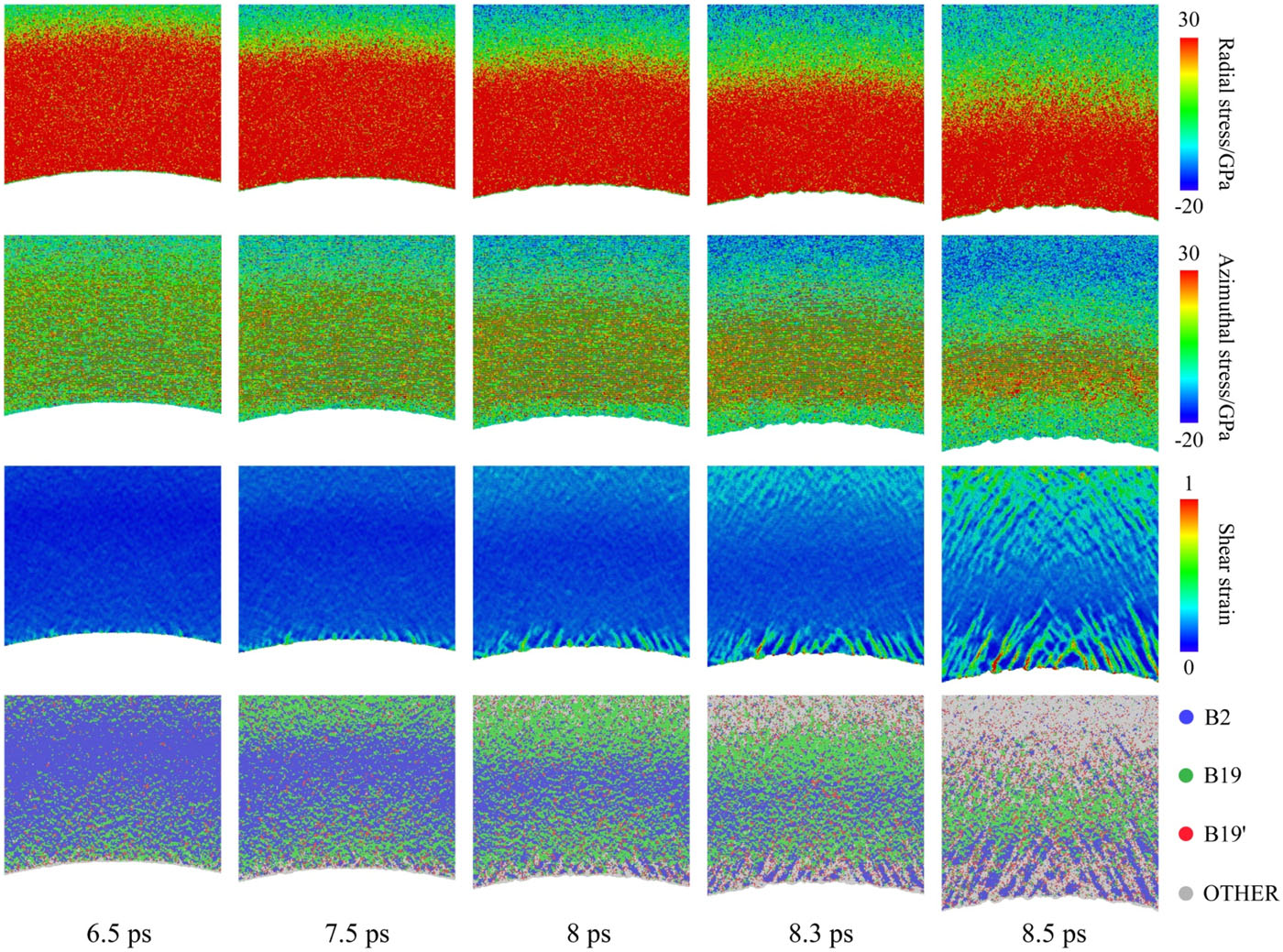
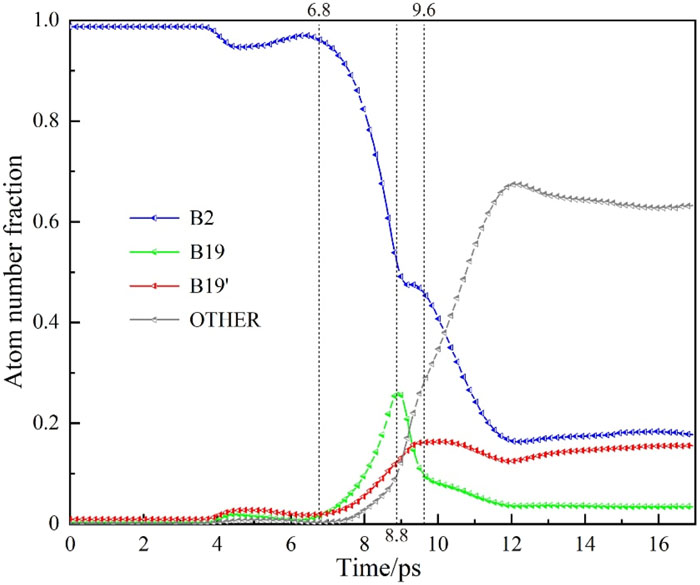
Abstract:
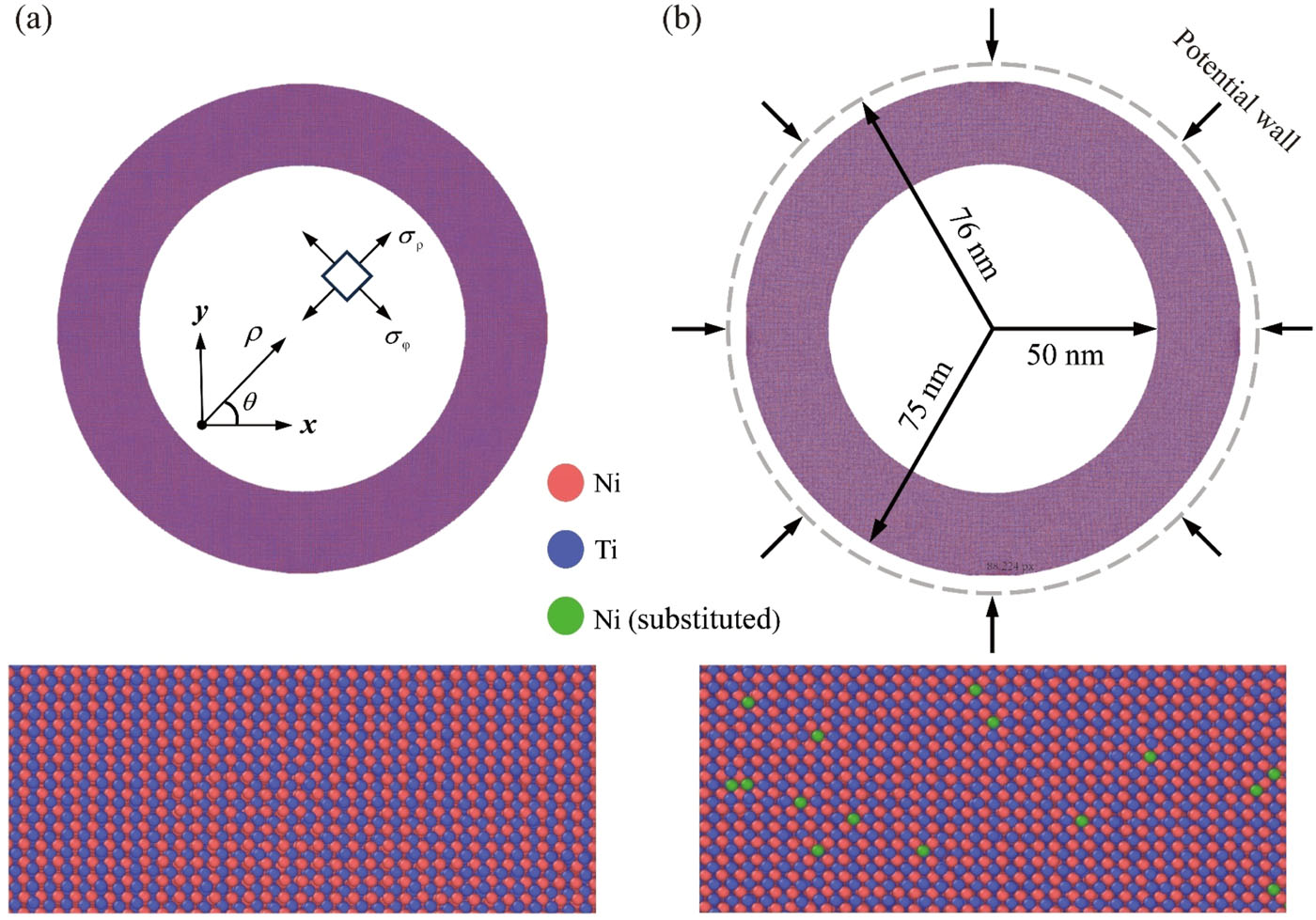
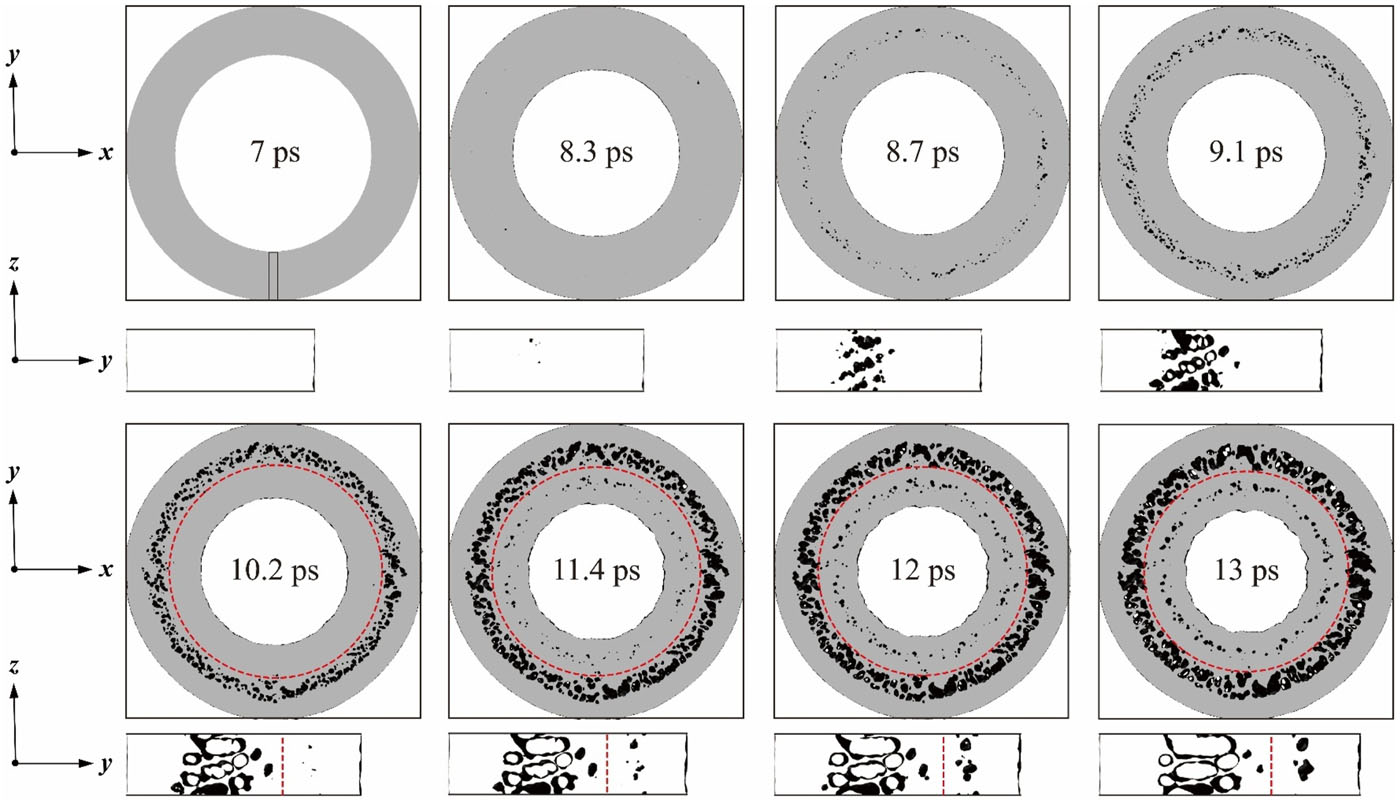
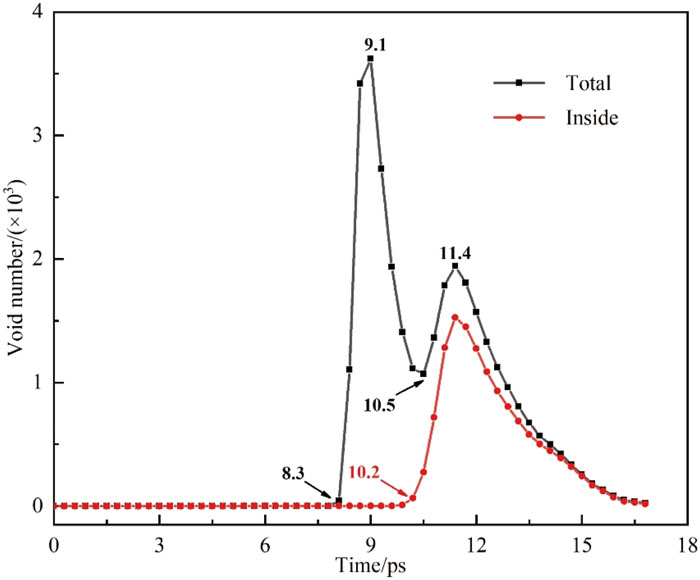
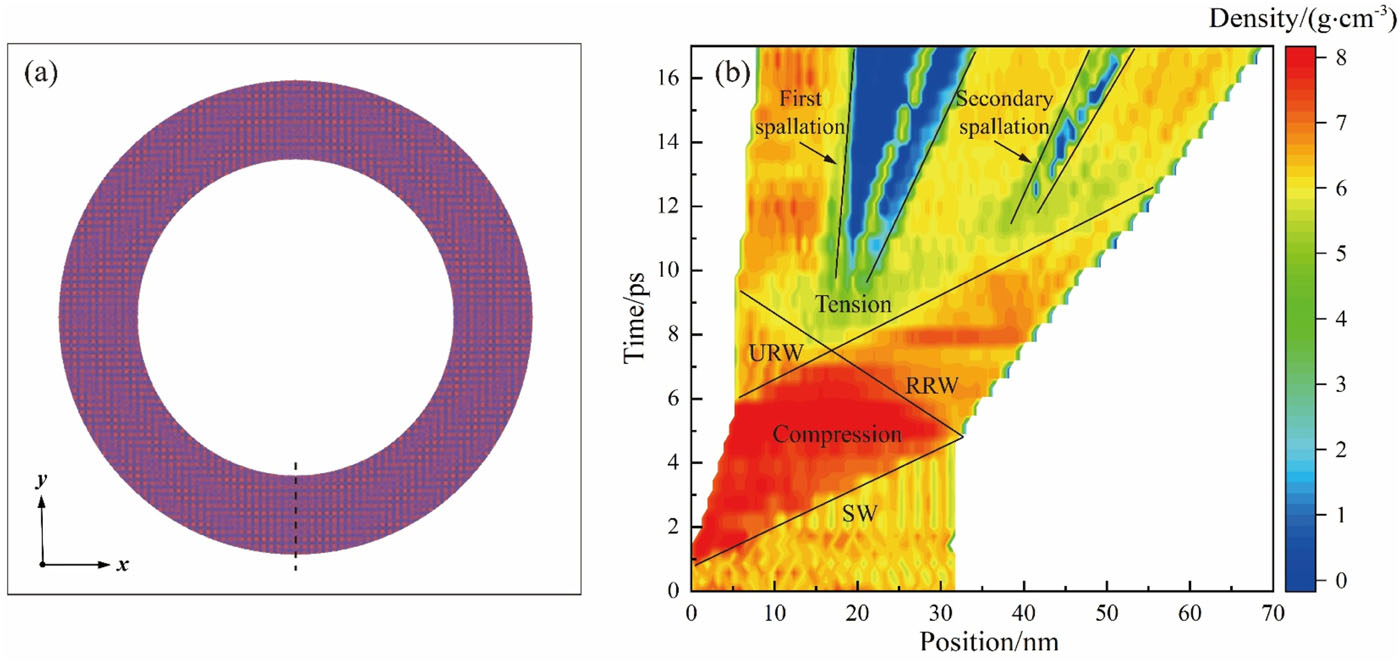
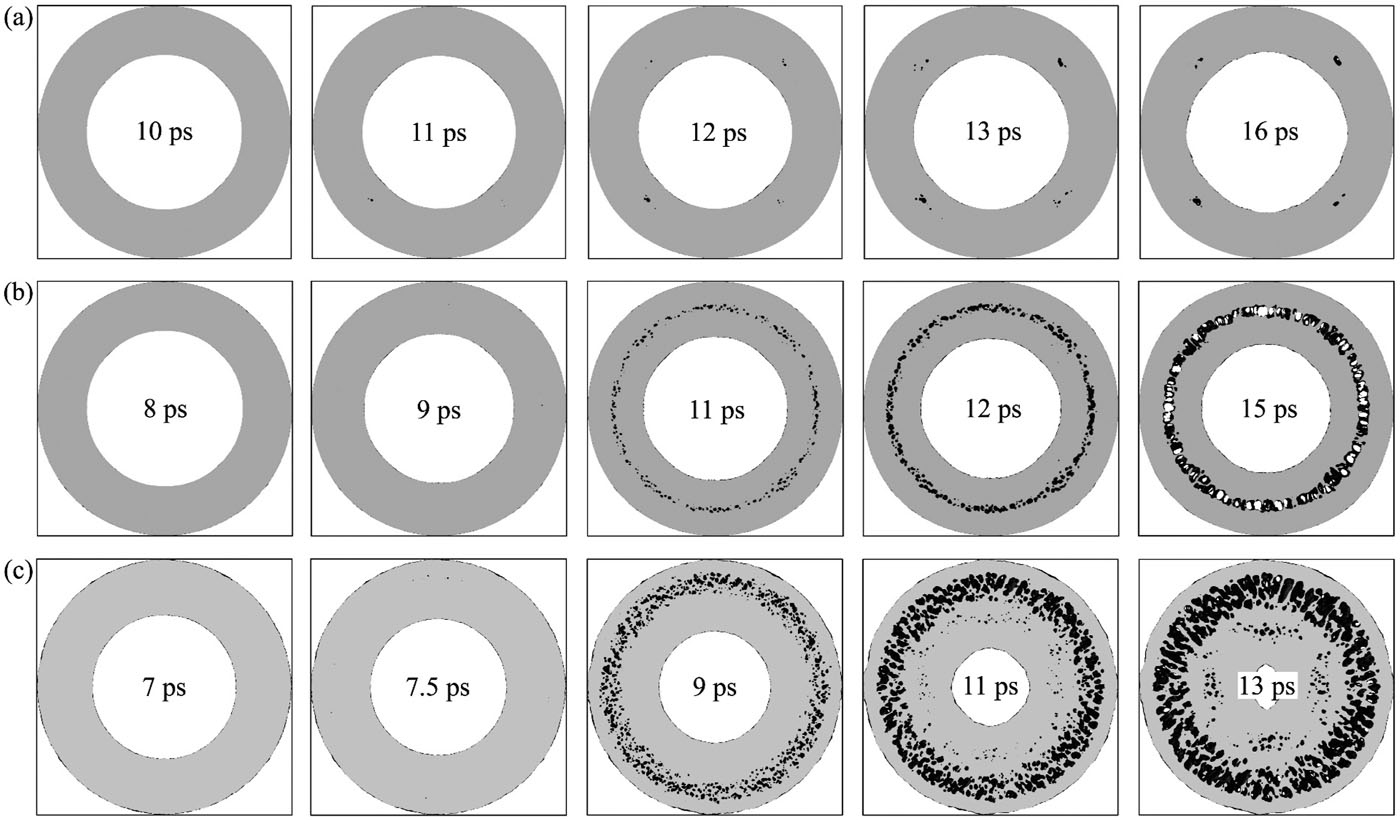
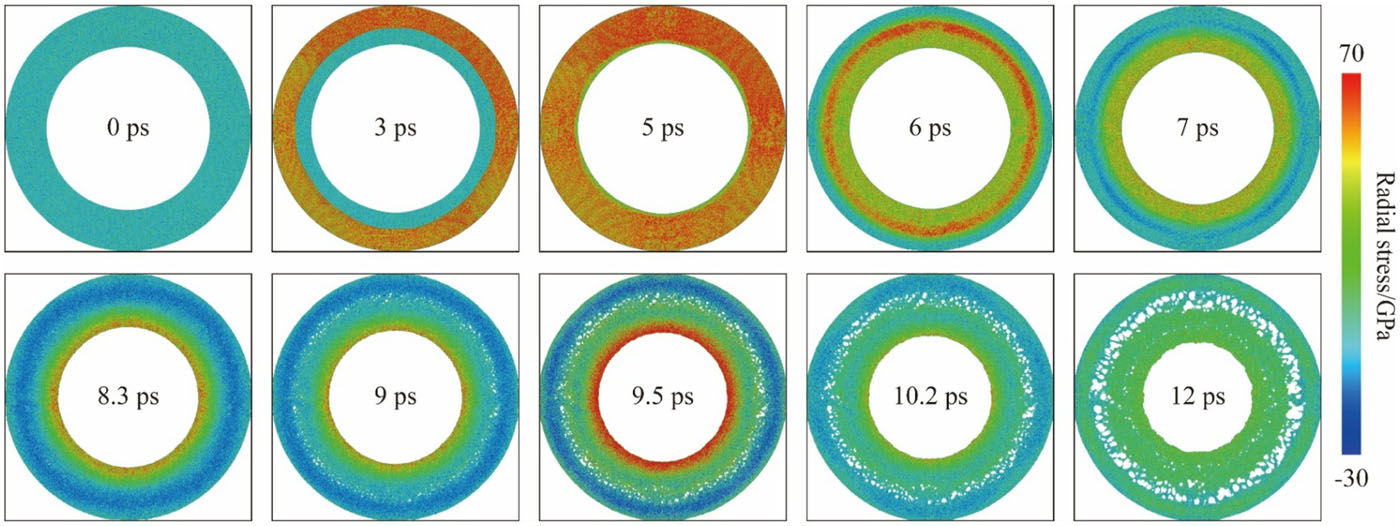
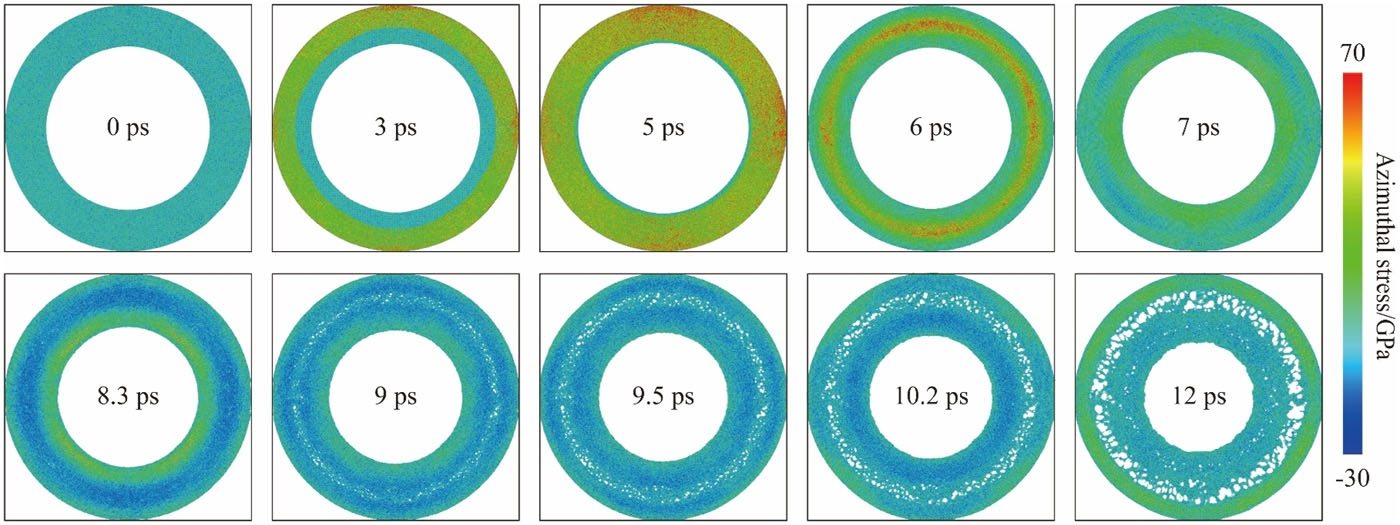
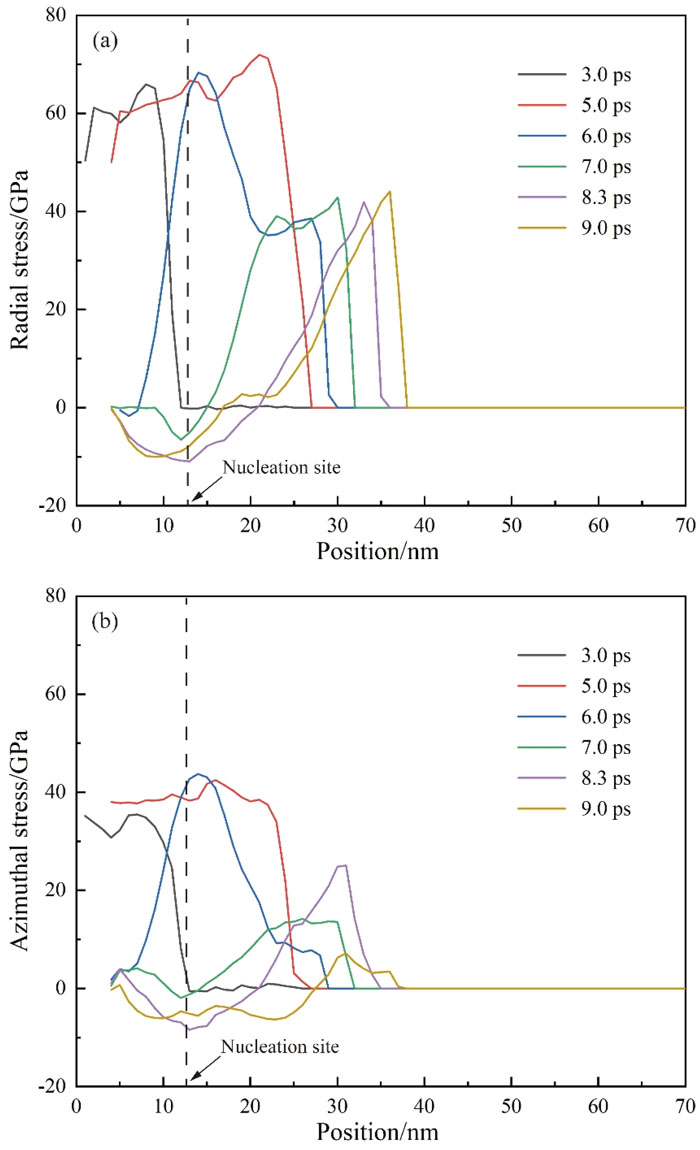
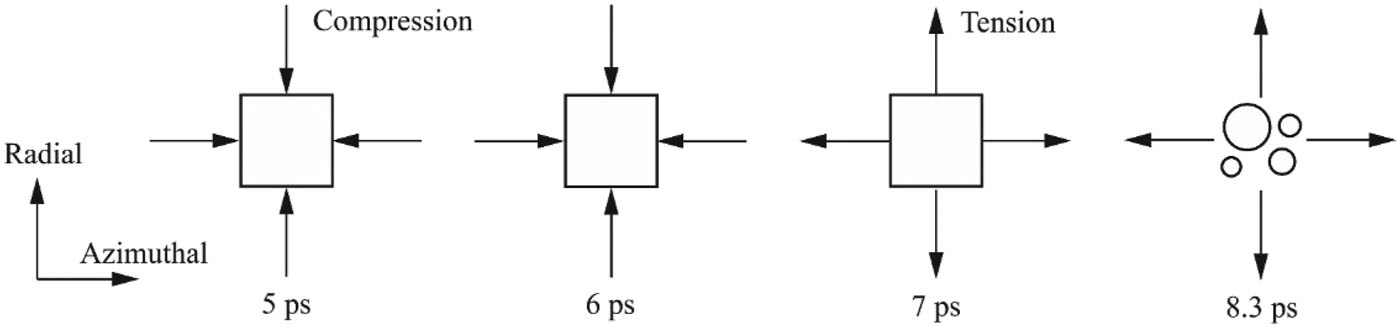
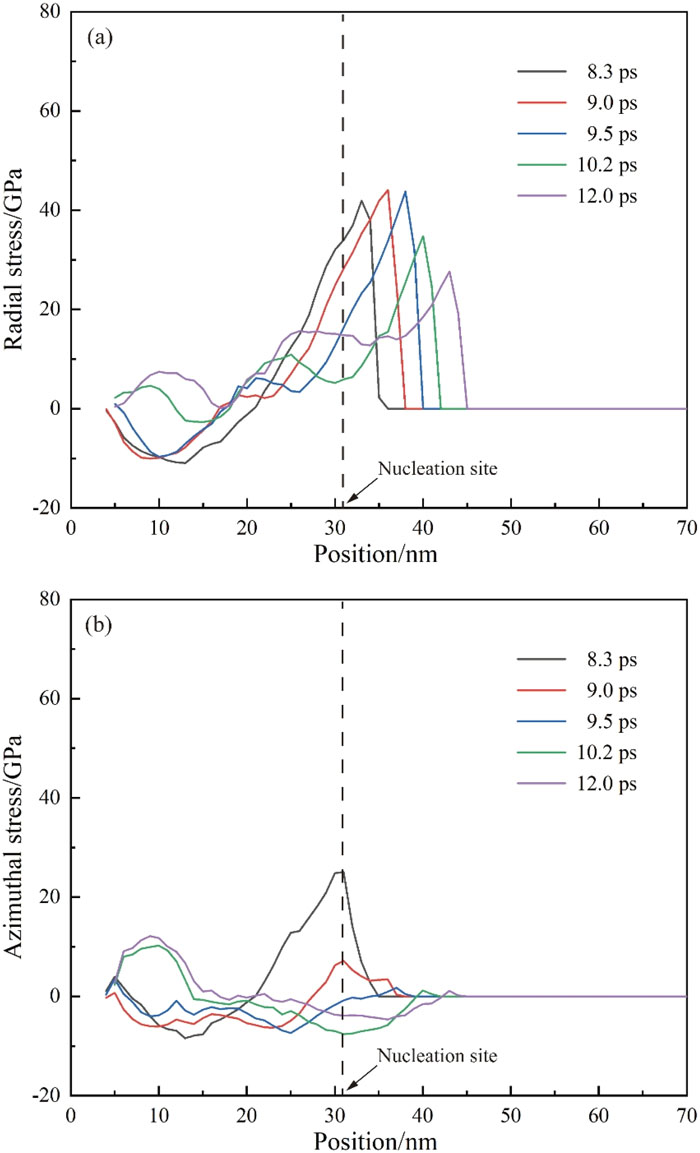
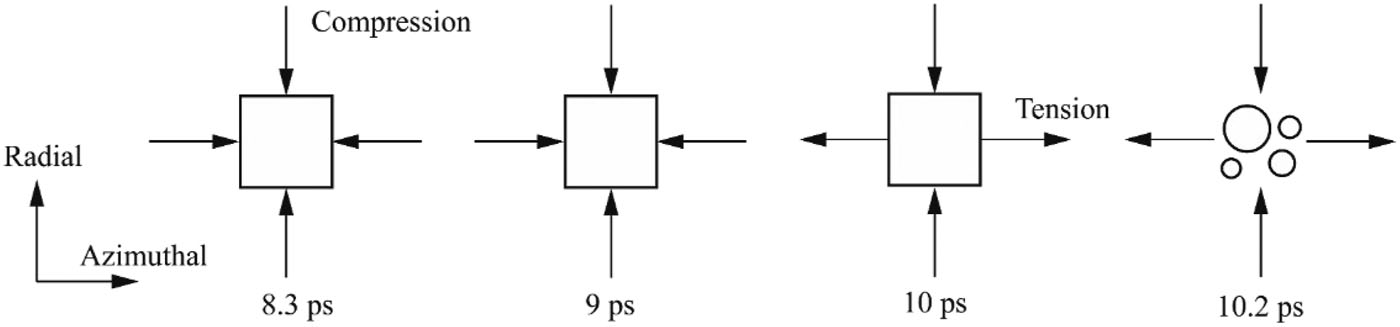
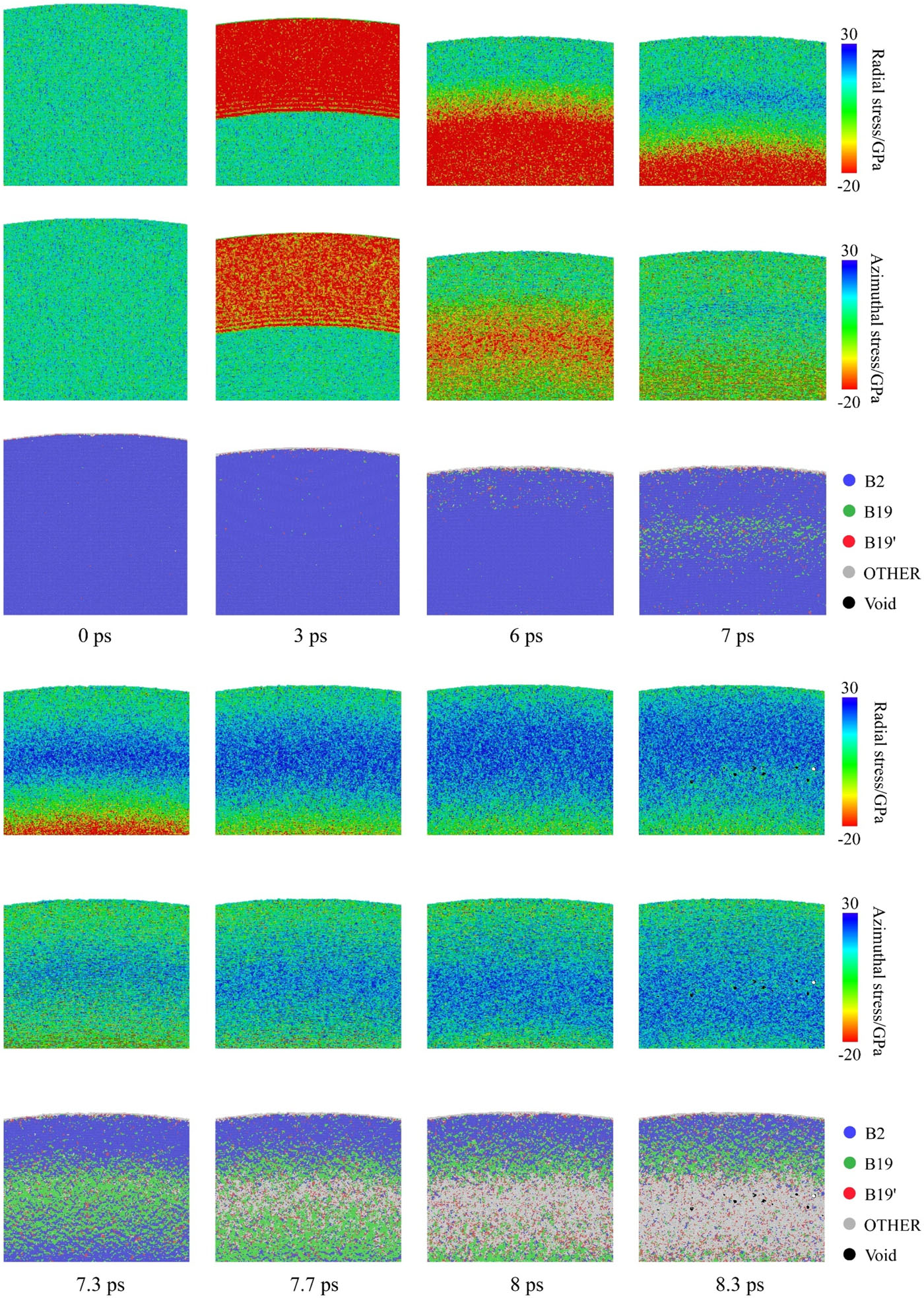
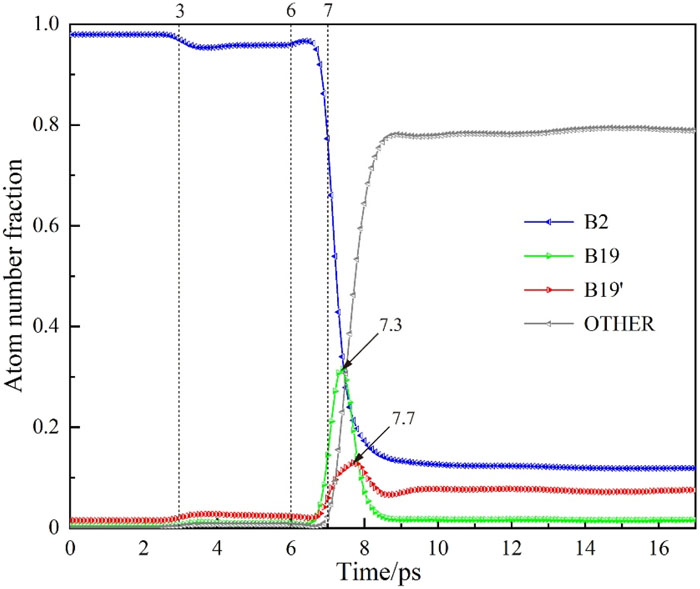
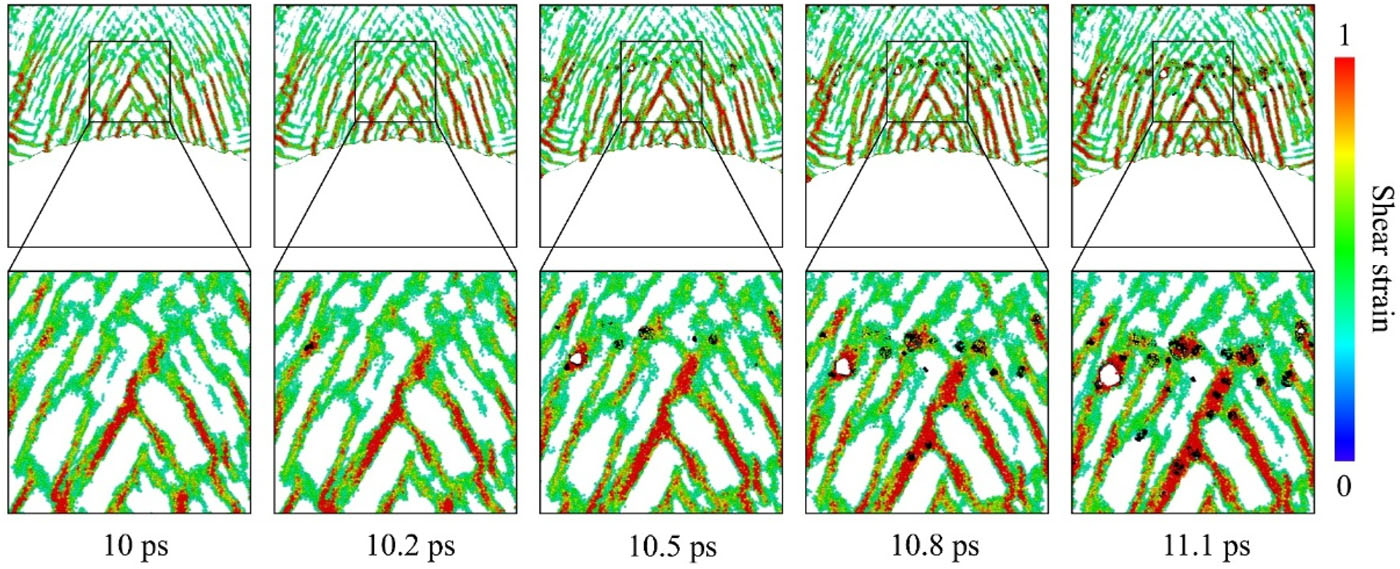
This work focuses on exploring the mechanisms of spallation fracture in a nickel–titanium alloy cylinder, taking into account the evolution of the stress state. A converging shock wave is achieved through the rapid contraction of a potential wall, thereby enabling implosion loading. Along with a stress wave propagating within the material, we observe several spallation planes occurring in sequence, indicative of the emergence of multiple spallation. Interestingly, the sample at nucleation sites is found to remain in a biaxial tensile state in radial and azimuthal stresses for the first spallation, whereas it experiences distinctive behavior in the stress state, characterized by radial compressive stress and azimuthal tensile stress, preparing for the generation of secondary spallation. Moreover, the stress-induced phase transformation during the first spallation drives a heterogeneous distribution of atomic potential energy, beneficial to void nucleation. For the secondary spallation, there is another mechanism of phase transition, which is closely associated with shear deformation. Owing to severe lattice distortion, the resulting atomic misalignment provides nucleation sites for dislocations. The plastic flow induced by dislocation activity is responsible for triggering the development of shear localization. Accordingly, the generation of a deformation band covered with high shear strain leads to an increase in local temperature, and the softening effect contributes to a lower strength of the secondary spallation.