Follow us on Wechat

2026 Vol. 11, No. 1

EDITORIAL
Jinlin crater, Guangdong Province, China: Impact origin confirmed
Chen Ming, Tan Dayong, Yang Wenge, Mao Ho-Kwang, Xie Xiande, Yin Feng, Shu Jinfu
2026, 11(1) doi: 10.1063/5.0301625
Abstract:
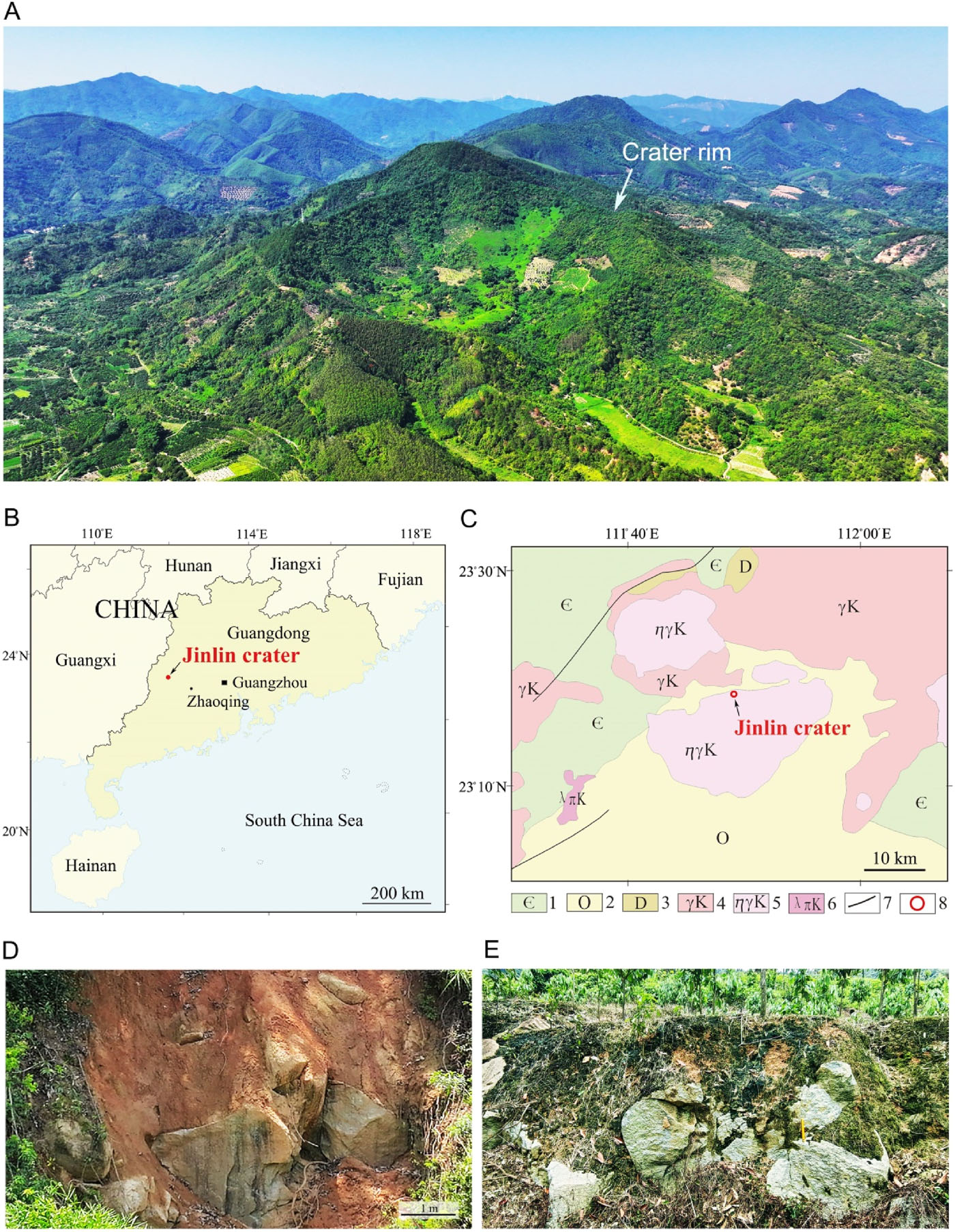
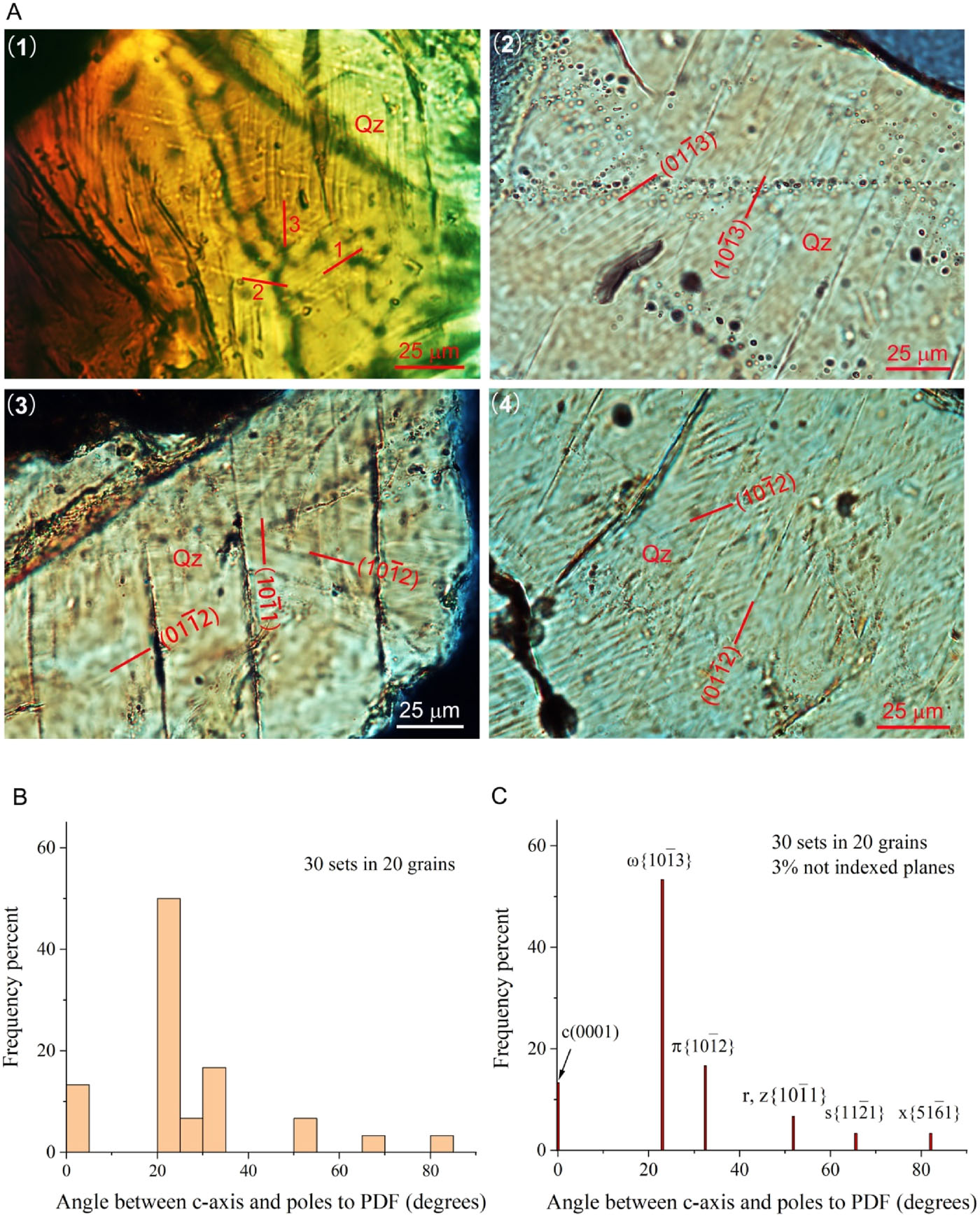
The newly identified Jinlin crater in southern China lies on a hillside covered by a thick granite weathering crust. It appears as a slightly elliptical bowl-shaped depression with a diameter of 820–900 m. The structure is a tilted impact crater, showing a maximum rim height difference of about 200 m and an apparent depth of 90 m. The crater rim is composed mainly of granite weathered soil and a small amount of granite fragments, while the bottom of the crater is filled with the same mixture of granite weathered soil and granite fragments. Planar deformation features in quartz grains from the rock fragments of the crater provide decisive evidence for its impact origin. The impact event is inferred to have taken place during the Holocene.
RESEARCH ARTICLES
Fundamental Physics at Extreme Light
Demonstration of full-scale spatiotemporal diagnostics of solid-density plasmas driven by an ultra-short relativistic laser pulse using an X-ray free-electron laser
Huang Lingen, Šmíd Michal, Yang Long, Humphries Oliver, Hagemann Johannes, Engler Thea, Pan Xiayun, Cui Yangzhe, Kluge Thomas, Aguilar Ritz, Baehtz Carsten, Brambrink Erik, Eren Engin, Falk Katerina, Laso Garcia Alejandro, Göde Sebastian, Gutt Christian, Hassan Mohamed, Heuser Philipp, Höppner Hauke, Kozlova Michaela, Lu Wei, Metzkes-Ng Josefine, Masruri Masruri, Mishchenko Mikhail, Nakatsutsumi Motoaki, Ota Masato, Öztürk Özgül, Pelka Alexander, Prencipe Irene, Preston Thomas R., Randolph Lisa, Rehwald Martin, Schlenvoigt Hans-Peter, Schramm Ulrich, Schwinkendorf Jan-Patrick, Starke Sebastian, Štefaníková Radka, Thiessenhusen Erik, Toncian Monika, Toncian Toma, Vorberger Jan, Zastrau Ulf, Zeil Karl, Cowan Thomas E.
2026, 11(1) doi: 10.1063/5.0279974
Abstract:
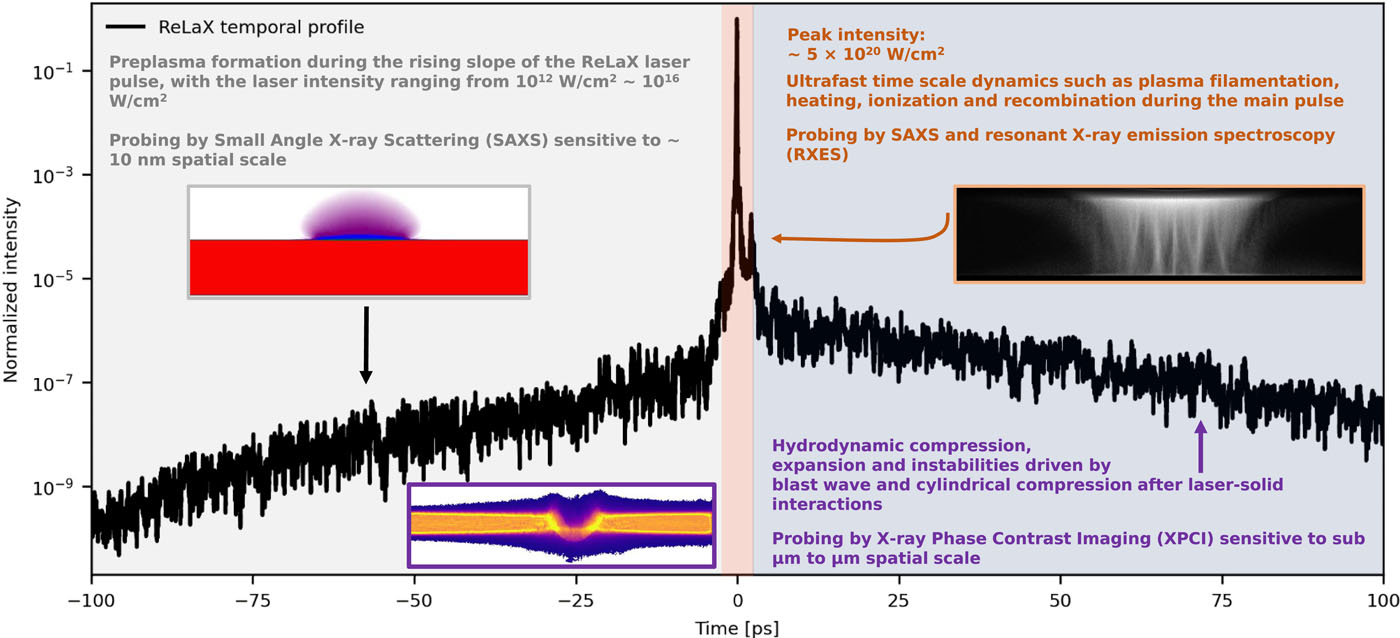
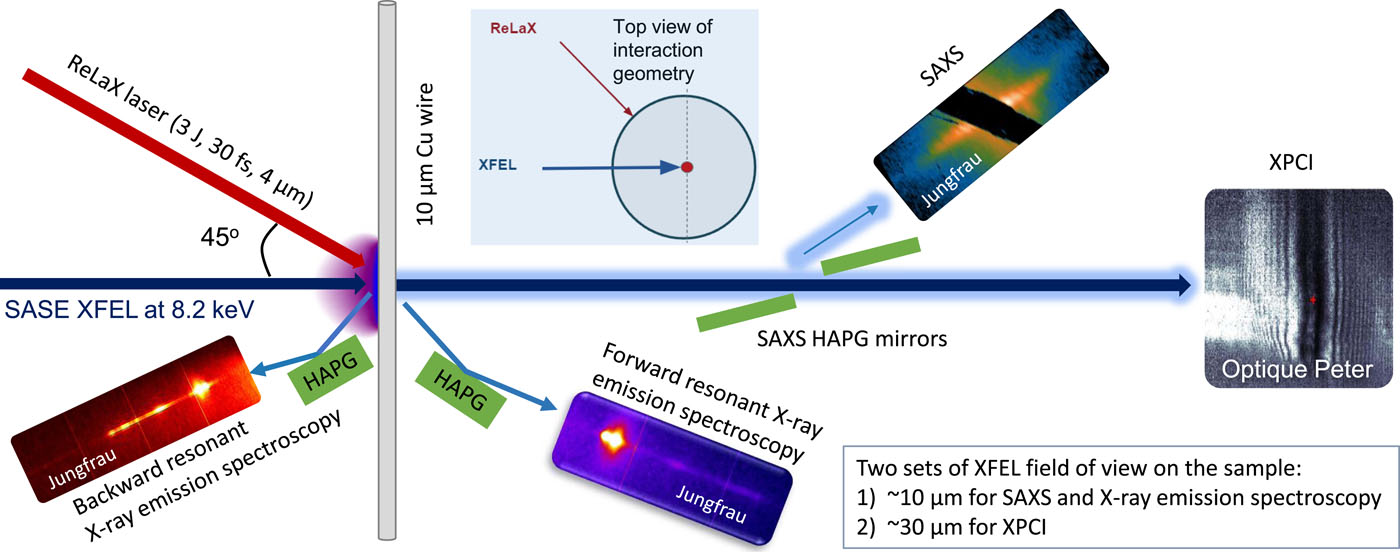
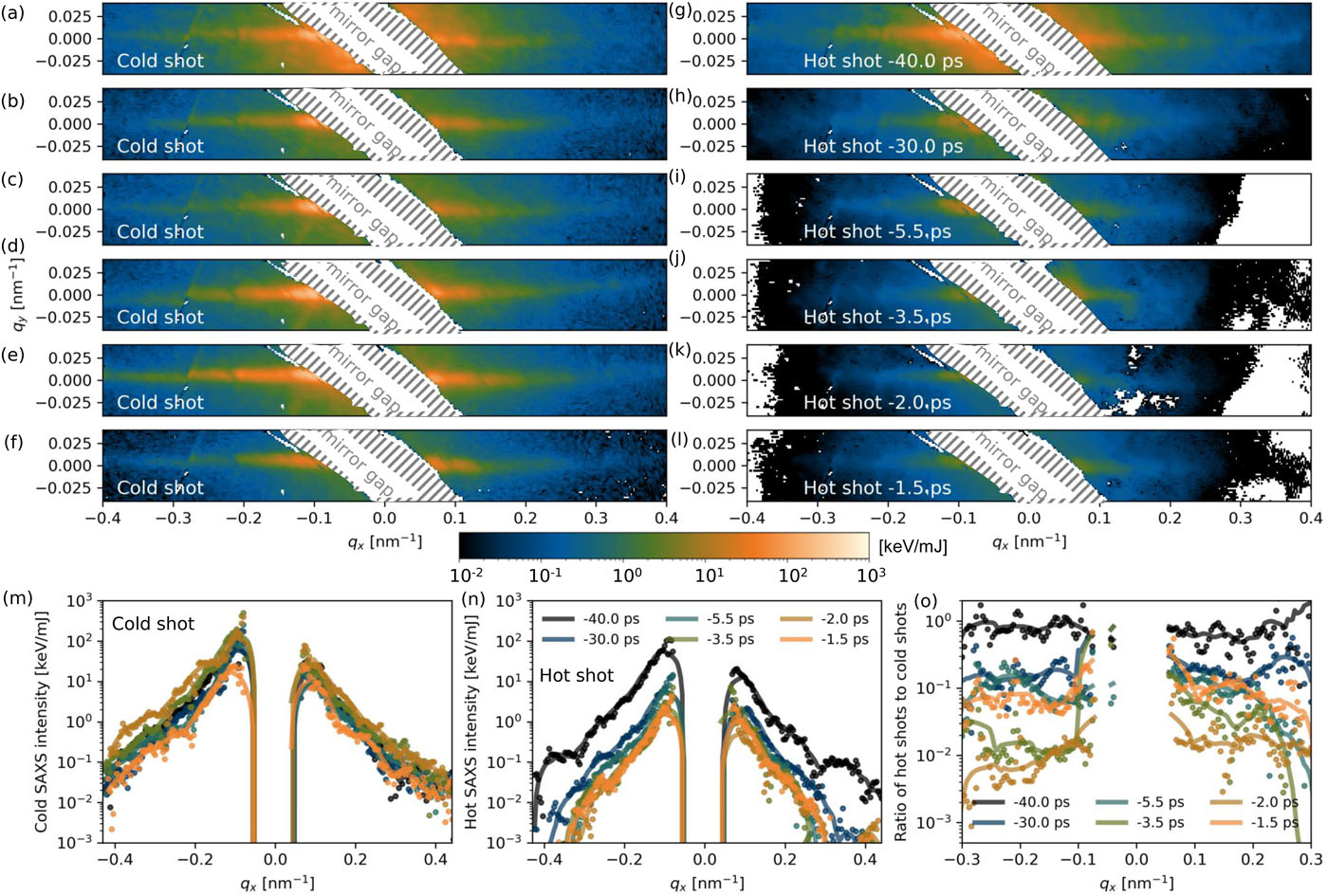
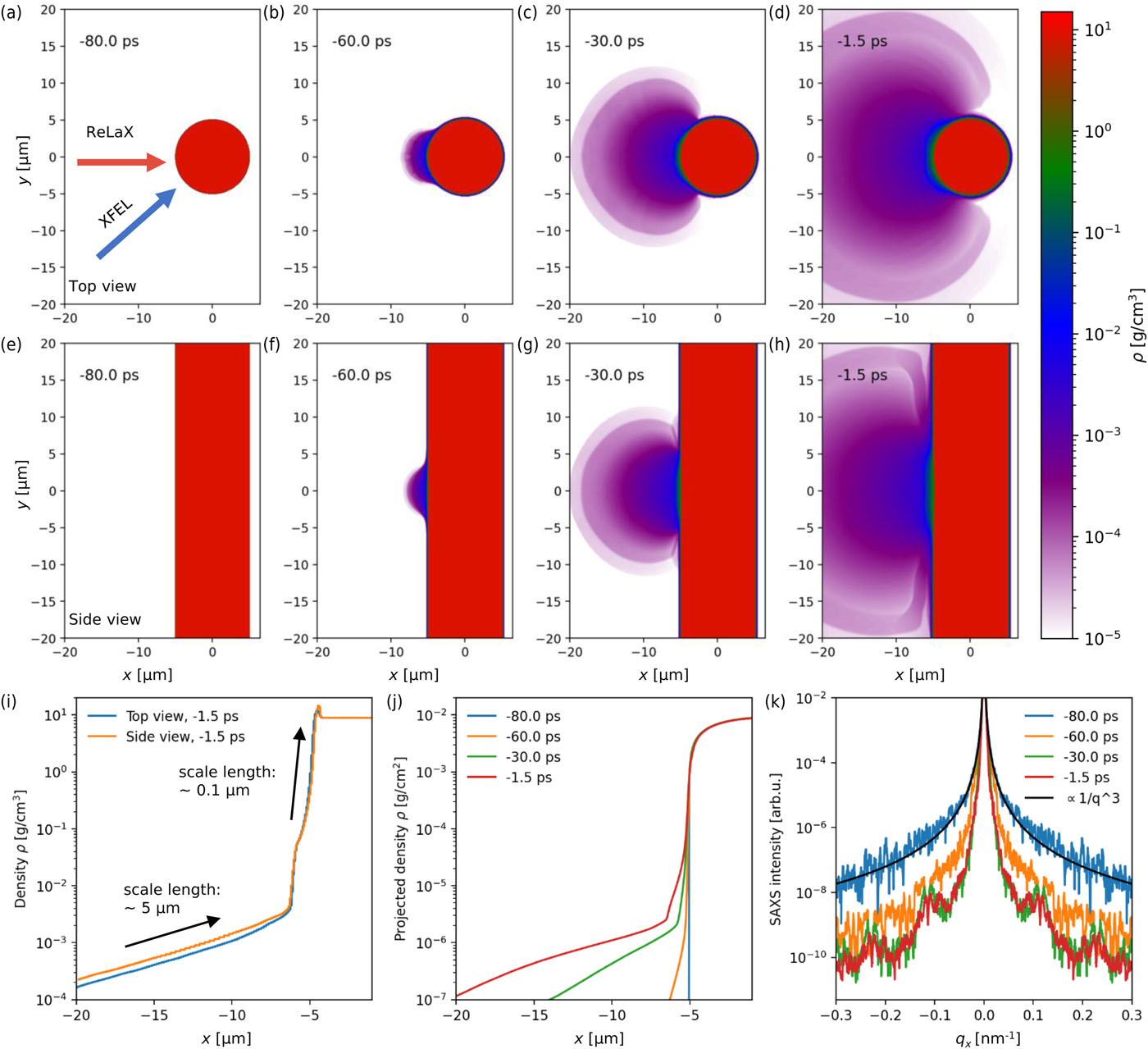
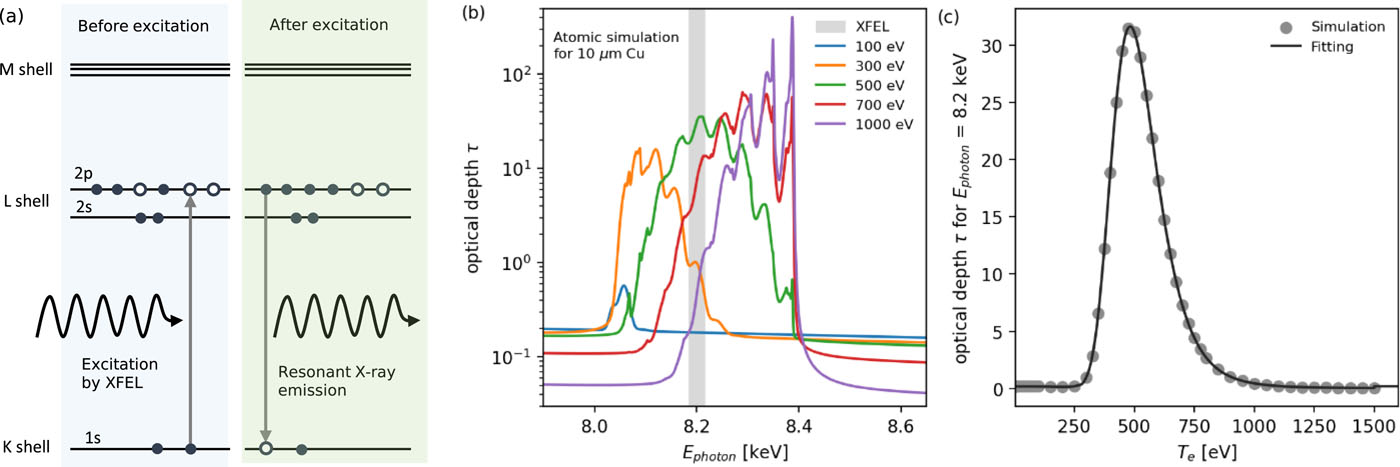
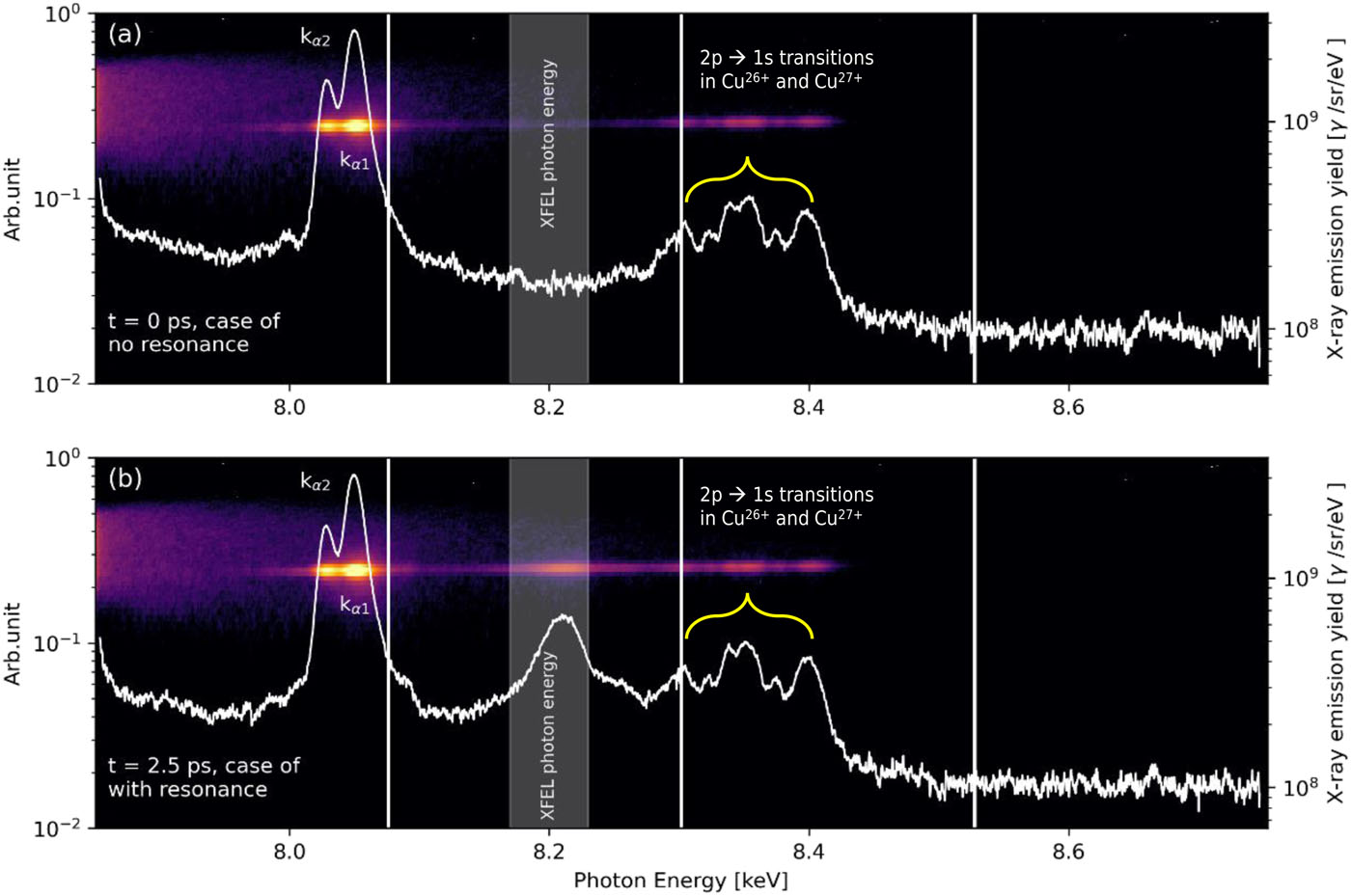
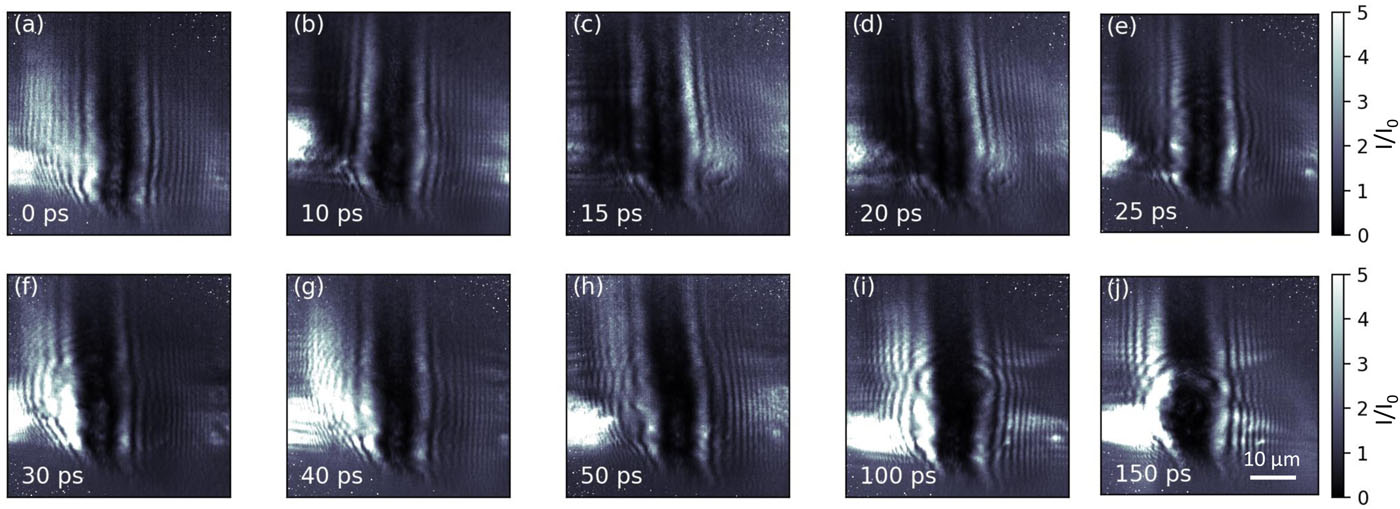
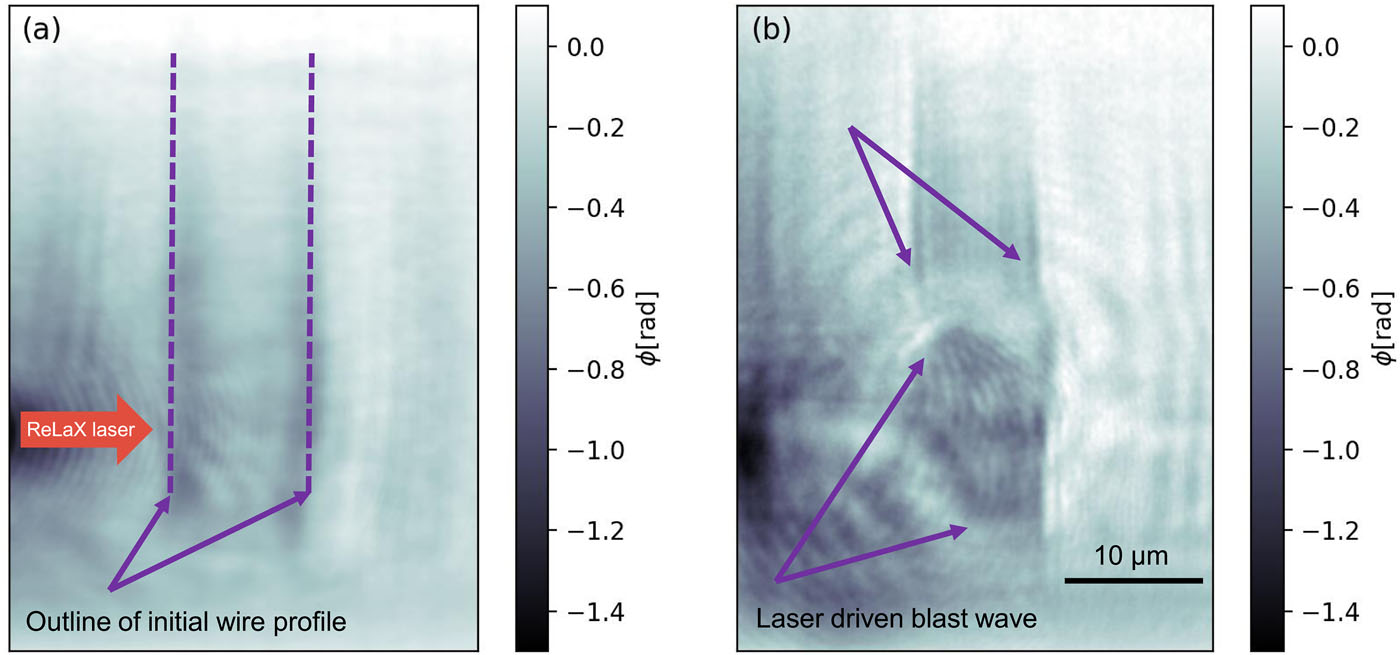
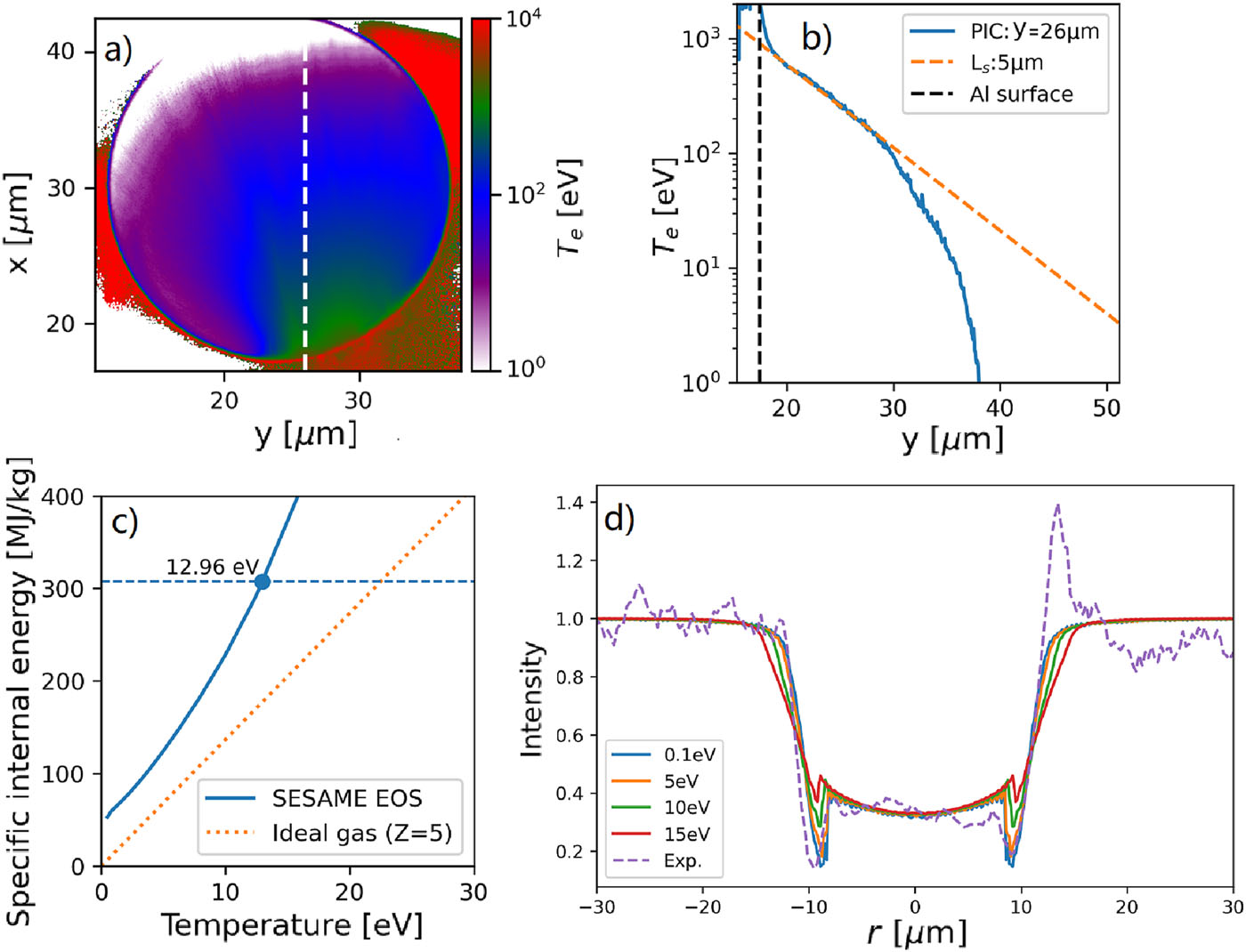
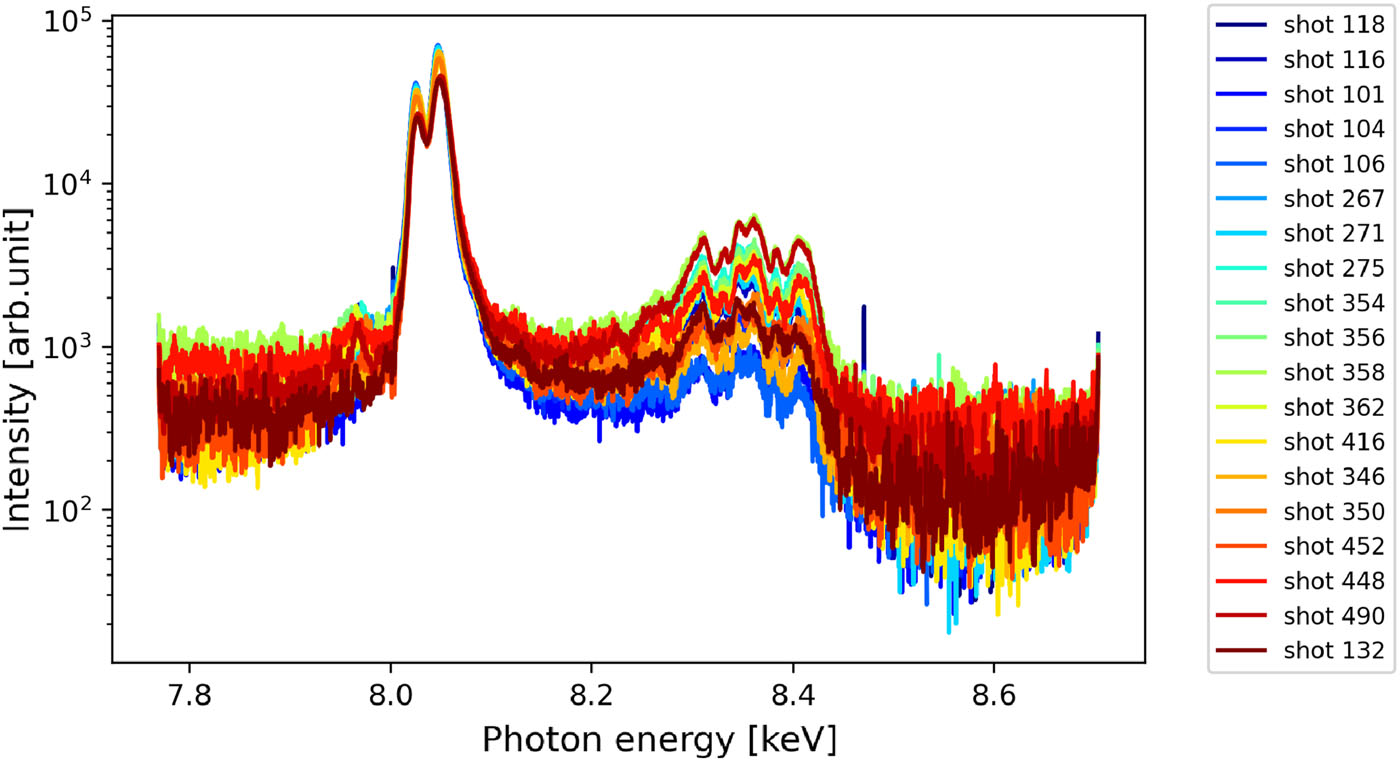
Understanding the complex plasma dynamics in ultra-intense relativistic laser–solid interactions is of fundamental importance for applications of laser–plasma-based particle accelerators, the creation of high-energy-density matter, understanding planetary science, and laser-driven fusion energy. However, experimental efforts in this regime have been limited by the lack of accessibility of over-critical densities and the poor spatiotemporal resolution of conventional diagnostics. Over the last decade, the advent of femtosecond brilliant hard X-ray free-electron lasers (XFELs) has opened new horizons to overcome these limitations. Here, for the first time, we present full-scale spatiotemporal measurements of solid-density plasma dynamics, including preplasma generation with tens of nanometer scale length driven by the leading edge of a relativistic laser pulse, ultrafast heating and ionization at the main pulse arrival, the laser-driven blast wave, and transient surface return current-induced compression dynamics up to hundreds of picoseconds after interaction. These observations are enabled by utilizing a novel combination of advanced X-ray diagnostics including small-angle X-ray scattering, resonant X-ray emission spectroscopy, and propagation-based X-ray phase-contrast imaging simultaneously at the European XFEL-HED beamline station.
Effects of initial spin orientation on the generation of polarized electron beams from laser wakefield acceleration in plasma
Yin L. R., Li X. F., Gu Y. J., Cao N., Kong Q., Büscher M., Weng S. M., Chen M., Sheng Z. M.
2026, 11(1) doi: 10.1063/5.0279175
Abstract:
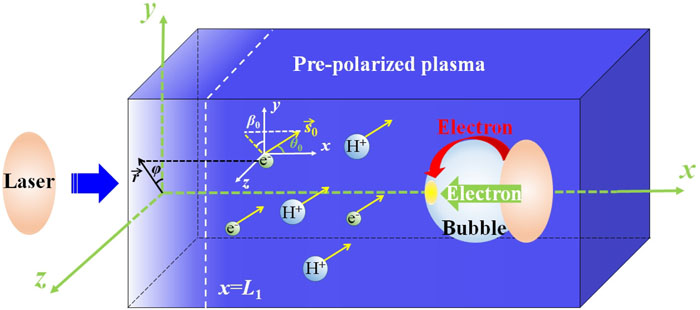
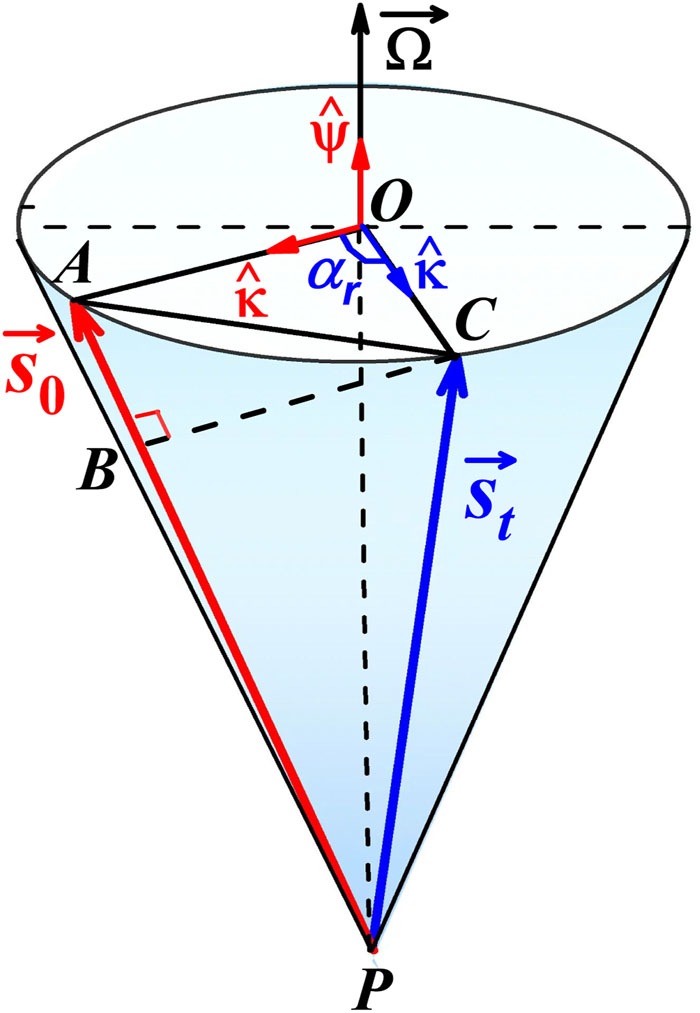
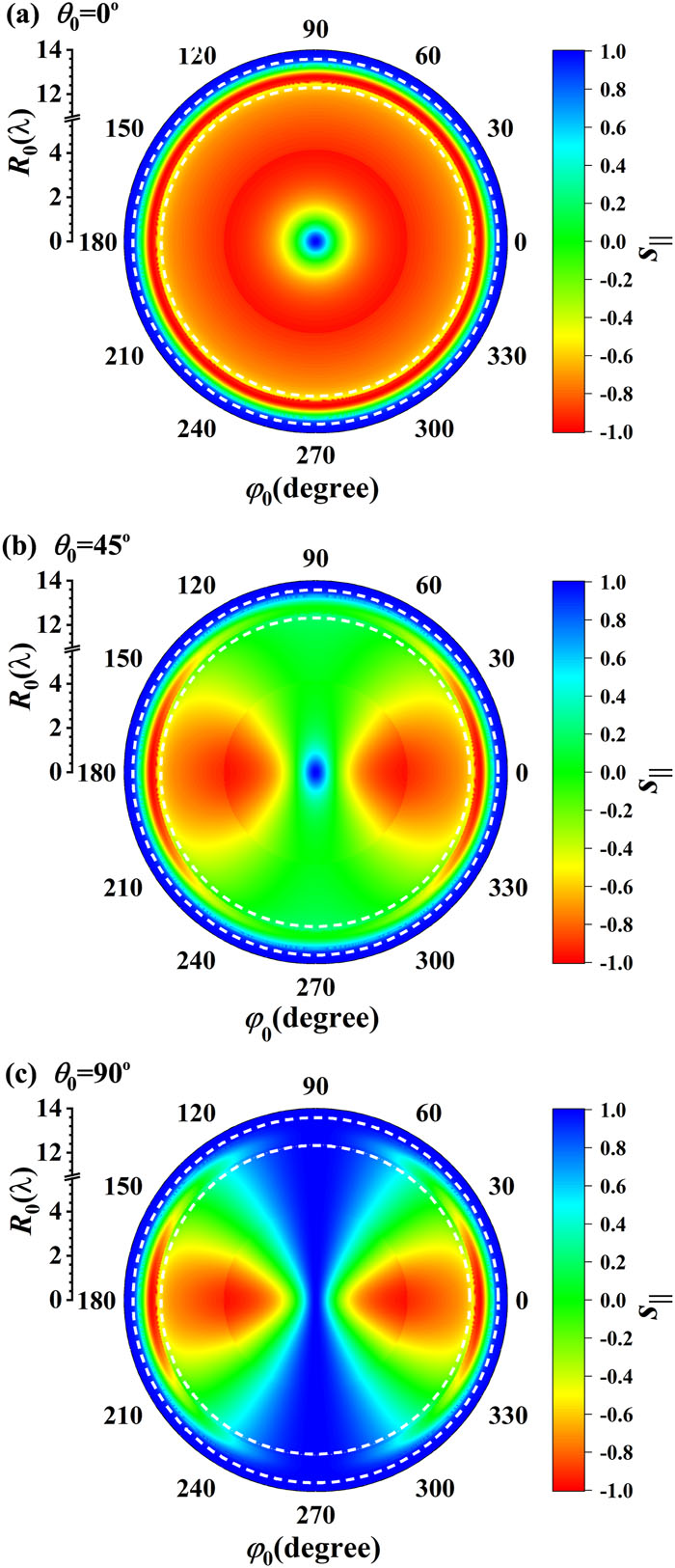
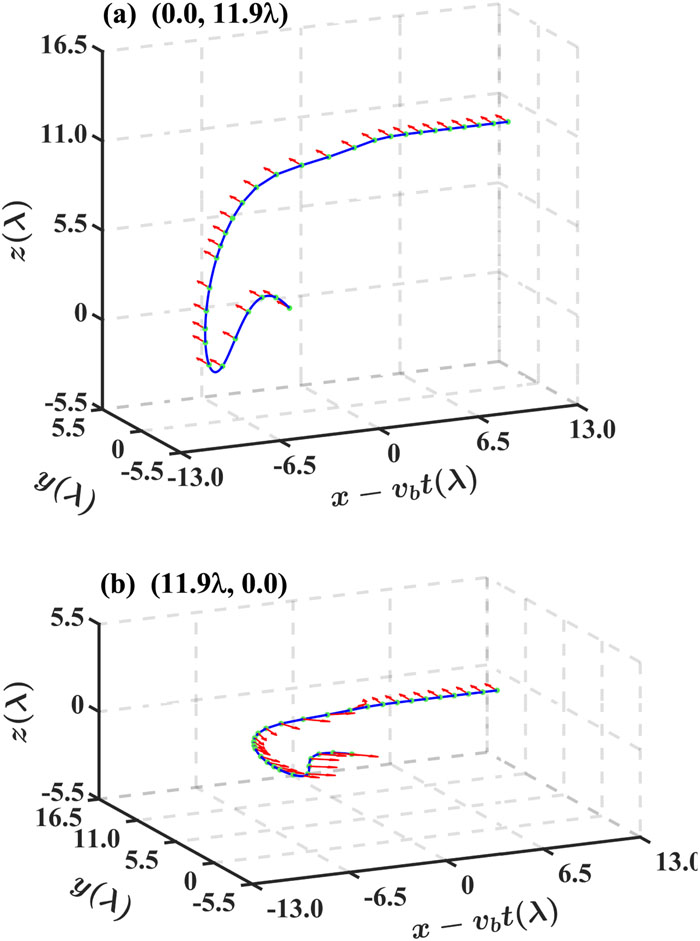
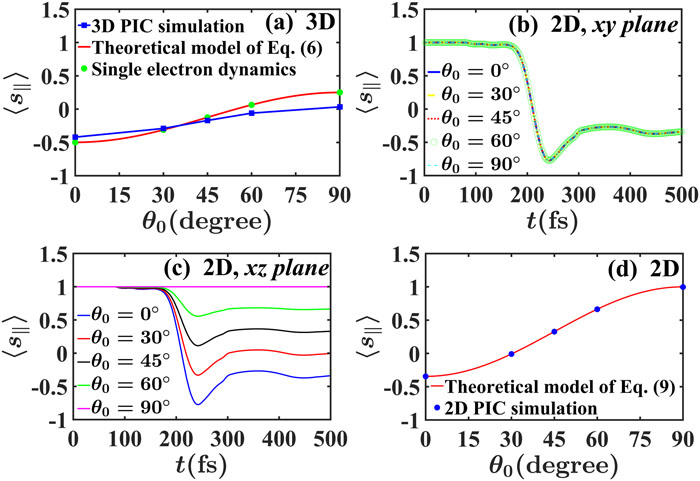
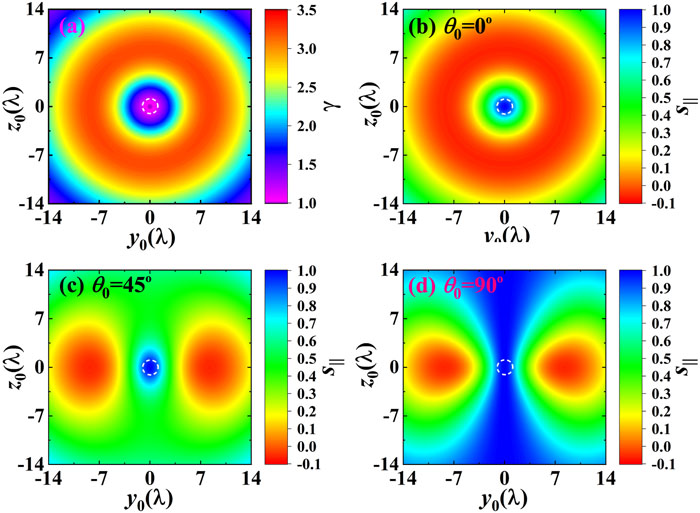
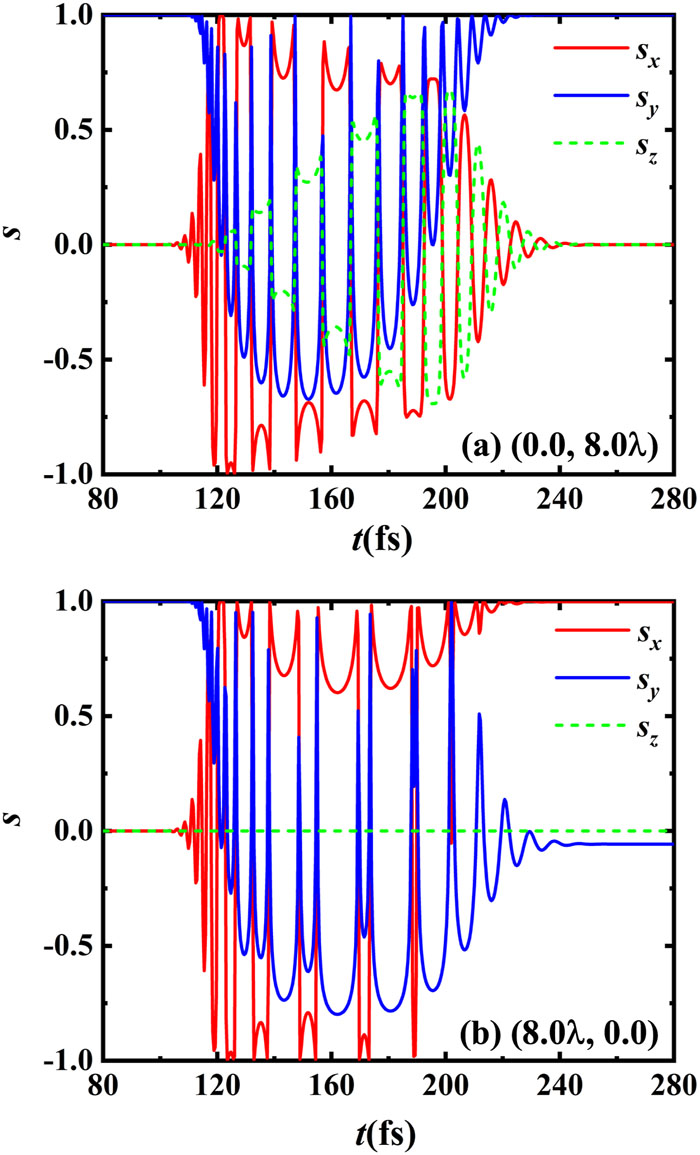
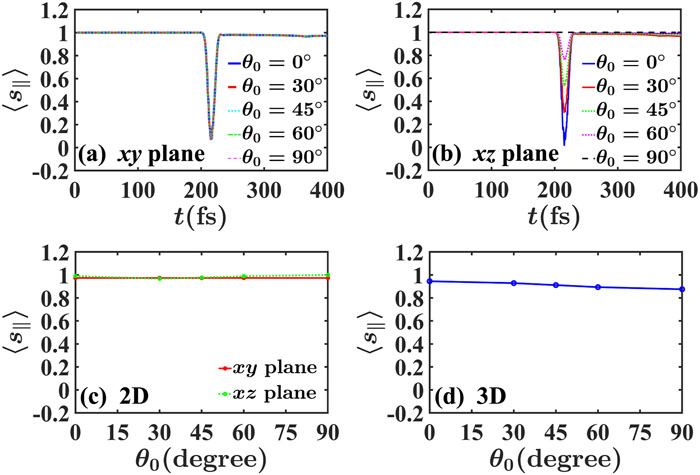
The effects of initial spin orientation on the final electron beam polarization in laser wakefield acceleration in a pre-polarized plasma are investigated theoretically and numerically. From the results of variation of the initial spin direction, the spin dynamics of the electron beam are found to depend on the self-injection mechanism. The effects of wakefields and laser fields are studied using test particle dynamics and particle-in-cell simulations based on the Thomas–Bargmann–Michel–Telegdi equation. Compared with transverse injection, longitudinal injection is found to be preferable for obtaining a highly polarized electron beam.
Inertial Confinement Fusion Physics
Suppression of ablative Rayleigh–Taylor instability by spatially modulated laser in inertial confinement fusion
Lu Zhantao, Xie Xinglong, Liang Xiao, Sun Meizhi, Zhu Ping, Zhang Xuejie, Xing Chunqing, Li Linjun, Xue Hao, Zhang Guoli, Haq Rashid Ul, Zhang Dongjun, Zhu Jianqiang
2026, 11(1) doi: 10.1063/5.0270160
Abstract:
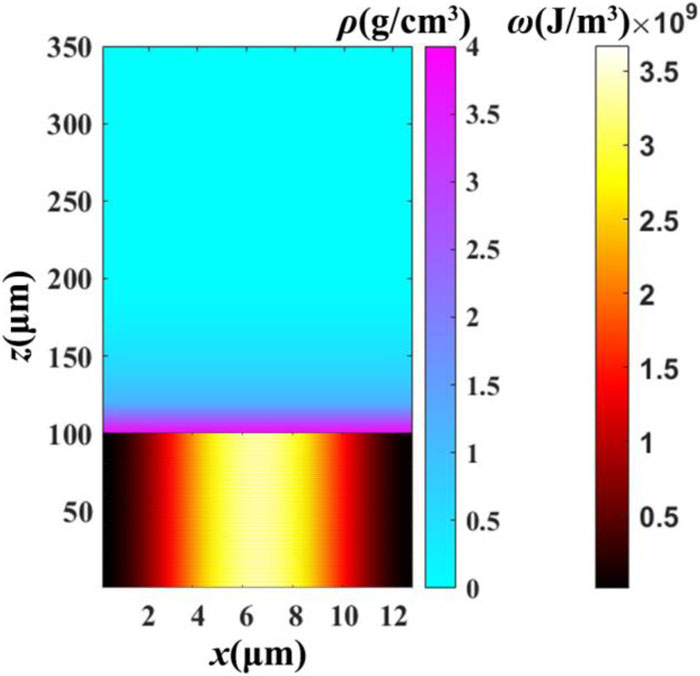
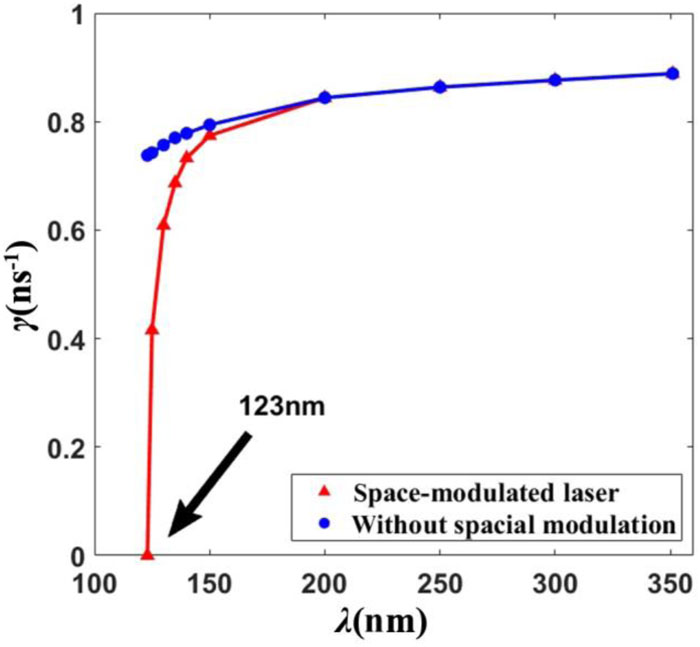
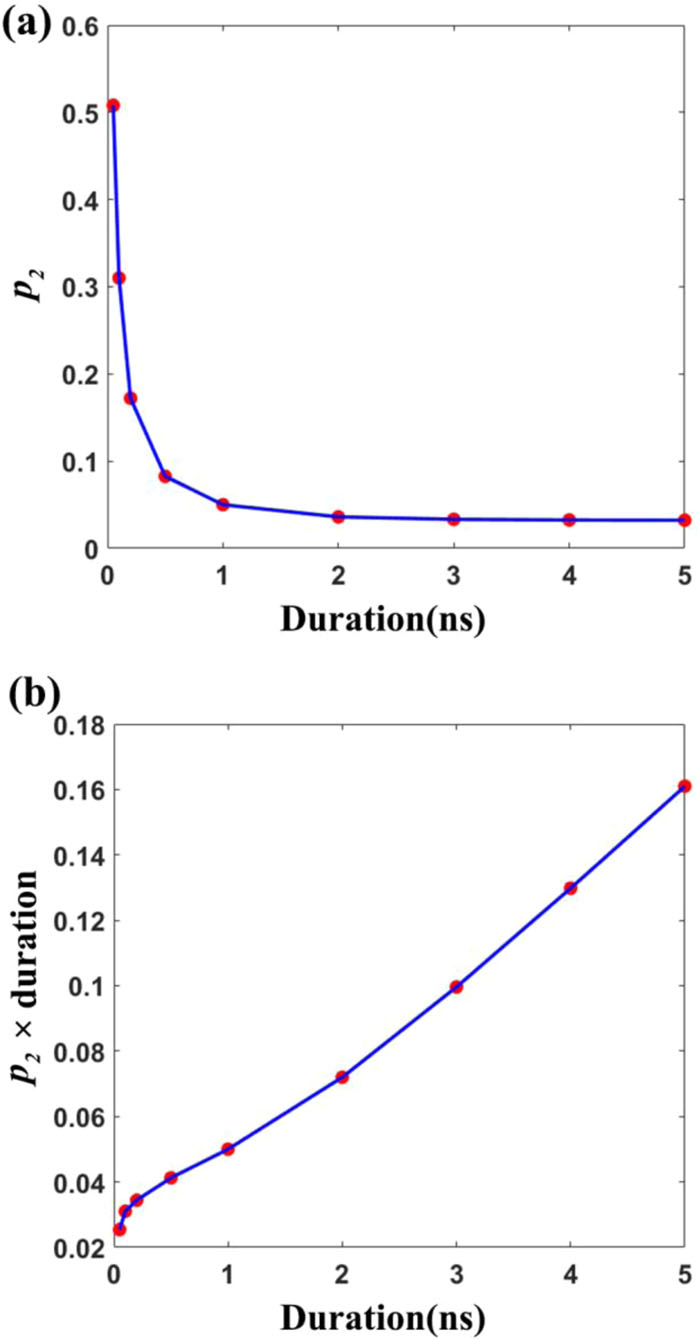
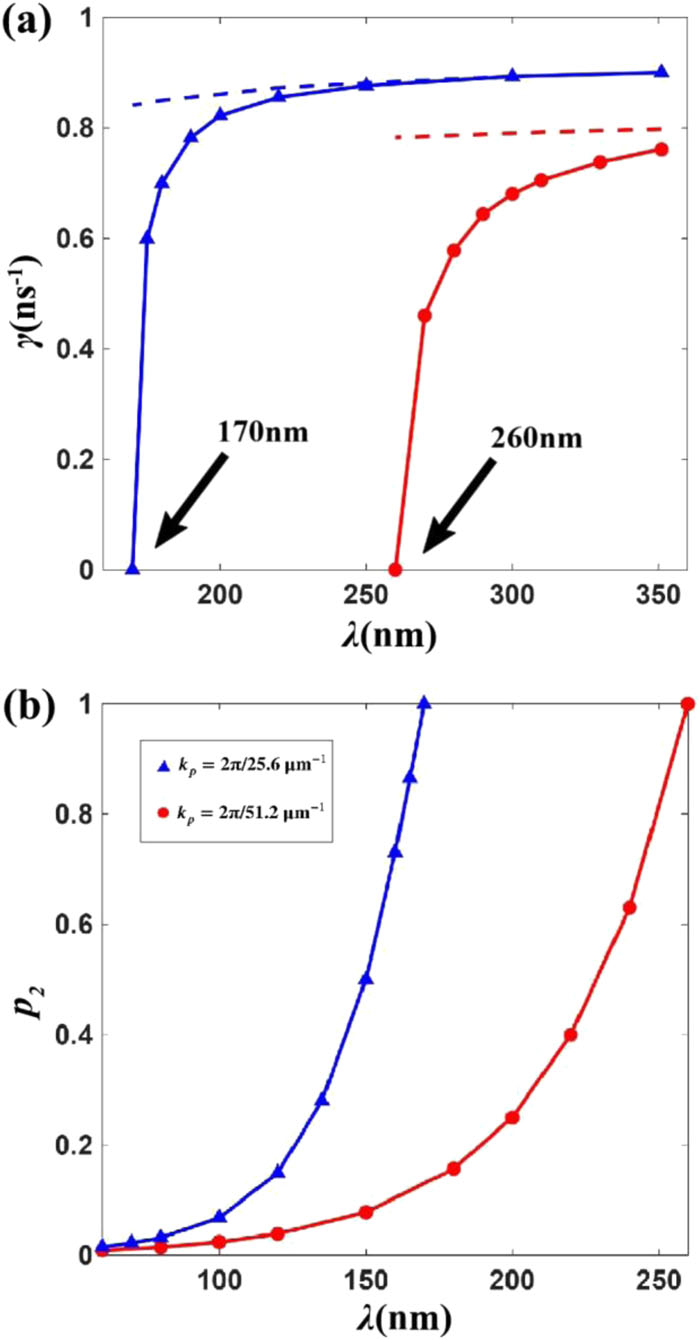
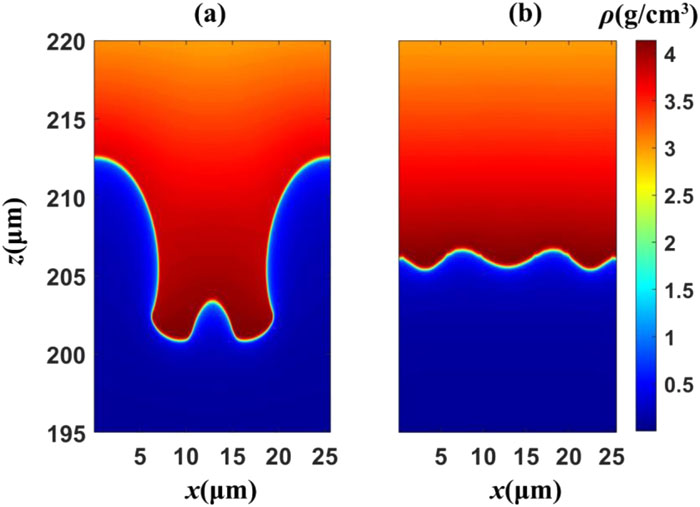
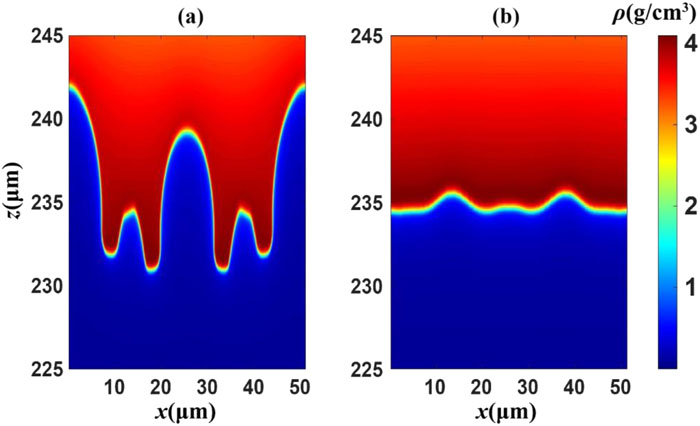
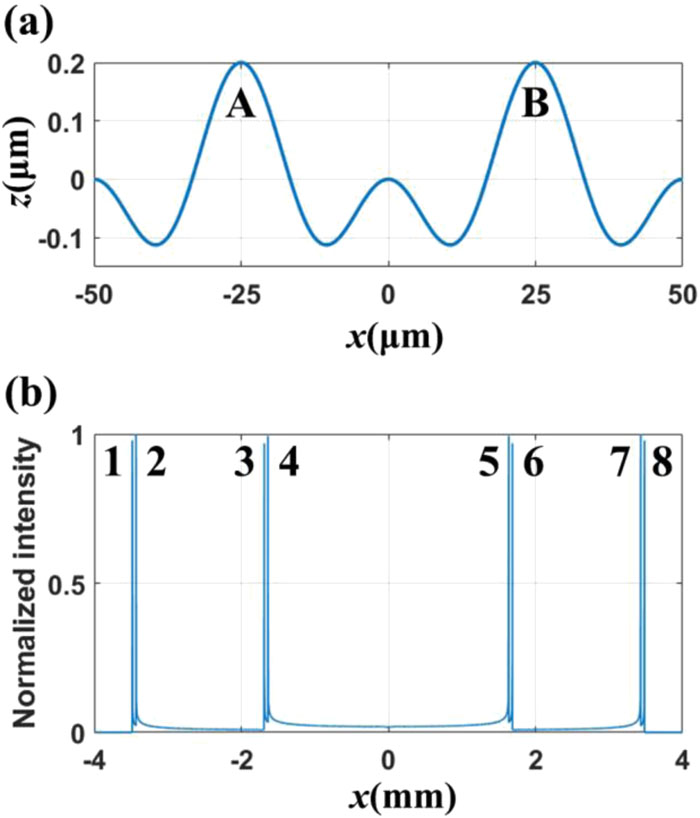
The suppression of ablative Rayleigh–Taylor instability (ARTI) by a spatially modulated laser in inertial confinement fusion (ICF) is studied through numerical simulations. The results show that in the acceleration phase of ICF implosion, the growth of ARTI can be suppressed by using a short-wavelength spatially modulated laser. The ARTI growth rate decreases as the wavelength of the spatially modulated laser decreases, and ARTI is completely suppressed after a certain wavelength has been reached. A spatially uniform laser is introduced to keep the state of motion of the implosion fluid consistent, and it is found that the proportion of the spatially modulated laser required for complete suppression of ARTI decreases as the wavelength continues to decrease. We also optimize the spatial intensity distribution of the spatially modulated laser. In addition, as the duration of the spatially modulated laser decreases, the proportion required for completely suppressing ARTI increases, but the required energy decreases. When the perturbation wavenumber decreases, the wavelength of the spatially modulated laser required for complete suppression of ARTI becomes longer. In the case of multimode perturbation, ARTI can also be significantly suppressed by a spatially modulated laser, and the perturbation amplitude can be reduced to less than 10% of that without a spatially modulated laser. We believe that the conclusions drawn from our simulations can provide the basis for new approaches to control ARTI in ICF.
Radiation and Hydrodynamics
X-ray phase-contrast imaging using a quasi-monochromatic all-optical inverse Compton scattering source
Guo Bo, Wu Shuanghua, Ma Yue, Liu Dexiang, Zeng Weiwang, Zhang Guangkuo, Hua Jianfei, Lu Wei
2026, 11(1) doi: 10.1063/5.0281386
Abstract:
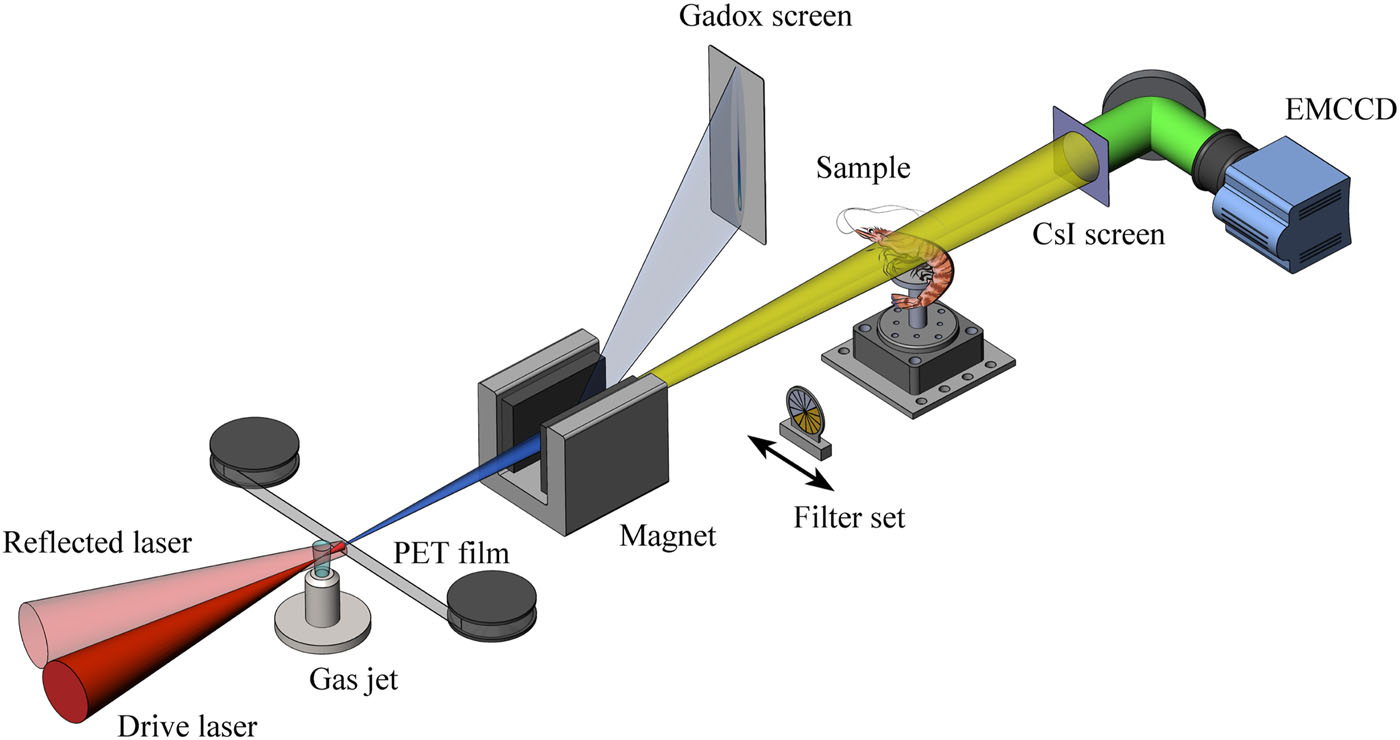
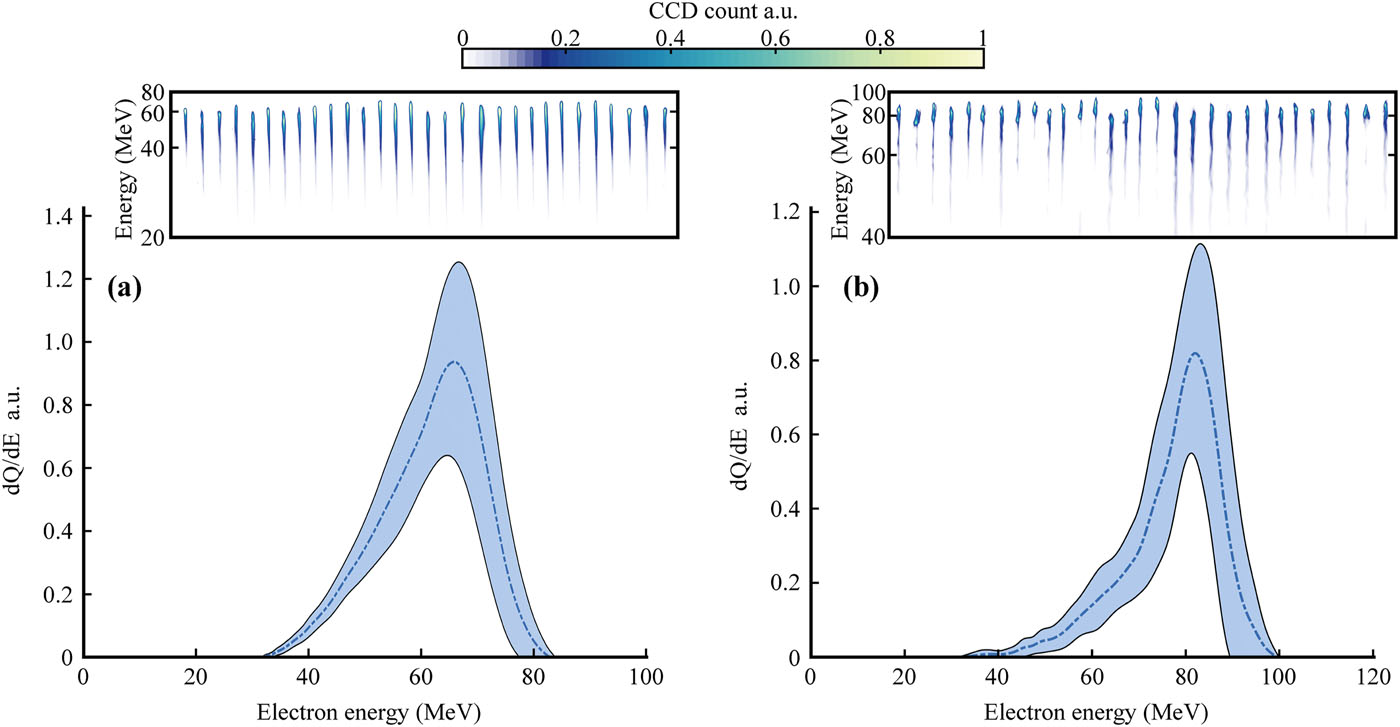
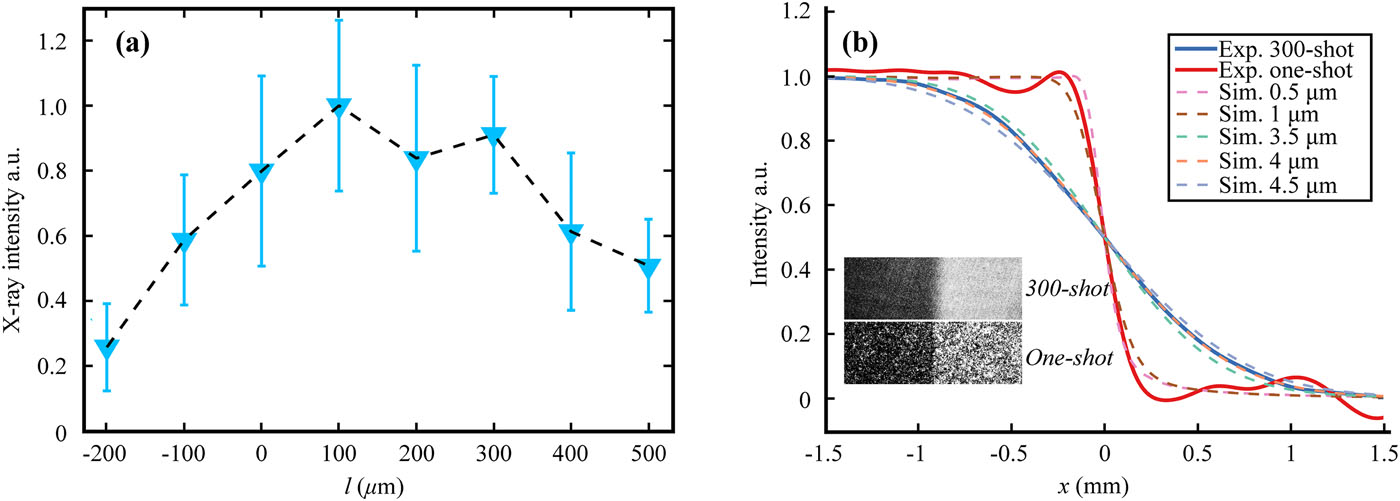
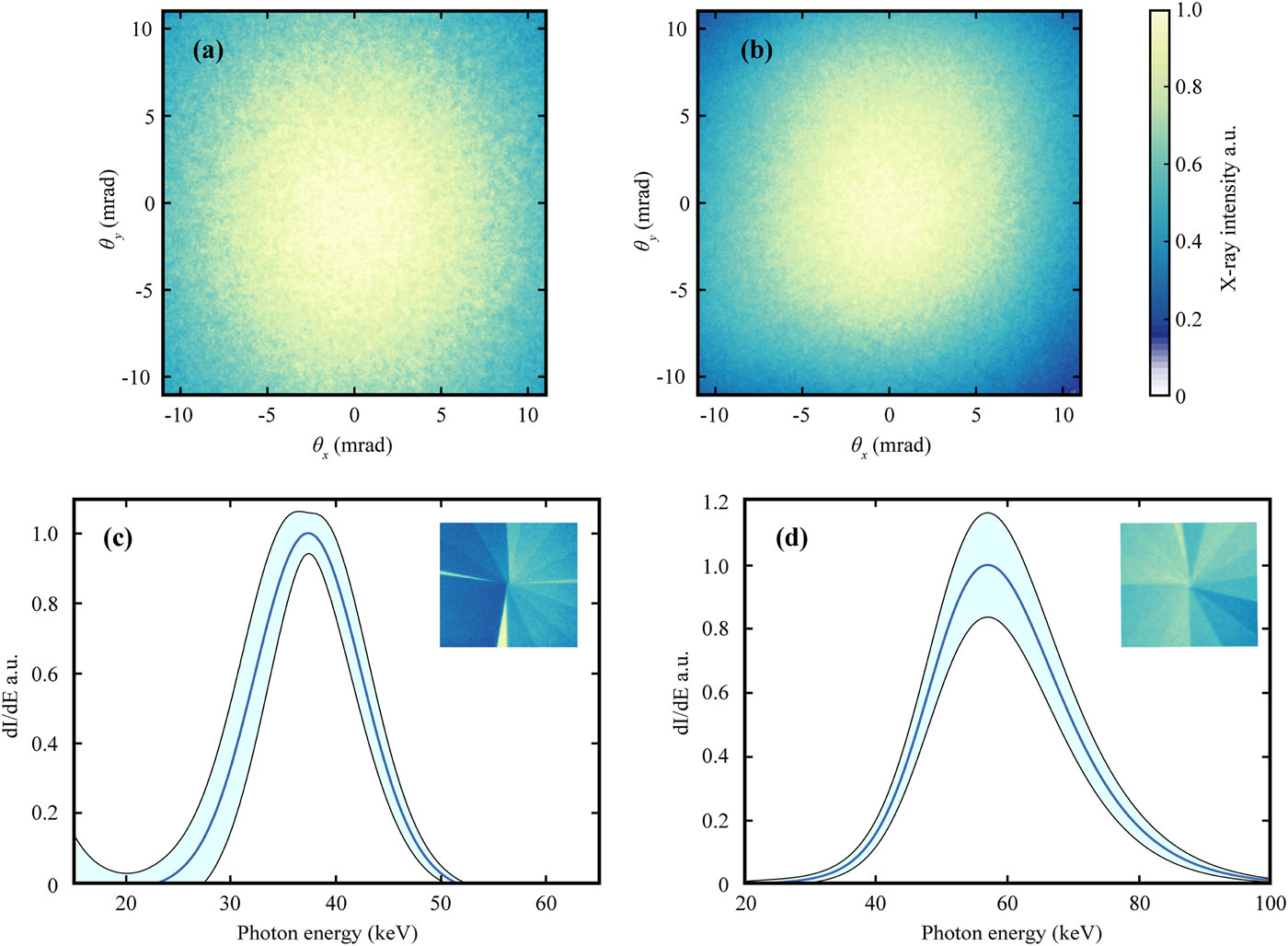
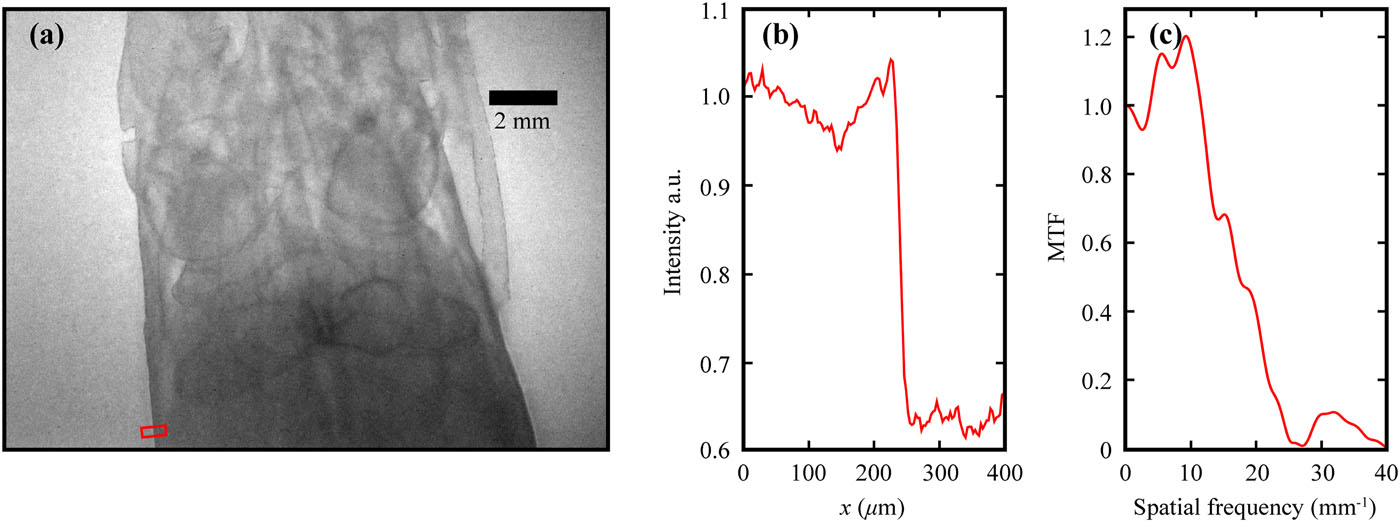
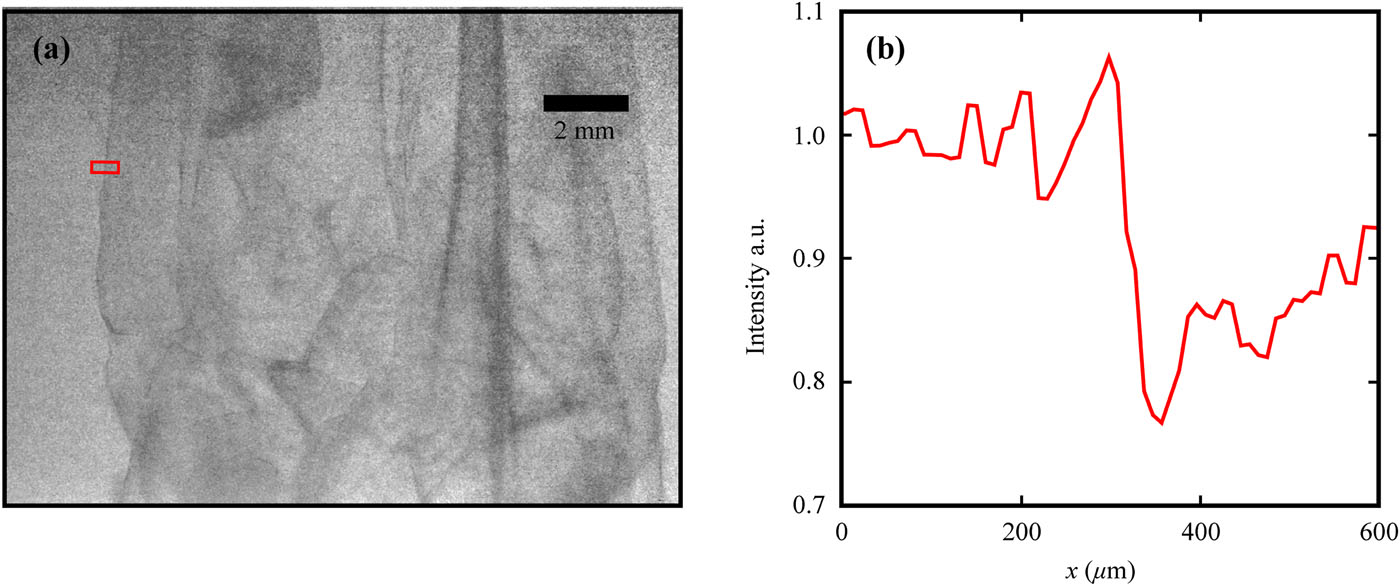
Laser wakefield accelerators (LWFAs) offer acceleration gradients up to 1000 times higher than those of conventional radio-frequency accelerators, offering a pathway to significantly more compact and cost-effective accelerator systems. This breakthrough opens up new possibilities for laboratory-scale light sources. All-optical inverse Compton scattering (AOCS) sources driven by LWFAs produce high-brightness, quasi-monochromatic X rays with micrometer-scale source sizes, delivering the spatial coherence and resolution required for X-ray phase-contrast imaging (XPCI). These features position AOCS X-ray sources as promising tools for applications in biology, medicine, physics, and materials science. However, previous AOCS-based imaging studies have primarily focused on X-ray absorption imaging. In this work, we report successful experimental demonstrations of edge-enhanced in-line XPCI using energy-tunable, quasi-monochromatic AOCS X rays. With a spatial resolution of ∼20 μm, our results clearly show the potential of high-resolution, AOCS-based XPCI applications.
Magnetic stagnation of two counterstreaming plasma jets induced by intense laser
Zemskov R. S., Perevalov S. E., Kotov A. V., Murzanev A. A., Korytin A. I., Burdonov K. F., Ginzburg V. N., Kochetkov A. A., Stukachev S. E., Yakovlev I. V., Shaikin I. A., Kuzmin A. A., Derishev E. V., Korzhimanov A. V., Soloviev A. A., Shaykin A. A., Stepanov A. N., Starodubtsev M. V., Khazanov E. A.
2026, 11(1) doi: 10.1063/5.0272622
Abstract:
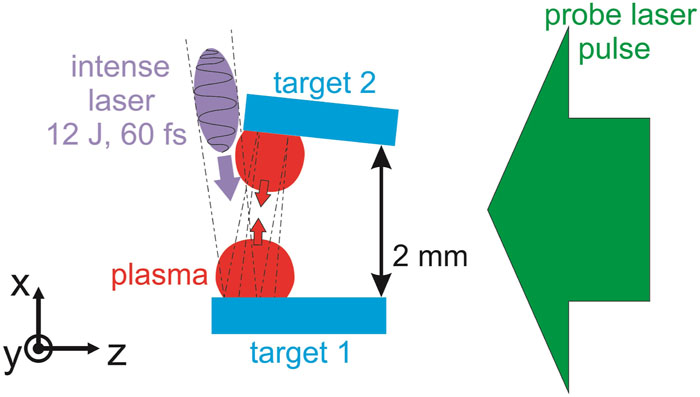
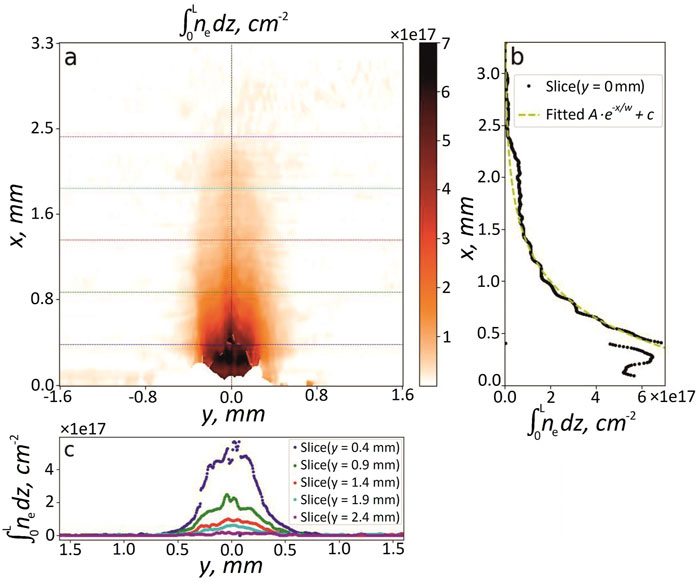
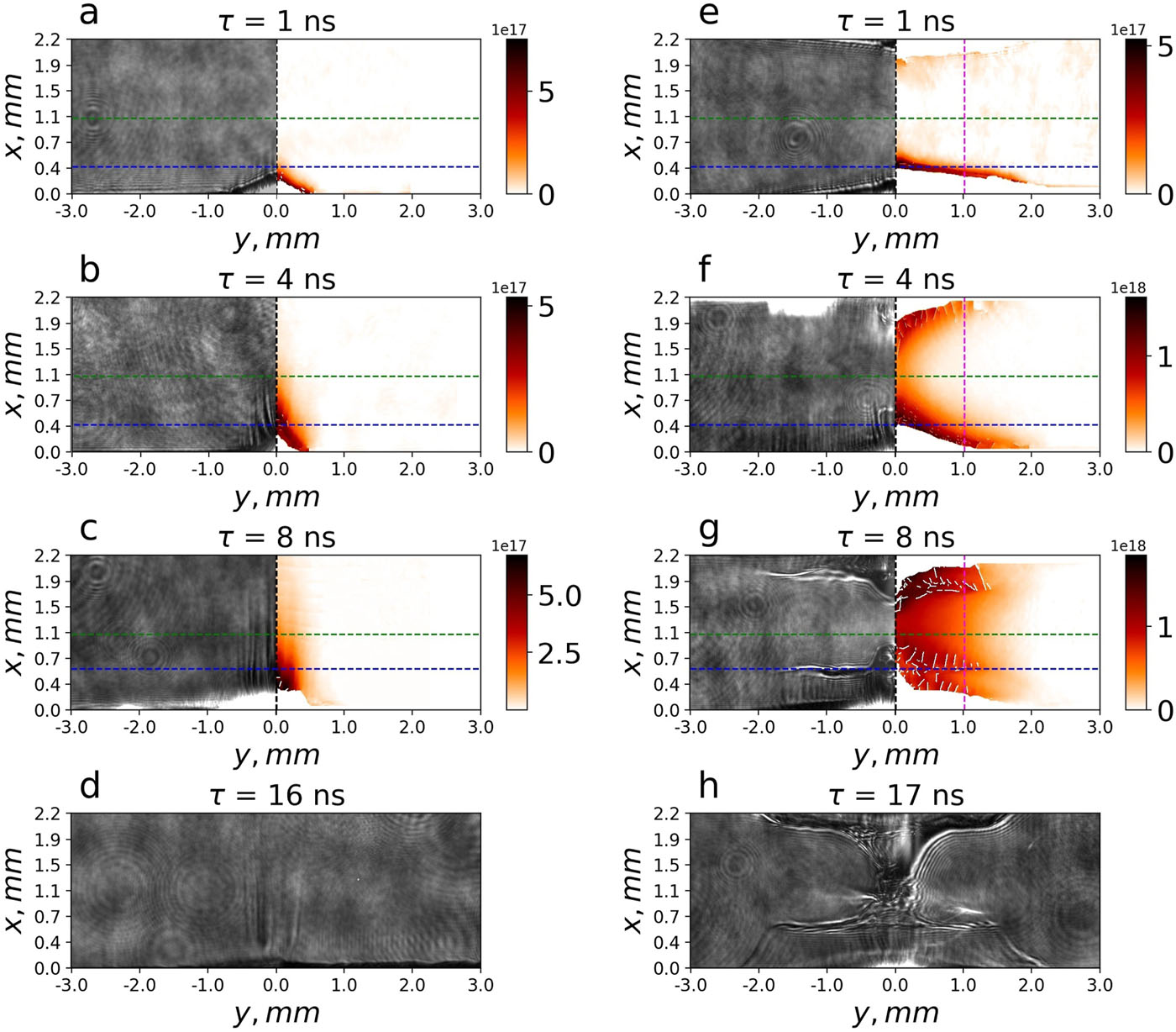
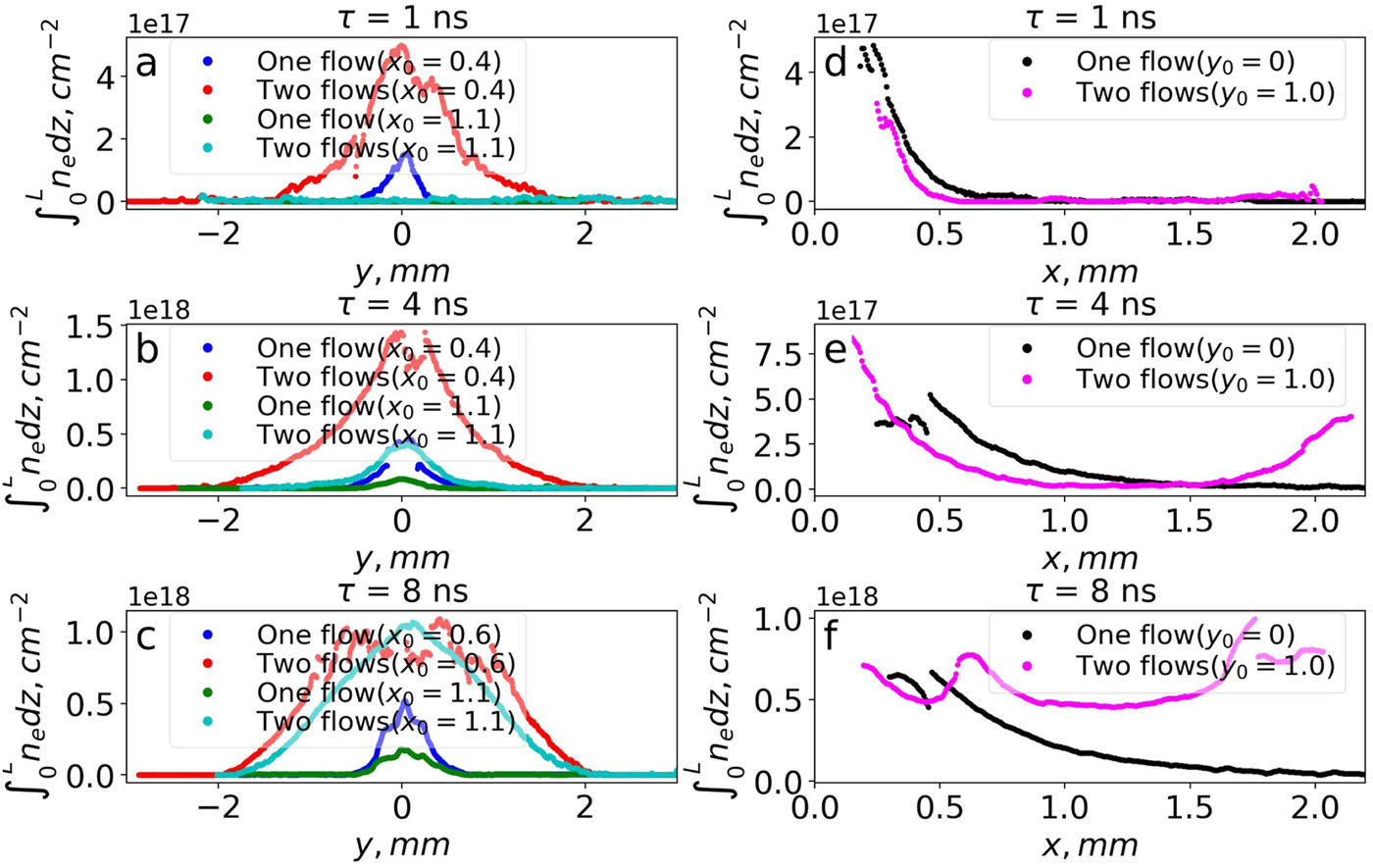
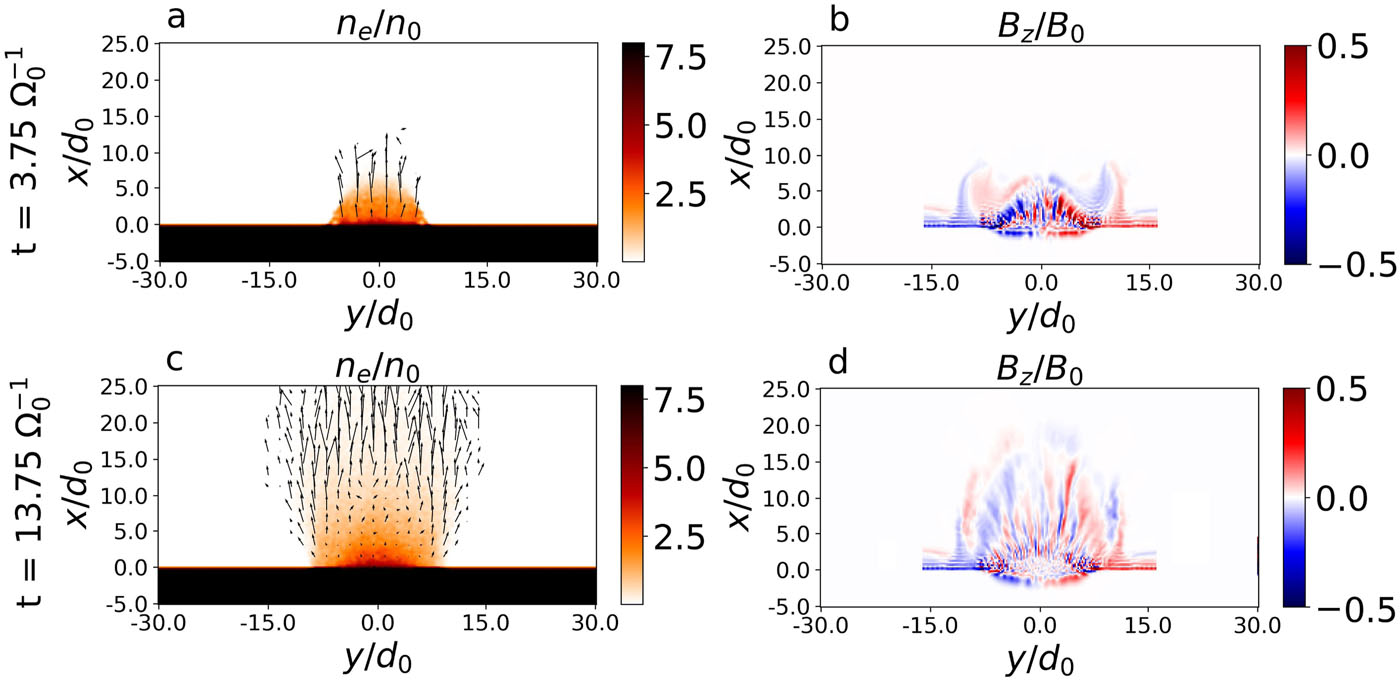
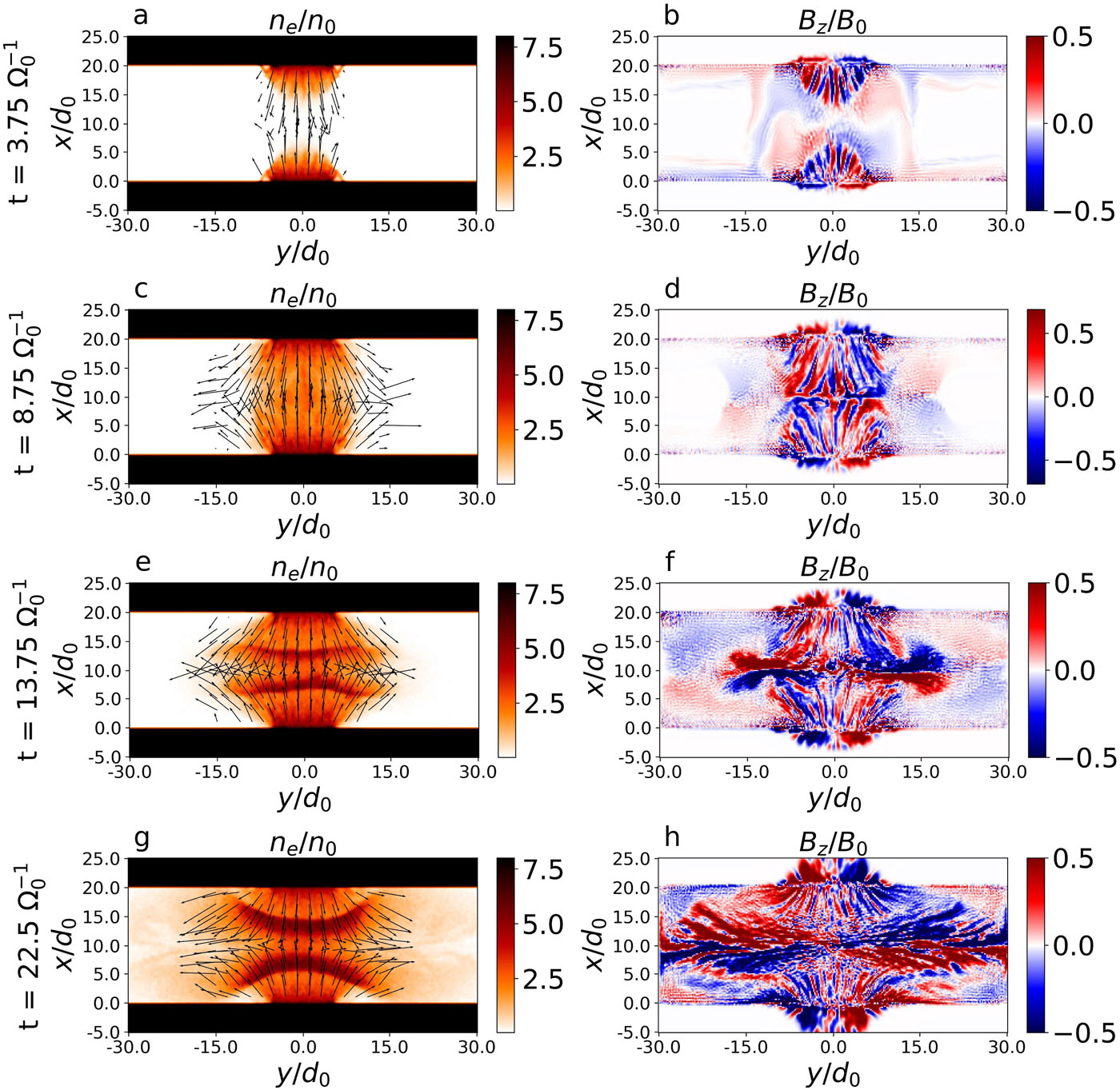
Experiments with interacting high-velocity flows in a laser plasma can help answer fundamental questions in plasma physics and improve understanding of the mechanisms behind some astrophysical phenomena, such as the formation of collisionless shock waves, deceleration of accretion flows, and evolution of solar and stellar flares. This work presents the first direct experimental observations of stagnation and redirection of counterstreaming flows (jets) of laser plasma induced by intense laser pulses with intensity I ∼ 2 × 10¹⁸ W/cm2. Hybrid particle-in-cell–fluid modeling, which takes into account the kinetic effects of ion motion and the evolution of the pressure tensor for electrons, demonstrates the compression of counterdirected toroidal self-generated magnetic fields embedded in counterstreaming plasma flows. The enhancement of the toroidal magnetic field in the interaction region results in plasma flow stagnation and redirection of the jets across the line of their initial propagation.
Three-step formation of diamonds in shock-compressed hydrocarbons: Dissociation, species separation, and nucleation
Chen Bo, Zeng Qiyu, Yu Xiaoxiang, Chen Jiahao, Zhang Shen, Kang Dongdong, Dai Jiayu
2026, 11(1) doi: 10.1063/5.0273729
Abstract:
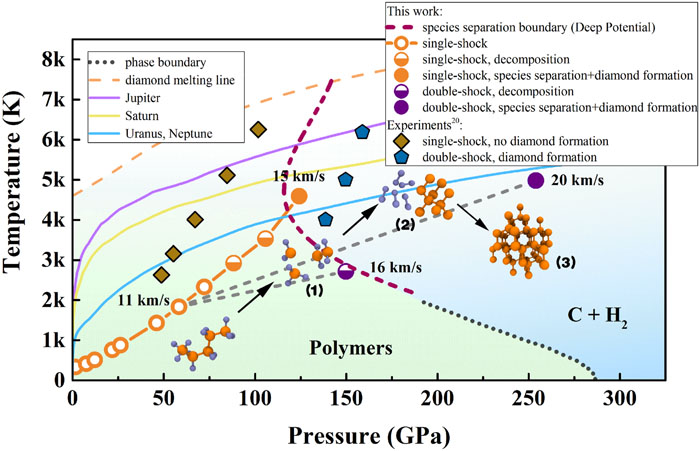
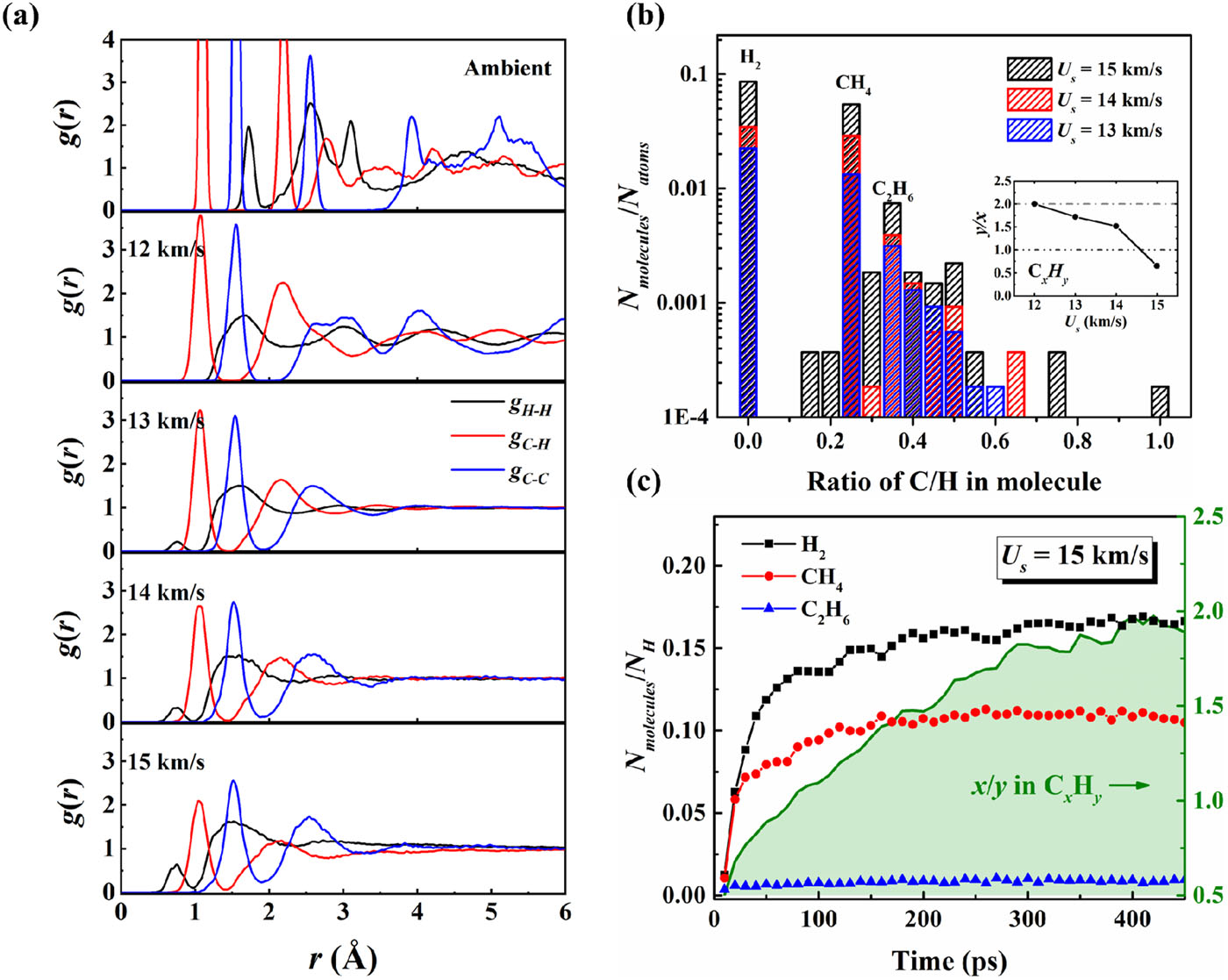
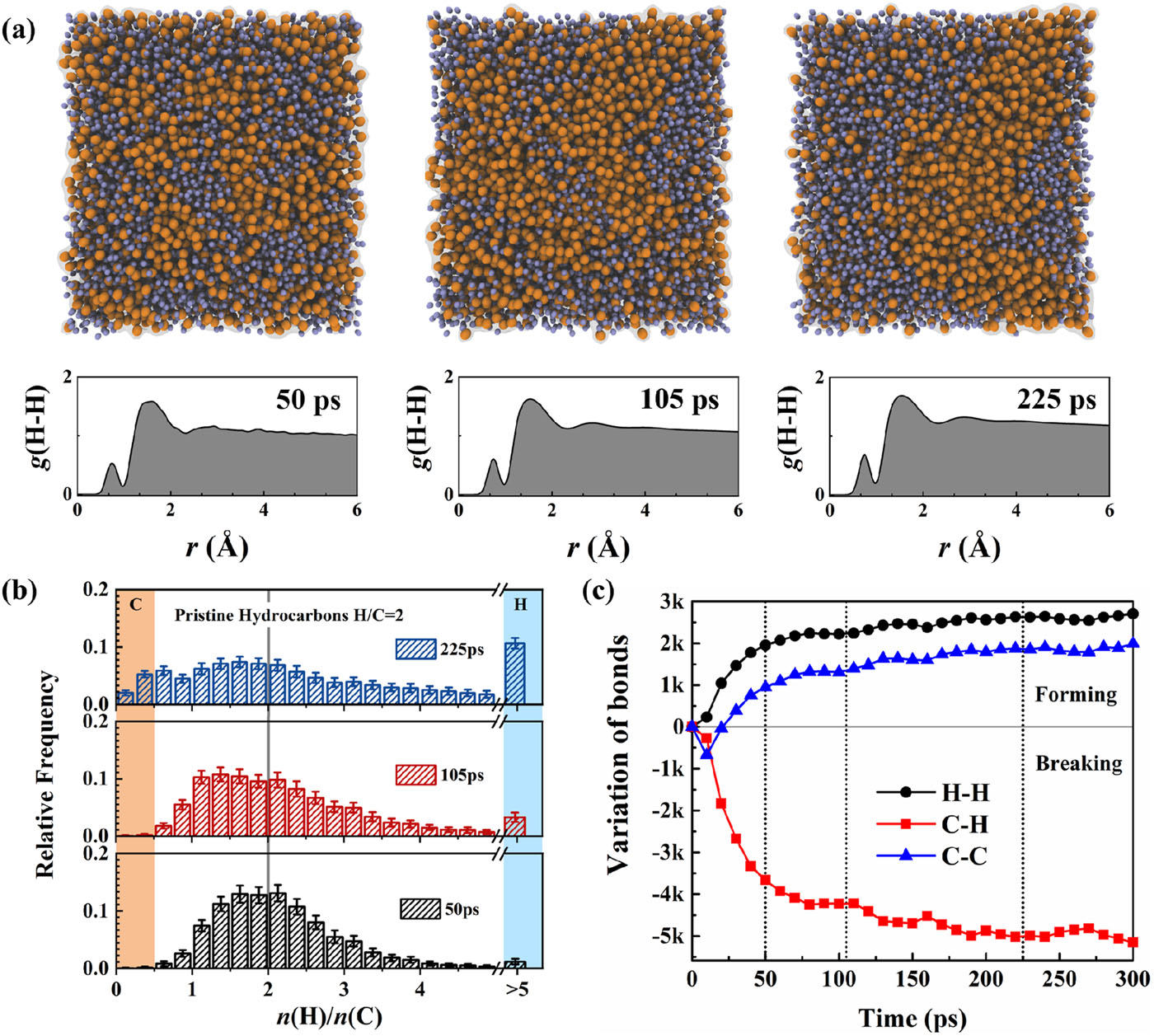
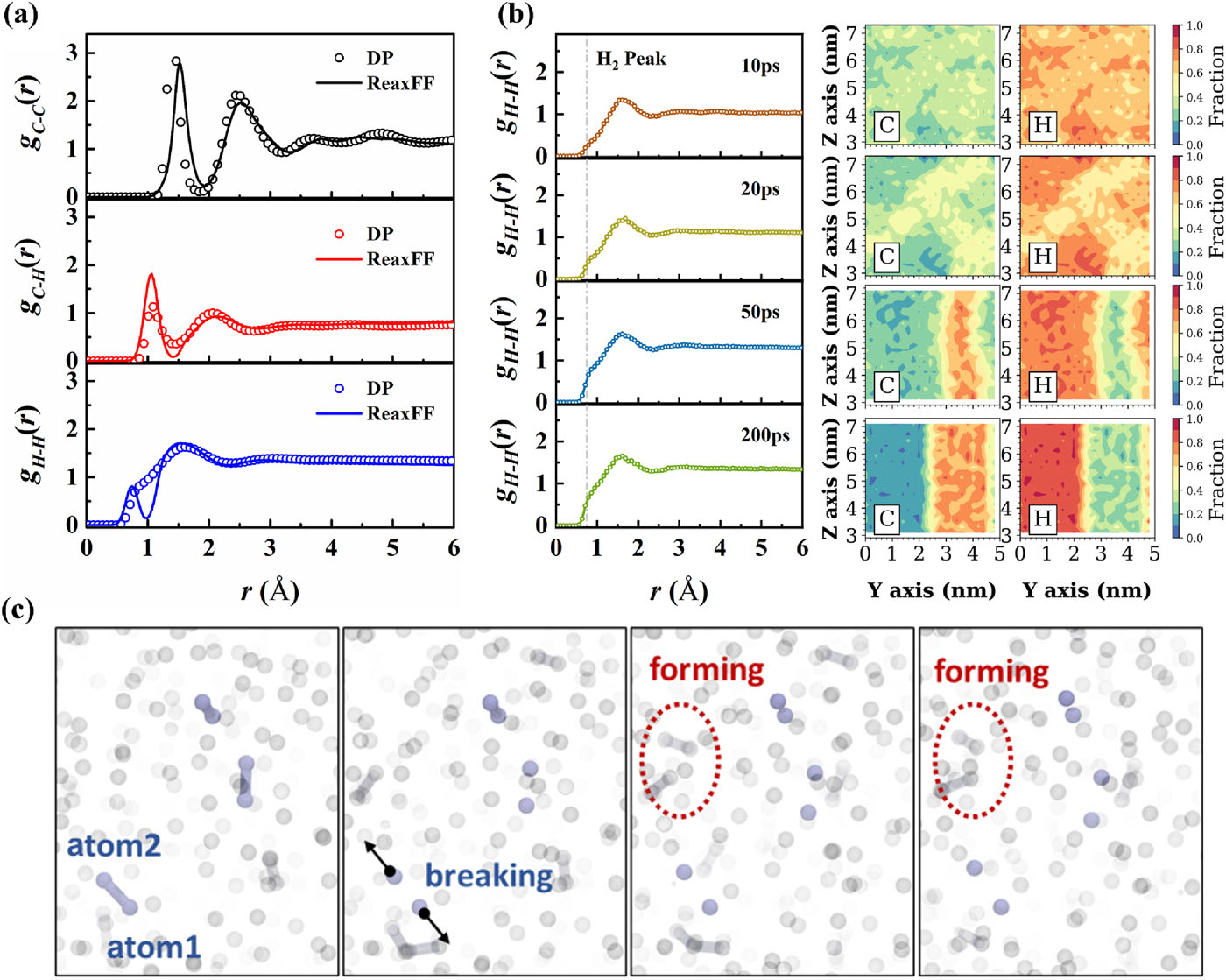
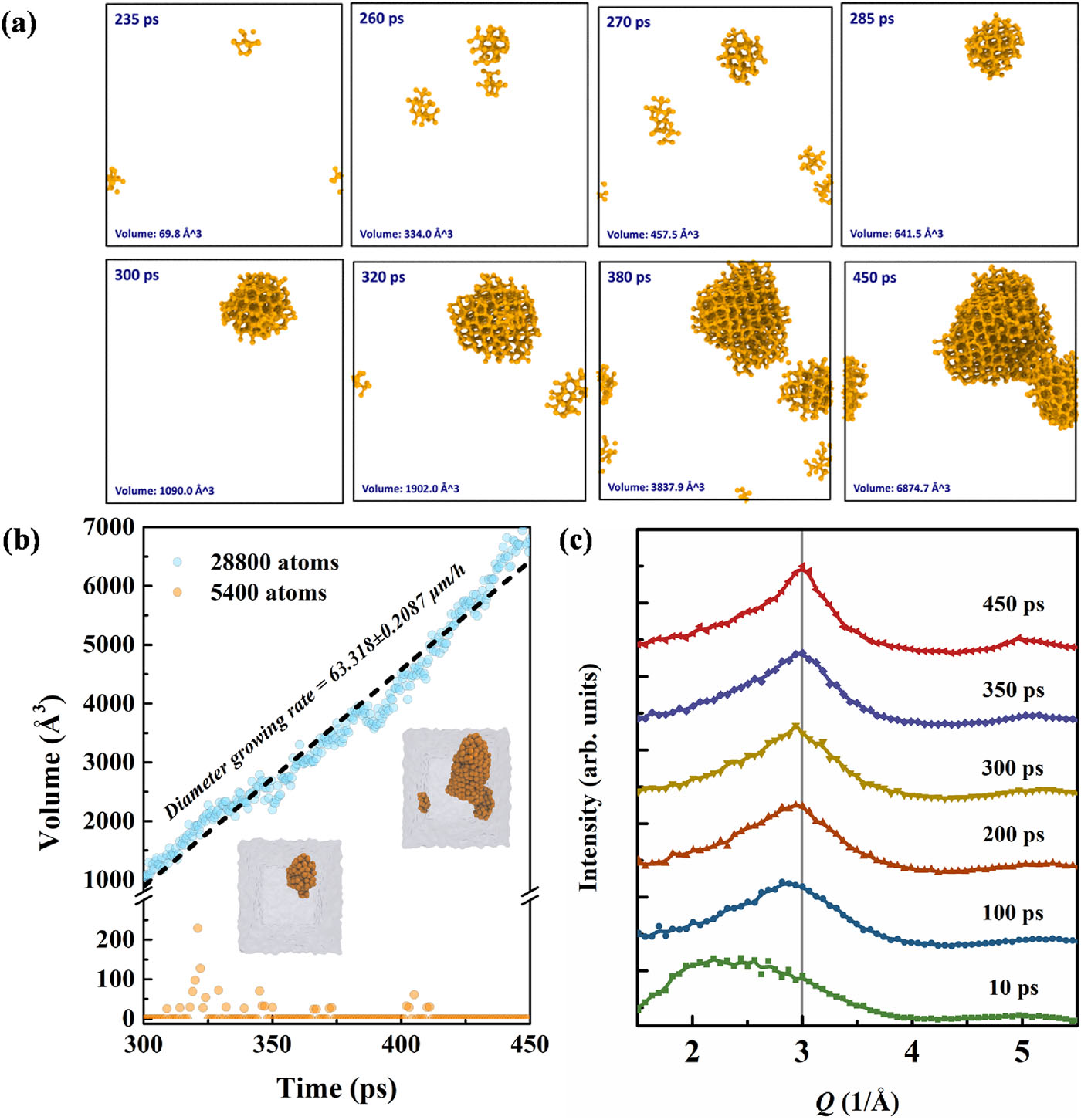
The accumulation and circulation of carbon and hydrogen contribute to the chemical evolution of ice giant planets. Species separation and diamond precipitation have been reported in carbon–hydrogen systems and have been verified by static and shock compression experiments. Nevertheless, the dynamic formation processes underlying these phenomena remain insufficiently understood. In combination with a deep learning model, we demonstrate that diamonds form through a three-step process involving dissociation, species separation, and nucleation processes. Under shock conditions of 125 GPa and 4590 K, hydrocarbons decompose to give hydrogen and low-molecular-weight alkanes (CH4 and C2H6), which escape from the carbon chains, resulting in C/H species separation. The remaining carbon atoms without C–H bonds accumulate and nucleate to form diamond crystals. The process of diamond growth is associated with a critical nucleus size at which the dynamic energy barrier plays a key role. These dynamic processes of diamond formation provide insight into the establishment of a model for the evolution of ice giant planets.
Scaling of thin wire cylindrical compression with material, diameter, and laser energy after 100 fs Joule surface heating
Yang L., Herbert M.-L., Baehtz C., Bouffetier V., Brambrink E., Dornheim T., Fefeu N., Gawne T., Goede S., Hagemann J., Höppner H., Huang L. G., Humphries O., Kluge T., Kraus D., Lütgert J., Naedler J.-P., Nakatsutsumi M., Pelka A., Preston T. R., Qu C. B., Rahul S. V., Randolph L., Redmer R., Rehwald M., Santos J. J., Šmíd M., Schramm U., Schwinkendorf J.-P., Vescovi M., Zastrau U., Zeil K., Laso Garcia A., Toncian T., Cowan T. E.
2026, 11(1) doi: 10.1063/5.0291405
Abstract:
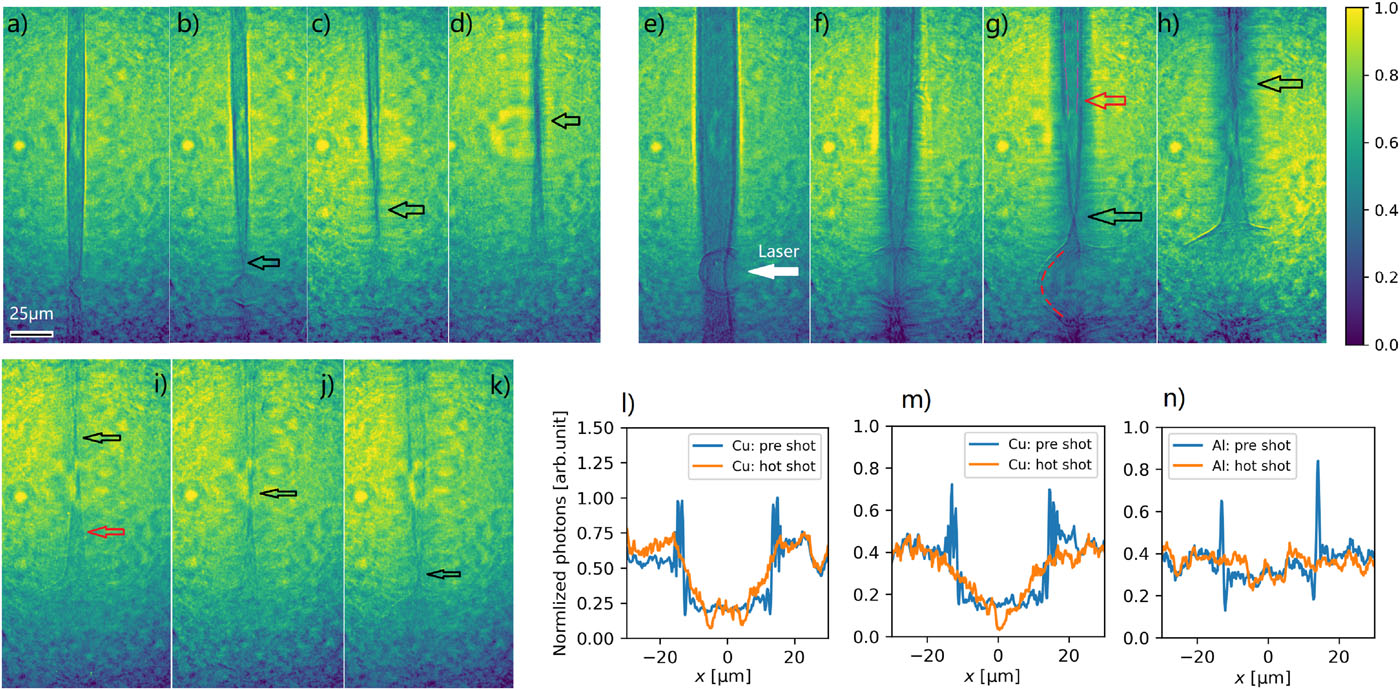
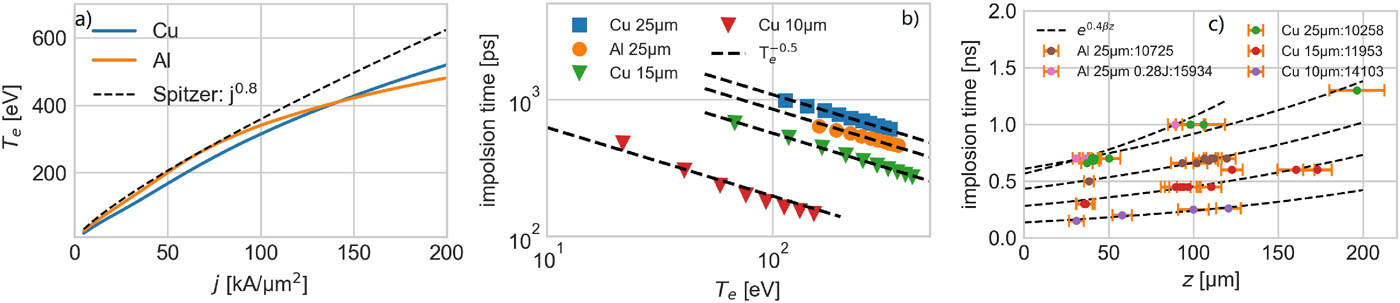
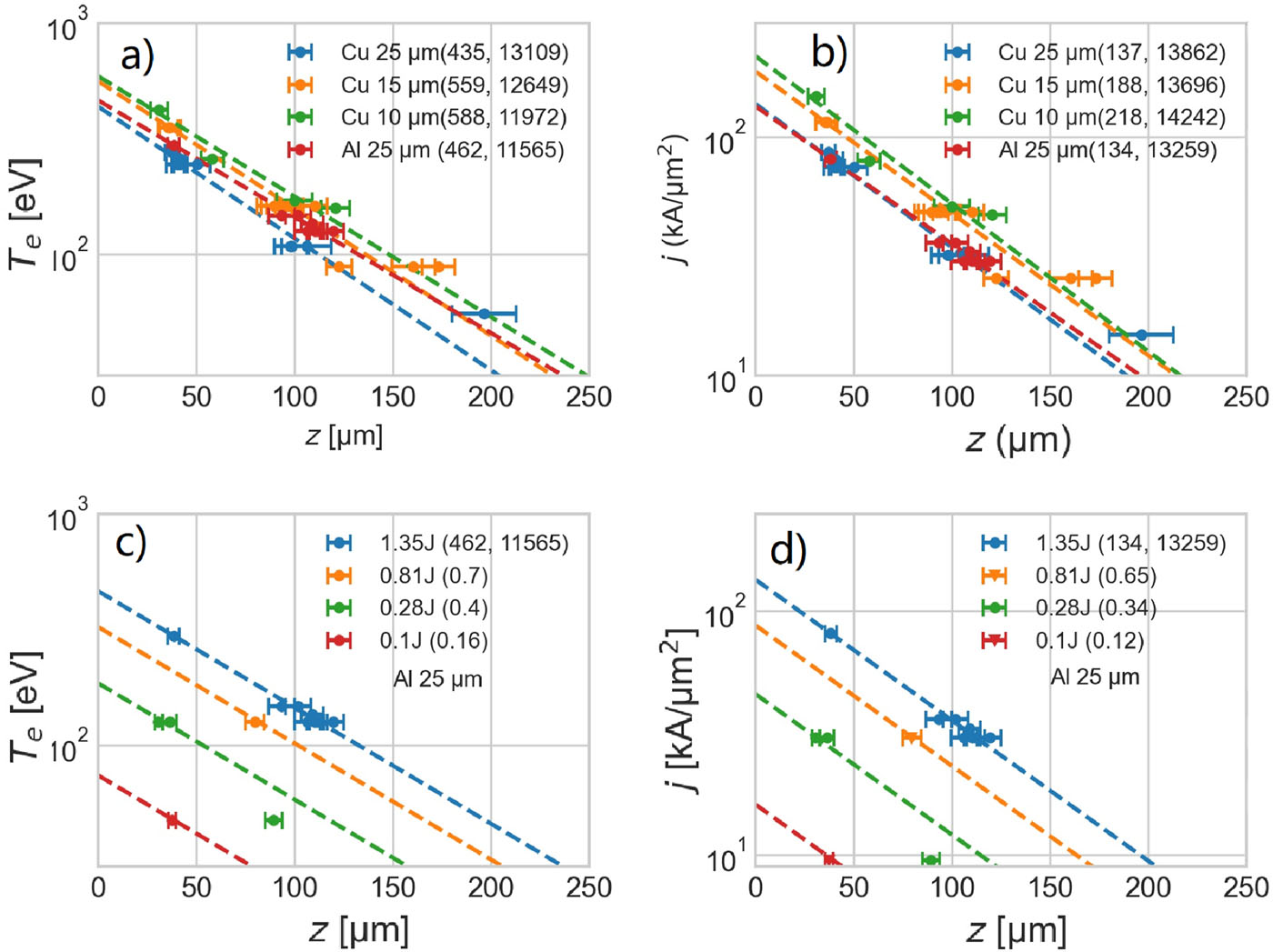
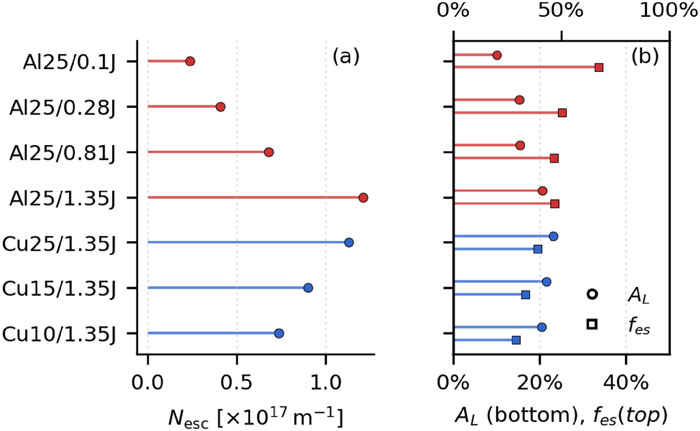
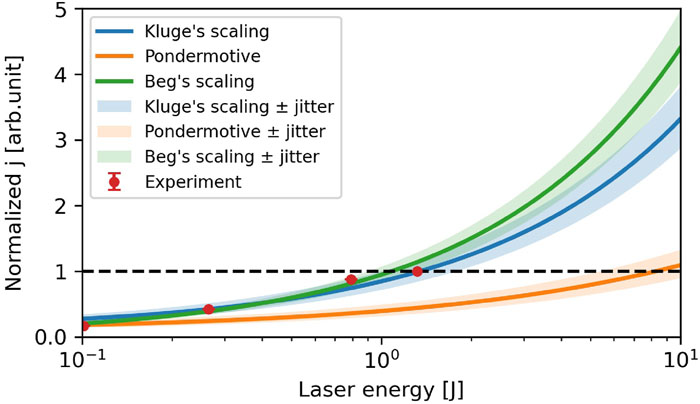
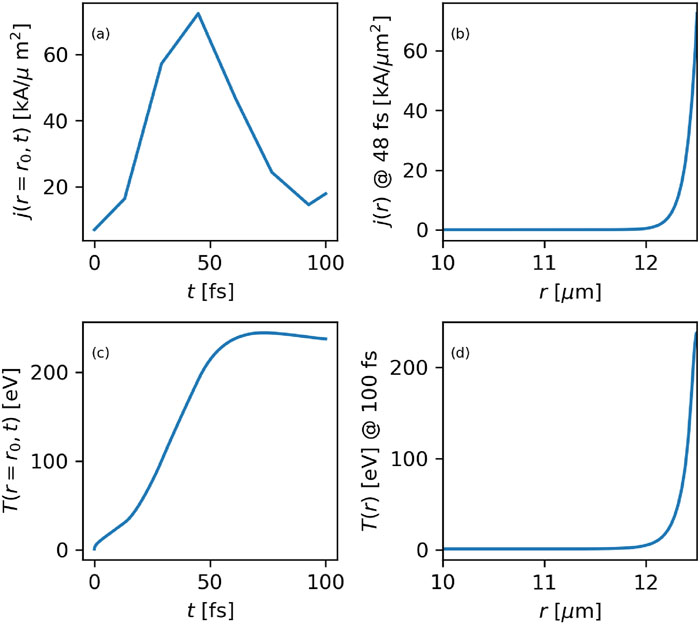
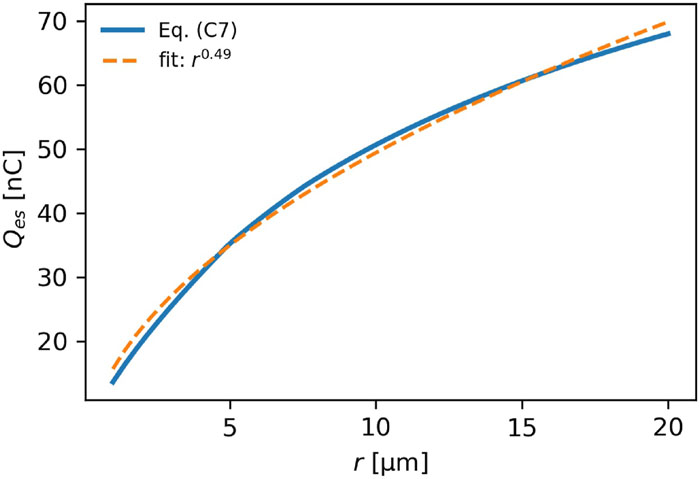
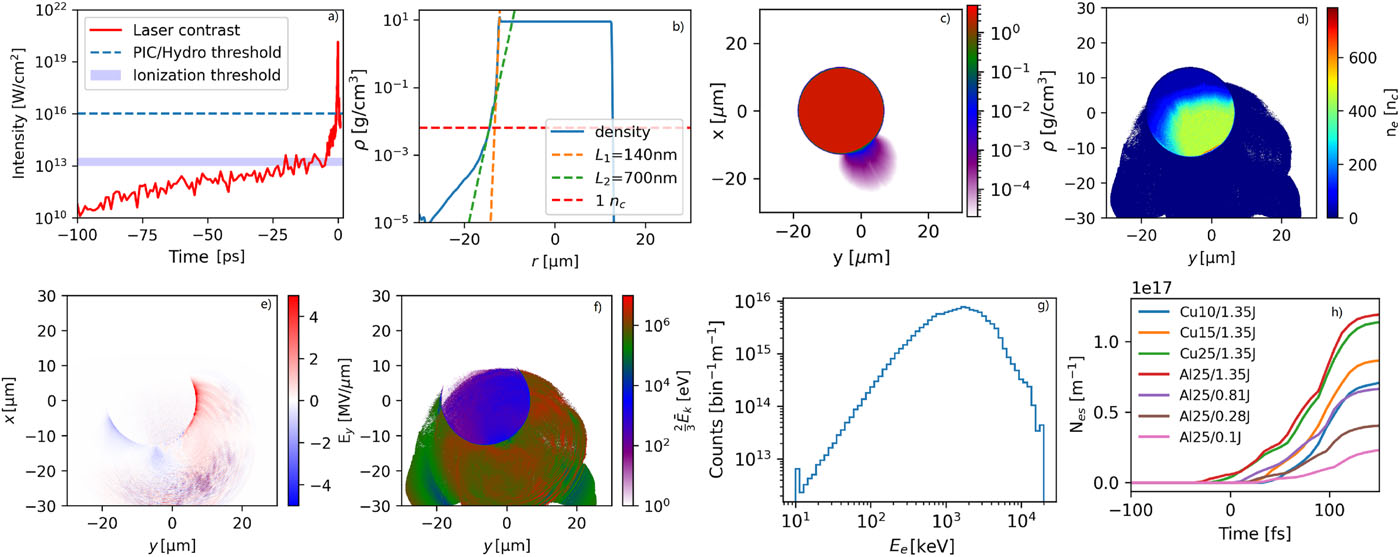
We present the first systematic experimental validation of return-current-driven cylindrical implosion scaling in micrometer-sized Cu and Al wires irradiated by J-class femtosecond laser pulses. Employing XFEL-based imaging with sub-micrometer spatial and femtosecond temporal resolution, supported by hydrodynamic and particle-in-cell simulations, we reveal how return current density depends precisely on wire diameter, material properties, and incident laser energy. We identify deviations from simple theoretical predictions due to geometrically influenced electron escape dynamics. These results refine and confirm the scaling laws essential for predictive modeling in high-energy-density physics and inertial fusion research.
Characteristics and mechanisms for a new damage region near the loading side of polycrystalline aluminum with helium bubbles under strongly decaying shock waves
Zhou Tingting, Zhao Fuqi, He Anmin, Wang Pei
2026, 11(1) doi: 10.1063/5.0289560
Abstract:
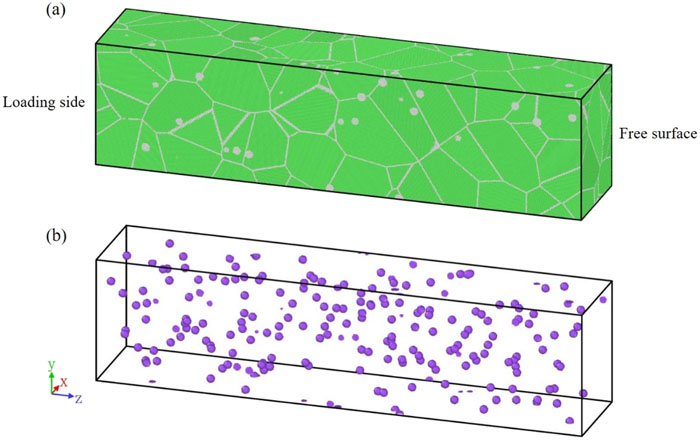
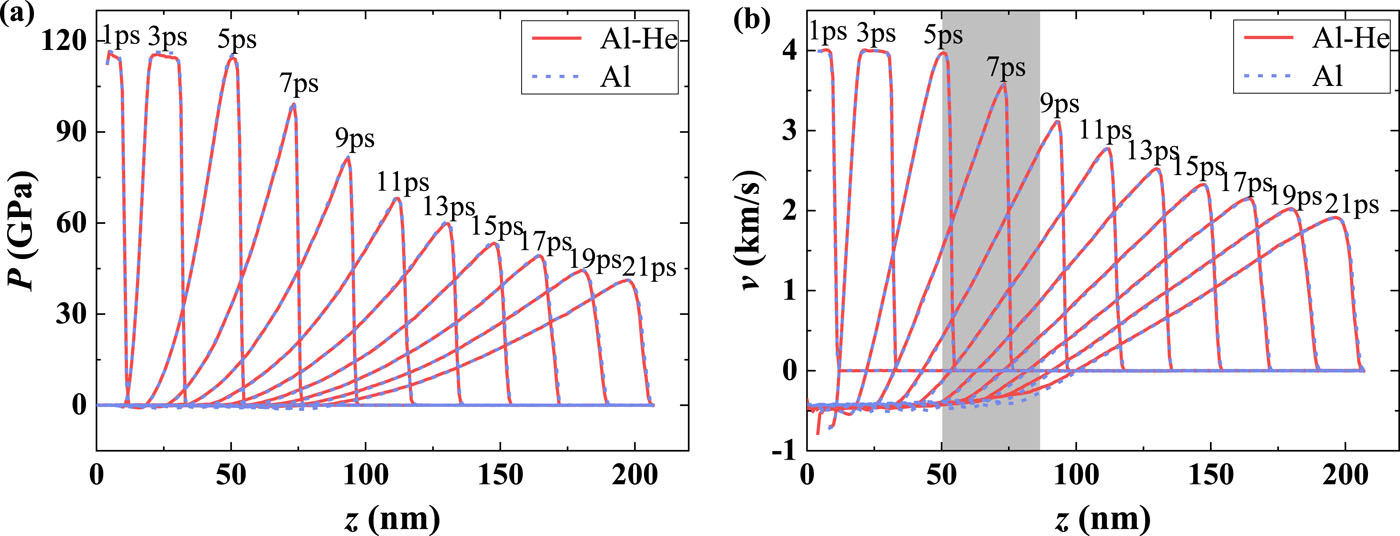
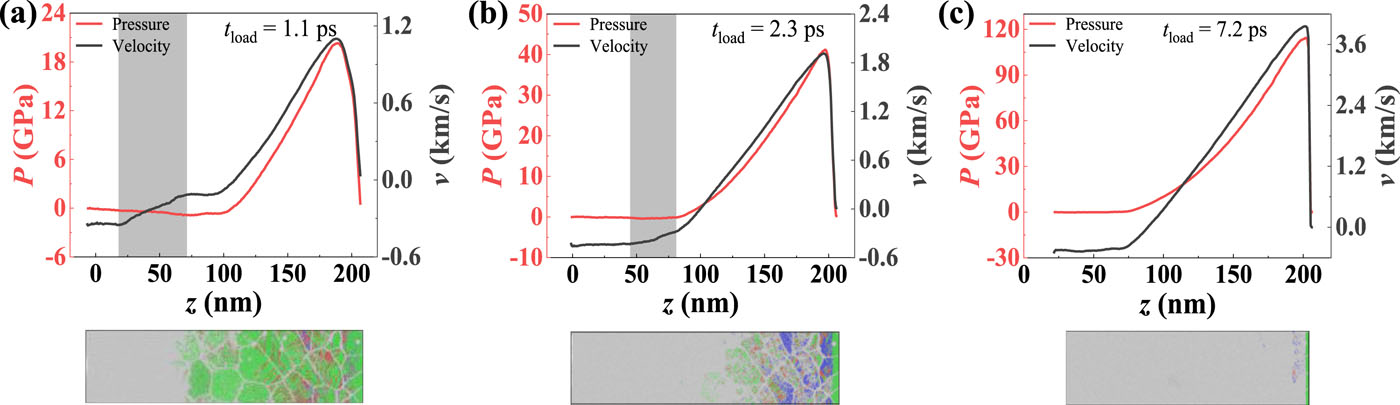
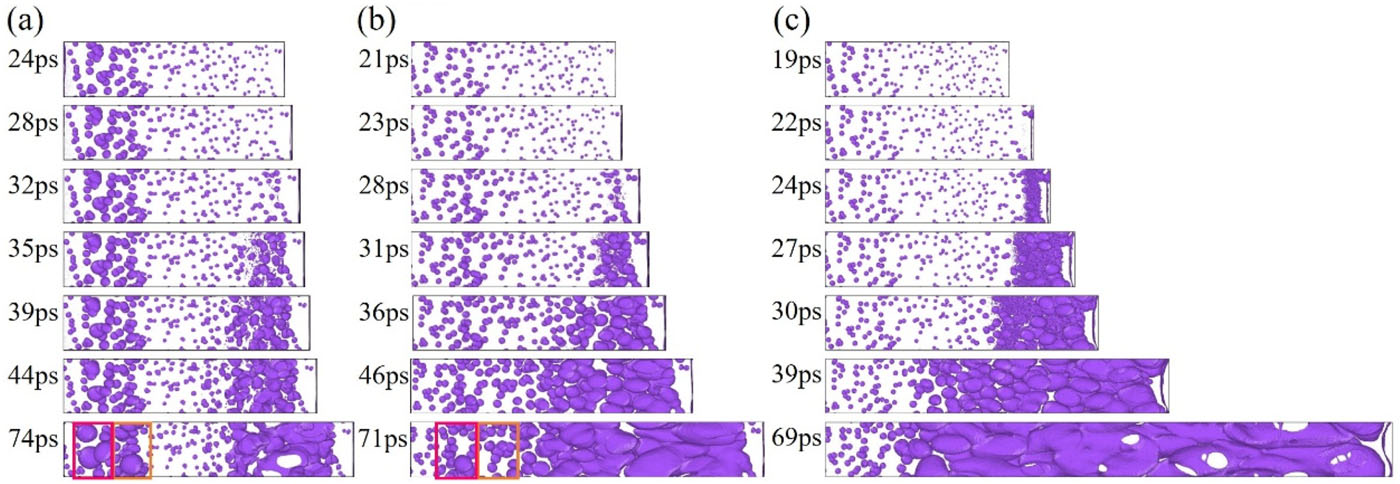
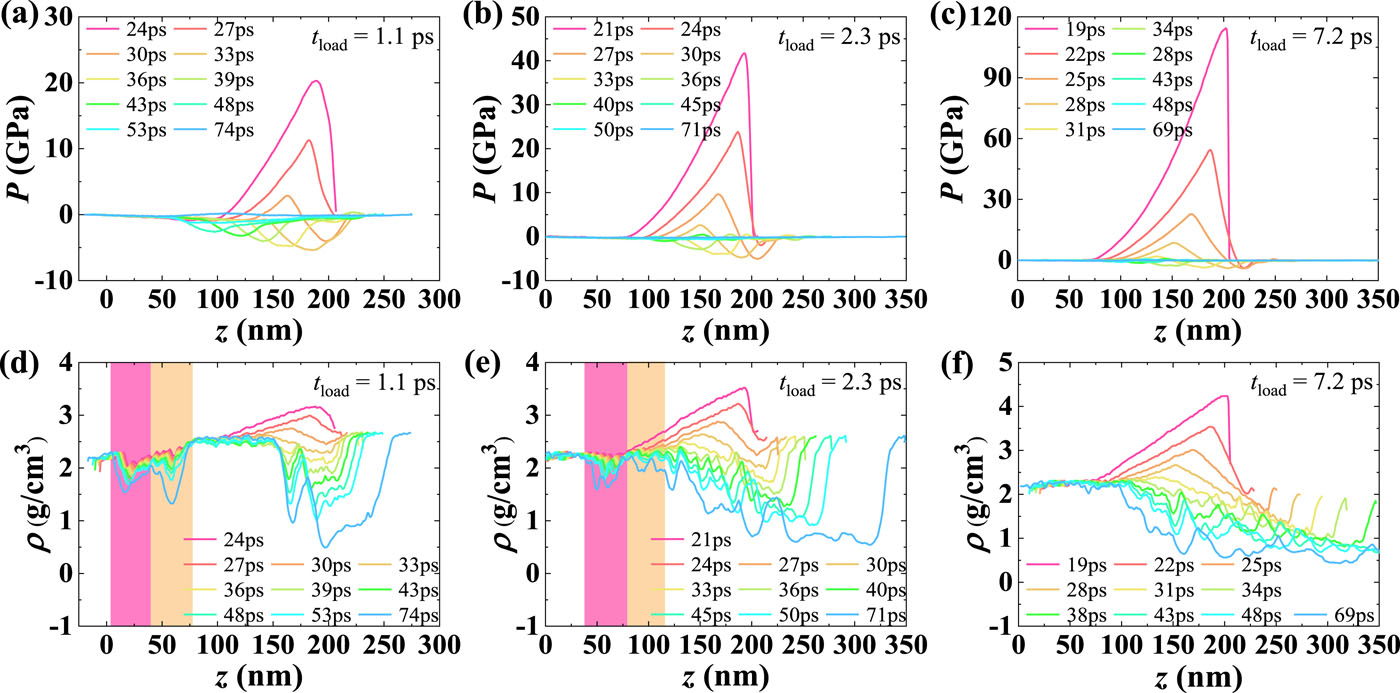
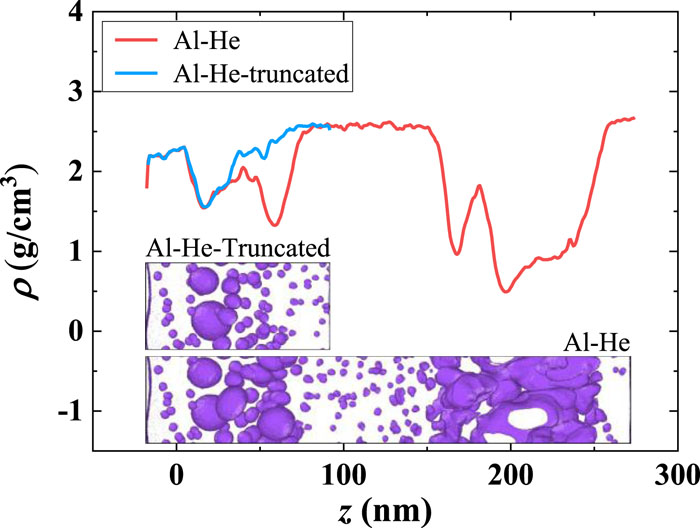
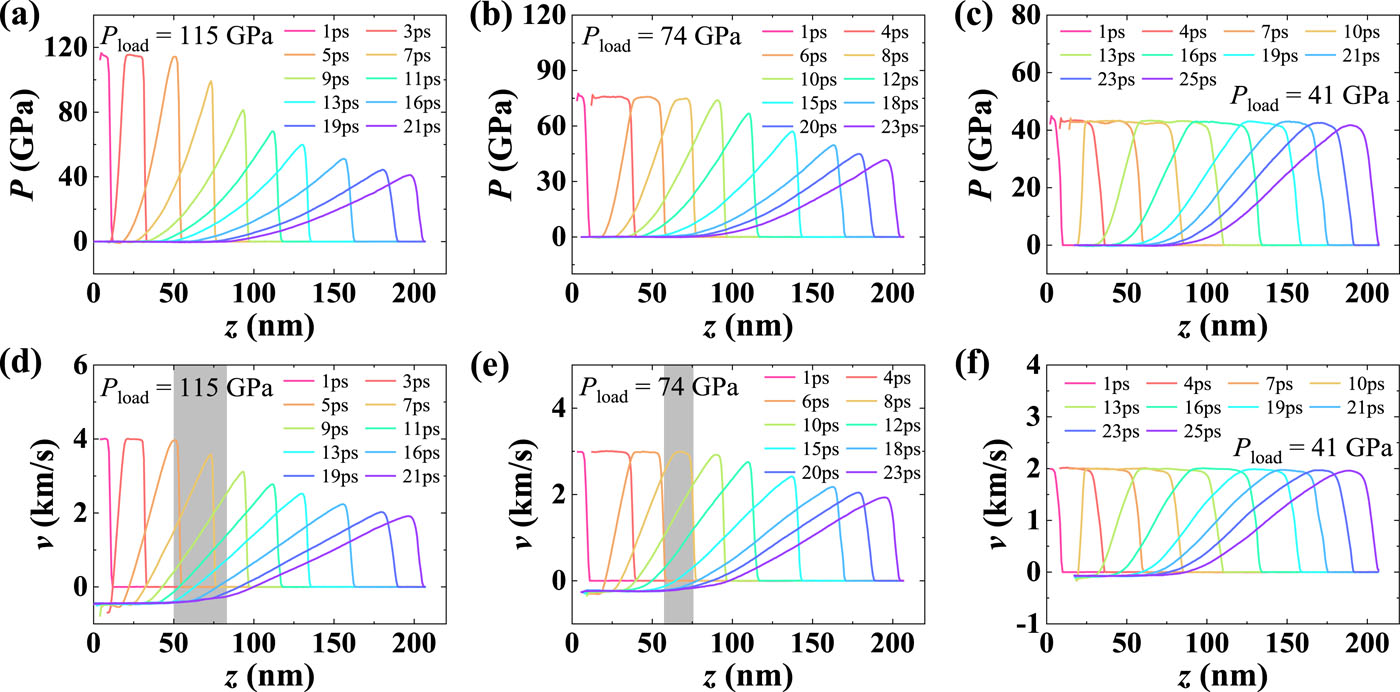
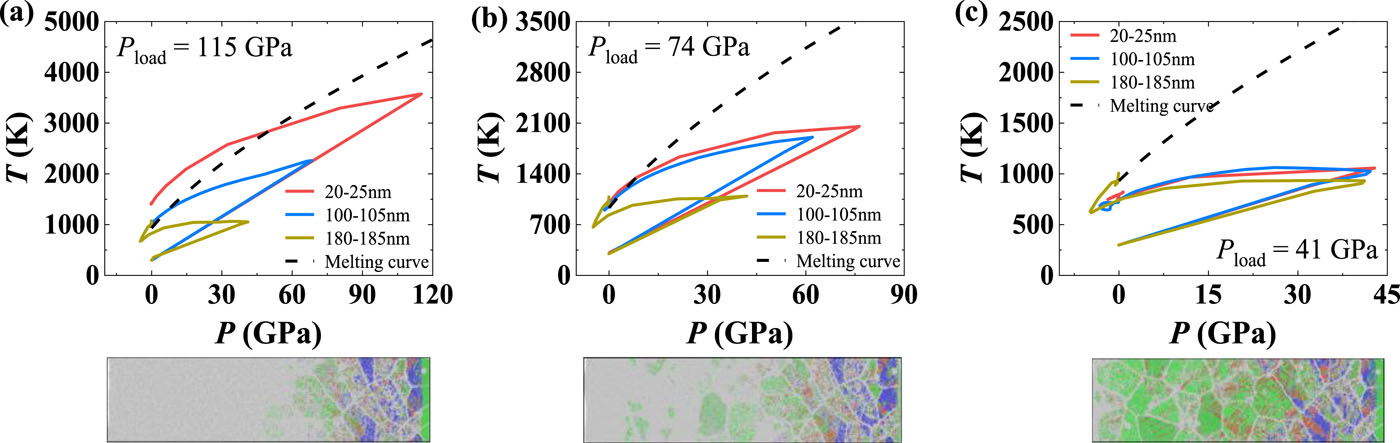
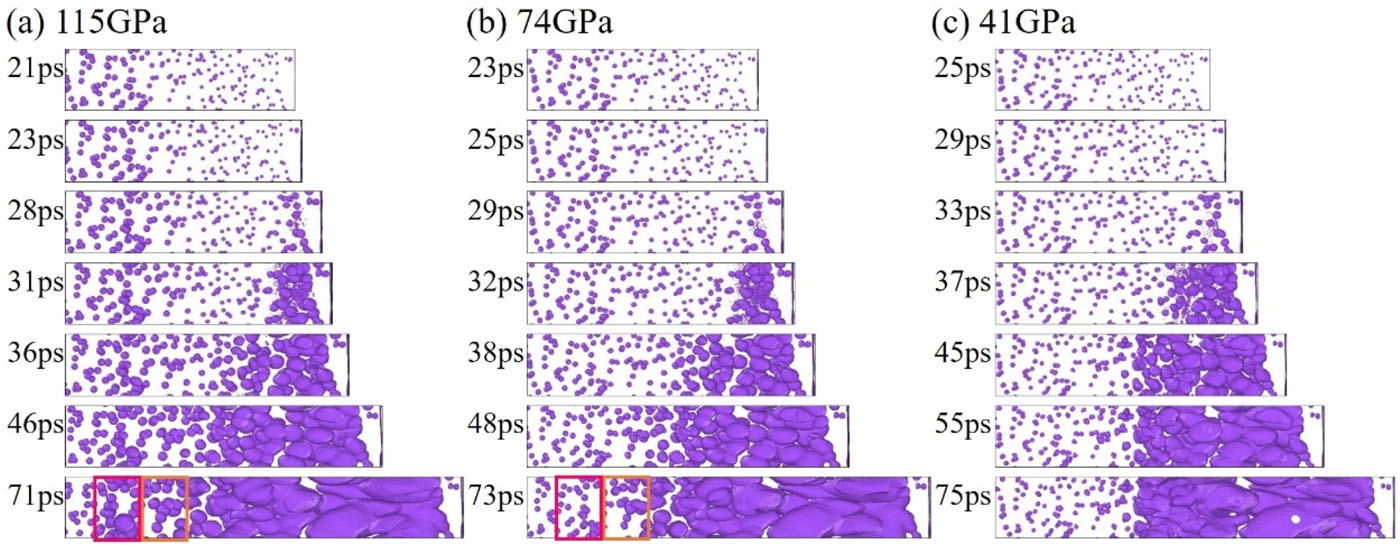
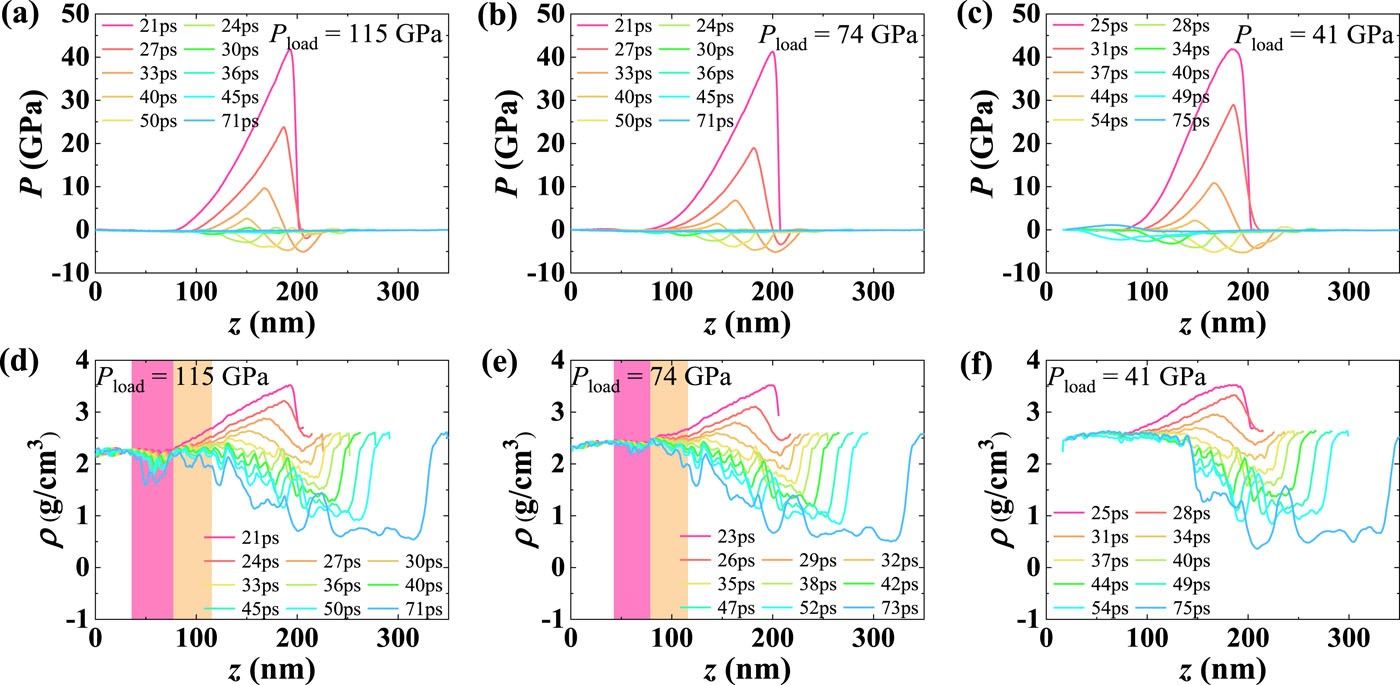
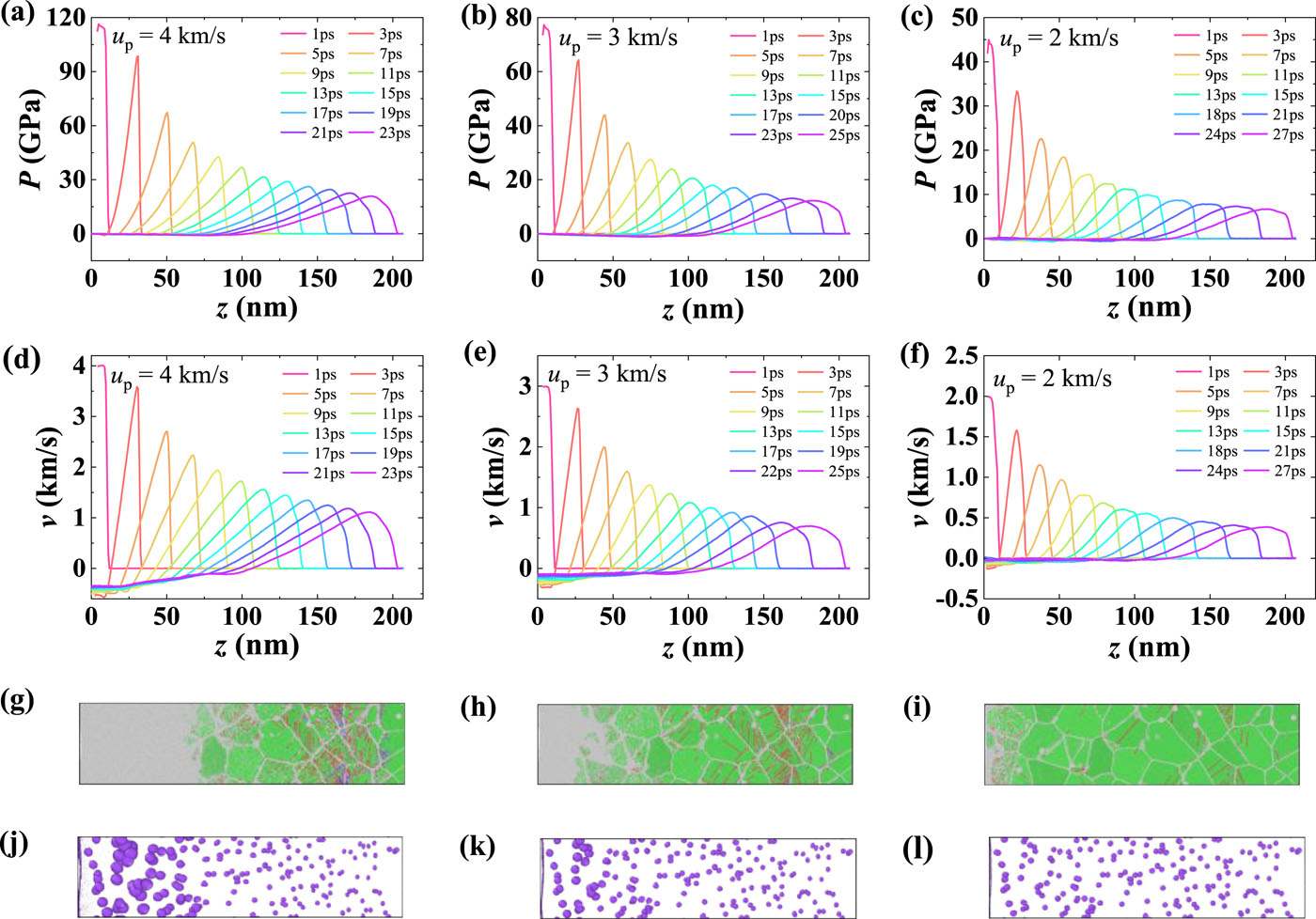
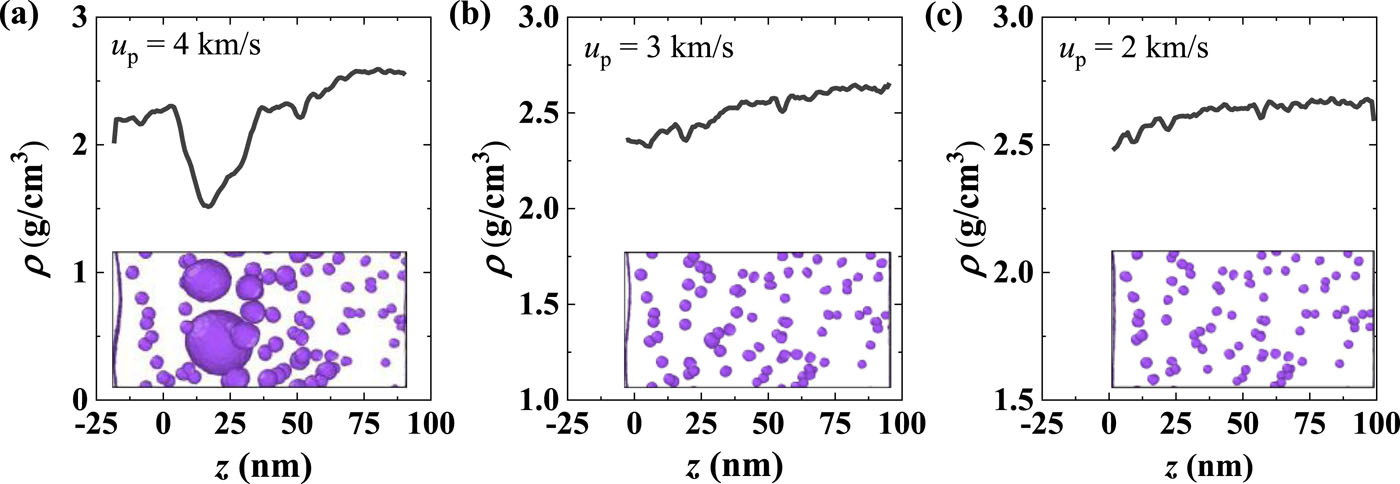
The damage evolution of polycrystalline Al with helium (He) bubbles under strongly decaying shock waves is studied by molecular dynamics simulations. A new damage region is observed near the loading side of the sample, and the evolution characteristics and underlying mechanisms are elucidated. The development of damage in the new damage region begins after complete unloading of the incident shock wave and is further enhanced when the tensile stress arrives later. The damage evolution is completely controlled by the expansion–merging of He bubbles, without nucleation–growth of voids. This new damage region can be divided into two sections, each of which exhibits a unique dominant mechanism. The damage in the section closer to the loading side is due to the reverse velocity gradient formed after complete unloading of the incident shock wave, depending on the rate of decrease and the amplitude of the initial peak pressure. A high initial peak pressure that can lead to melting of material near the loading side is a necessary condition for the formation of the new damage region, since a significant reverse velocity gradient can only be established if melting occurs. The dominant mechanism in the section distant from the loading side is the action of tensile stress, associated with the profile of the incident shock wave upon reaching the free surface, which determines the material phase near the free surface. Moreover, the presence of He bubbles is another critical factor for formation of the new damage region, which does not occur in pure Al samples.
High Pressure Physics and Materials Science
Structural disorder-driven synthesis of C2+ hydrocarbons via direct hydrogenation of amorphous carbon with continuous random atomic networks
Wang Shaojie, Li Mingtao, Wu Zhongyan, Cao Saichao, Li Penghui, Zhang Xiang, Shen Zhiwei, Li Hongkai, Yang Ke, Zhang Li, Gao Guoying, Wang Lin, Tian Yongjun
2026, 11(1) doi: 10.1063/5.0293989
Abstract:
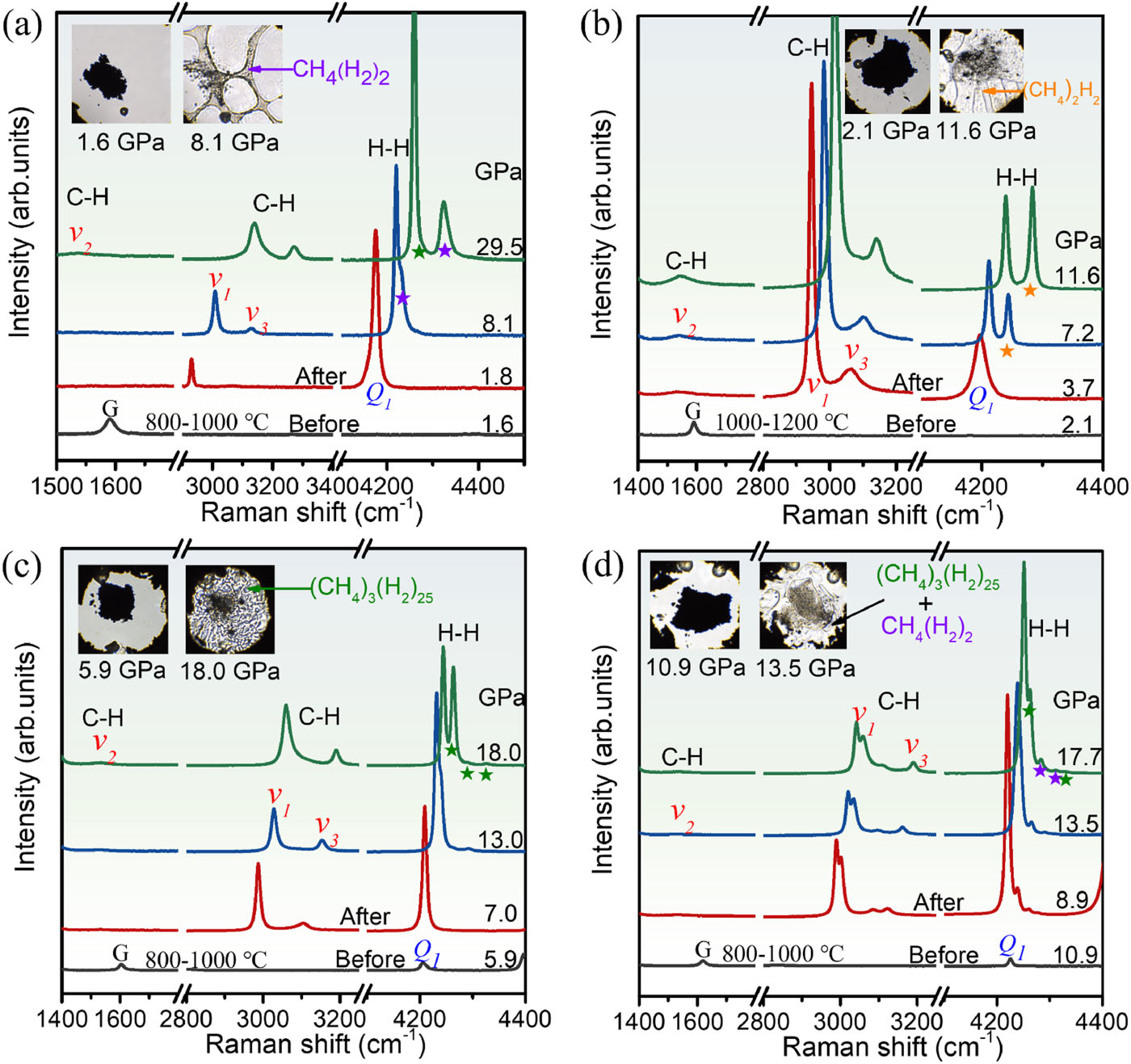
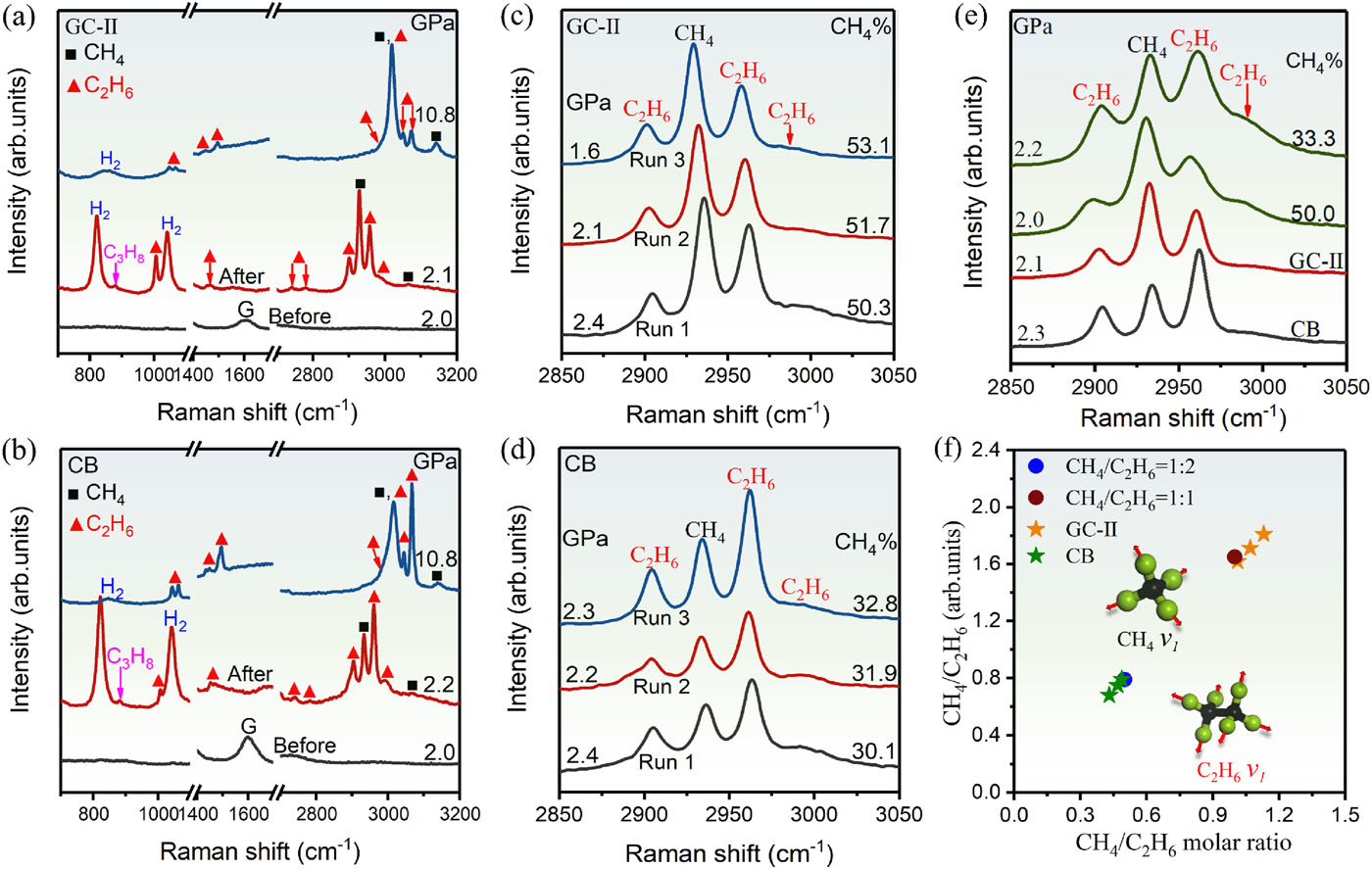
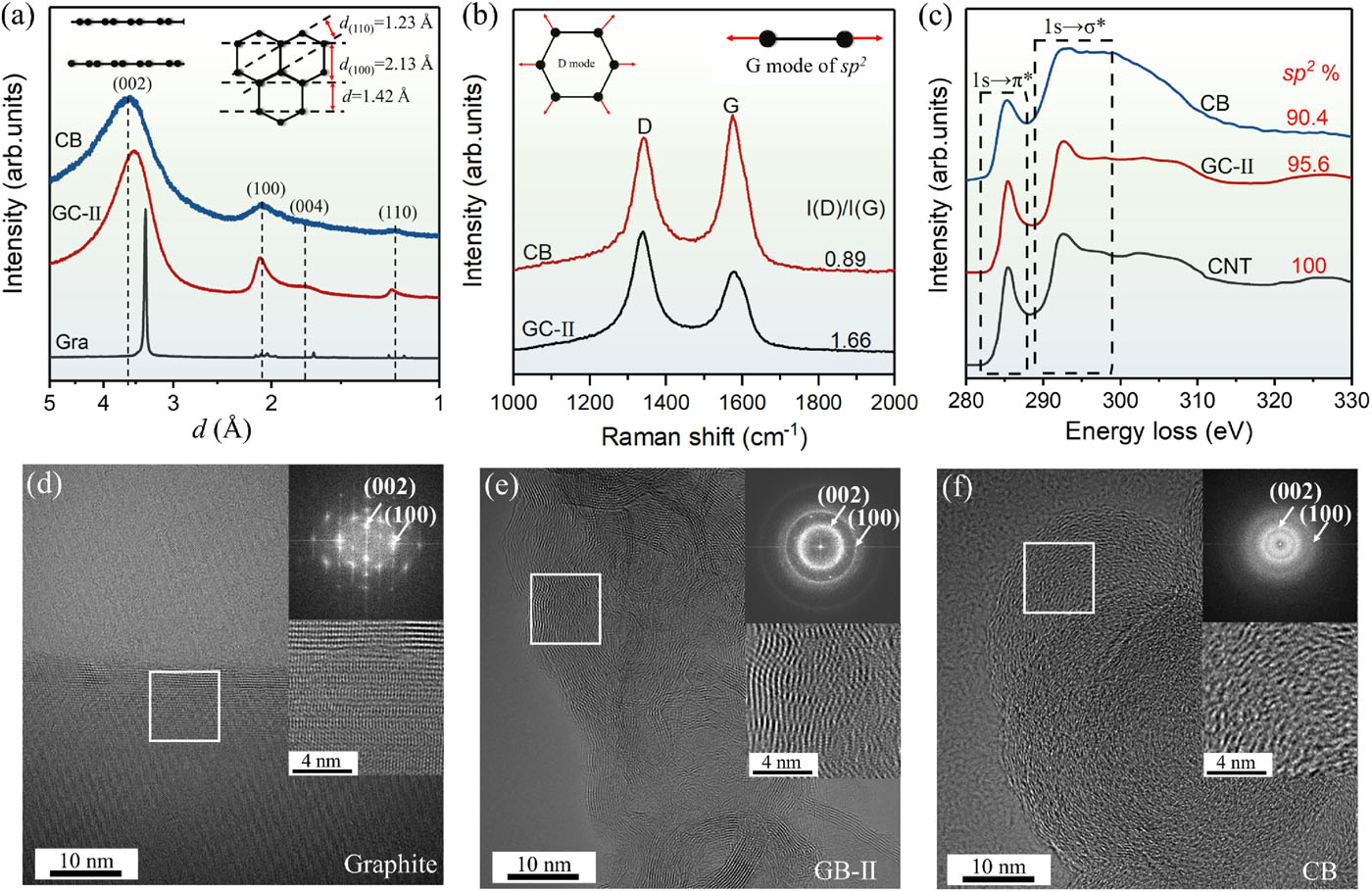
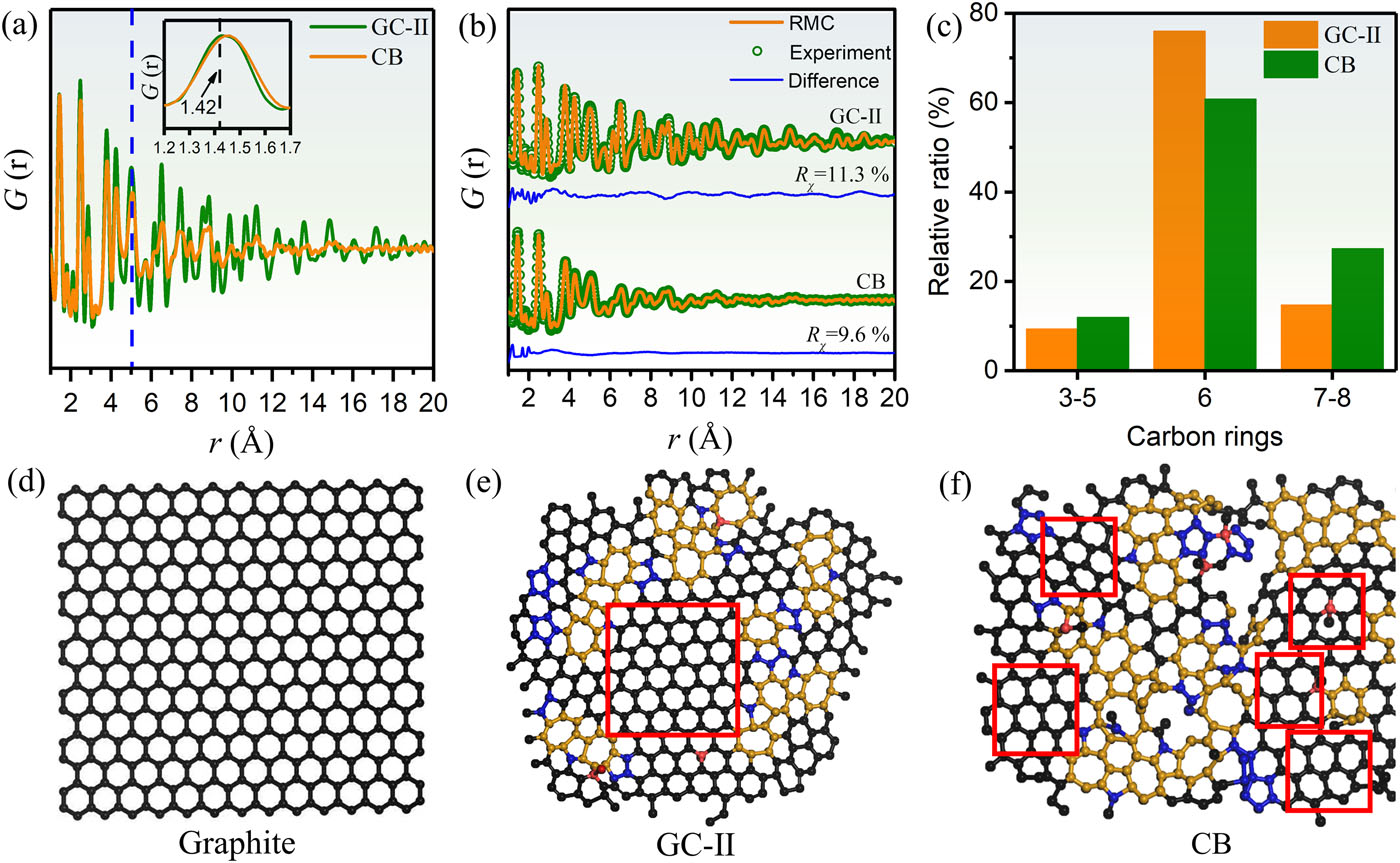
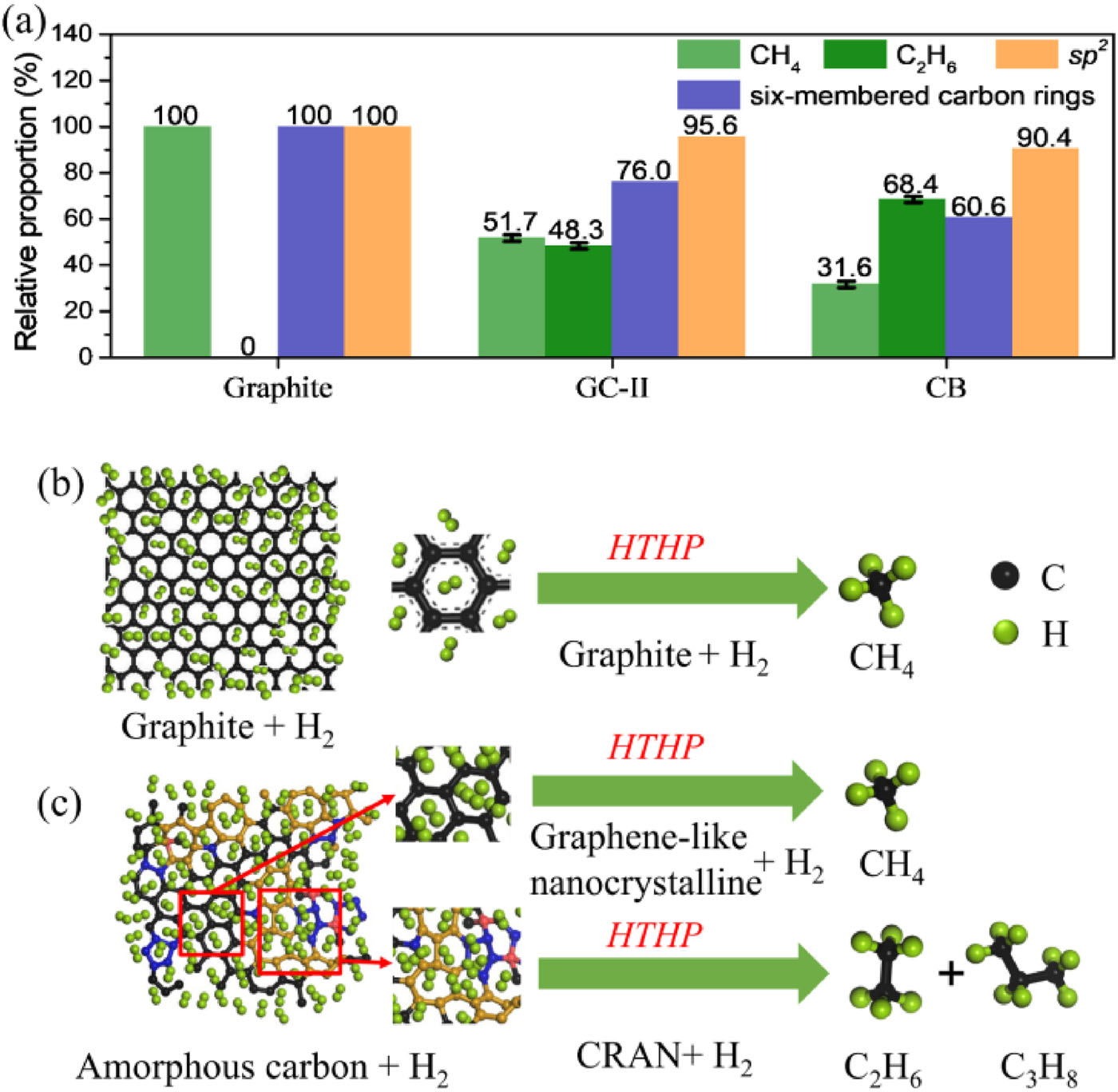
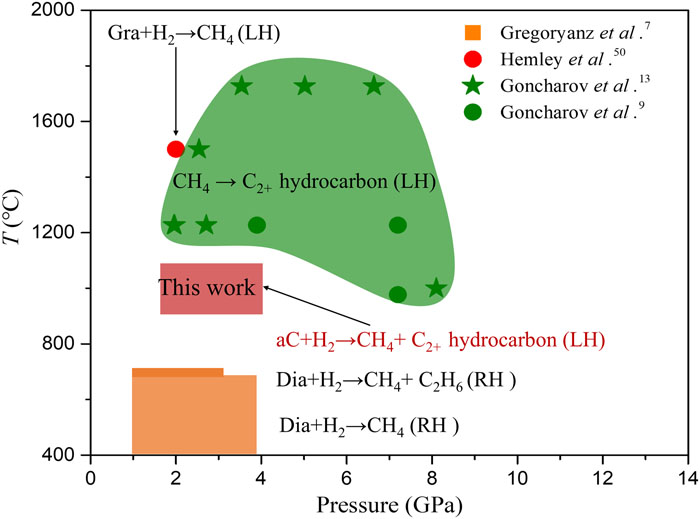
Recent advances in geoscience have underscored the critical role of abiogenic processes in petroleum formation, especially the formation and polymerization of methane. However, whether a direct carbon–H2 reaction can produce C2+ hydrocarbons (e.g., ethane and propane) beyond methane remains an open question. Here, we demonstrate the direct synthesis of ethane and propane via reactions between amorphous carbon and H2 under upper mantle conditions (2–10 GPa and 800–1200 °C). A systematic investigation reveals that increasing structural disorder in carbon precursors, from graphite to glassy carbon-II and carbon black, enhances the production of C2–C3 hydrocarbons. Through integrated X-ray diffraction and reverse Monte Carlo simulations, we establish that the continuous random atomic network structures in amorphous carbon enable one-step synthesis of heavy hydrocarbons with H2. These models establish a direct link between atomic-scale carbon structures and the one-step synthesis of C2+ hydrocarbons under H2-rich, high-pressure, and high-temperature conditions—potentially revealing an efficient mechanism for the abiotic production of C2+ hydrocarbons in the upper mantle.
Ultrahigh strength of cage-like polymeric nitrogen surpassing diamond under high pressure
Liang Hui, Wang Di, Xu Rui, Chen Hao, Zhou Dan, Zhang Yunwei, Li Quan
2026, 11(1) doi: 10.1063/5.0296196
Abstract:
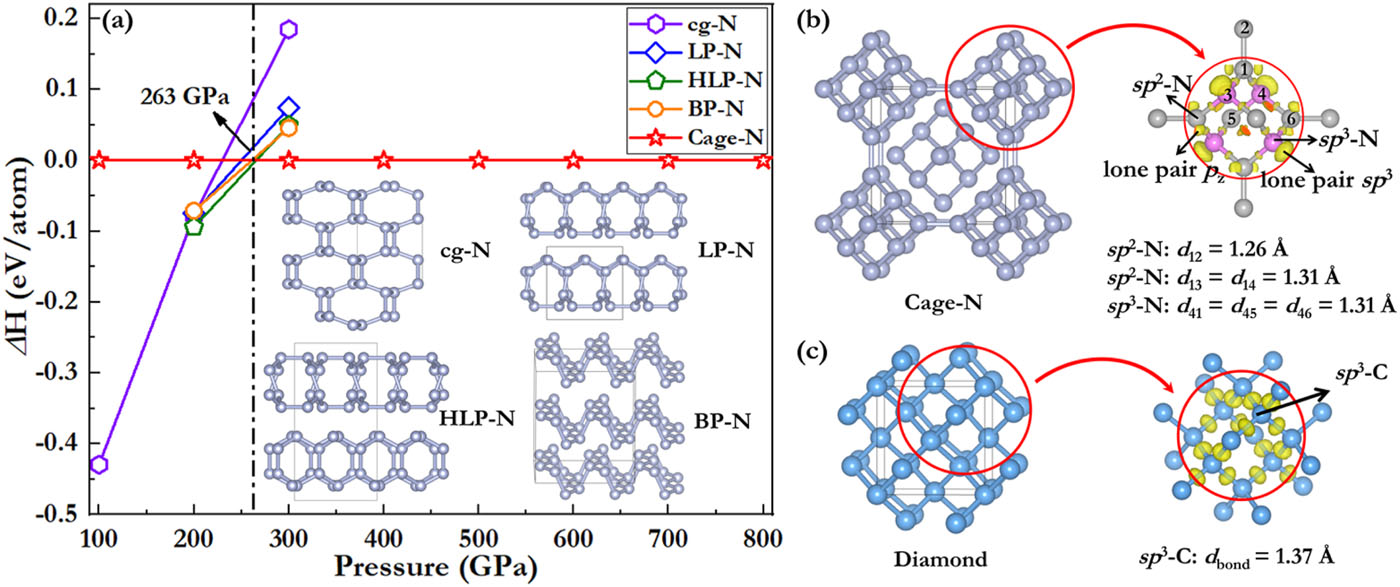
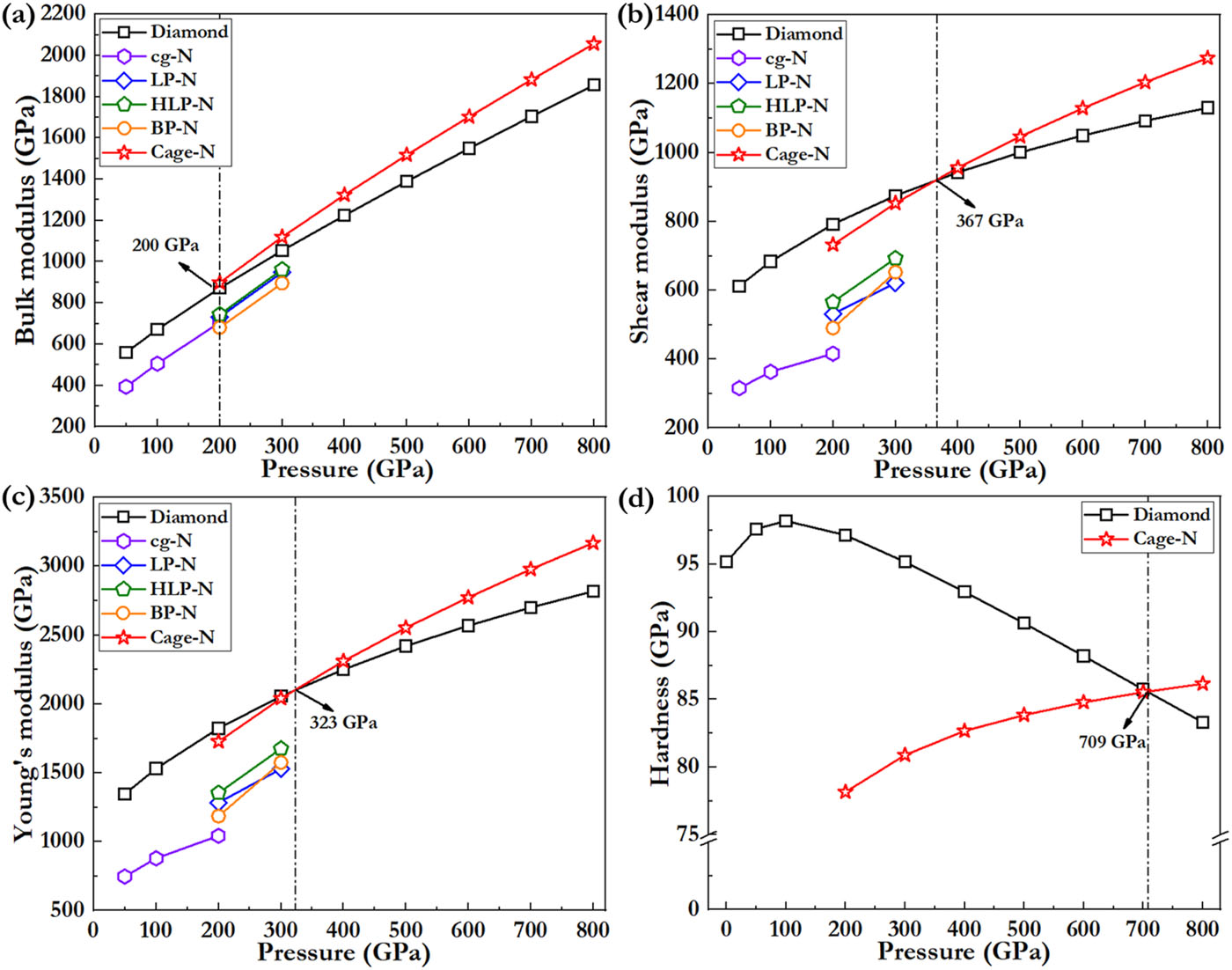
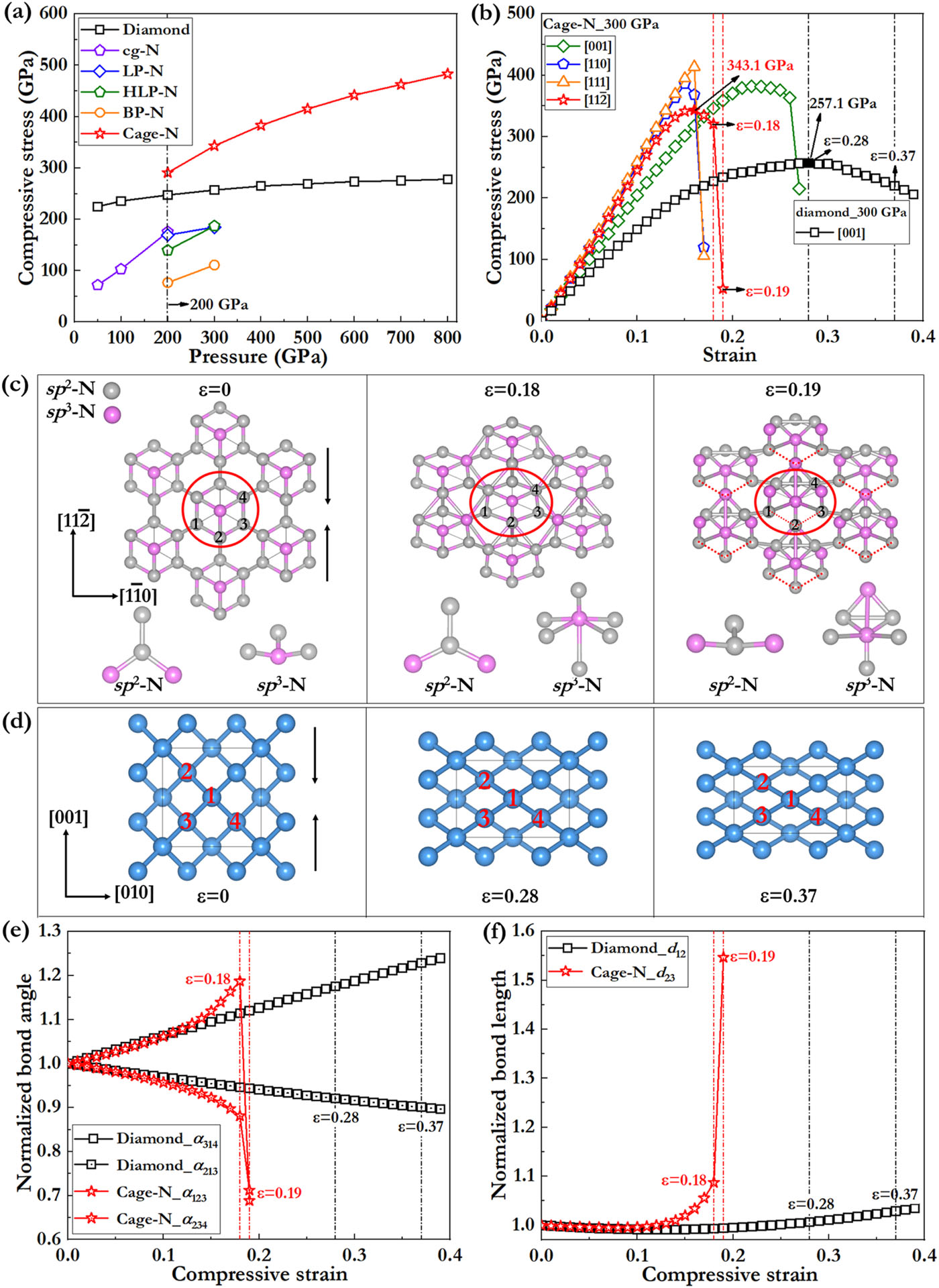
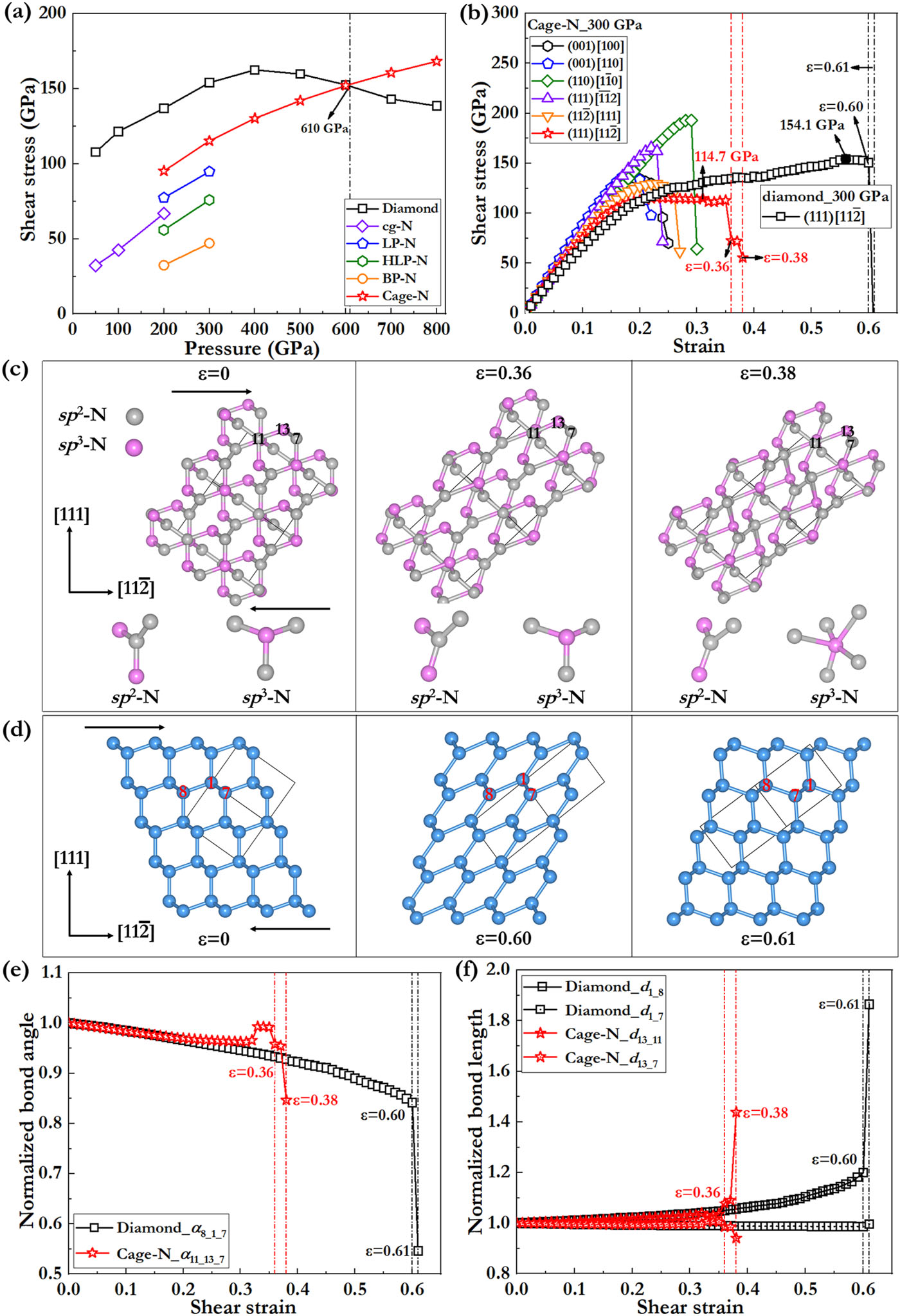
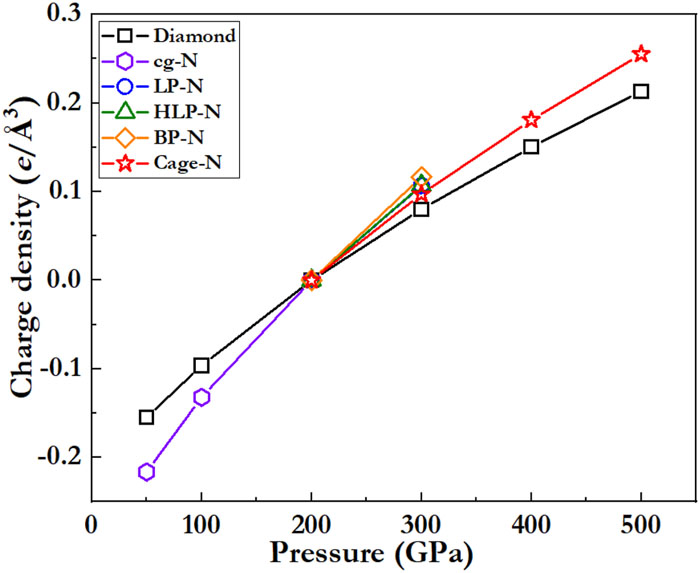
We report first-principles predictions of a cage-like polymeric nitrogen phase (cage-N) composed of interlocked N10 clusters stabilized by mixed sp2/sp3 hybridization. Under high pressure, cage-N exhibits exceptional mechanical performance, including an ideal compressive strength of 343 GPa at a pressure of 300 GPa, ∼33% higher than that of diamond. This ultrahigh strength arises from the synergistic interplay between its three-dimensional covalent framework and hybridized bonding topology, which enables isotropic stress accommodation and dynamic electronic rearrangement. These results establish cage-N as a promising non-carbon ultrahard material and provide a bonding-driven route toward designing superhard frameworks under extreme conditions.
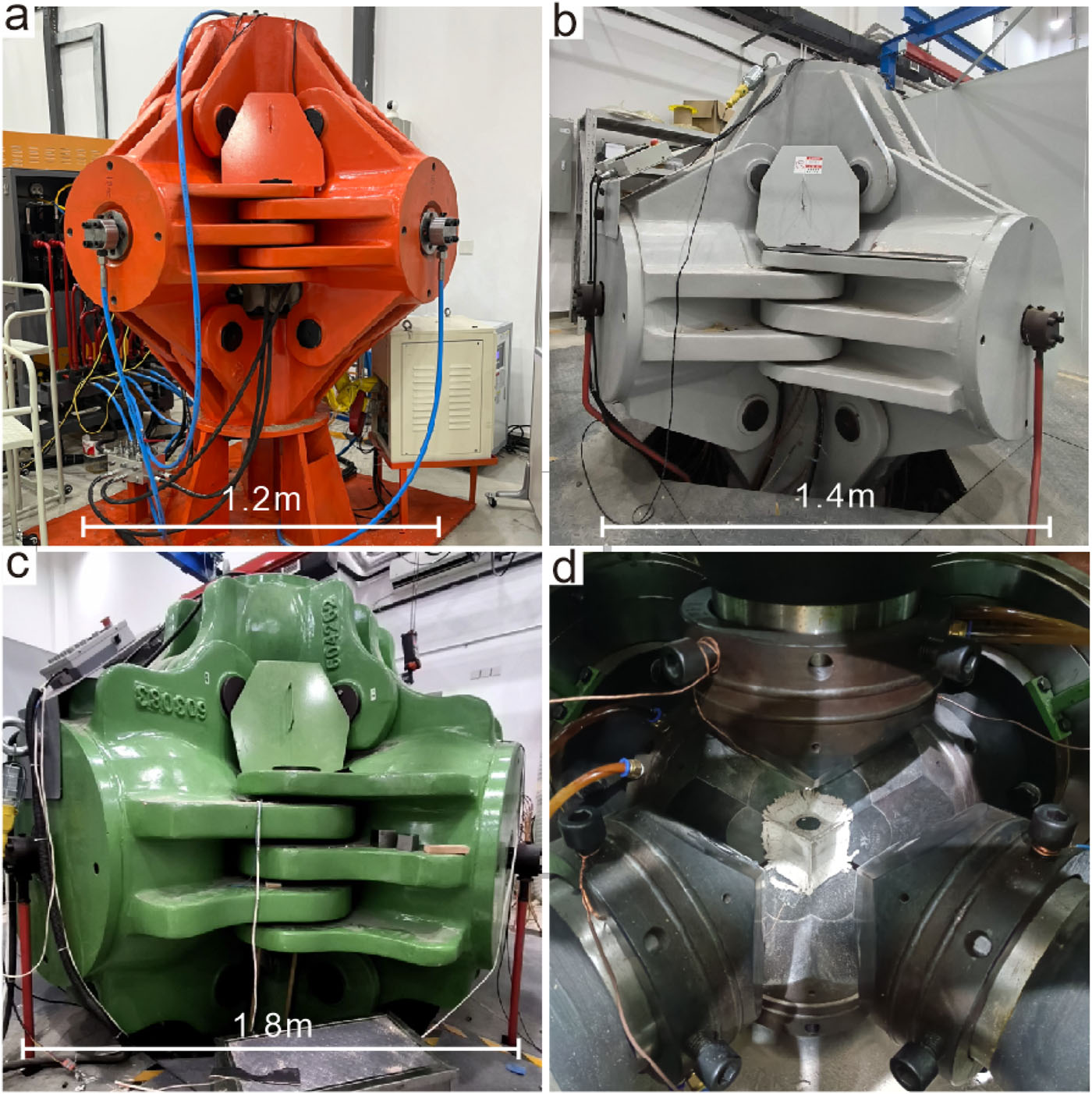
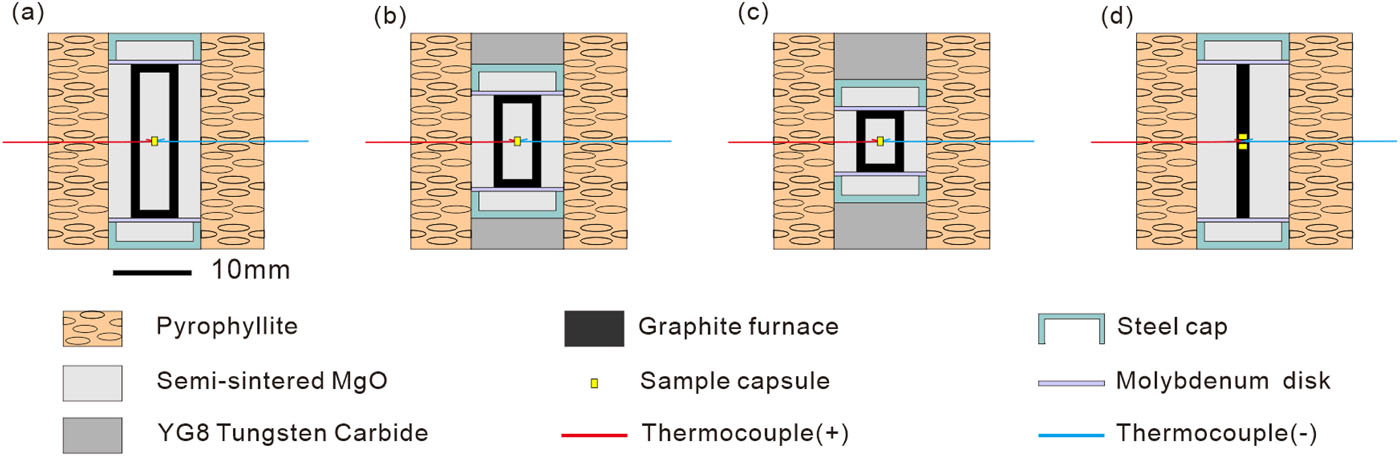
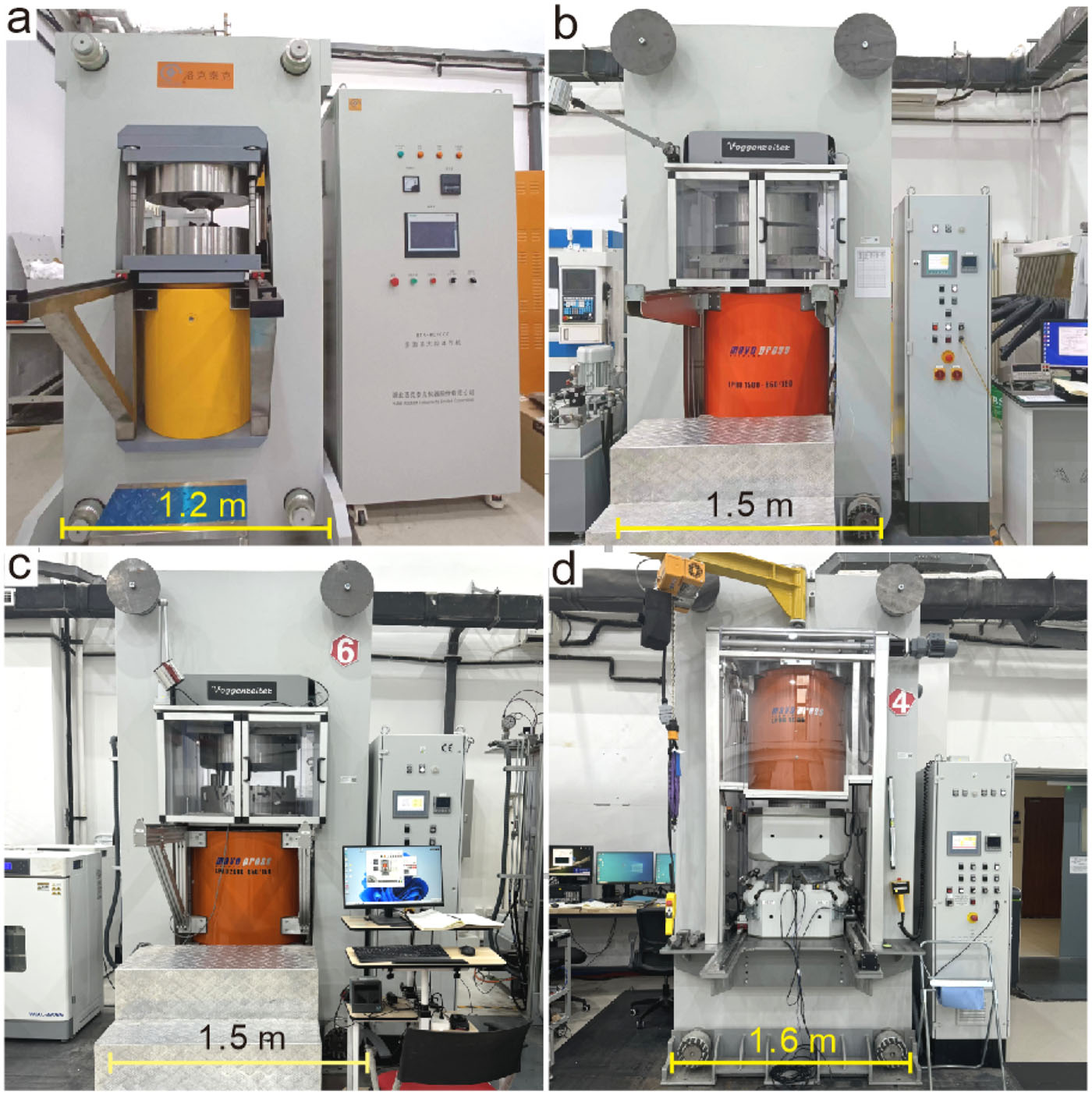
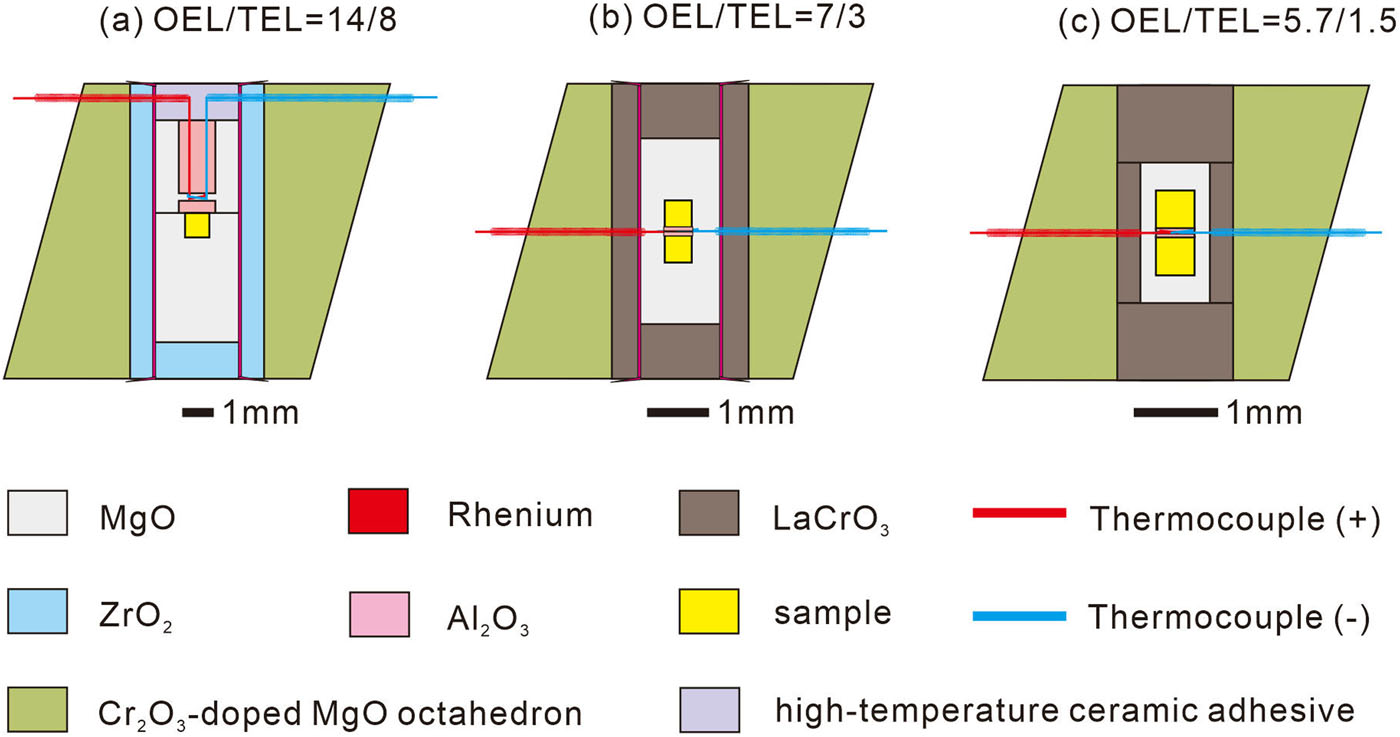
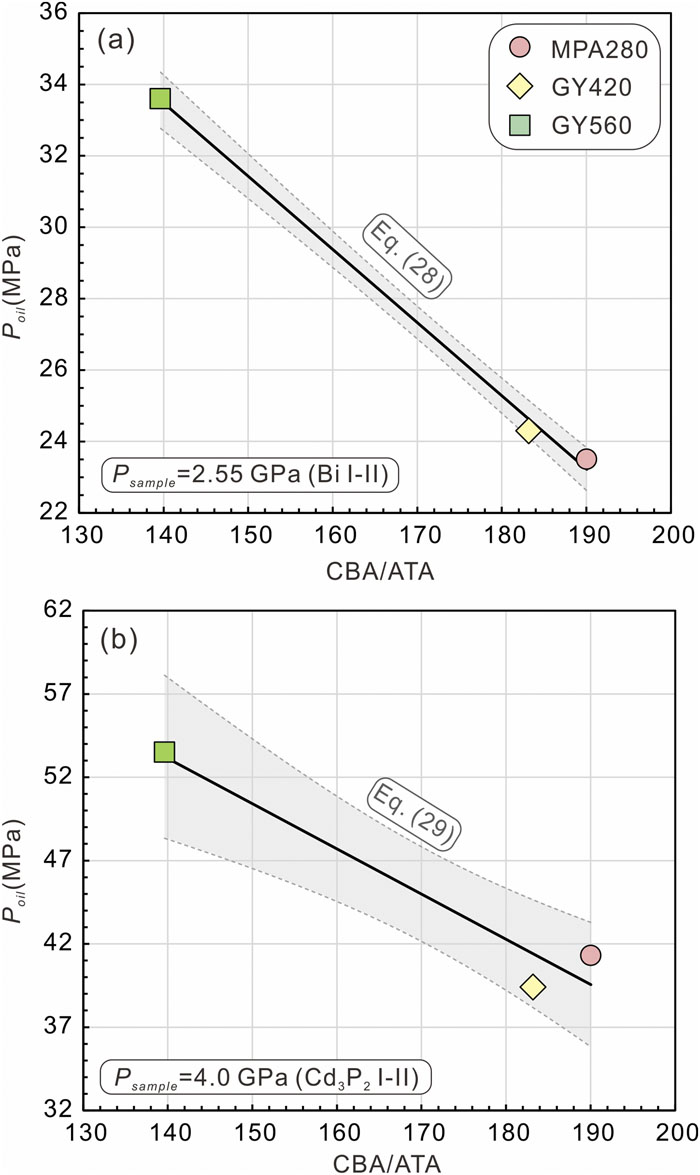
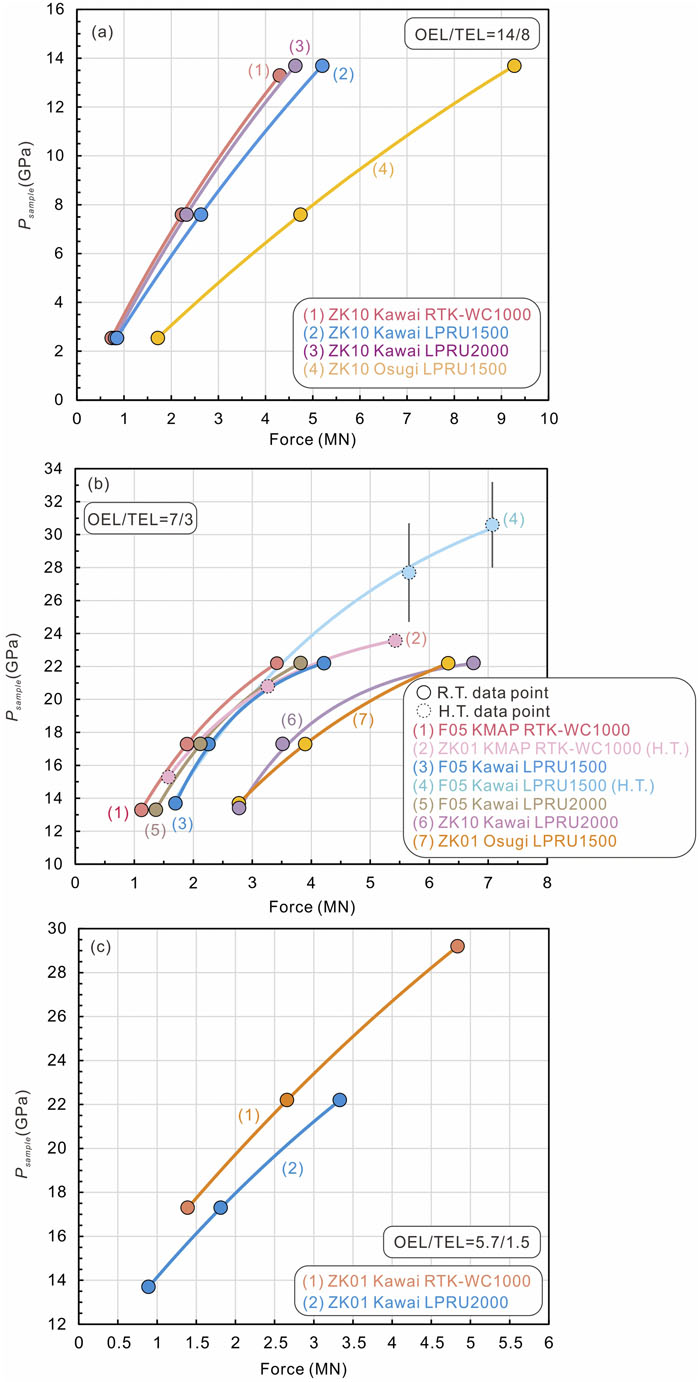
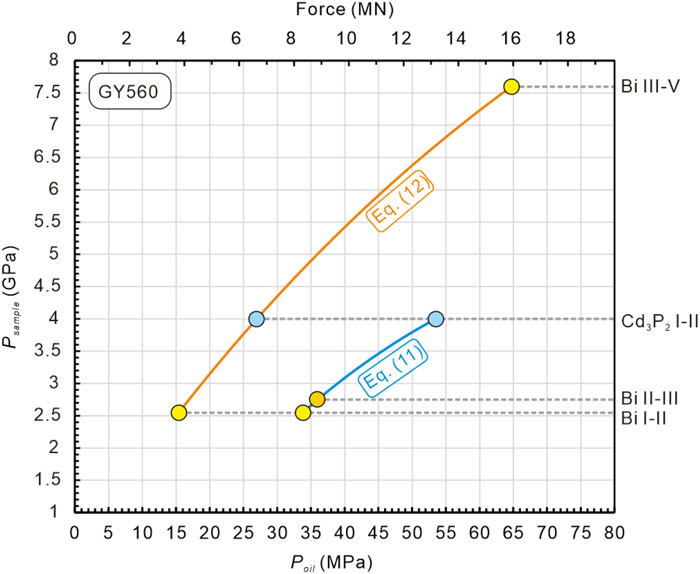
Pressure calibrations of high-pressure large-volume presses at HPSTAR
Xu Yongjiang, Wu Peiyan, Shang Sheng, Wang Xue, Li Taihang, Gao Shuchang, Lv Shijie, Cheng Hang, Xu Qianzhi, Lei Shang, Feng Jiajia, Zhao Lei, van Westrenen Wim, Ishii Takayuki, Chen Bin, Su Lei, Ding Yang, Yang Wenge, Mao Ho-Kwang, Lin Yanhao
2026, 11(1) doi: 10.1063/5.0289378
Abstract:
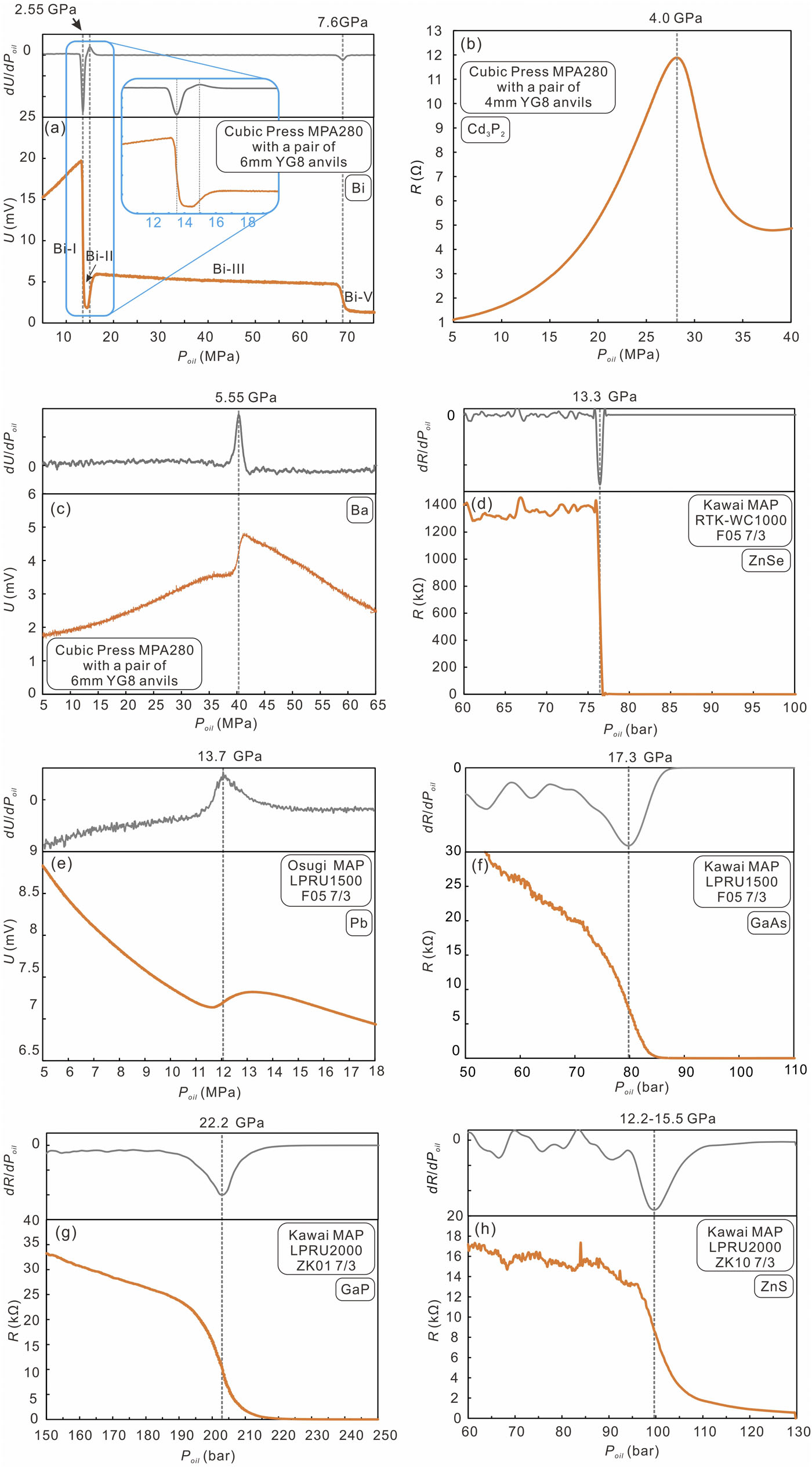
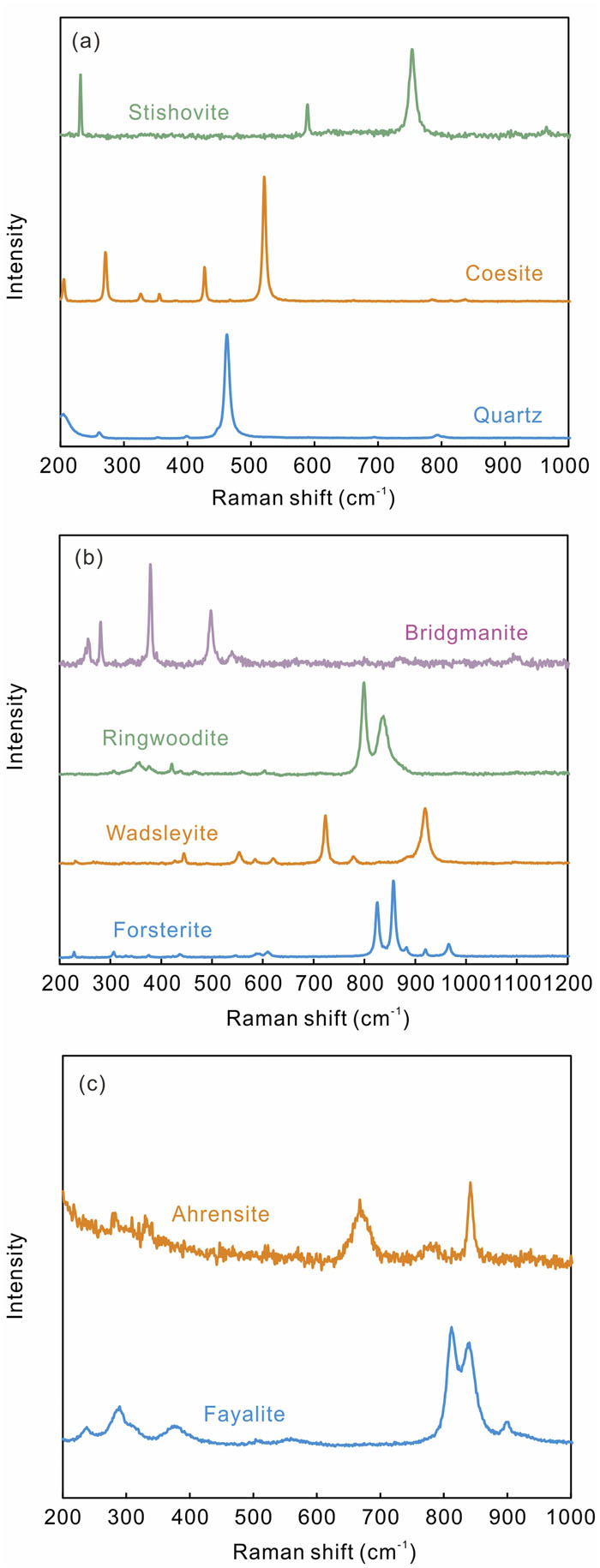
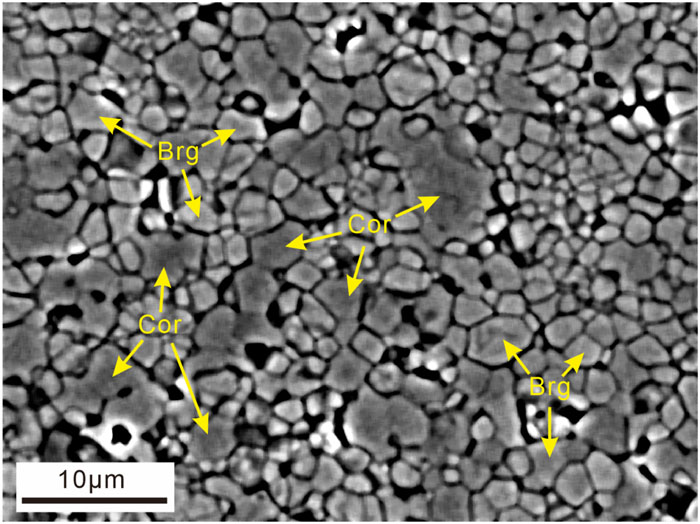
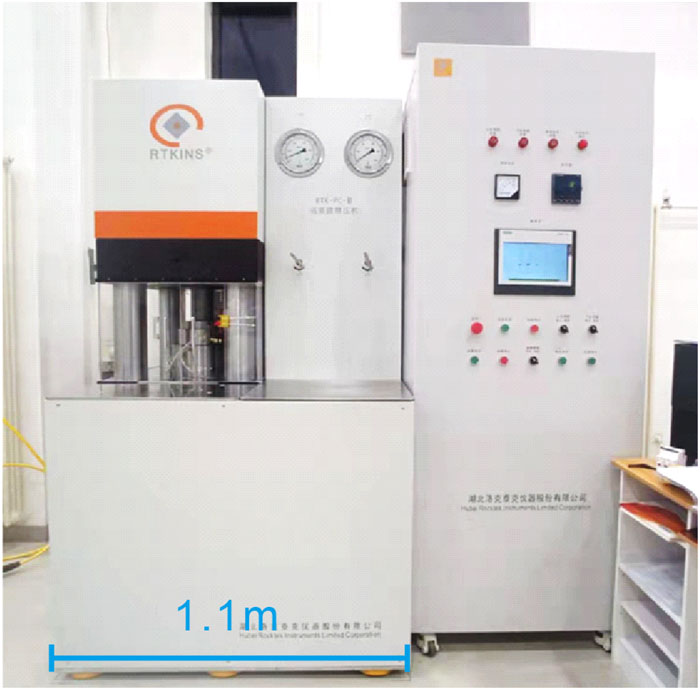
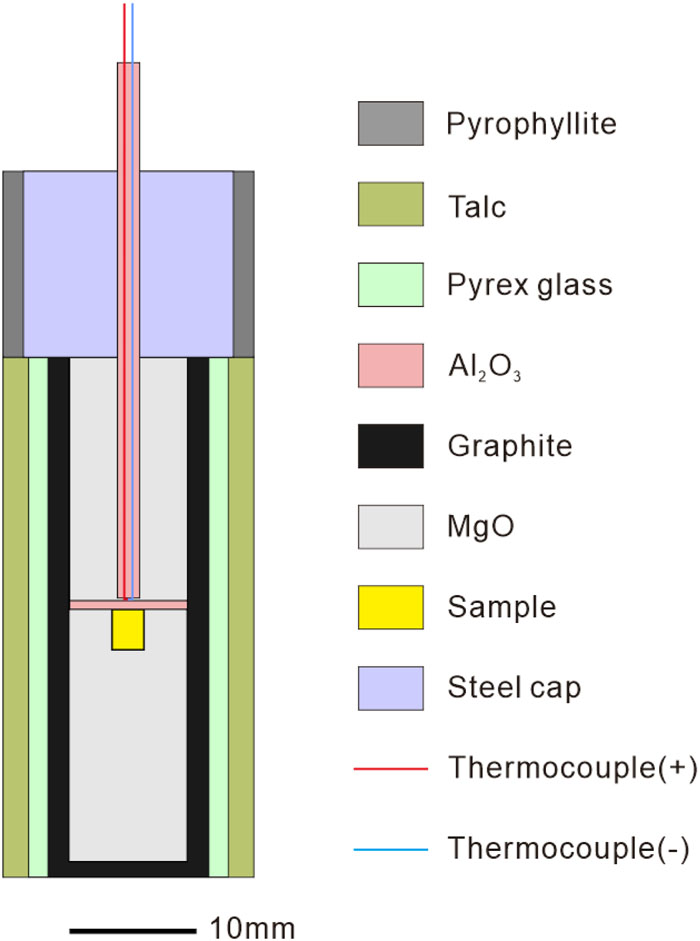
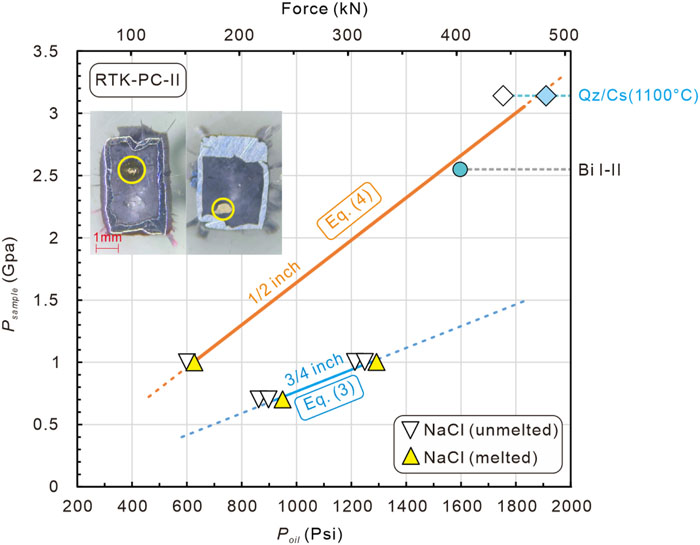
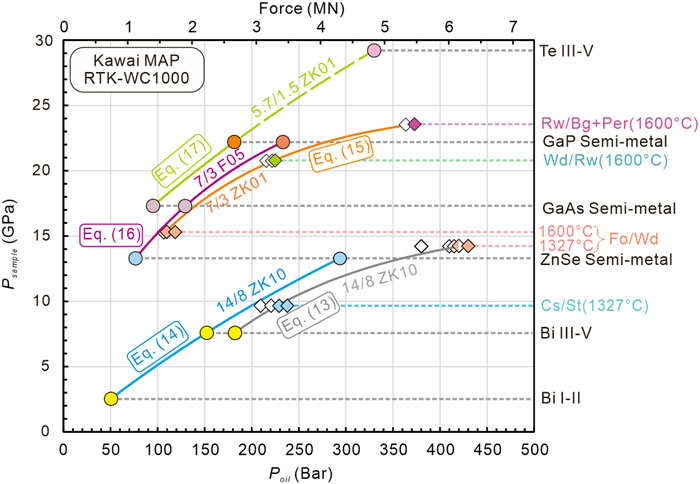
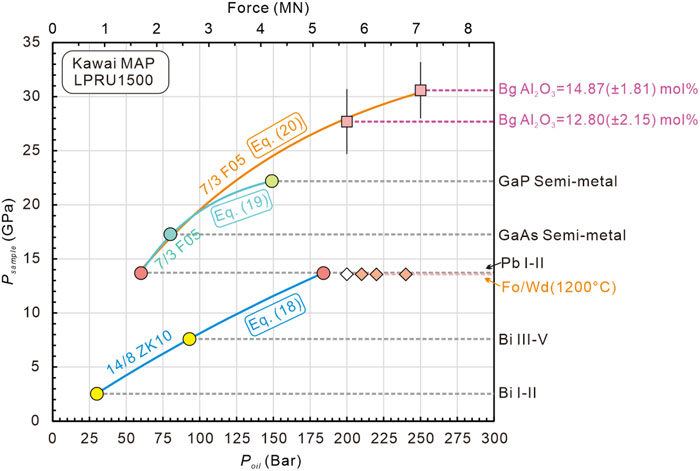
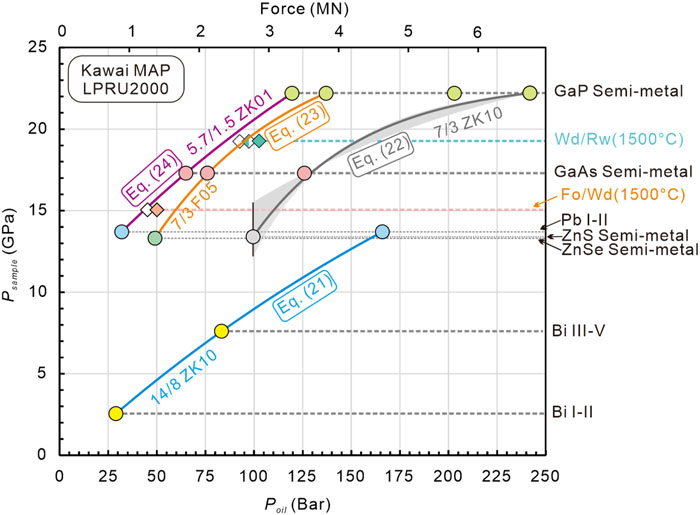
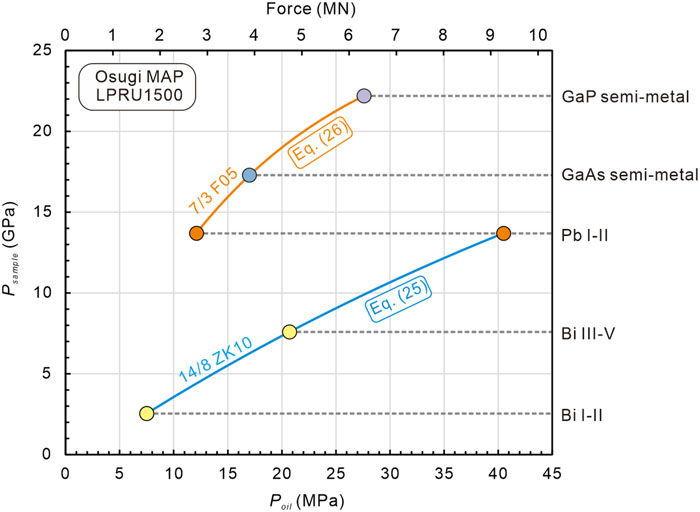
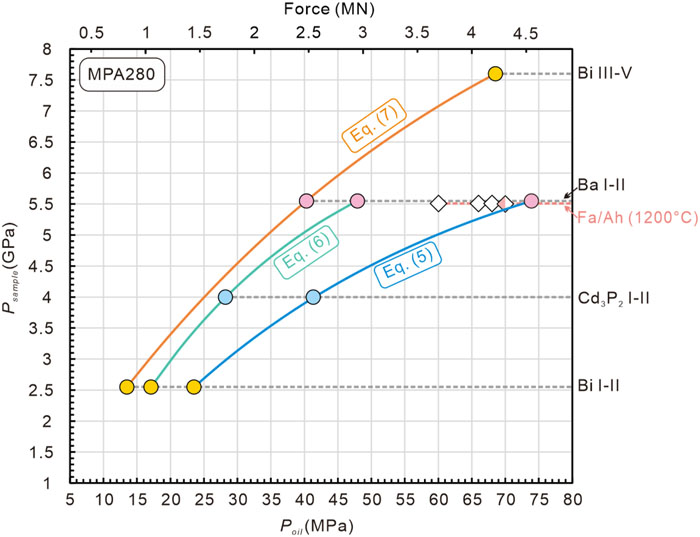
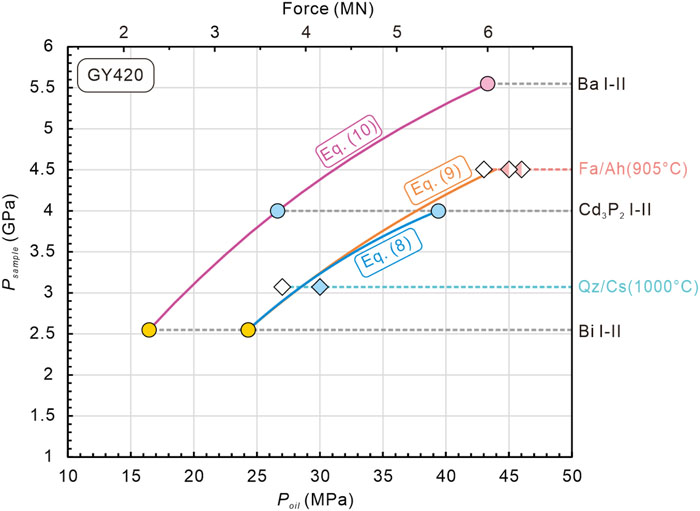
Large-volume presses (LVPs) are widely utilized in diverse research fields—including high-pressure physics, chemistry, materials science, and Earth and planetary sciences—to investigate the physical and chemical properties of materials under extreme high-pressure and high-temperature conditions. A prerequisite for achieving reproducible property measurements is the determination and control of pressure within experimental setups. However, the lack of precise pressure calibration in LVPs hinders the broader application of such devices in ultrahigh-pressure studies. This study employs a suite of standard phase transition-based pressure markers—comprising metallic conductors, semiconductors, and minerals—through both in situ and ex situ identification approaches, to establish pressure calibration curves ranging from 0.4 to >30 GPa for various types of LVP installed at the Center for High Pressure Science and Technology Advanced Research (HPSTAR), Beijing, including piston–cylinder, cubic, and multi-anvil presses. The results provide a unified and traceable pressure reference for high-pressure experiments conducted at HPSTAR, while also offering technical guidance and calibration standards for other researchers utilizing similar LVP systems, thereby enabling more consistent comparison between different laboratories. This work facilitates the advancement of LVP research toward broader applications in higher-pressure regimes.